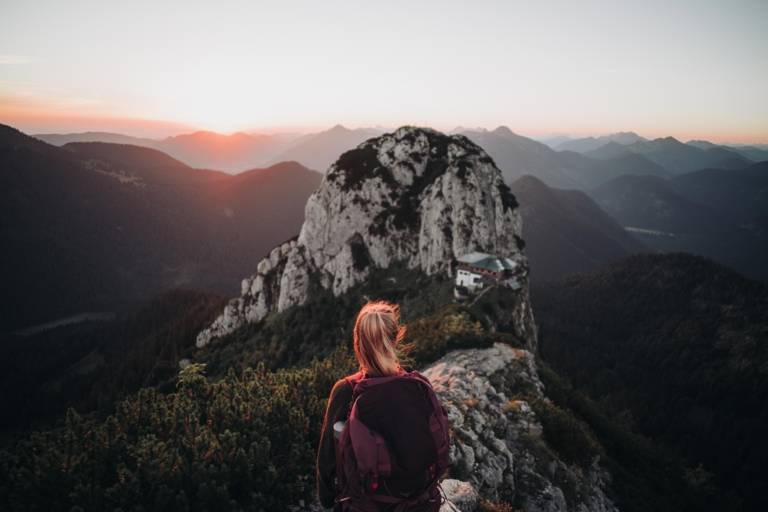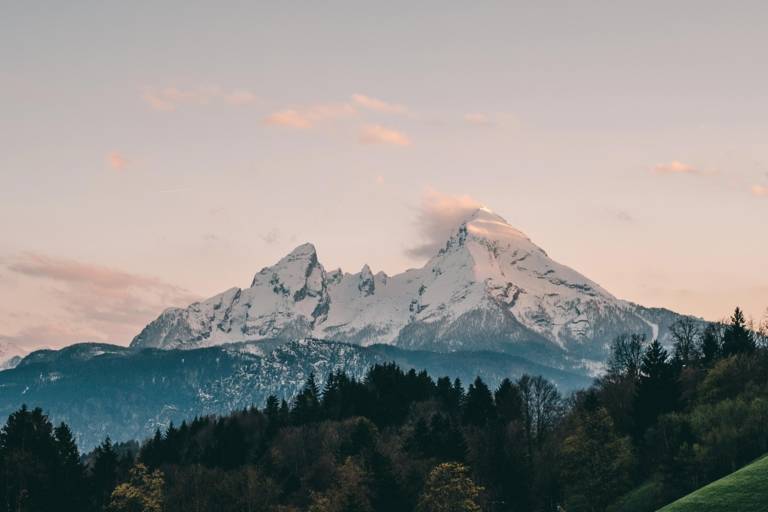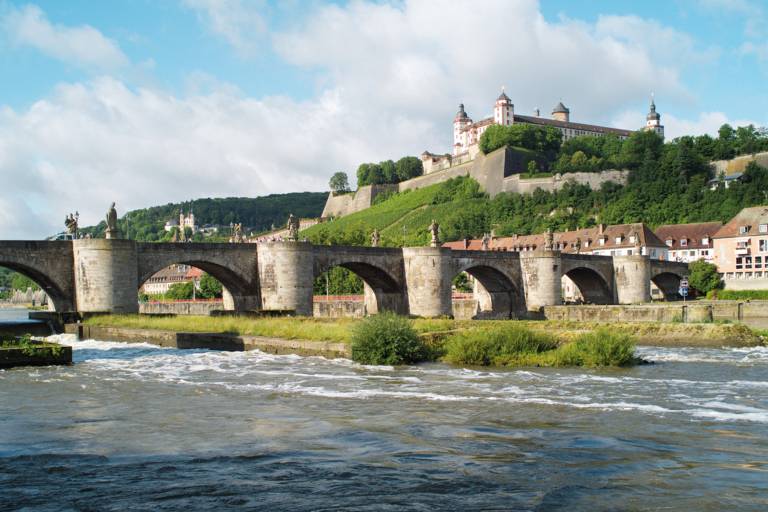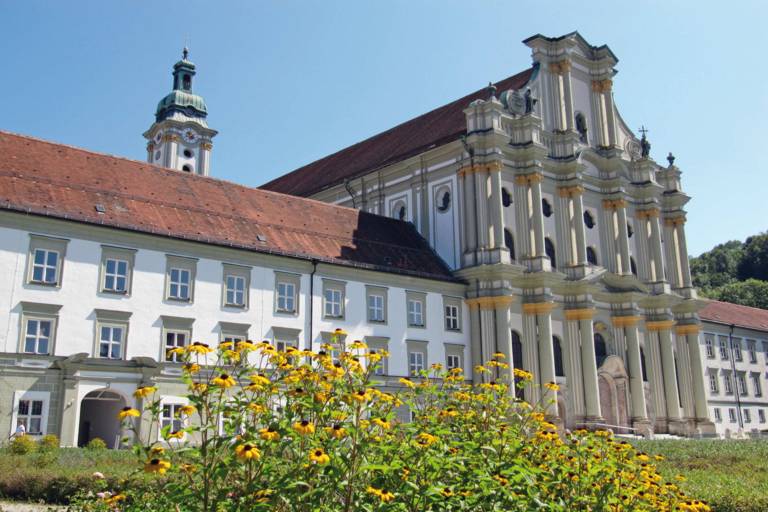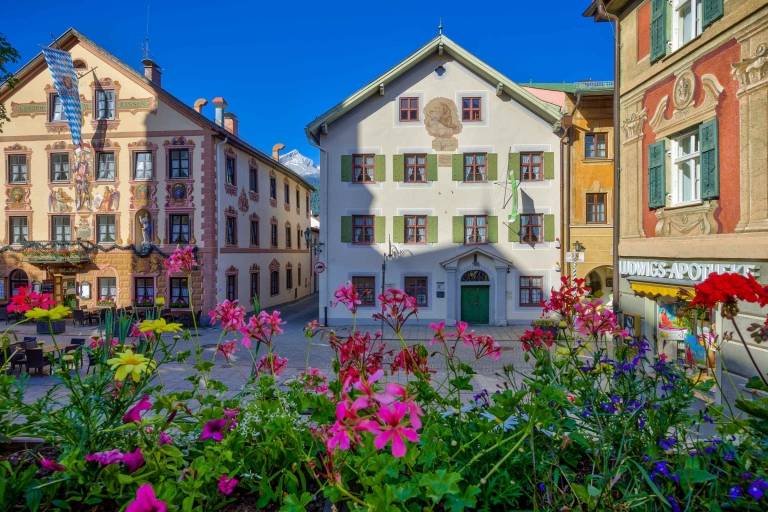
Munich is not just a cosmopolitan city with heart, it's also the heart of Bavaria – and that's exactly what makes the city an ideal starting point for day trips. Whether a fairytale castle, a mediaeval town, an alpine summit or the baroque splendour of neighbouring Austria: in just one to a maximum of three hours, you can reach some of southern Germany's most famous sights from Munich. A place of remembrance also lies close by. Here you'll find an overview of the most important excursion destinations.
- Schloss Neuschwanstein
- Rothenburg ob der Tauber
- Chiemsee
- Zugspitze
- Salzburg
- Dachau
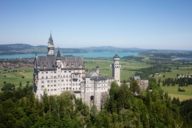
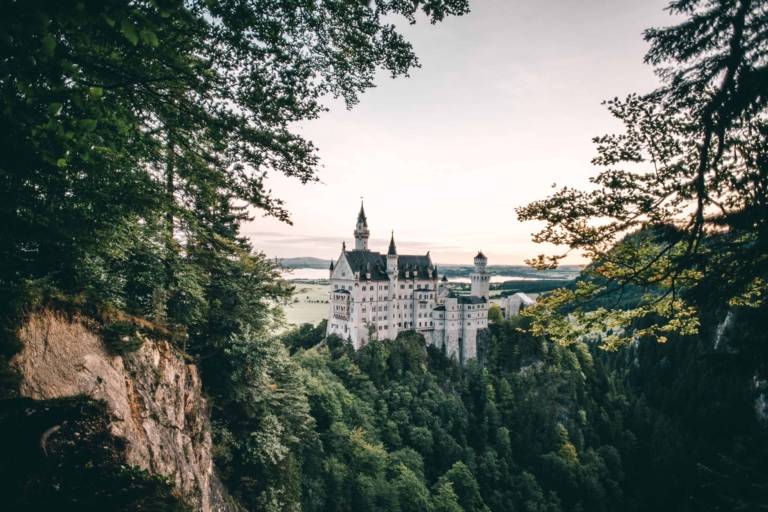
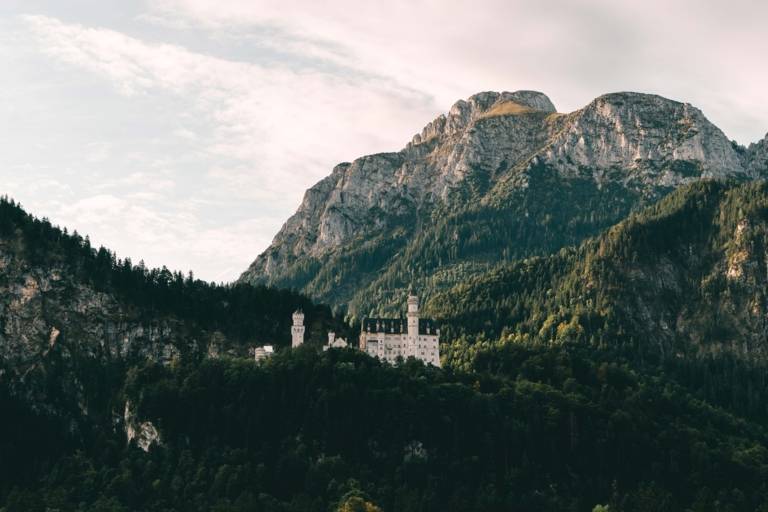
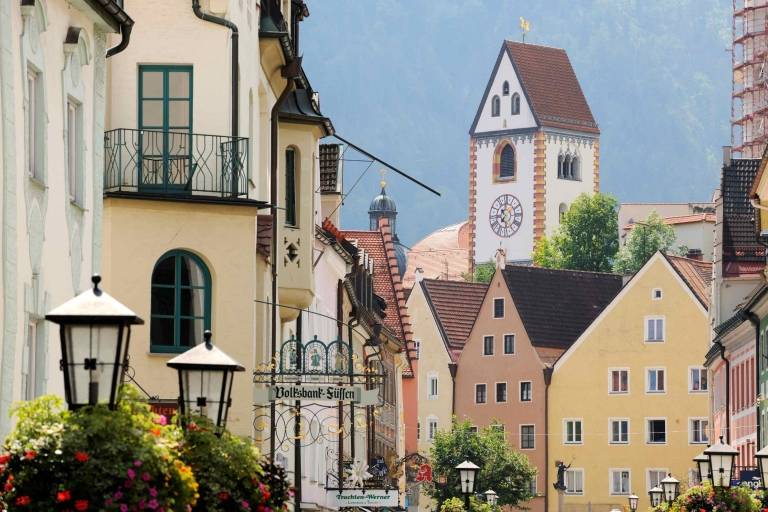
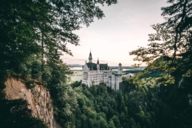
“Hang on, this looks familiar!?” International visitors seeing Schloss Neuschwanstein for the first time are often understandably astonished, as it served as the inspiration for Walt Disney's famous Sleeping Beauty Castle. No other building represents the romantic image of “fairytale Bavaria” quite like Neuschwanstein Castle. High above the Alpsee near Füssen stands the castle that King Ludwig II had built from 1869 onwards as his own personal retreat, inspired by mediaeval knights' castles. The “fairytale king” never completed his life's work: he died in 1886, shortly after the living quarters were finished.
Anyone visiting the castle should also make time for the Marienbrücke, which offers the most famous view of Neuschwanstein. The trip combines wonderfully with a visit to the neighbouring Schloss Hohenschwangau, where Ludwig II spent his childhood.
By car: approx. 1 hour 45 minutes, via the A96 or A95 and B17
By train: regional train to Füssen, then approximately 10 minutes onward by bus (line 73 or 78) to Hohenschwangau
Good to know: The walk from the ticket office to the castle takes around 30 minutes and involves a decent climb. Alternatively, a shuttle bus runs from the car park and stops near the Marienbrücke. It's best to buy tickets online in advance during peak season.
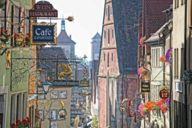
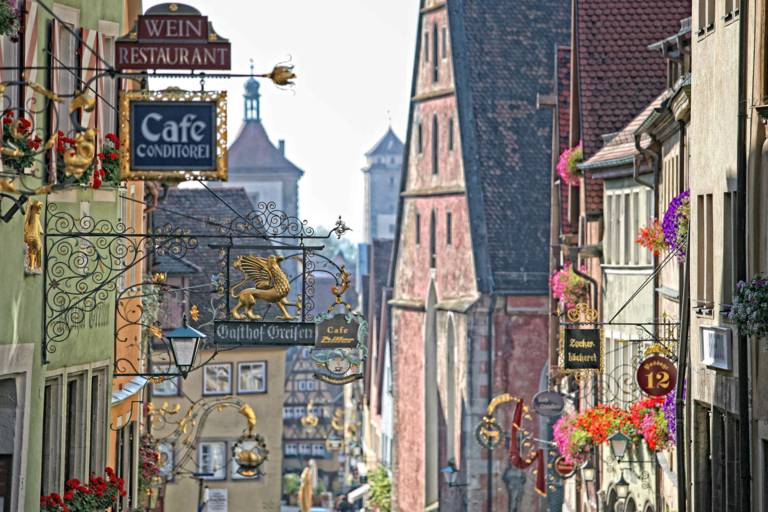
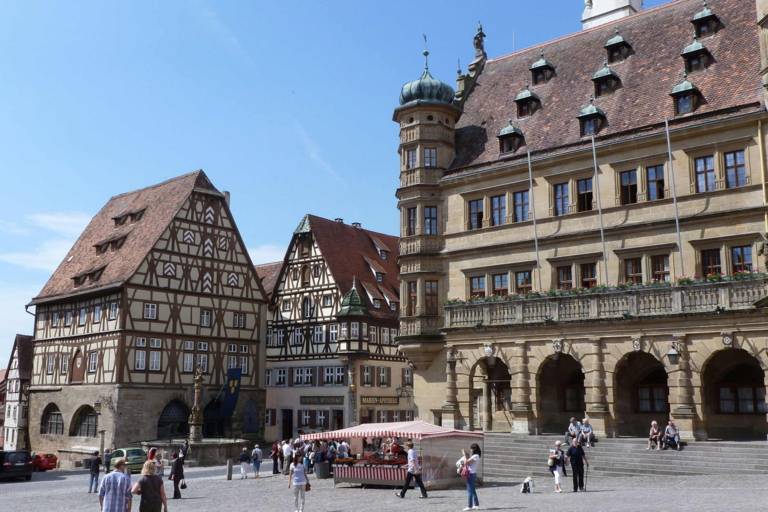
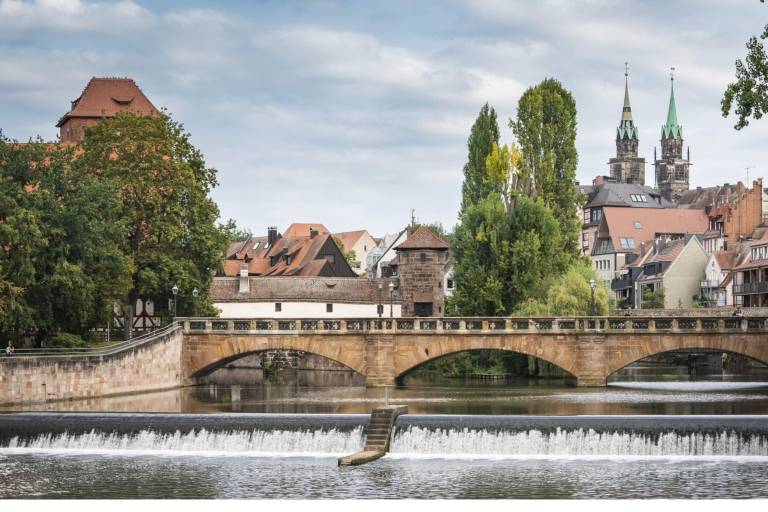
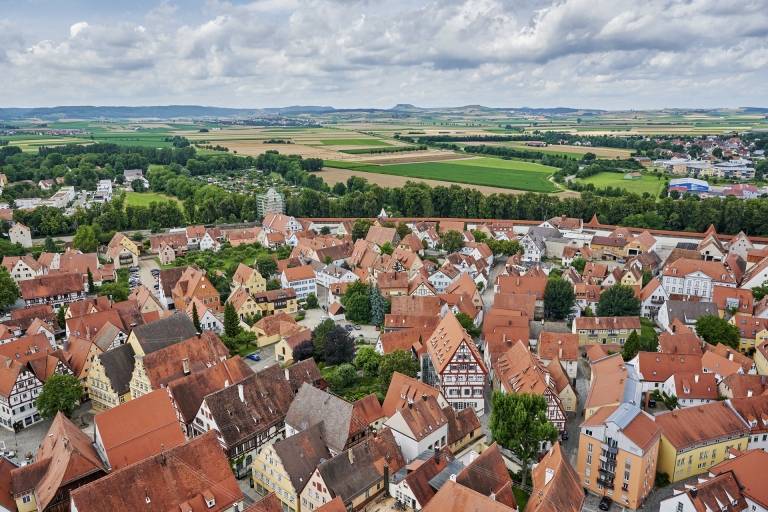
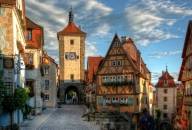
Half-timbered houses, a completely preserved town wall and winding lanes: Rothenburg ob der Tauber is one of Germany's best-preserved mediaeval towns. The town owes its present-day charm, paradoxically, to its economic stagnation: after Rothenburg lost its significance as a trading town, the historic buildings remained largely untouched, as industrialisation never really took hold.
Highlights include the market square with its glockenspiel, St James's Church with the famous Holy Blood Altar by Tilman Riemenschneider, and a walk along the town wall, which offers picturesque views over the rooftops of the old town time and again. The Plönlein, a small ensemble of half-timbered houses and a fountain, is also a popular photo spot. As a stop on the Romantic Road (a popular holiday route), Rothenburg also combines wonderfully with other Franconian sights.
By car: just under 3 hours via the A8 and A7
By train: train journey with at least one change (usually via Treuchtlingen or Steinach) taking around 2.5 to 3 hours
Good to know: You can book a trip from Munich here.
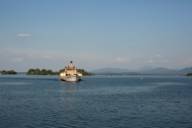
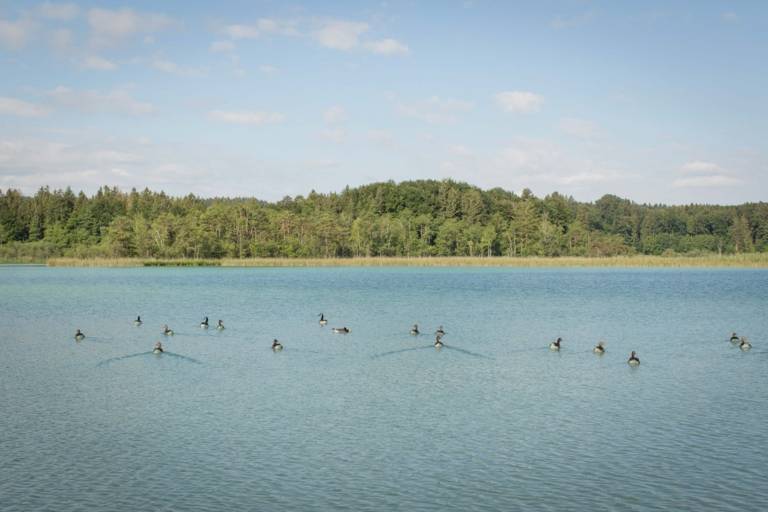
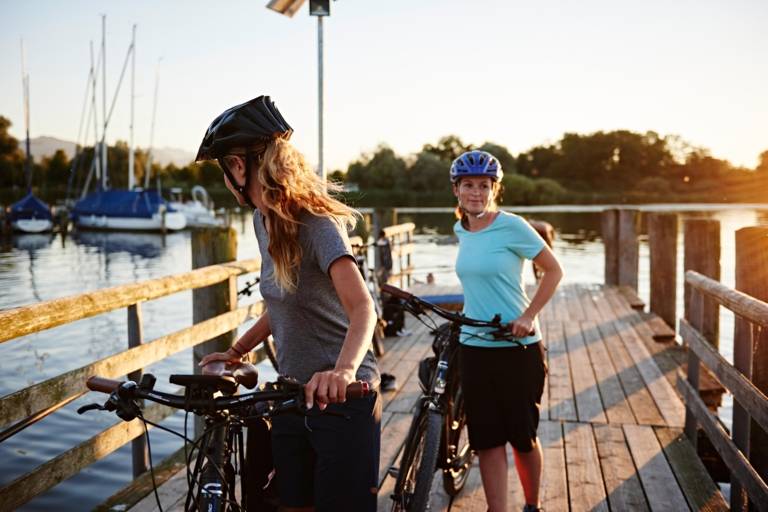
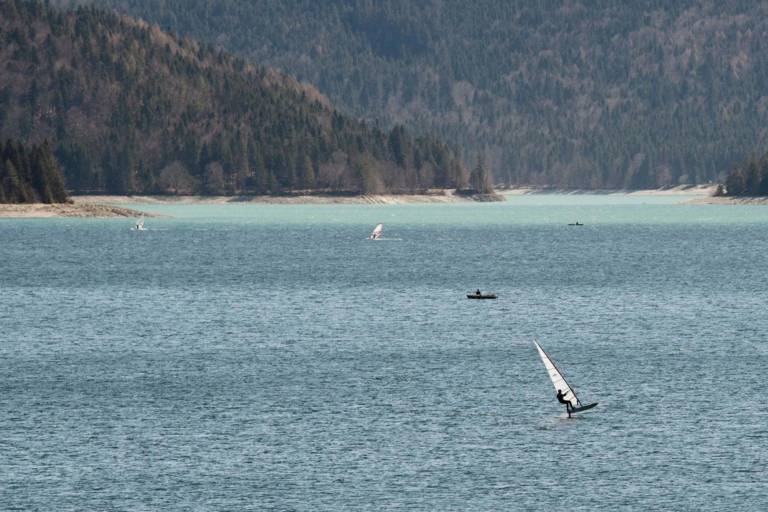
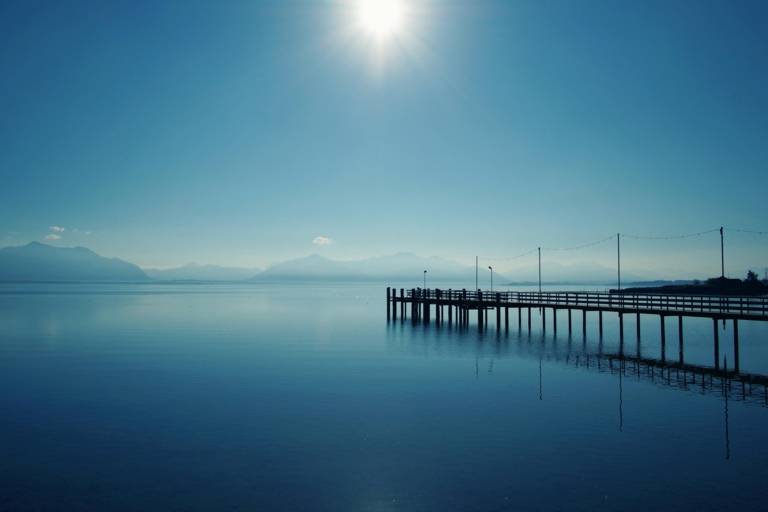
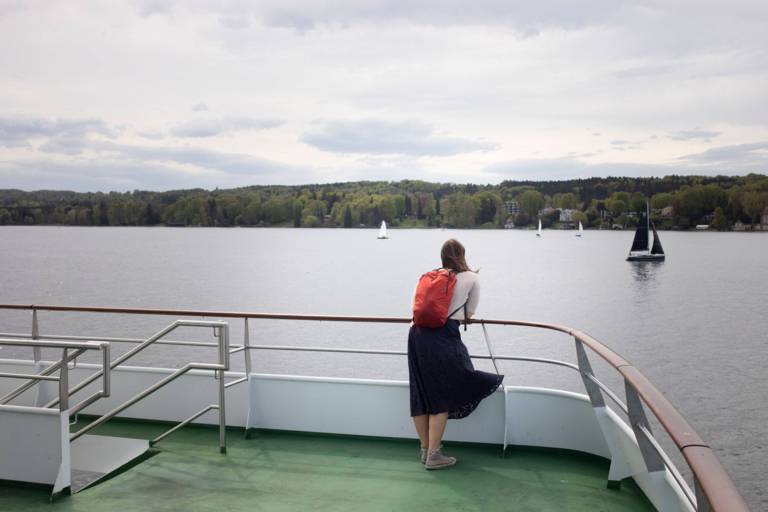
Covering around 80 square kilometres, Chiemsee is the largest lake in Bavaria – no wonder it's popularly known as the “Bavarian Sea”. Its size makes it especially appealing to those with a sporty streak – it's wonderful to experience by SUP, road bike or e-bike, or simply on a walk along the shore.
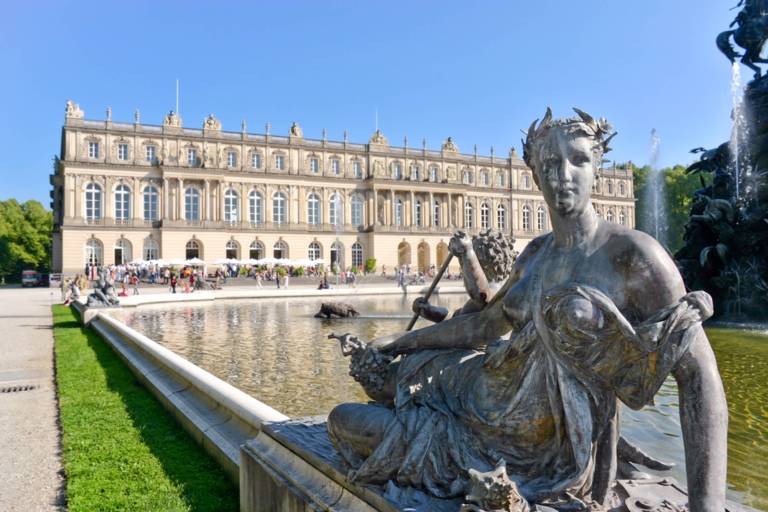
Perhaps the most popular destination lies right in the middle of the lake: Herreninsel with Schloss Herrenchiemsee. King Ludwig II had the palace built from 1878 as a tribute to Versailles: a magnificent building with a hall of mirrors and elaborately designed gardens, which, like his other buildings, remained unfinished. Those after something a little more down-to-earth can visit the neighbouring Fraueninsel, with its centuries-old monastery and small fishermen's cottages.
By car: approx. 1 hour 15 minutes via the A8
By train: just under an hour by regional train to Prien am Chiemsee, then by boat to Herreninsel or Fraueninsel
Good to know: Herrenchiemsee Palace can only be visited as part of a guided tour, and photography is not permitted inside.
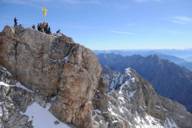
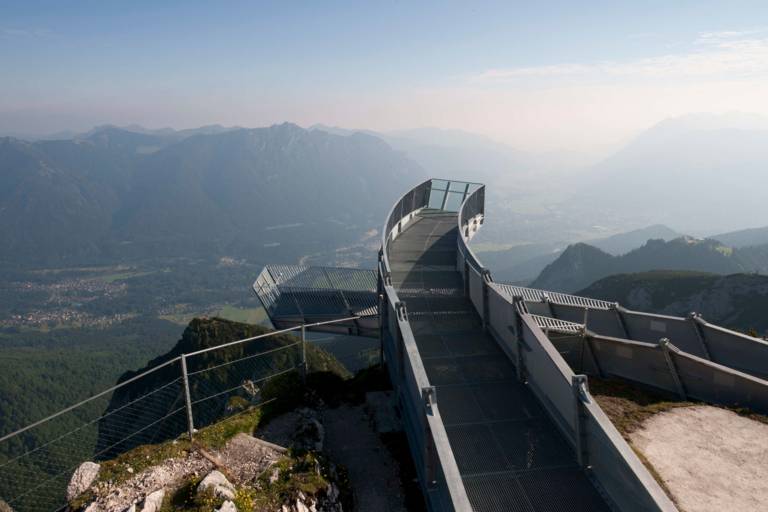
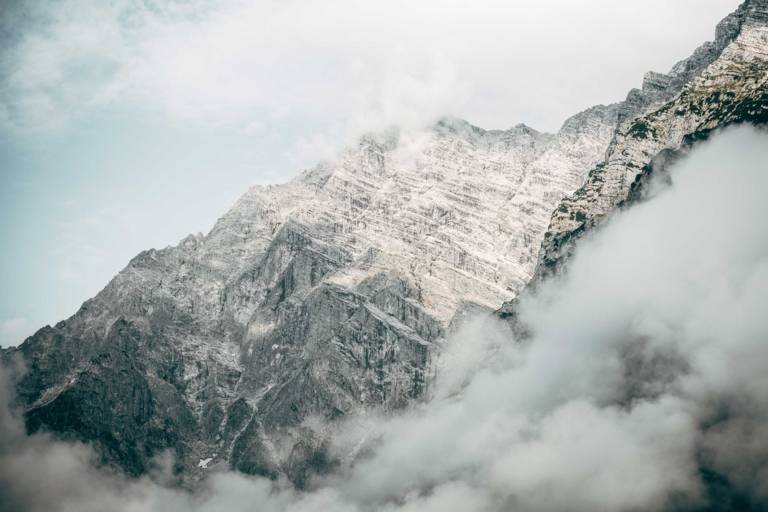
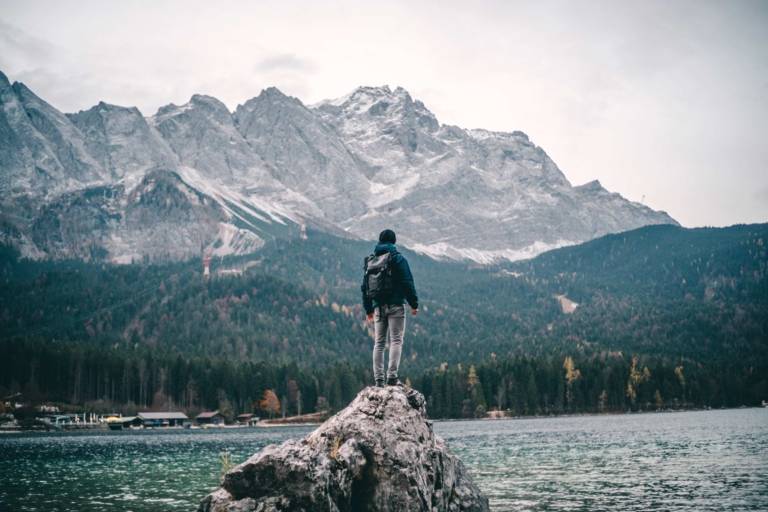
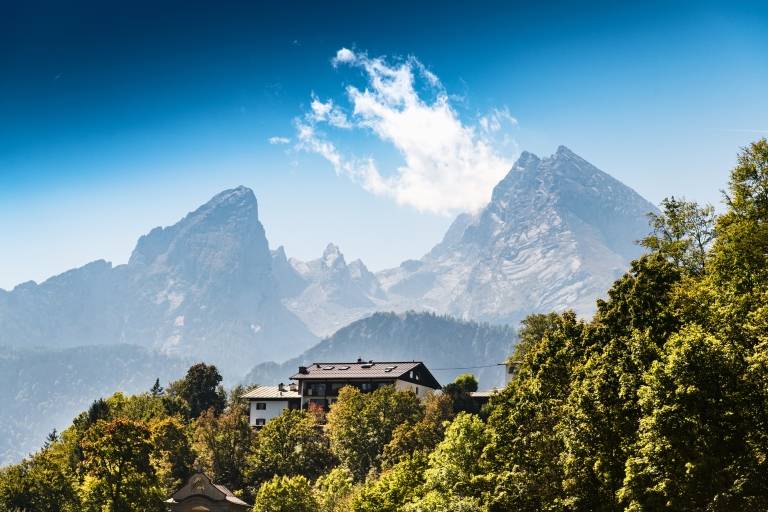
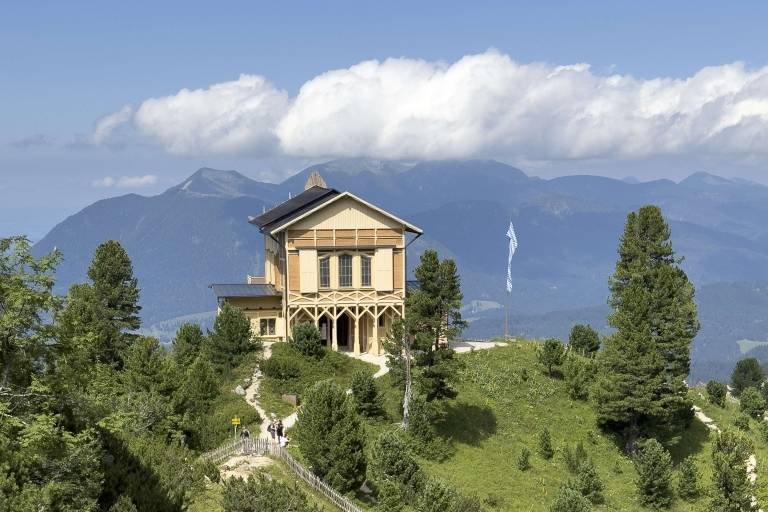
At 2,962 metres, the Zugspitze is Germany's highest mountain. On clear days, the view from the summit stretches across four countries: Germany, Austria, Switzerland and Italy. The summit can be reached comfortably via the Bavarian Zugspitze Railway, which runs from Garmisch-Partenkirchen first through the valley and then up to the summit by cable car. Only experienced alpinists should attempt to climb the mountain on foot, which is possible via various routes of differing difficulty.
Once at the top, visitors will find viewing platforms, places to eat and drink and – depending on the season – even patches of snow in the middle of summer.
Eibsee (lake), at the foot of the massif, is also well worth a stop. Its clear, turquoise water and small islands make you feel as though you're somewhere else entirely – the Maldives, perhaps – rather than in the middle of Europe.
By car: just under 2 hours via the A95
By train: 1 to 1.5 hours to Garmisch-Partenkirchen, then onward by rack railway or cable car
Good to know: Pack warm clothing, as it's noticeably cooler at the summit than in Munich, even in summer.
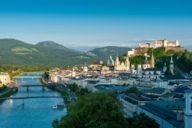
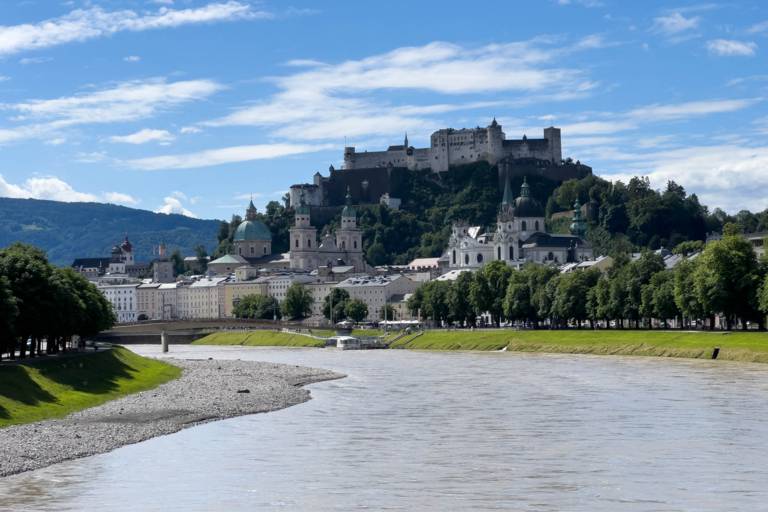
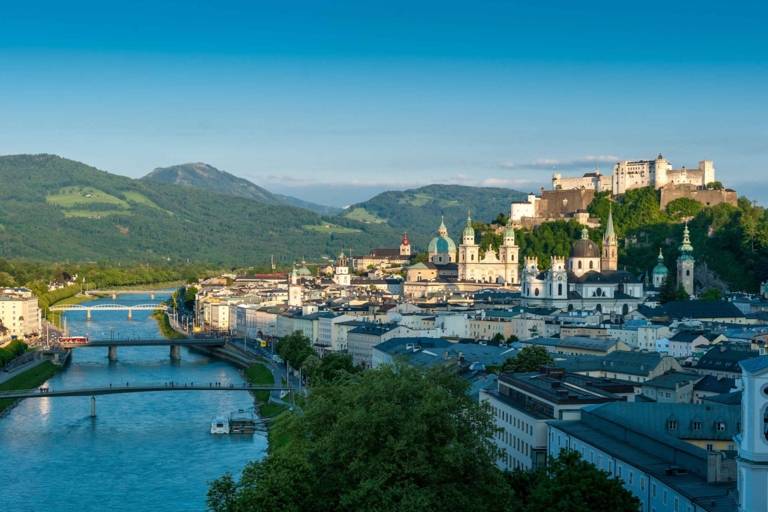
Although the city lies in Austria, it's a classic day-trip destination from Munich. The birthplace of composer Wolfgang Amadeus Mozart offers enchanting lanes in a baroque old town that forms part of the UNESCO World Heritage Site. It's also worth climbing up to the mighty Hohensalzburg Fortress, which towers above the rooftops.
A stroll through Getreidegasse, past Mozart's birthplace, a view over the city and the Alps from the fortress, and a visit to the settings of “The Sound of Music” – above all Mirabell Palace with its gardens – are among the classic highlights of a visit to Salzburg. You should therefore allow at least a full day.
By car: approx. 2 hours via the A8
By train: around 1.5 hours by train
Good to know: The Salzburg Card combines free admission to many sights with the use of public transport.
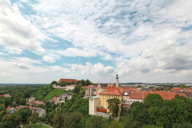
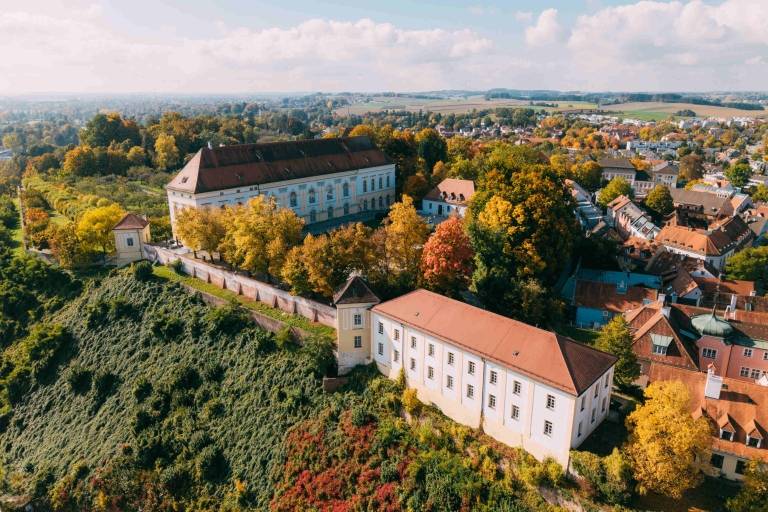
Today's county town is one of the oldest towns in Bavaria, with a history stretching back over 1,200 years – it was first documented as early as 805. Overlooking the old town is Dachau Palace, once a summer residence of the Wittelsbachs, whose surviving banqueting hall wing impresses with its Renaissance coffered ceiling. On a clear day, the view from the palace gardens stretches as far as Munich and on to the Alps.
Towards the end of the 19th century, Dachau became one of the most important centres of plein-air painting in Europe: the distinctive light over the Dachau Moor attracted artists such as Adolf Hölzel, Ludwig Dill and Carl Spitzweg. Wandering today through the cobbled lanes of the old town, you'll still find artists' studios, as well as the picture gallery that keeps this era alive.
Dachau, however, is also inseparably linked to one of the darkest chapters of German history. In 1933, the Nazis established the first official concentration camp of the Nazi regime here, which existed until 1945 and served as a model for later camps. Tens of thousands of people were interned, mistreated and murdered here.
The Dachau Concentration Camp Memorial Site, established on the site of the historic camp, documents this history comprehensively: the permanent exhibition, surviving buildings such as the crematorium, and several memorials invite quiet, respectful reflection on what took place there. A visit is not a conventional sightseeing trip, but an important place of remembrance and learning that carries particular significance for anyone visiting Munich, given its proximity.
By car: approx. 45 minutes via the B304
By train: S-Bahn line S2 to Dachau station (approx. 20 minutes), then directly to the memorial site by bus (line 726)
Good to know: Admission to the concentration camp memorial site is free. At least two to three hours should be allowed for an appropriate visit.