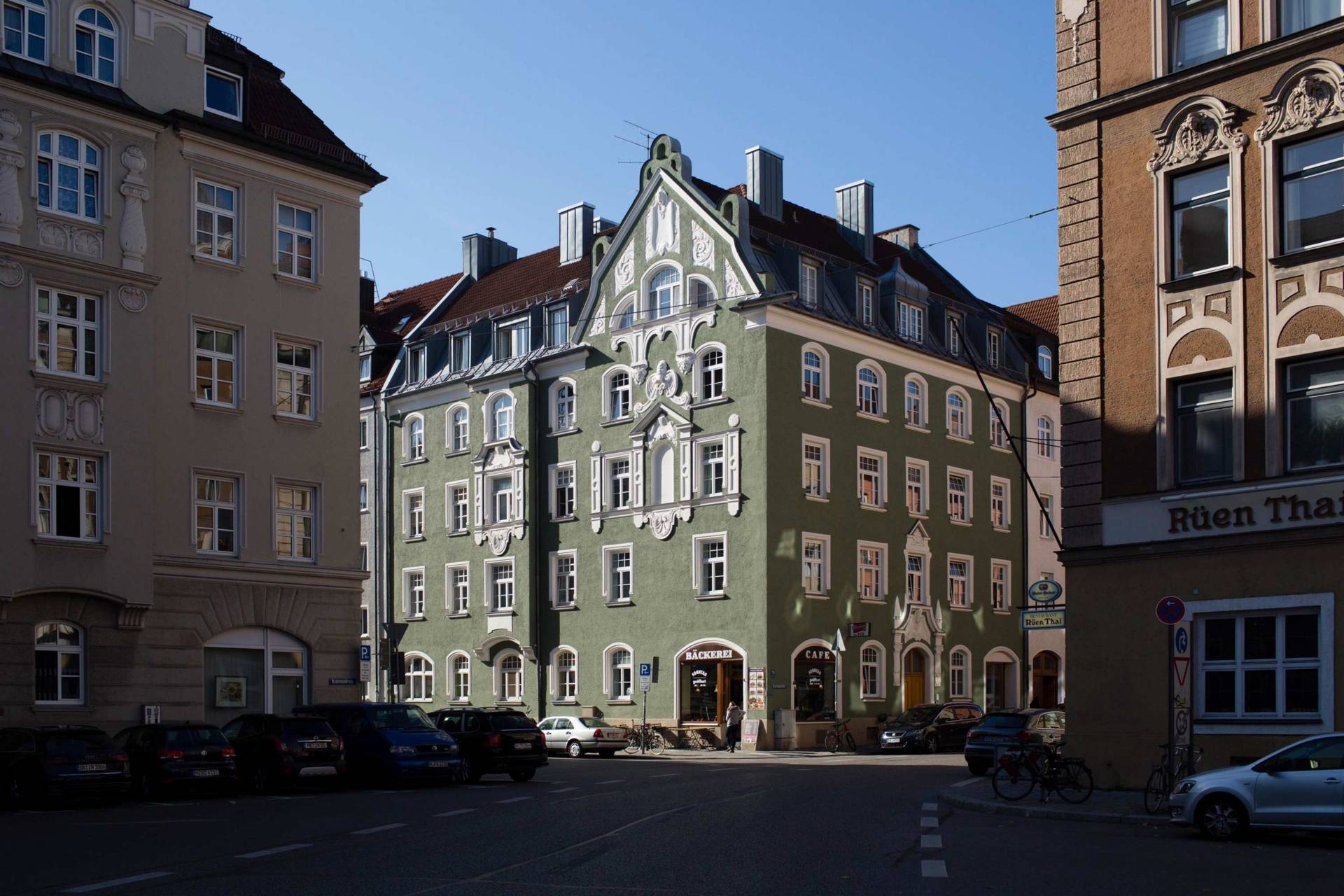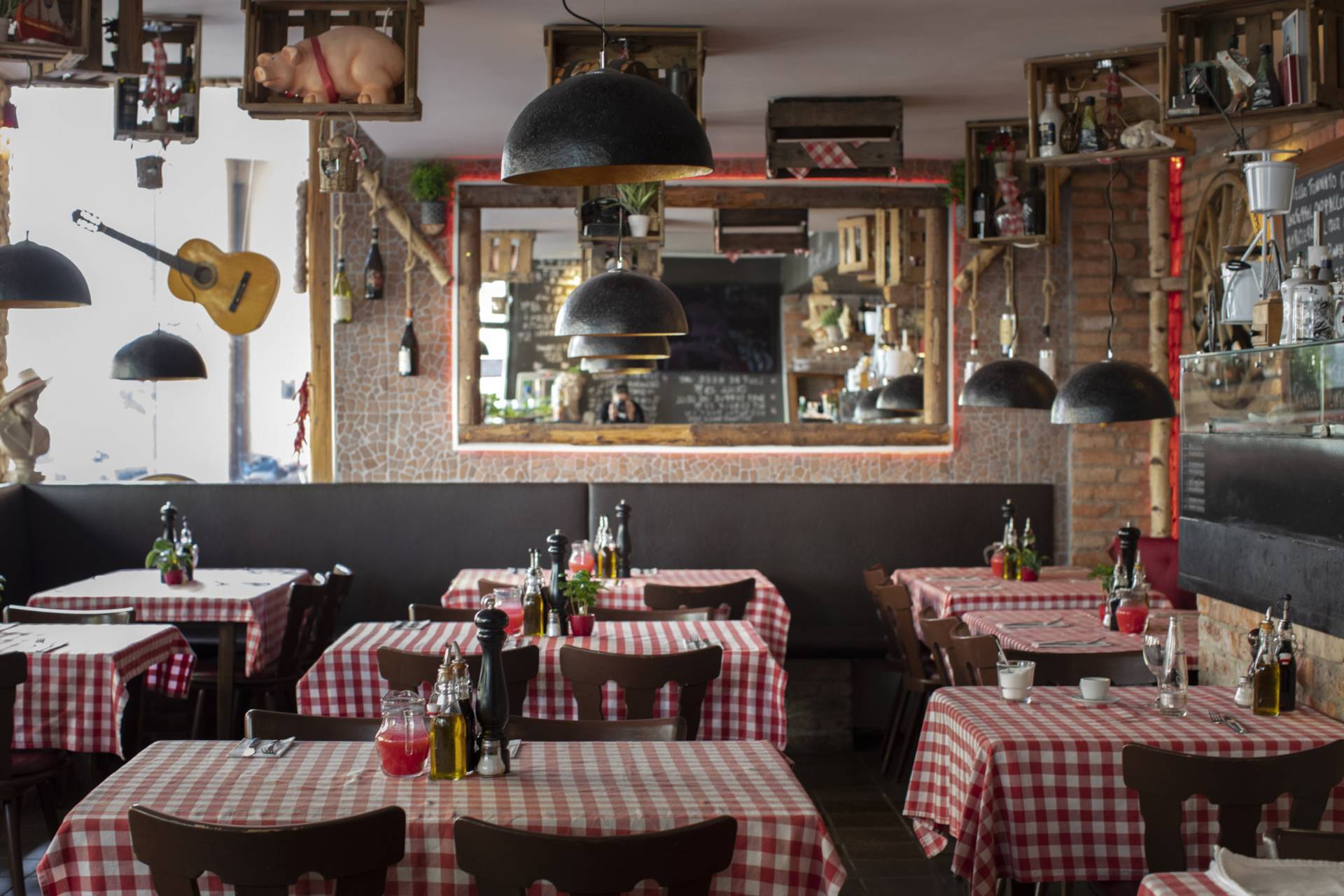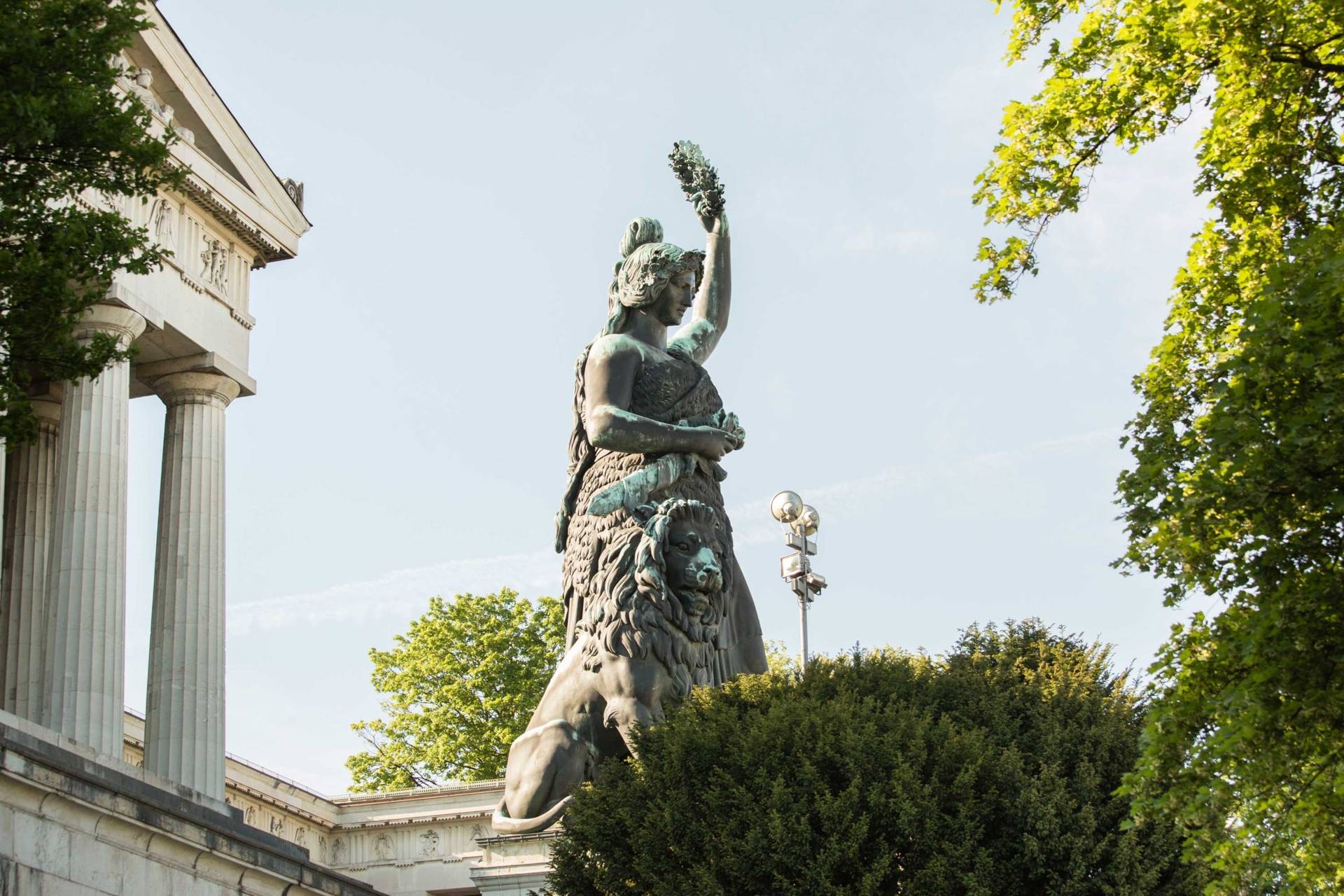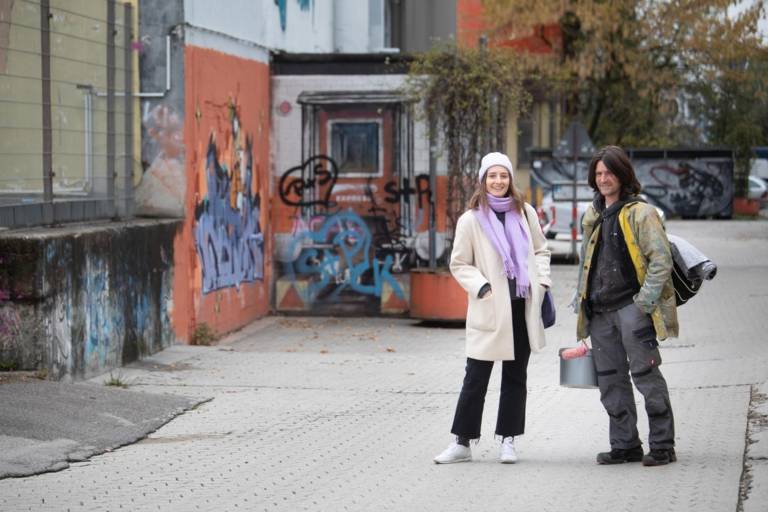
No visit to Munich would be complete without venturing into one of its vibrant neighbourhoods. To help you decide where to head, here is a brief overview of our much-loved local love districts.
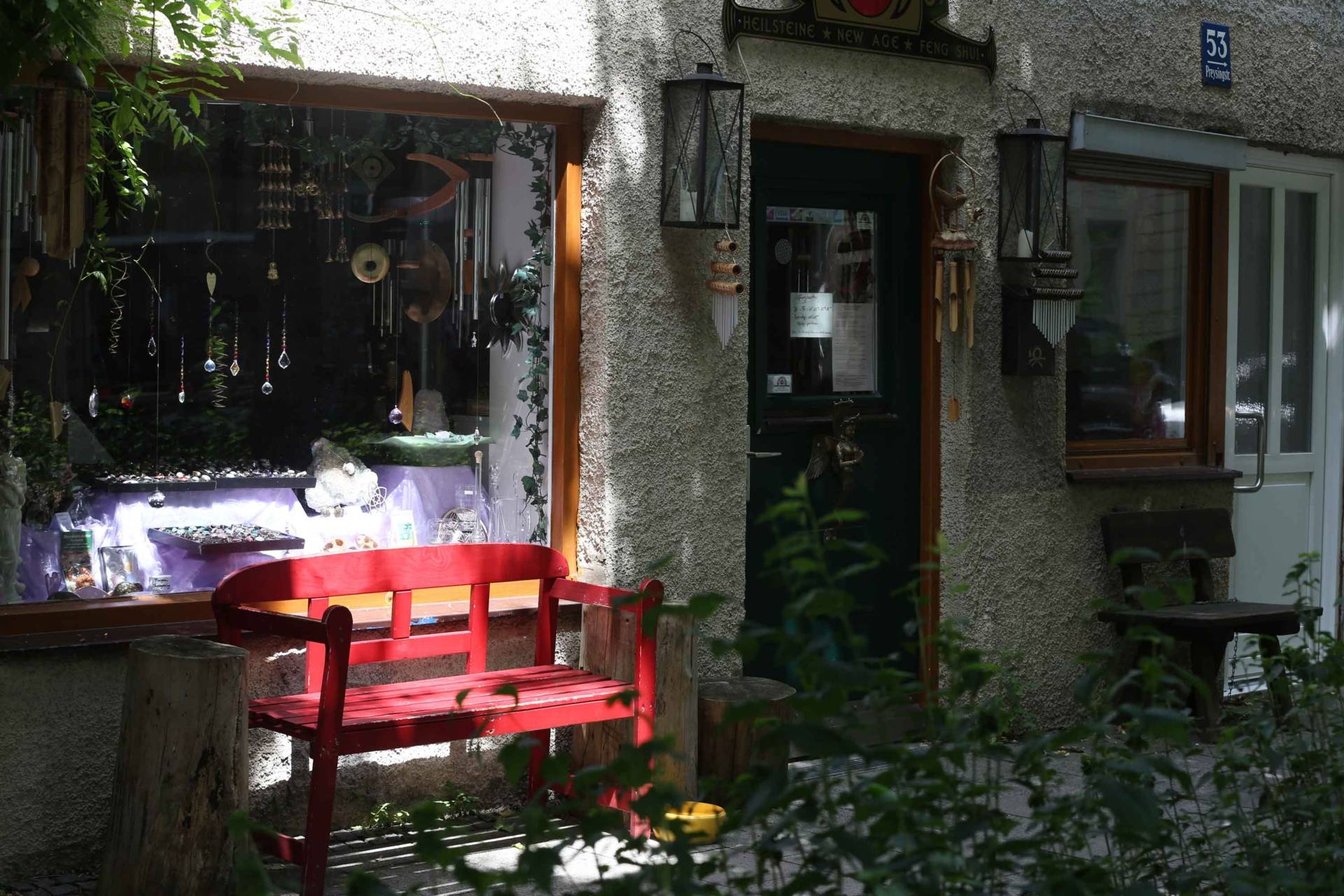
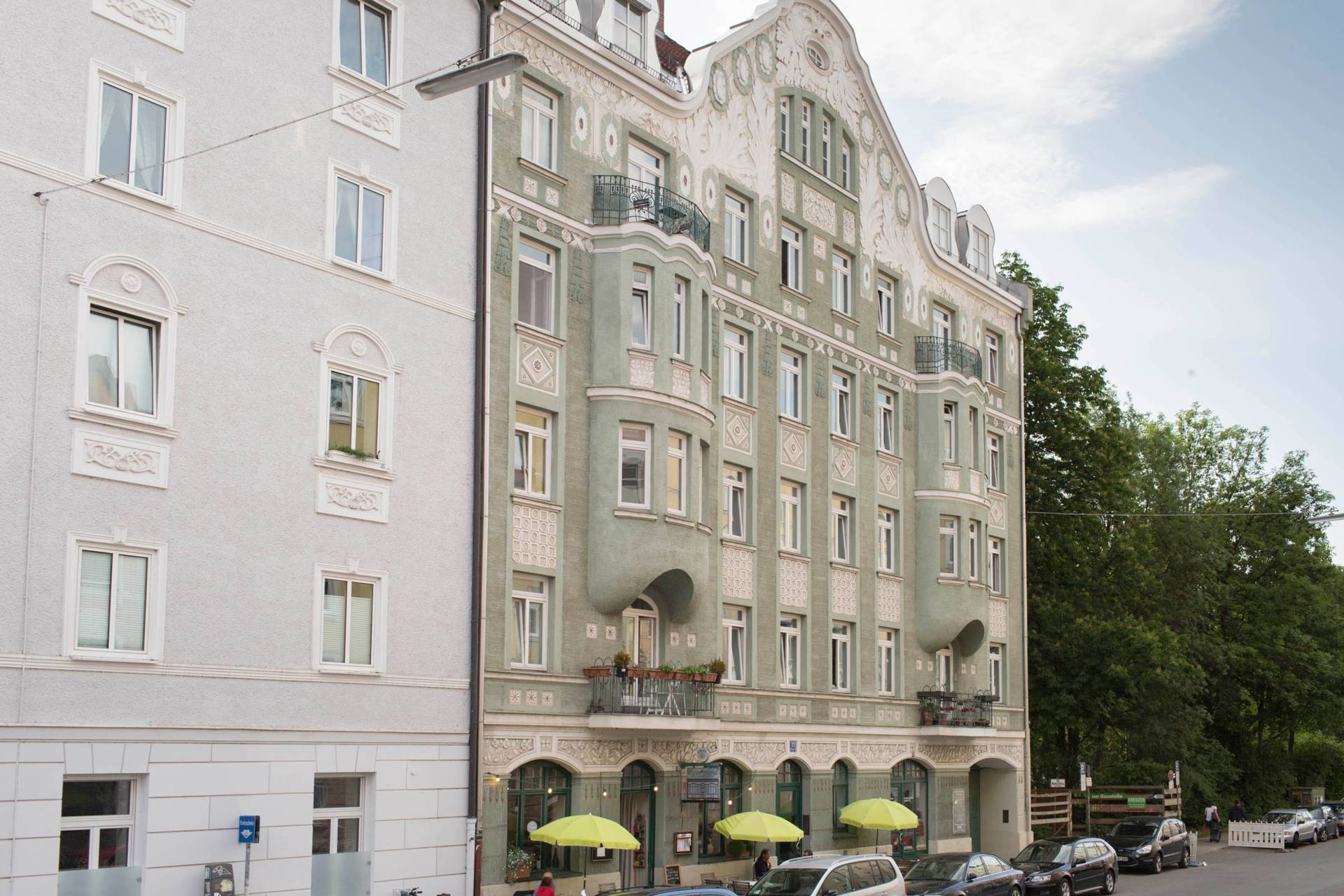
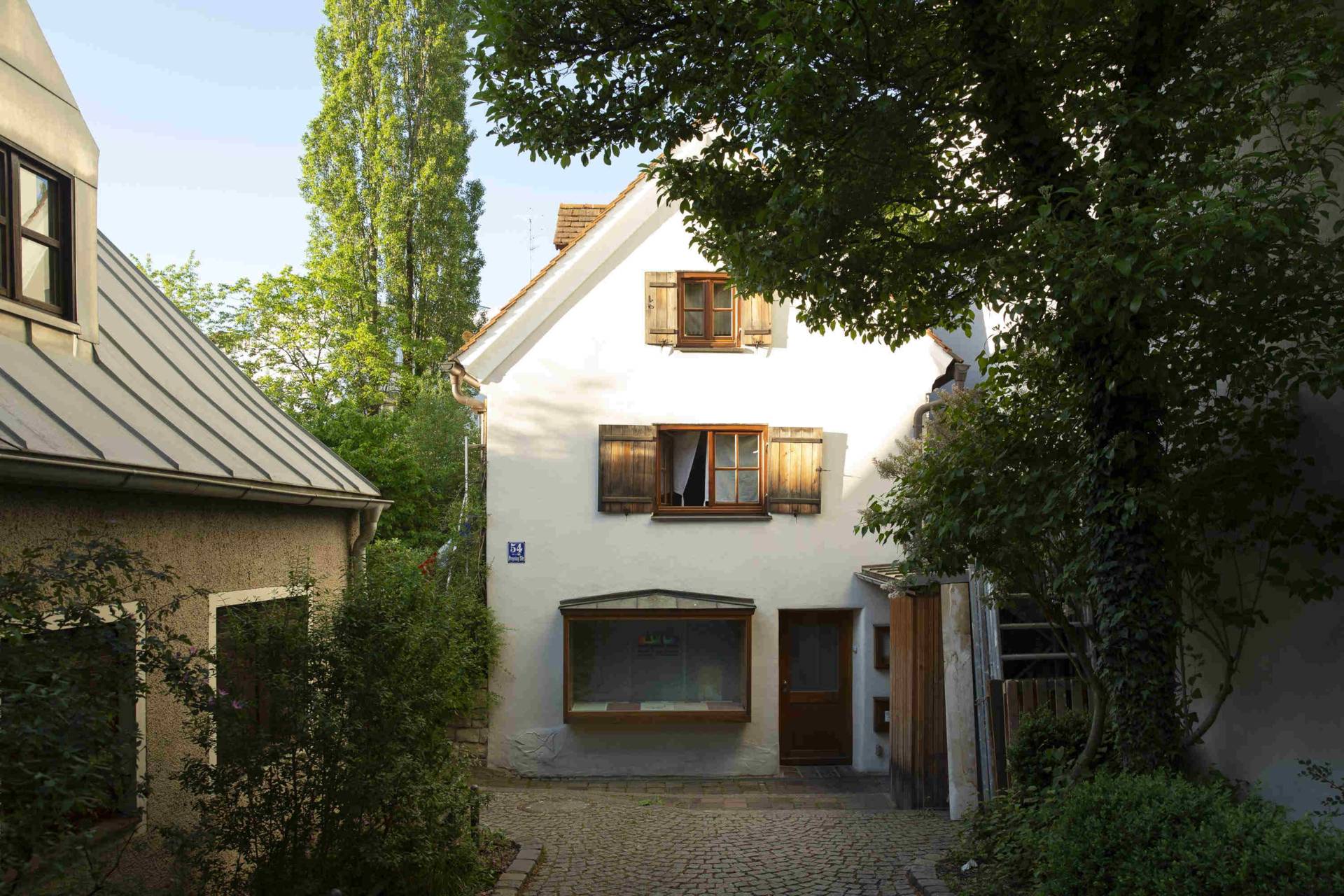
First mentioned in records in 808, Haidhausen is considerably older than Münchner Altstadt. It was here that the bricks for the Frauenkirche were once fired. The small lodging houses of day labourers have been preserved around Wiener Platz and along Preysingstraße. Small artisan businesses, charming cafés and leafy courtyards give the area a pleasantly village-like atmosphere today.
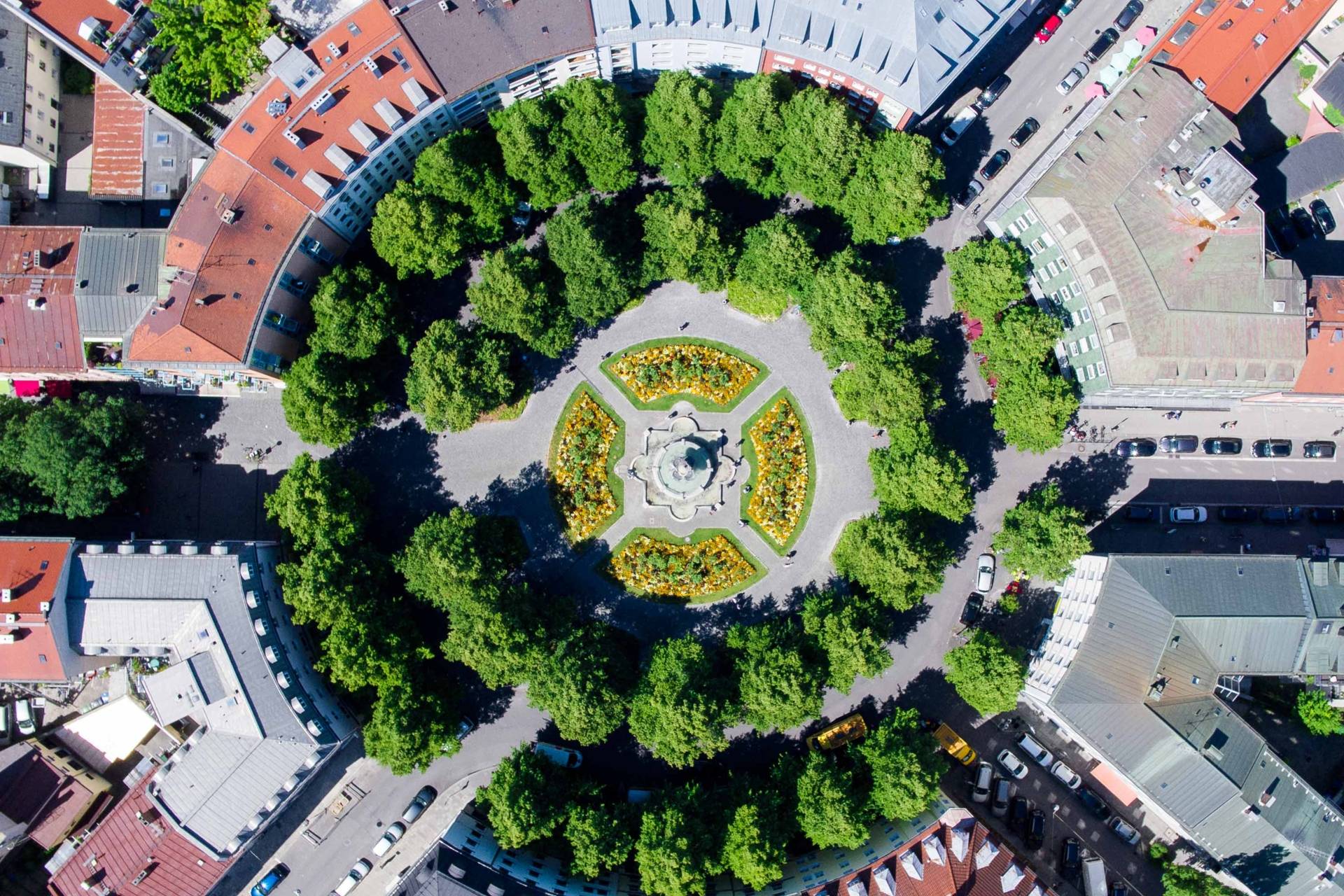
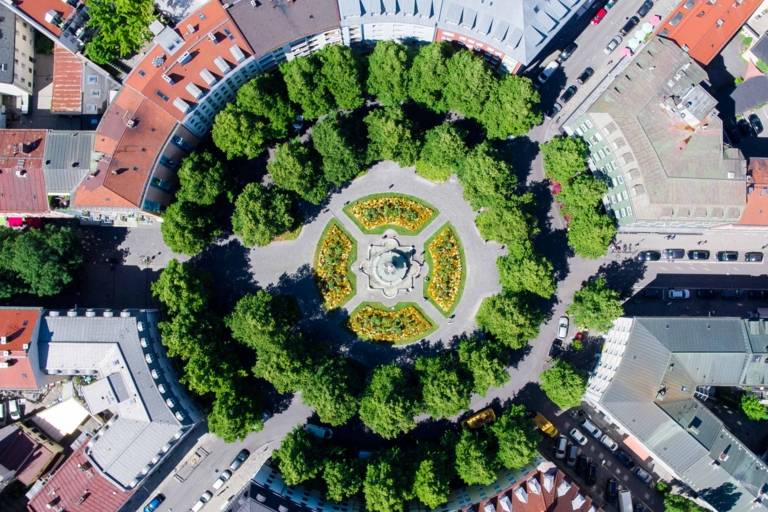
In the so-called Franzosenviertel, the streets bear the names of French cities, and the green spaces at Bordeauxplatz and Weißenburger Platz were laid out in the French style. The first beer gardens grew up on the high banks of the Isar, above the beer cellars. Of these historic cellar beer gardens, the Hofbräukeller at Wiener Platz survives to this day. A walk along the Isar is also well worth the effort – past the Müller‘sches Volksbad and the Muffatwerk, and on across the Mauersteg footbridge. In the neighbouring district of Au, the traditional Munich fair known as the Auer Dult takes place three times a year.
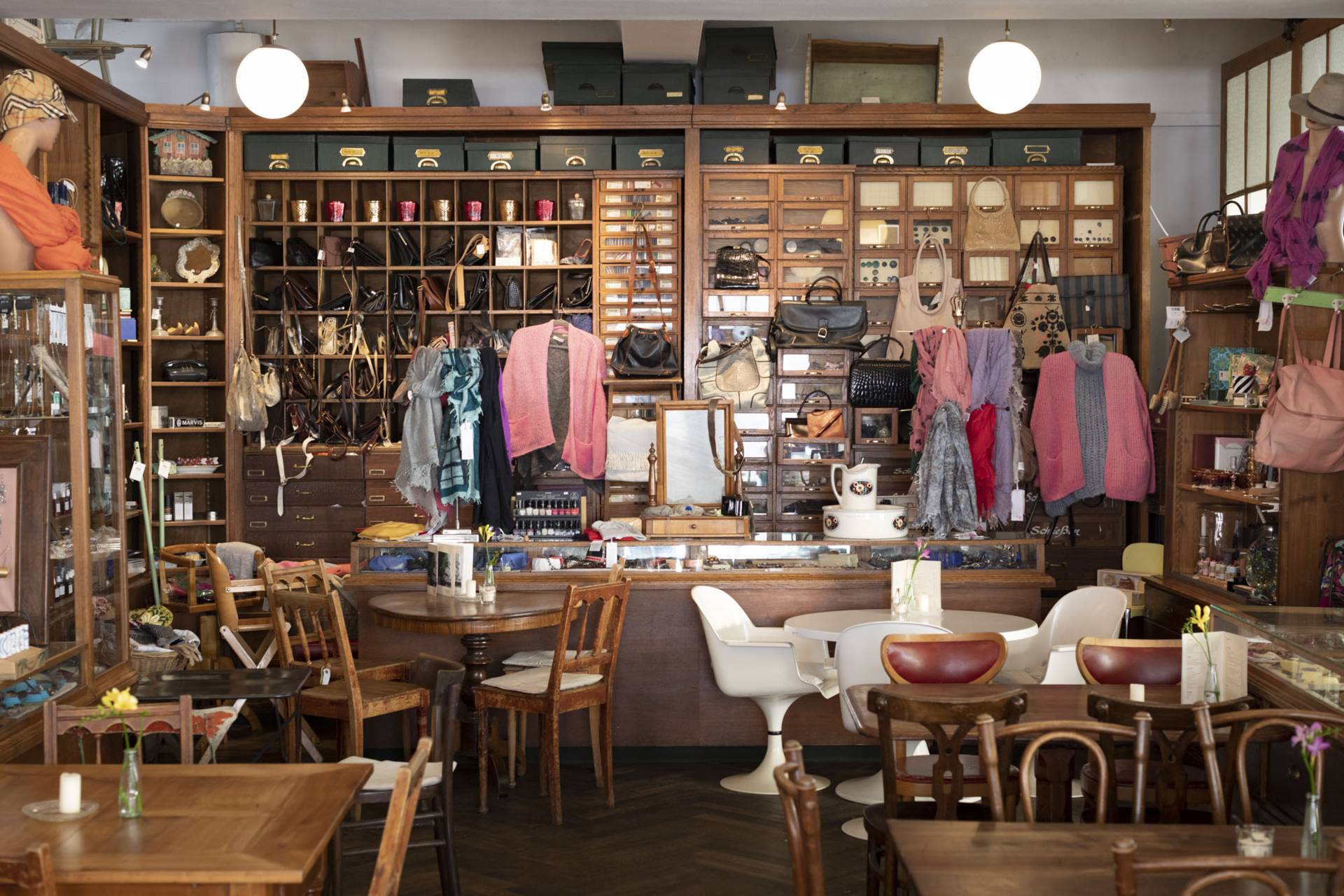
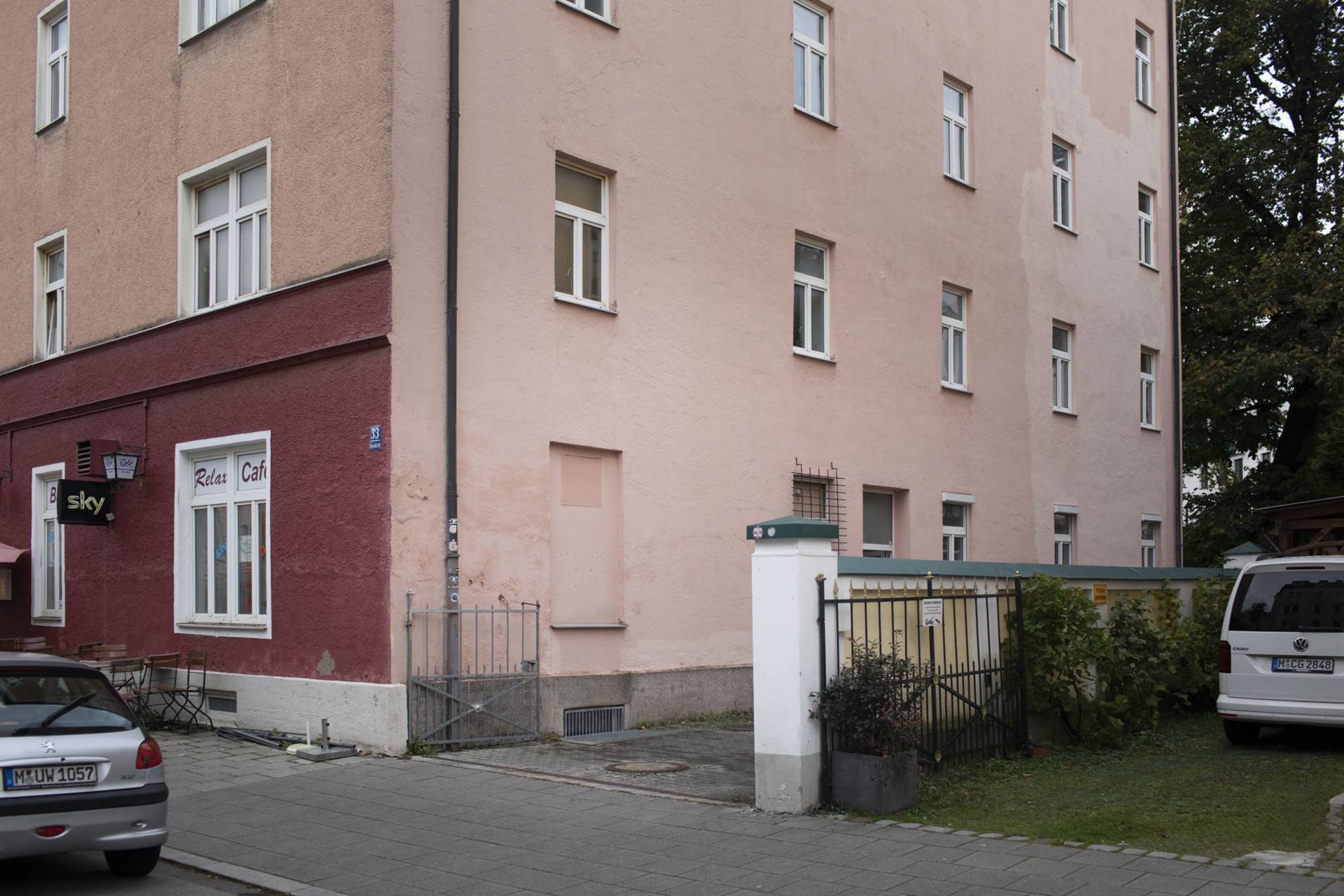
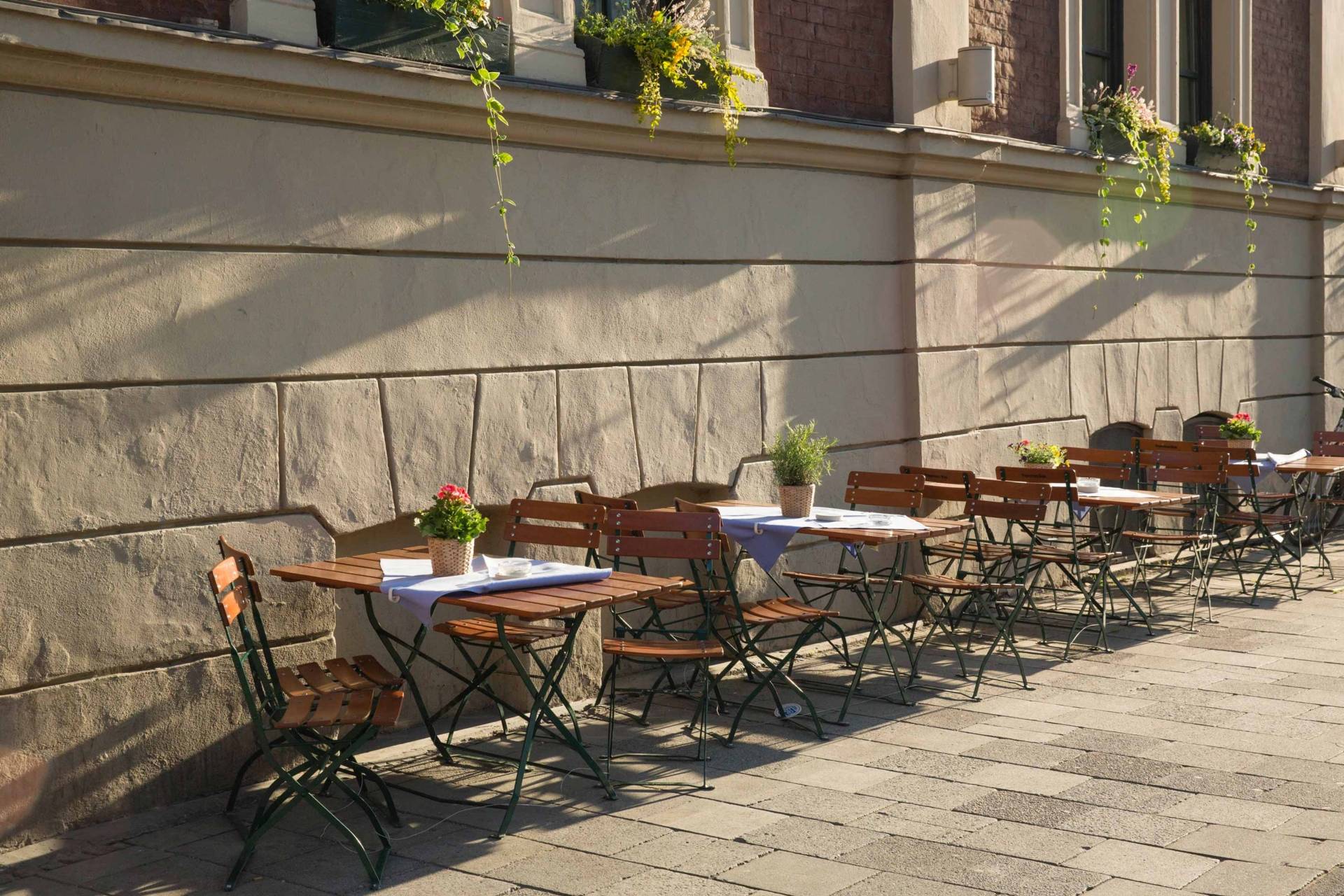
Haidhausen is a quiet residential neighbourhood with an alternative edge. Those who live here share a strong sense of community. You won't find much in the way of flashy fashion, but you will find Munich residents who care deeply about quality and sustainability. People love meeting at the corner café, the local pub, or while shopping in one of the many small, owner-run shops the neighbourhood has to offer.
Preysingstraße with its lodging houses and the Kriechbaumhof, Wiener Platz with its market, the Hofbräukeller with beer garden, and the Müller'sches Volksbad.
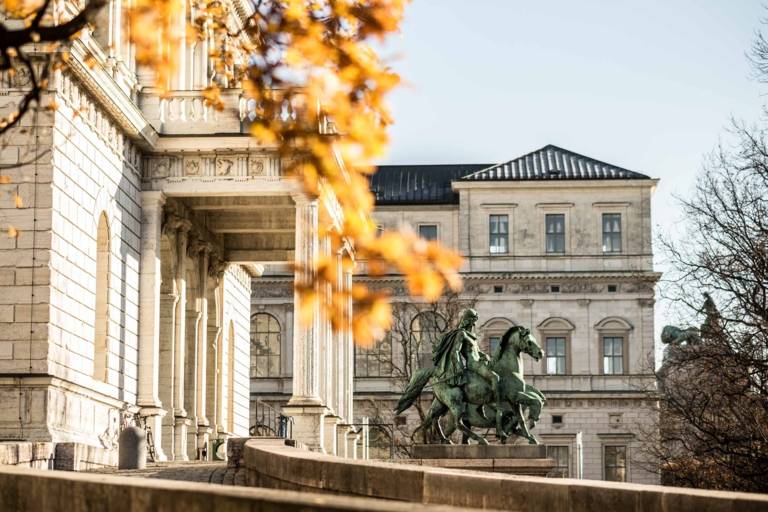
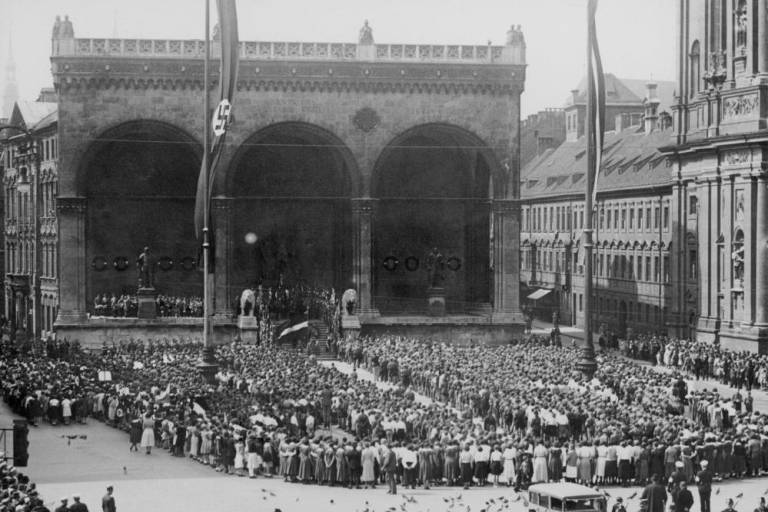
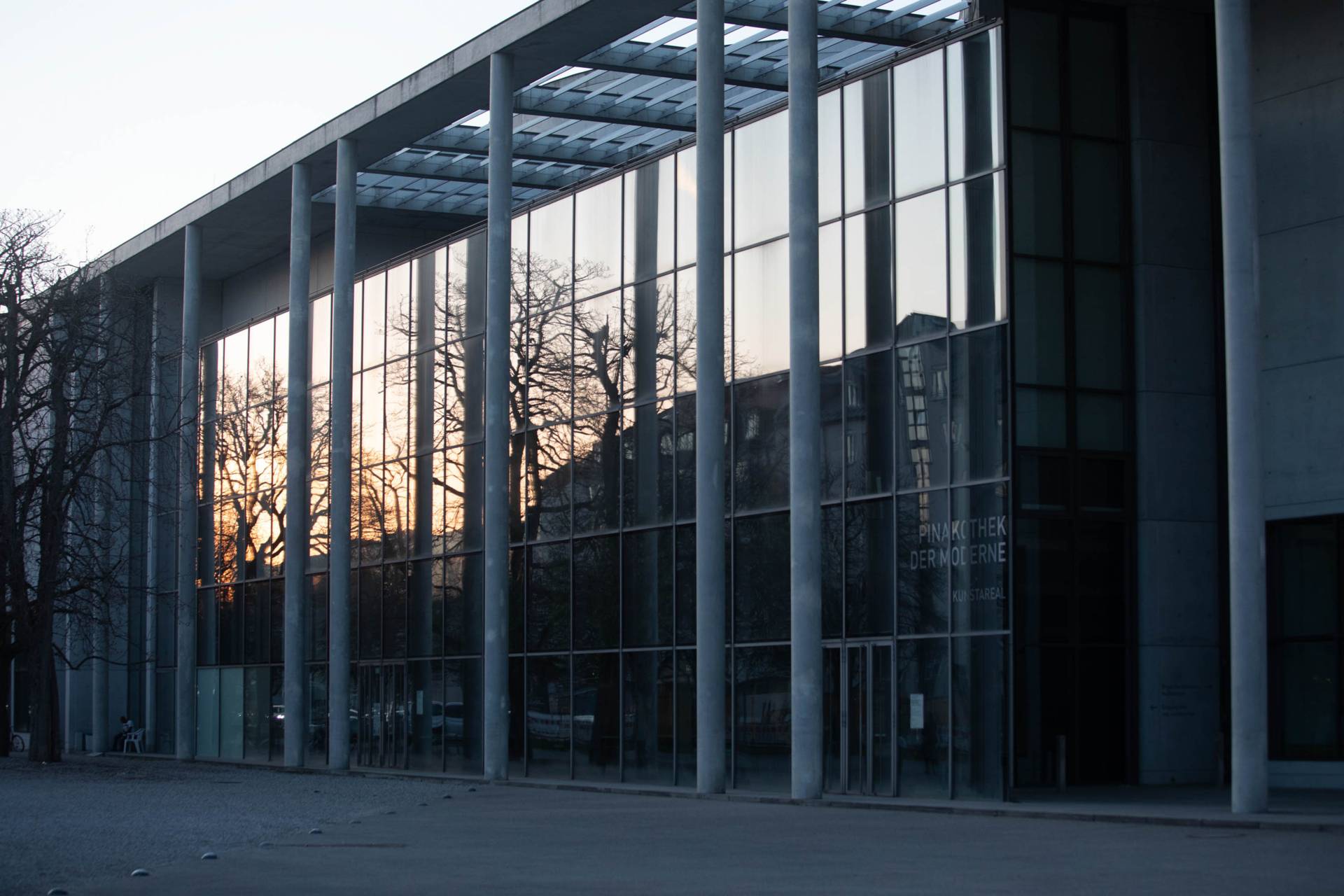
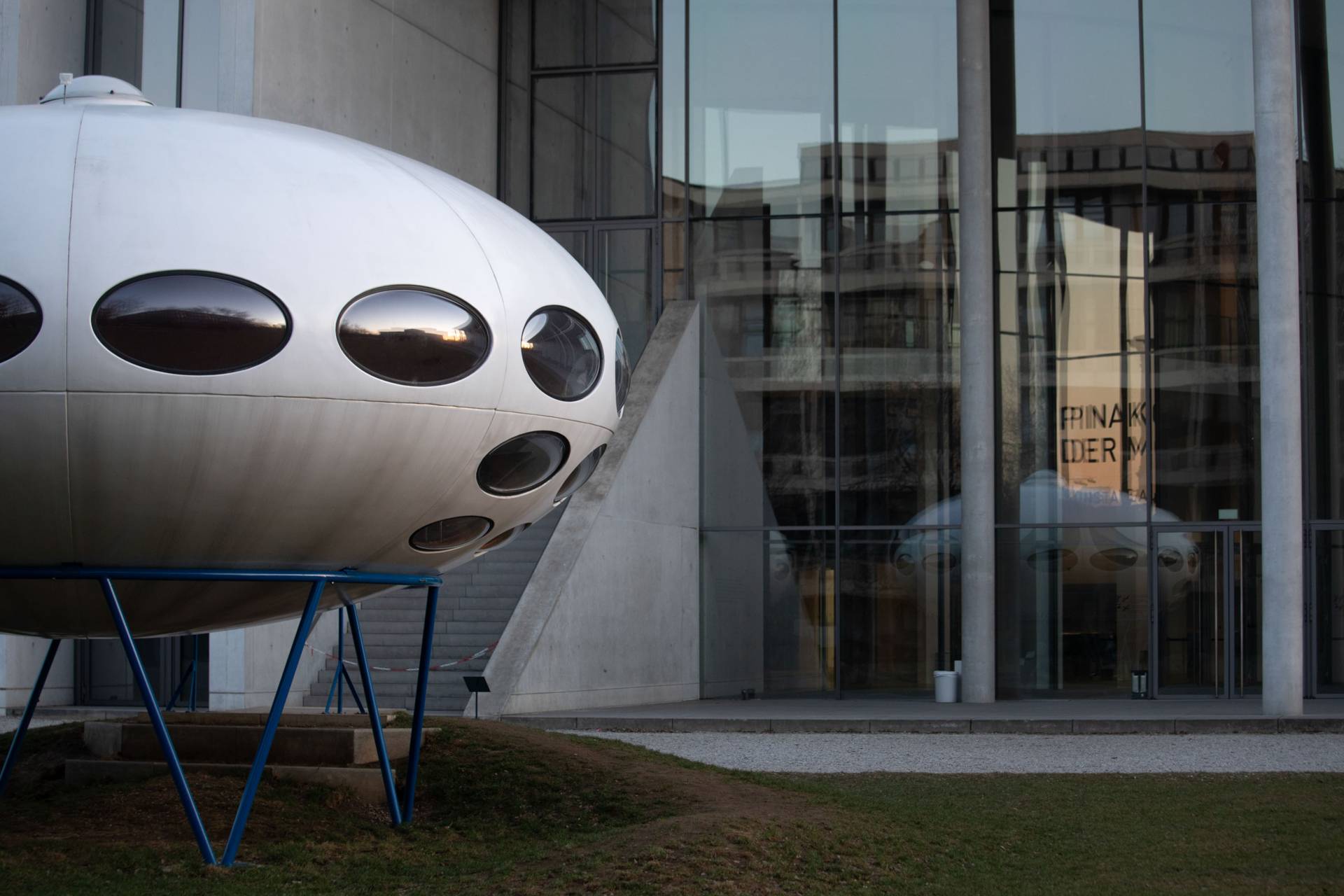
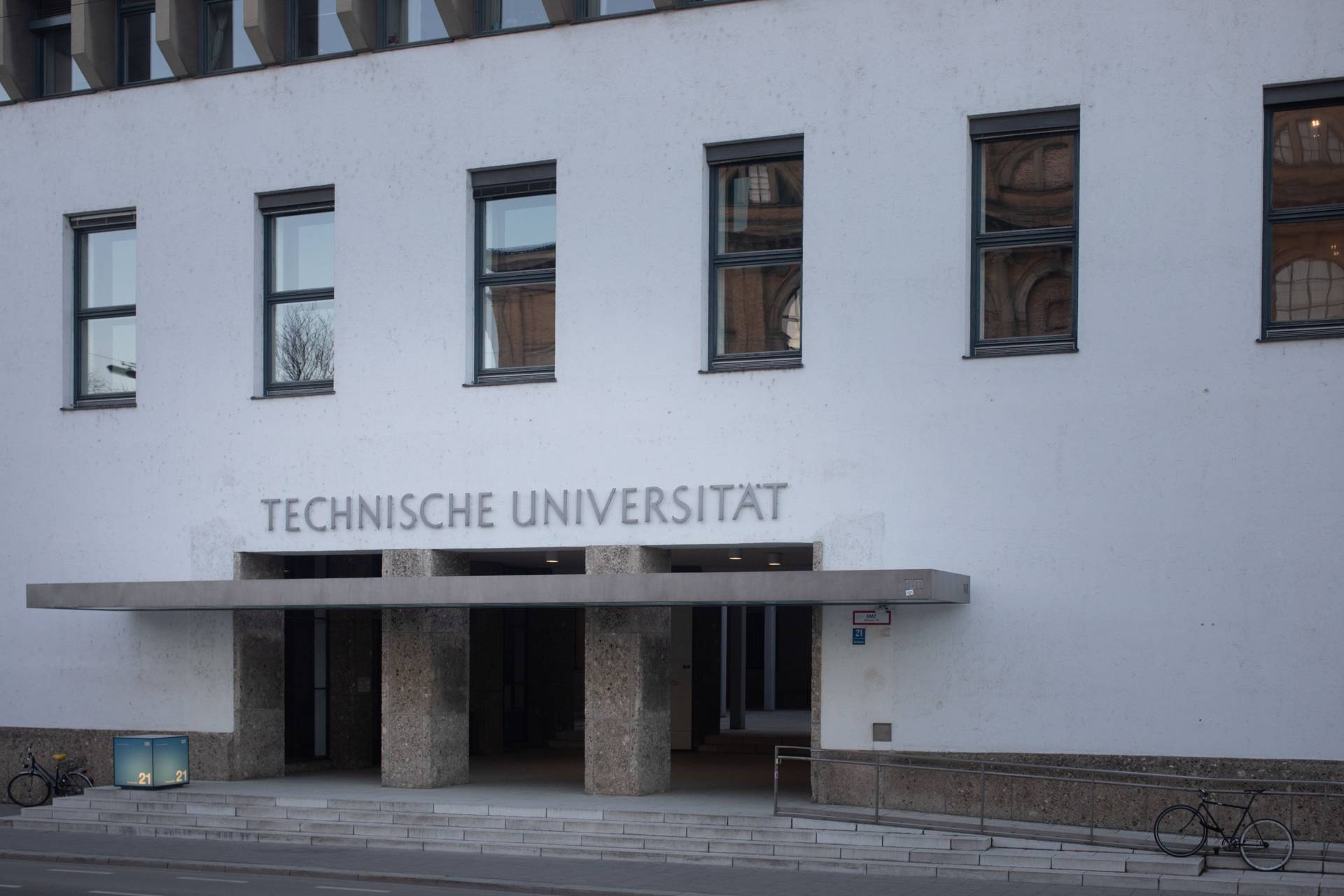
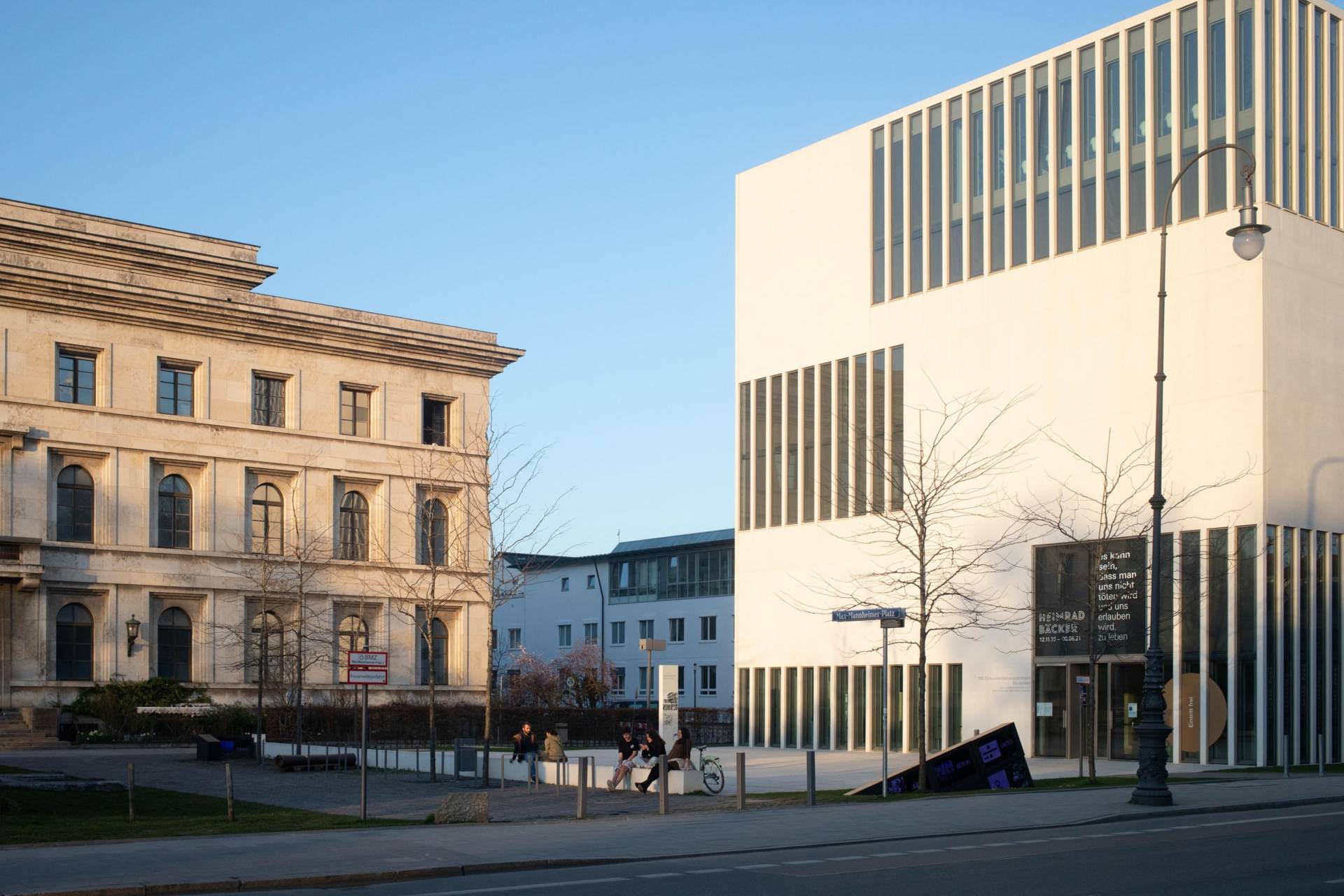
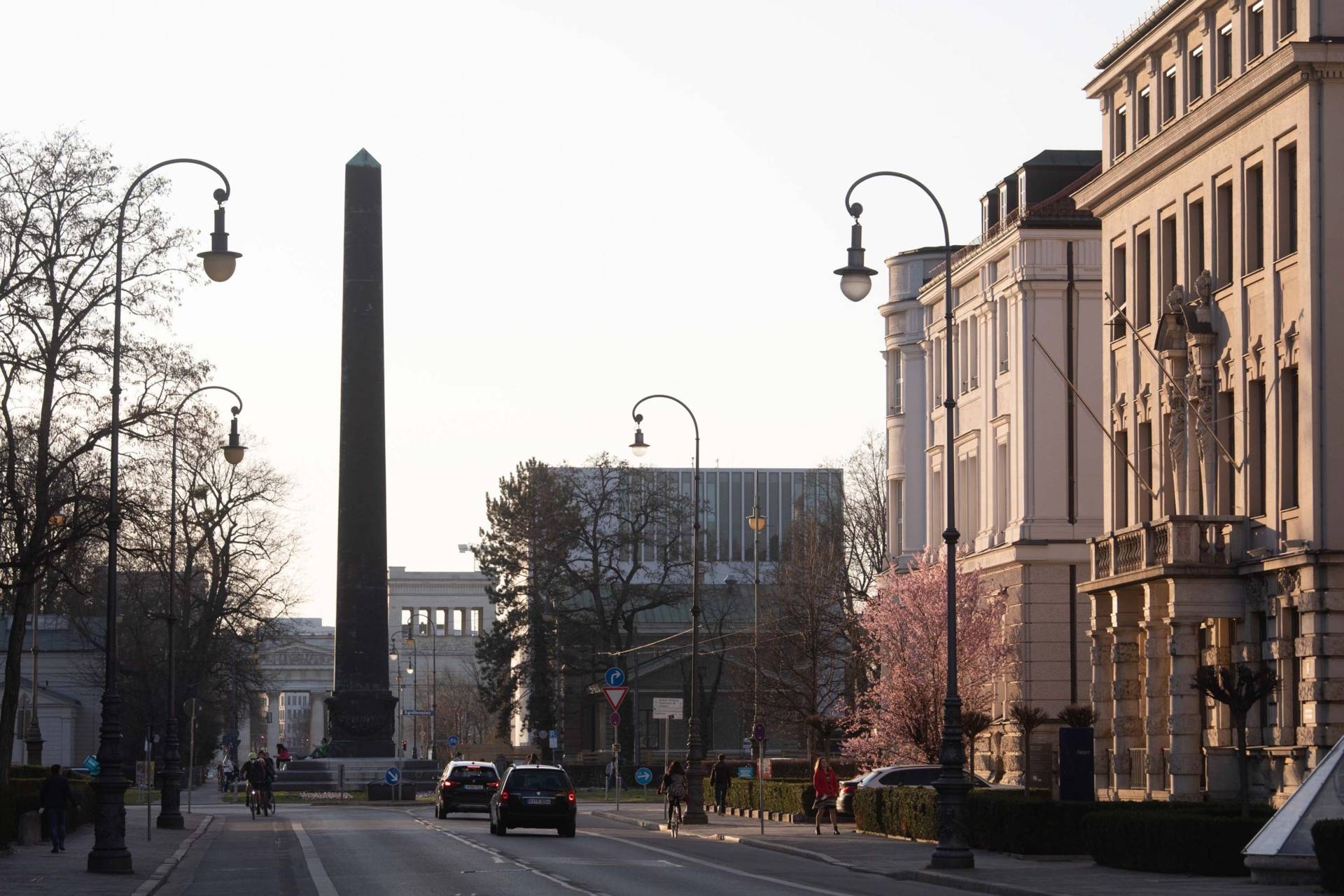
Maxvorstadt came into being during Munich's first urban expansion in 1806 and is named after the first King Max I. Joseph. The district encompasses Ludwigstraße with its grand buildings inspired by Roman and Florentine architecture, Königsplatz with its Greek temple-style structures, the Kunstareal with a museum landscape of international renown, and two prestigious universities – Ludwig-Maximilians-Universität (LMU) and the Technische Universität München (TUM). The more than 120,000 students enrolled at both universities shape the character of the neighbourhood. Even locals still tend to say "Schwabing" when they actually mean Maxvorstadt — for it was here that the Schwabing bohème first took root. Popular meeting places for the arts scene included establishments such as Schellingsalon and Alter Simpl, both of which you can still visit today.
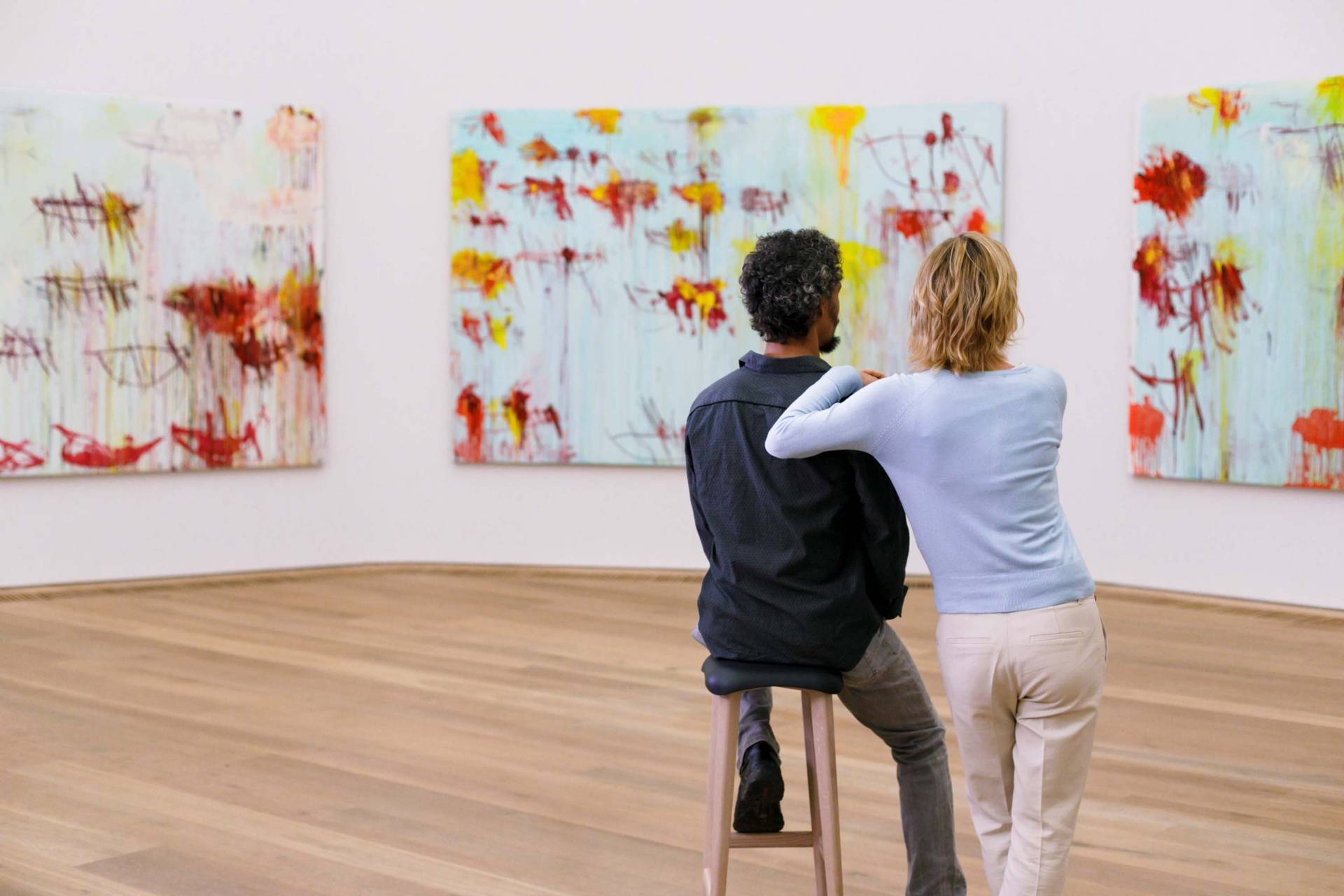
The crowd here is predominantly young – students mix with visitors to the city and culture enthusiasts who flock to the Munich Kunstareal to see the Old Masters.
What you shouldn't miss in Maxvorstadt
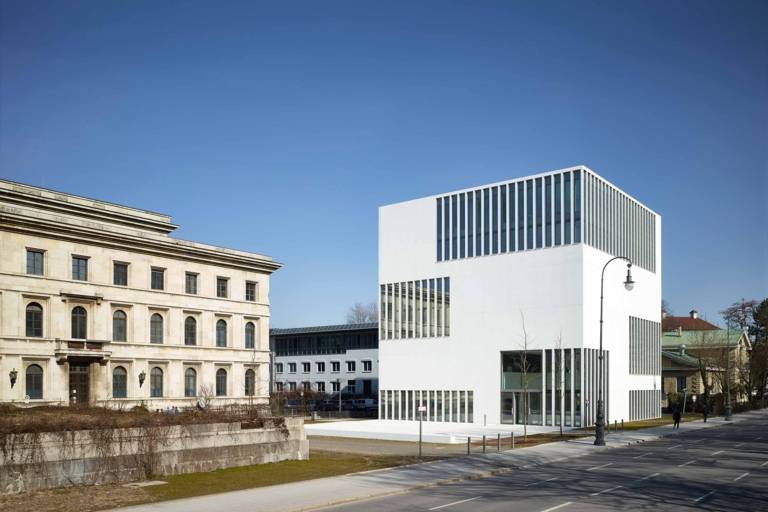
As many of the museums in the Kunstareal as possible – the Pinakotheken, Museum Brandhorst, Lenbachhaus, the Staatlichen Museum Ägyptischer Kunst, and the NS-Dokumentationszentrum. Also: the "Minna Thiel", a decommissioned railbus outside the Hochschule für Fernsehen und Film that has been transformed into a café and event space; Ludwigstraße; Königsplatz; and the many cafés along Arcisstraße, Türkenstraße and Schellingstraße.
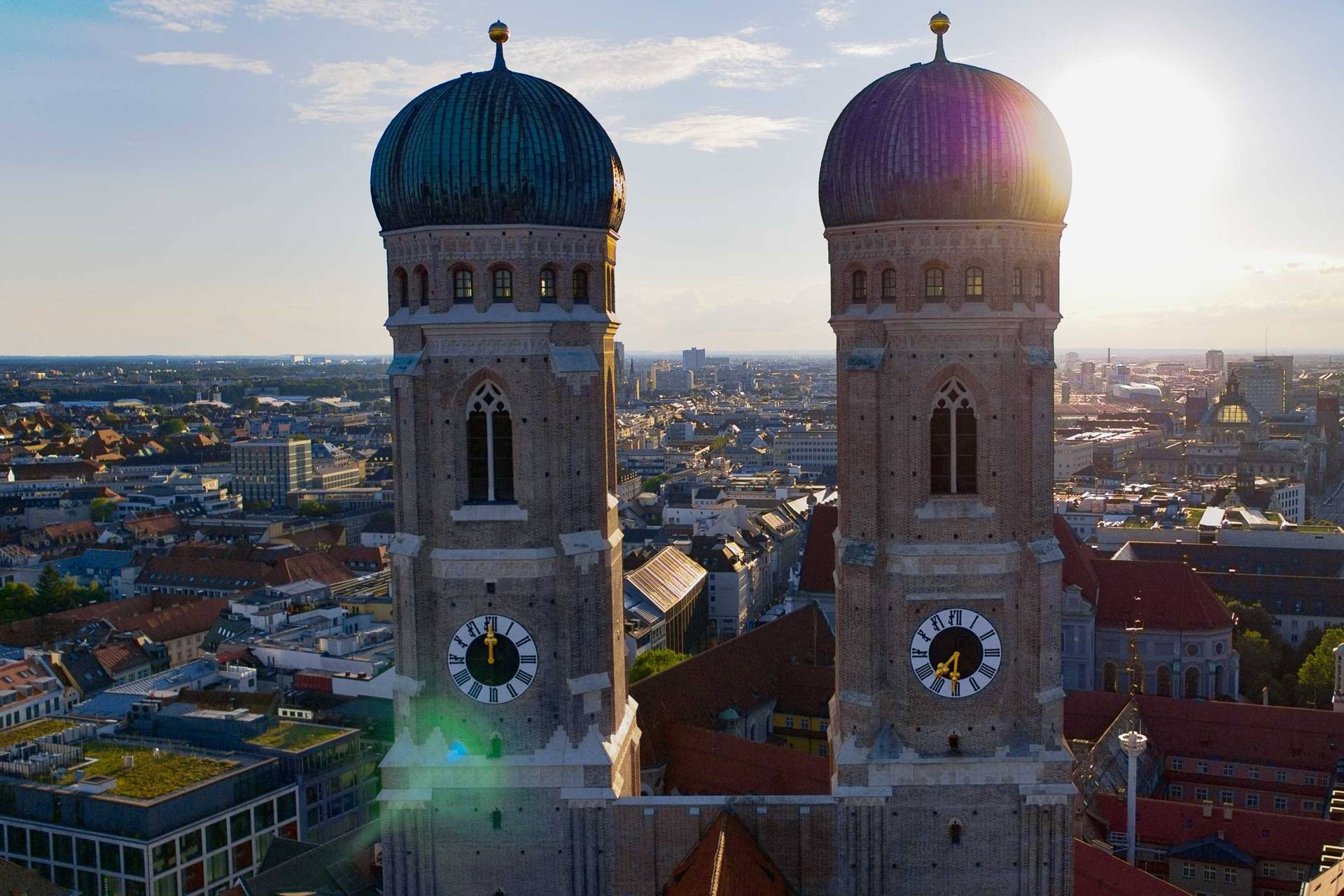
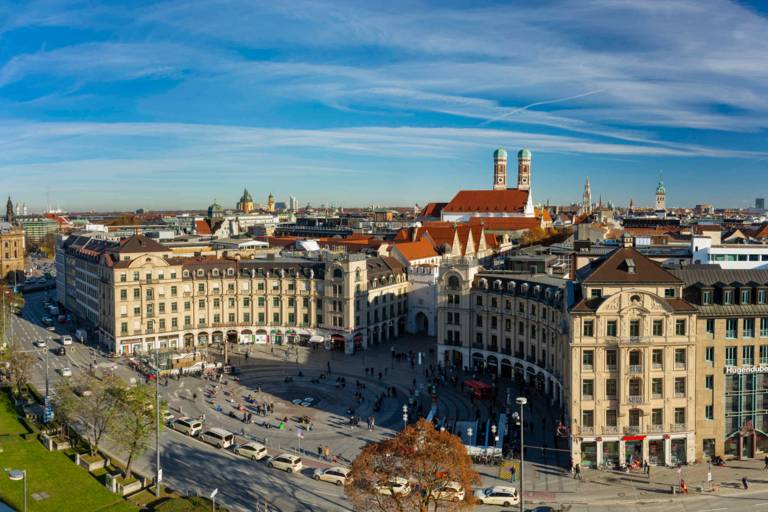
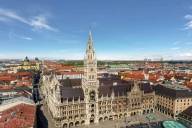
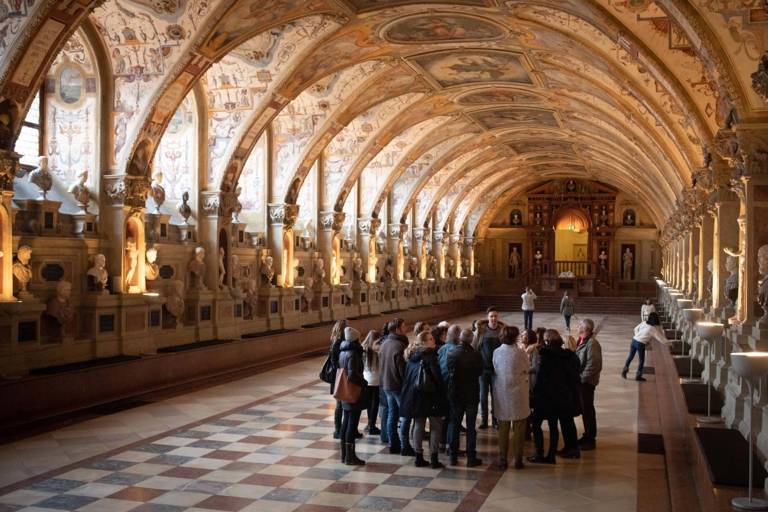
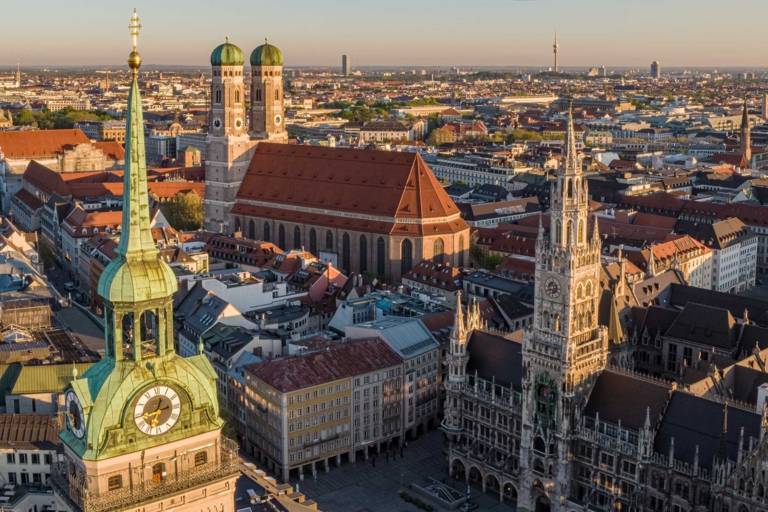
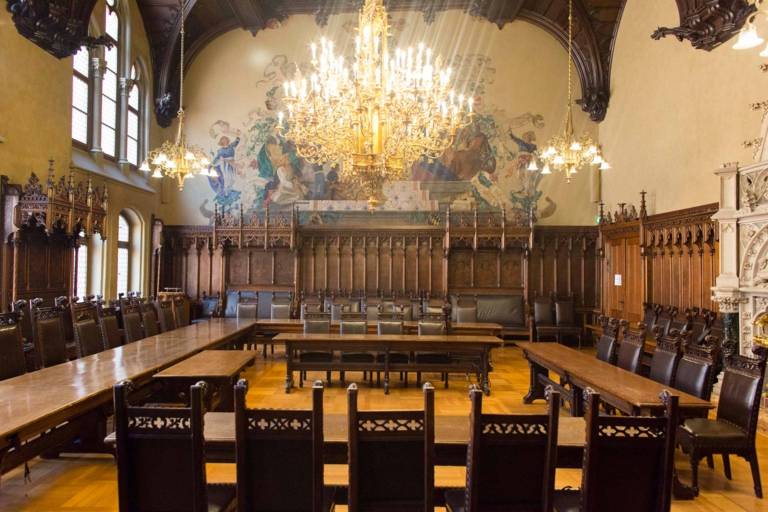
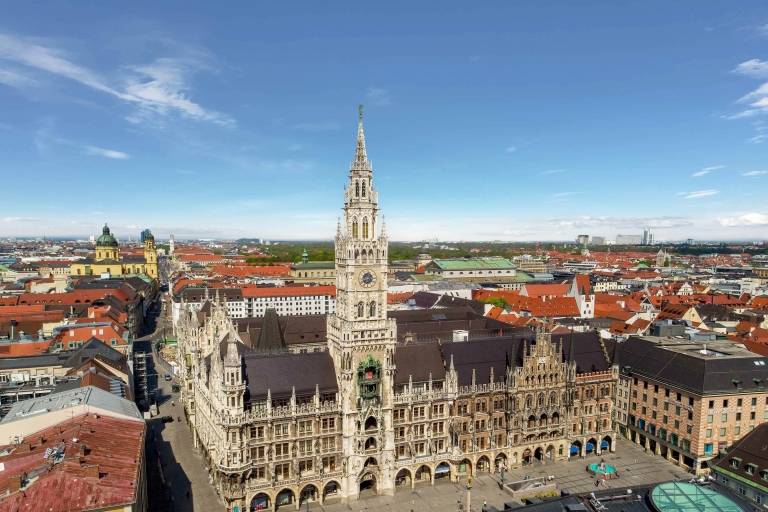
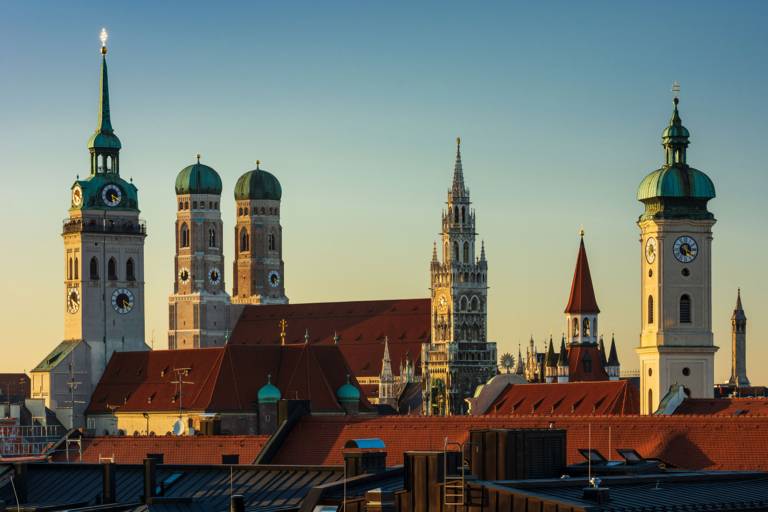
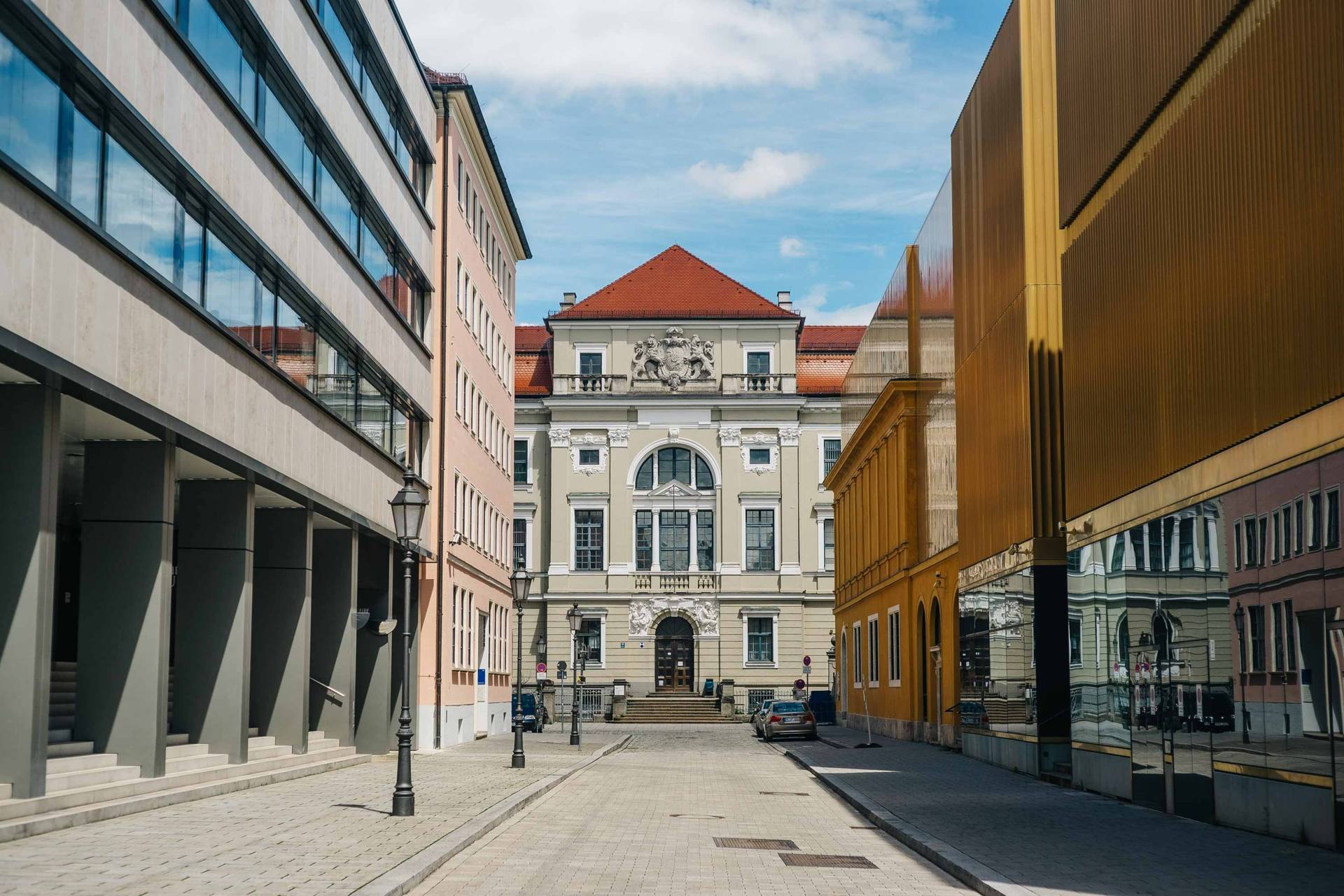
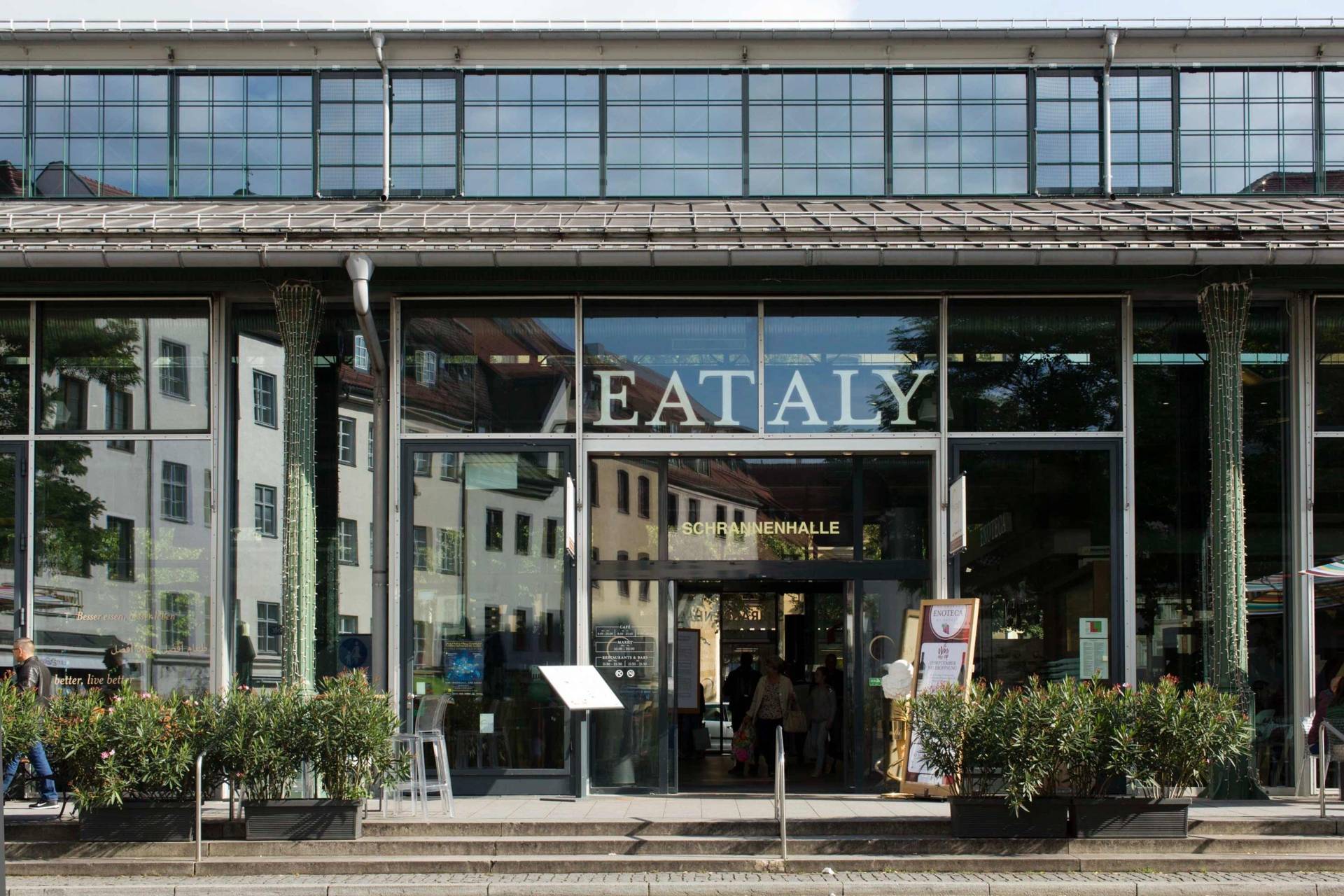
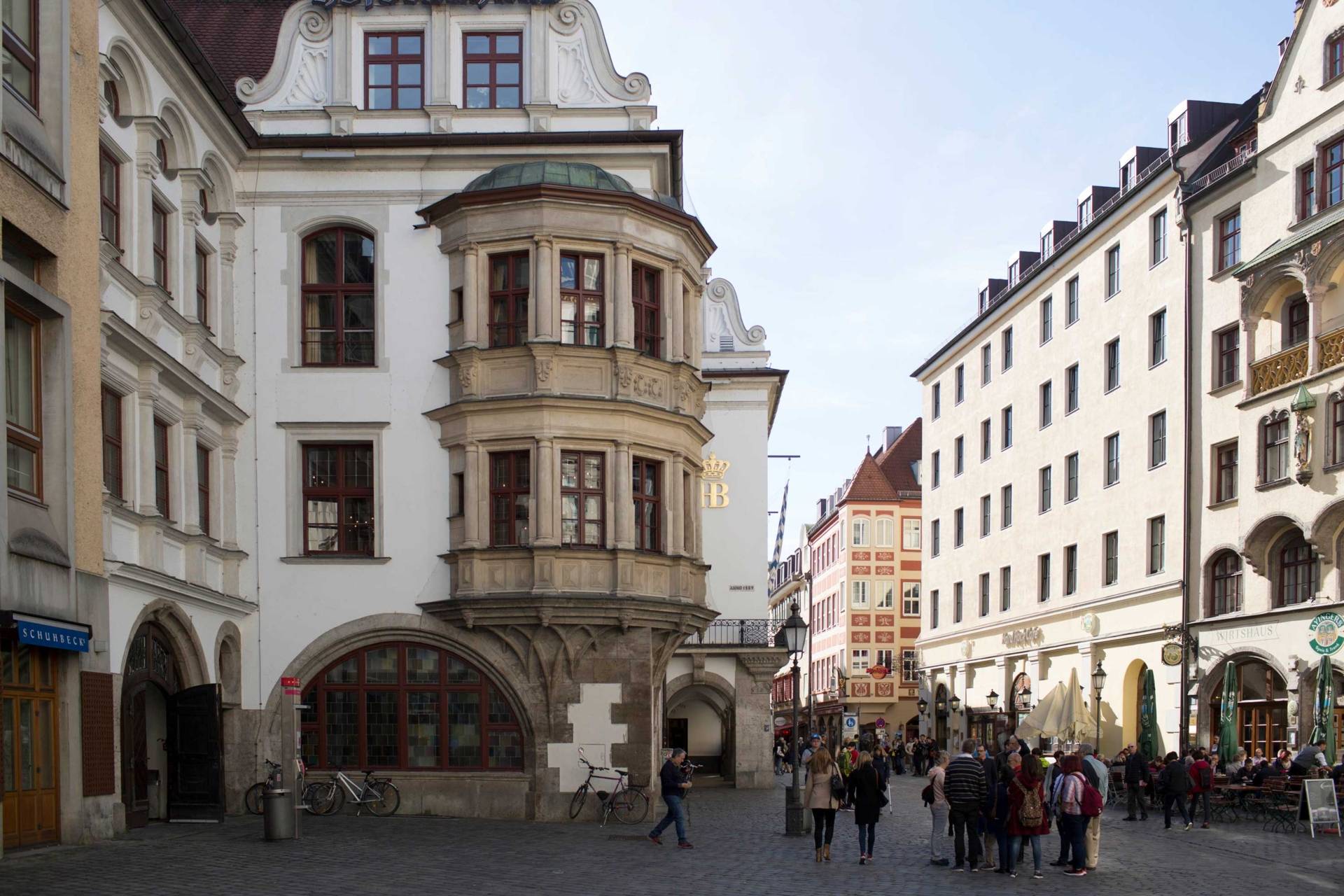
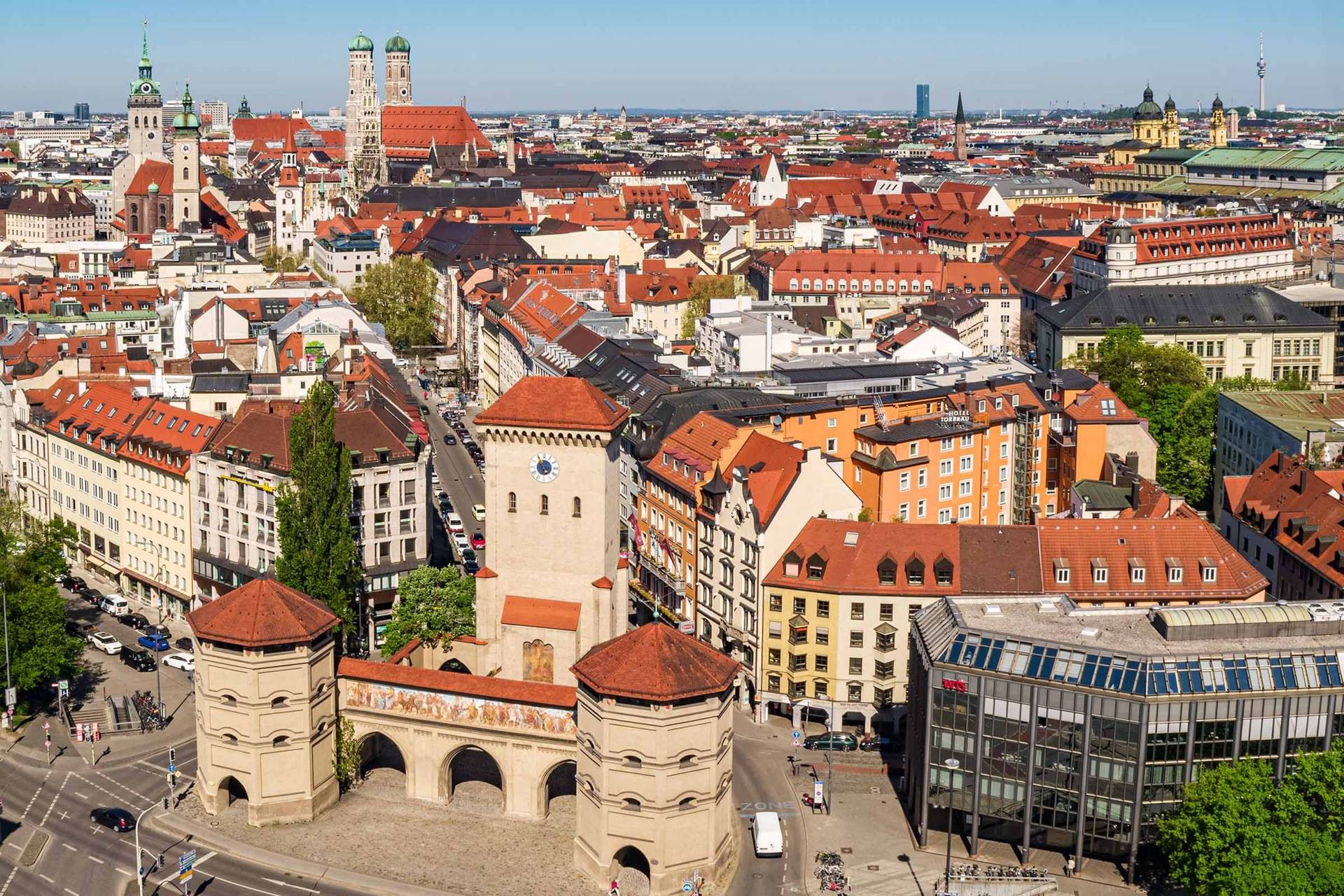
Munich was founded in 1158 as a small fortified settlement around what is now Marienplatz. Of the original city walls, only three gates remain: the Sendlinger Tor, the Neuhauser Tor, and the Isartor. The route of the Altstadtring marks the boundaries of the Altstadt. In recent decades, striking new architectural highlights have been woven harmoniously into the fabric of listed historic buildings. Fine examples include the Ohel-Jakob-Synagoge and the Jewish Museum on Jakobsplatz, the Fünf Höfe shopping arcade with its Kunsthalle and hanging gardens on Theatinerstraße, and the rebuilt Schrannenhalle at the Viktualienmarkt. The Alter Hof, the Residenz, the Hofbräuhaus, the Opera House, the Cuvilliés Theatre, Maximilianstraße, and the shops of former Royal Bavarian Court Suppliers all bear witness to more than 700 years of rule by the Wittelsbach dukes, prince-electors and kings. Many Munich breweries trace their origins to the Old Town – a legacy still recalled today by the Augustiner Bierhalle on Neuhauser Straße.
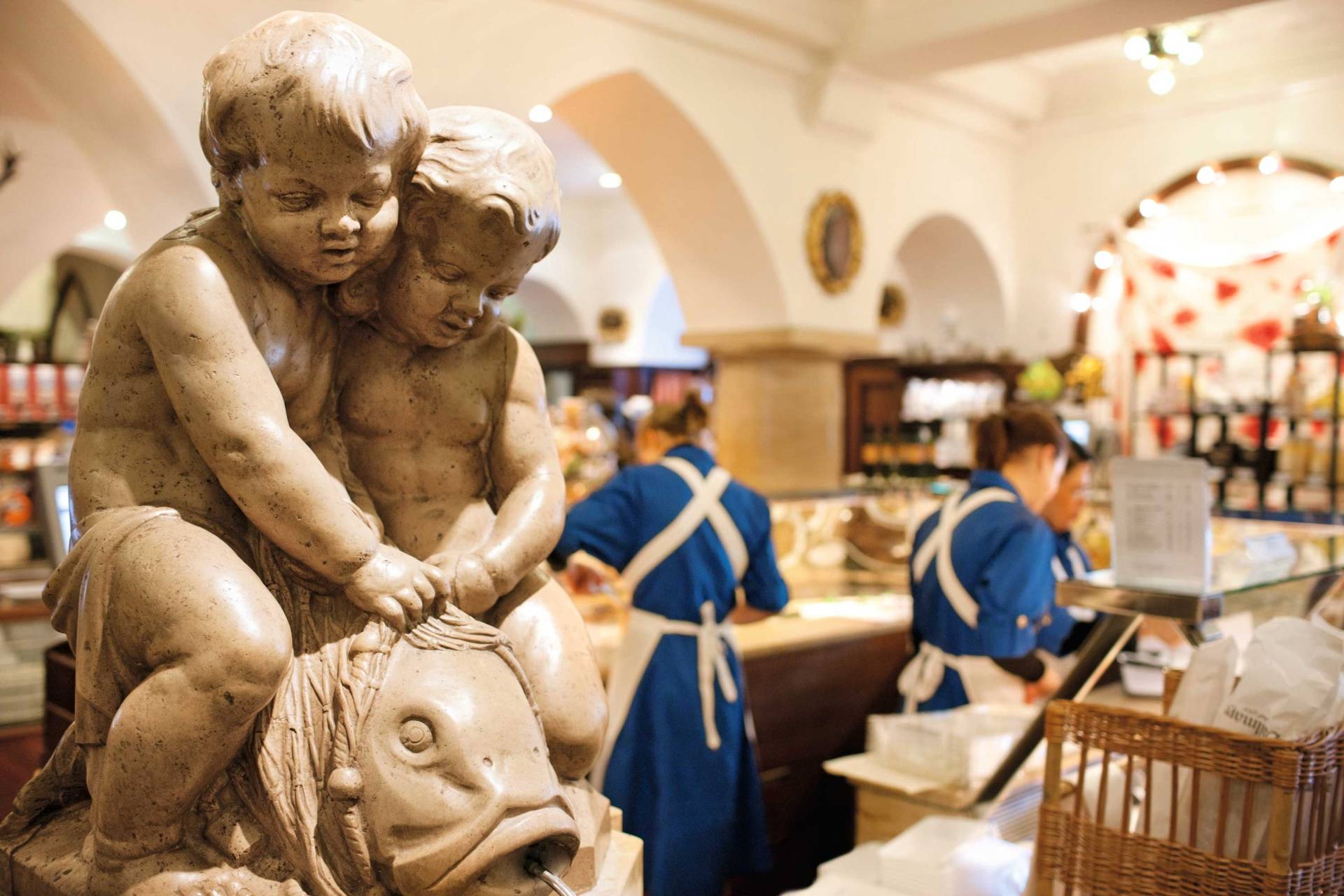
Fewer than one per cent of all Munich residents actually live in the Altstadt, so perhaps the better question is: who comes here? Both visitors and locals alike. For many Münchners, a browse around the Viktualienmarkt followed by a beer in the garden or a fish roll eaten on the go is a cherished ritual – as are the delicacies from Dallmayr, a treat people allow themselves not just at Christmas. After a spot of shopping, the traditional Munich restaurants near the cathedral offer the perfect place to recharge. Those seeking a moment of quiet amid the bustle will find it in one of the city's wonderful Old Town churches. Culture lovers head to the Kunsthalle, the Opera, the Kammerspiele, the Residenztheater, or the Literaturhaus.
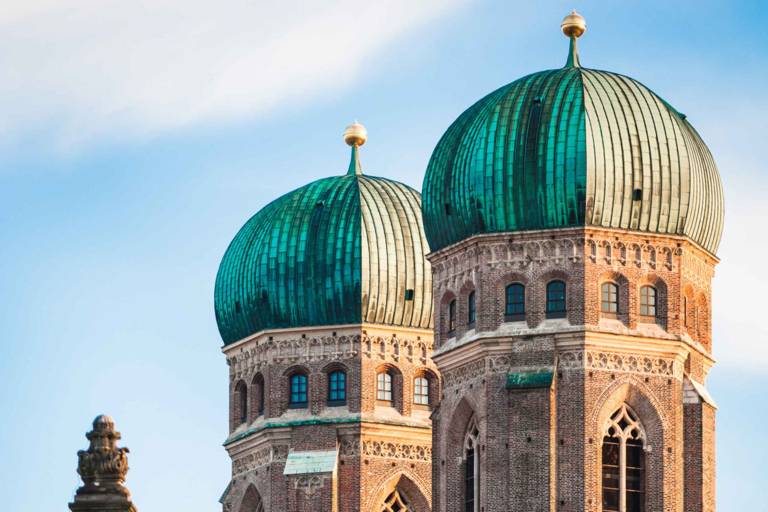
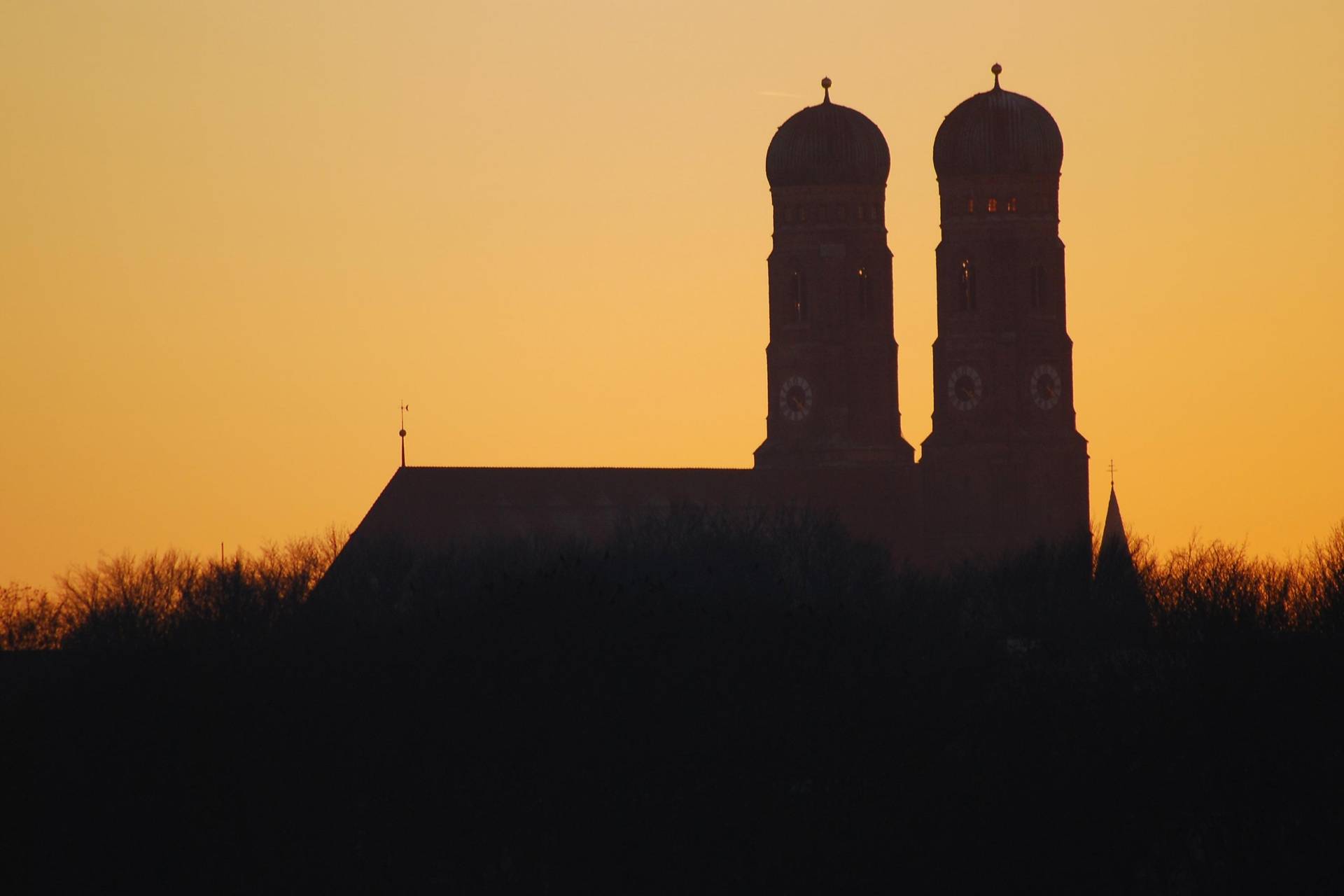
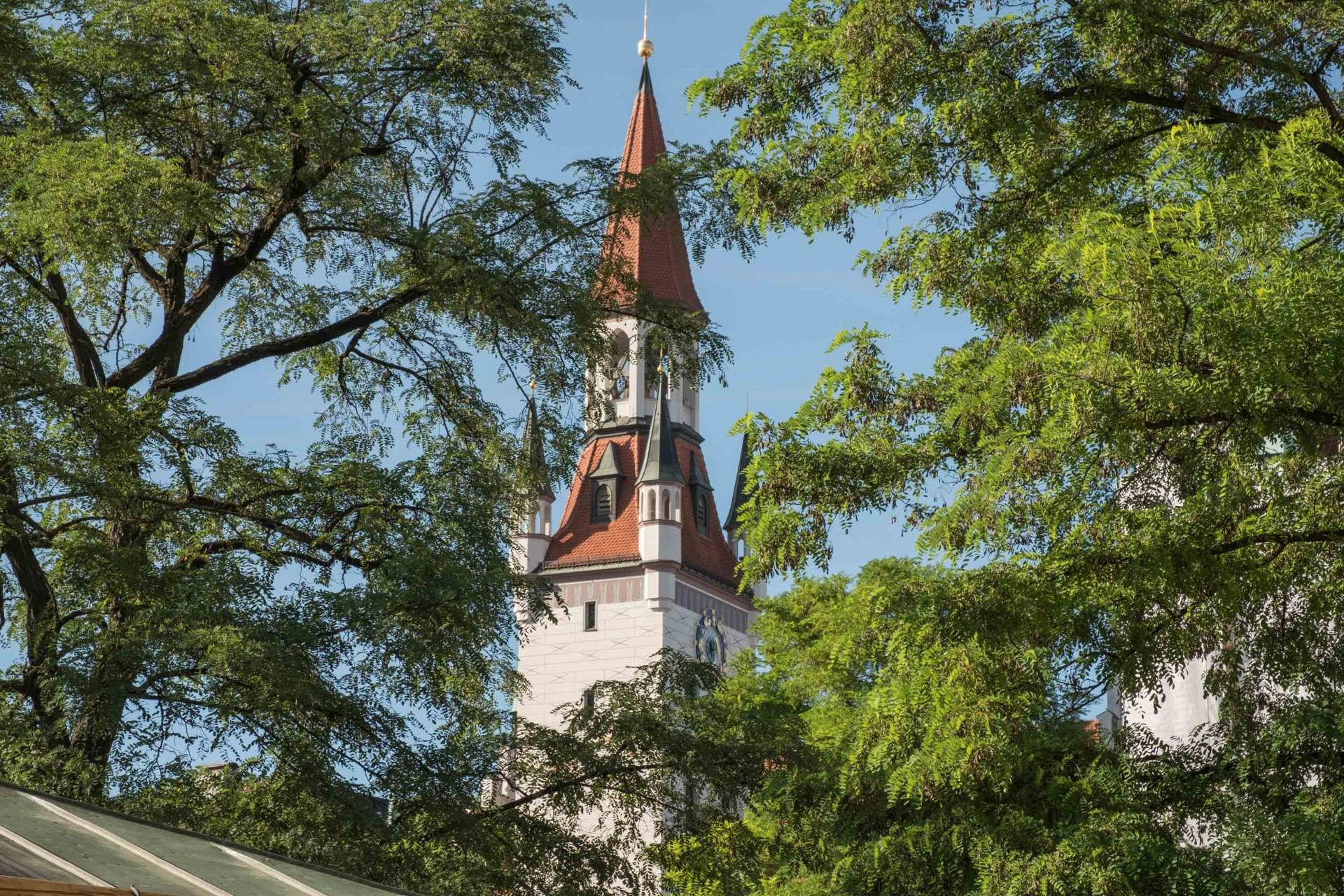
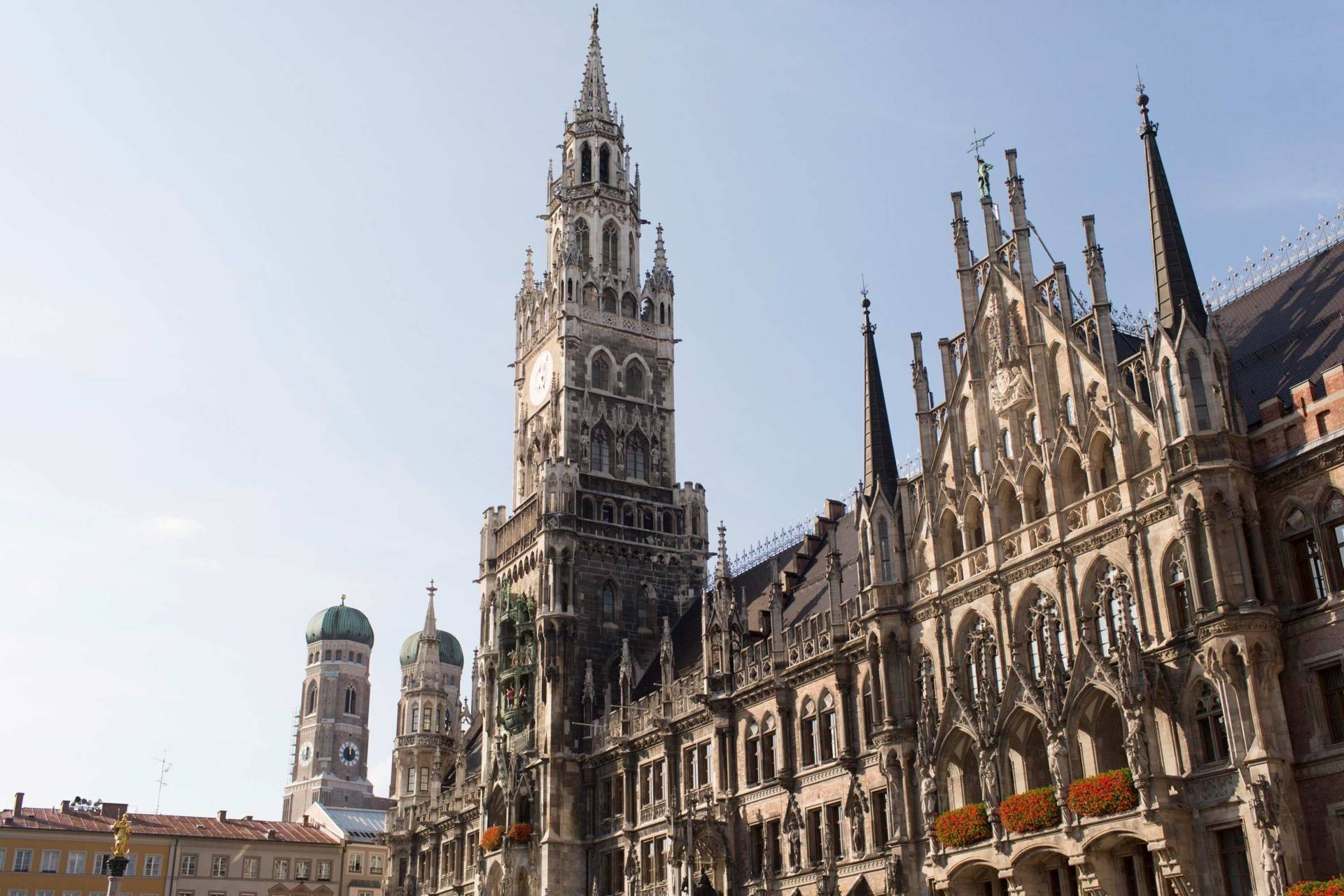
Marienplatz with Old and New Town Hall and Glockenspiel, the Alter Hof, the Residenz, the Opera, the Hofbräuhaus, the Literaturhaus, the churches, such as Frauenkirche, Peterskirche, Theatinerkirche and Michaelskirche, the Viktualienmarkt, the Maximilianstraße, Dallmayr, the shopping mall Fünf Höfe, the Kunsthalle, the Bier- und Oktoberfestmuseum (beer museum)
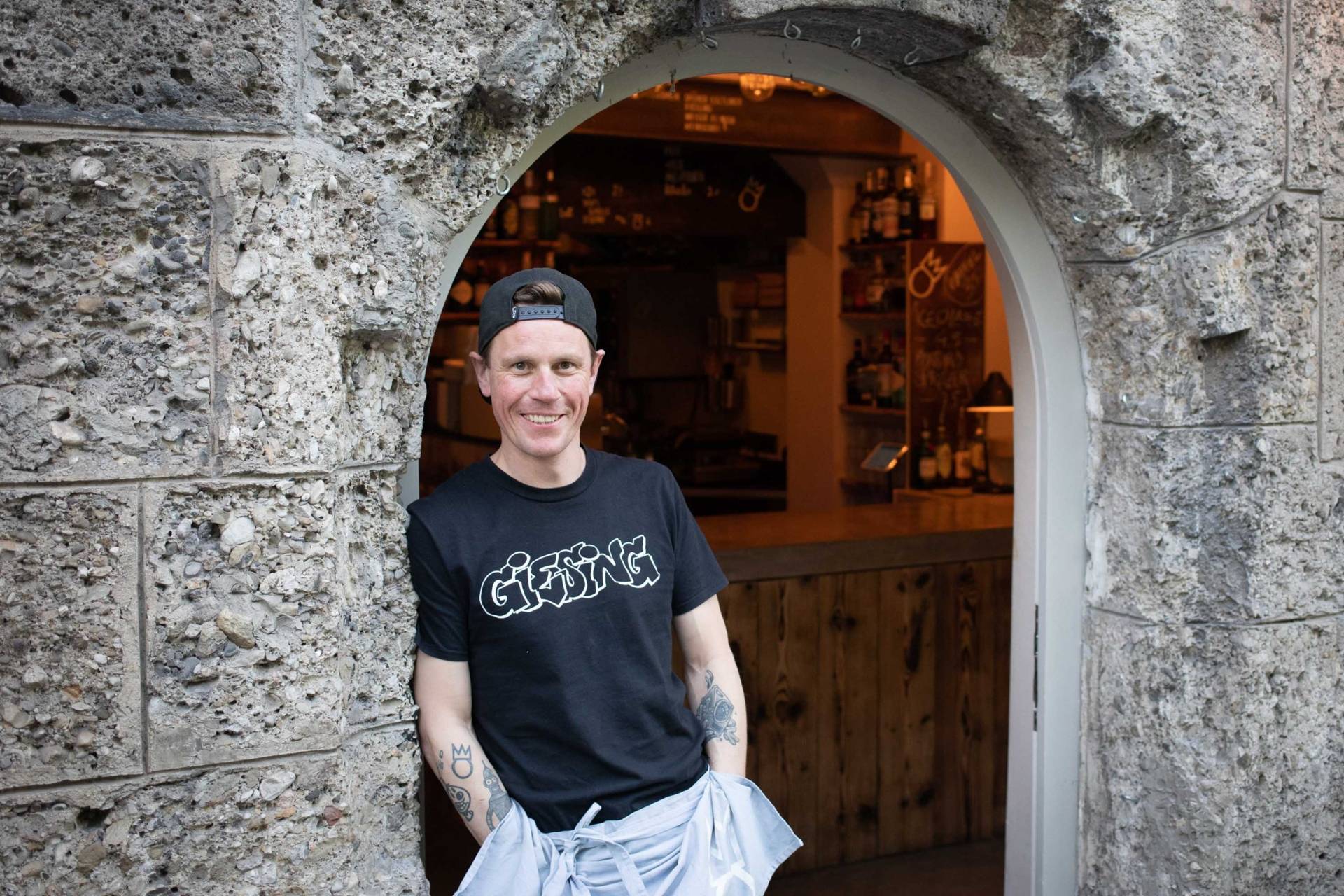
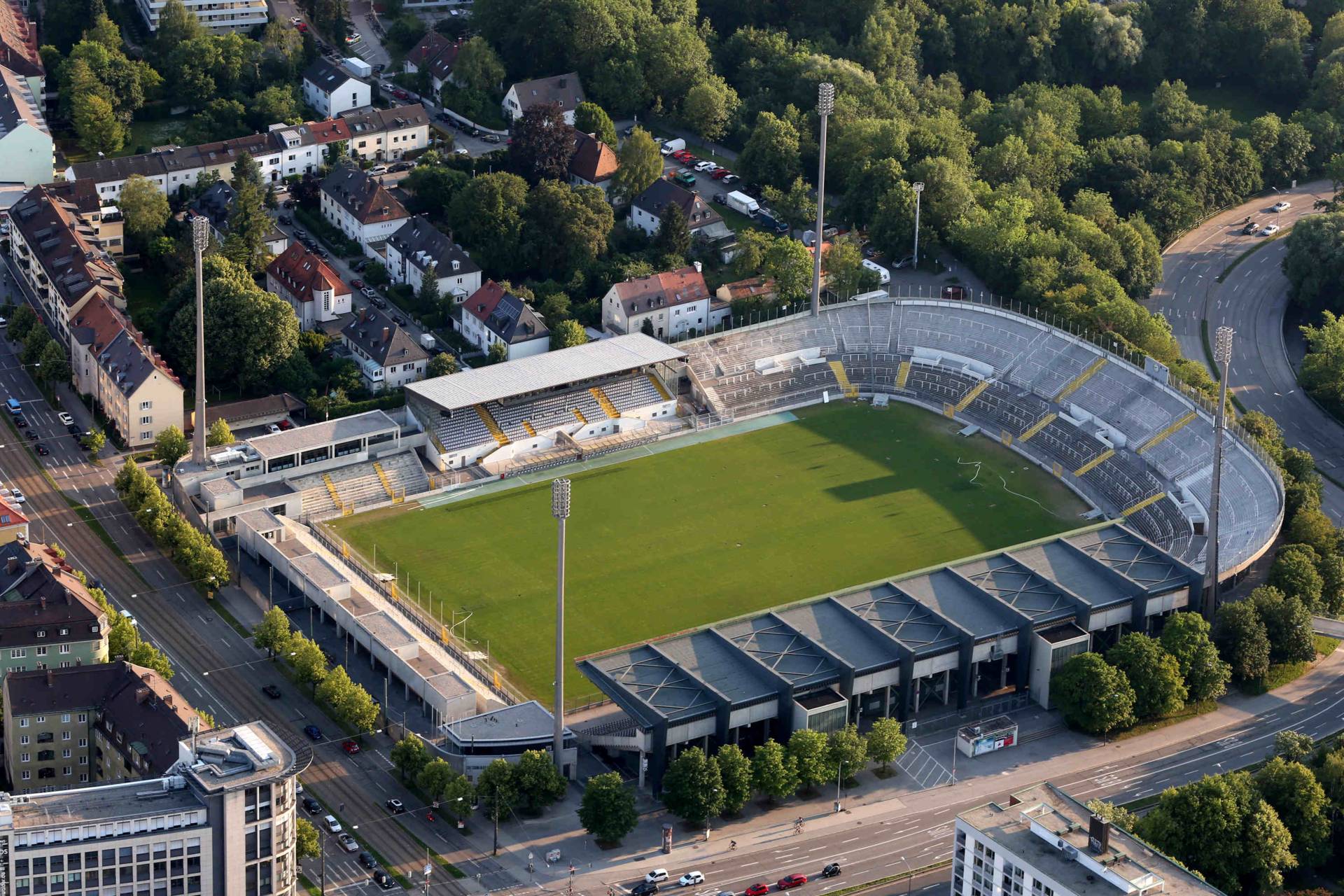
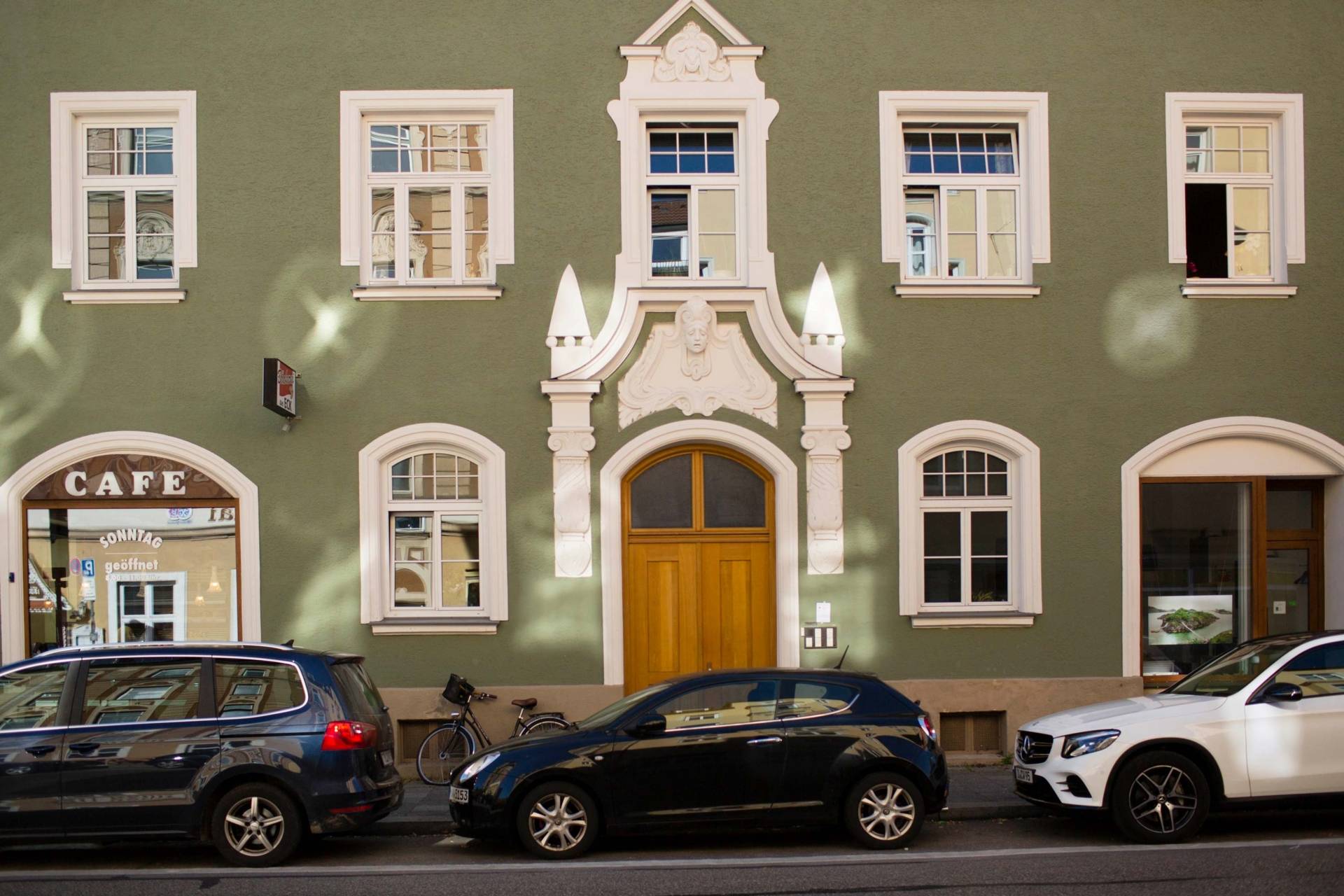
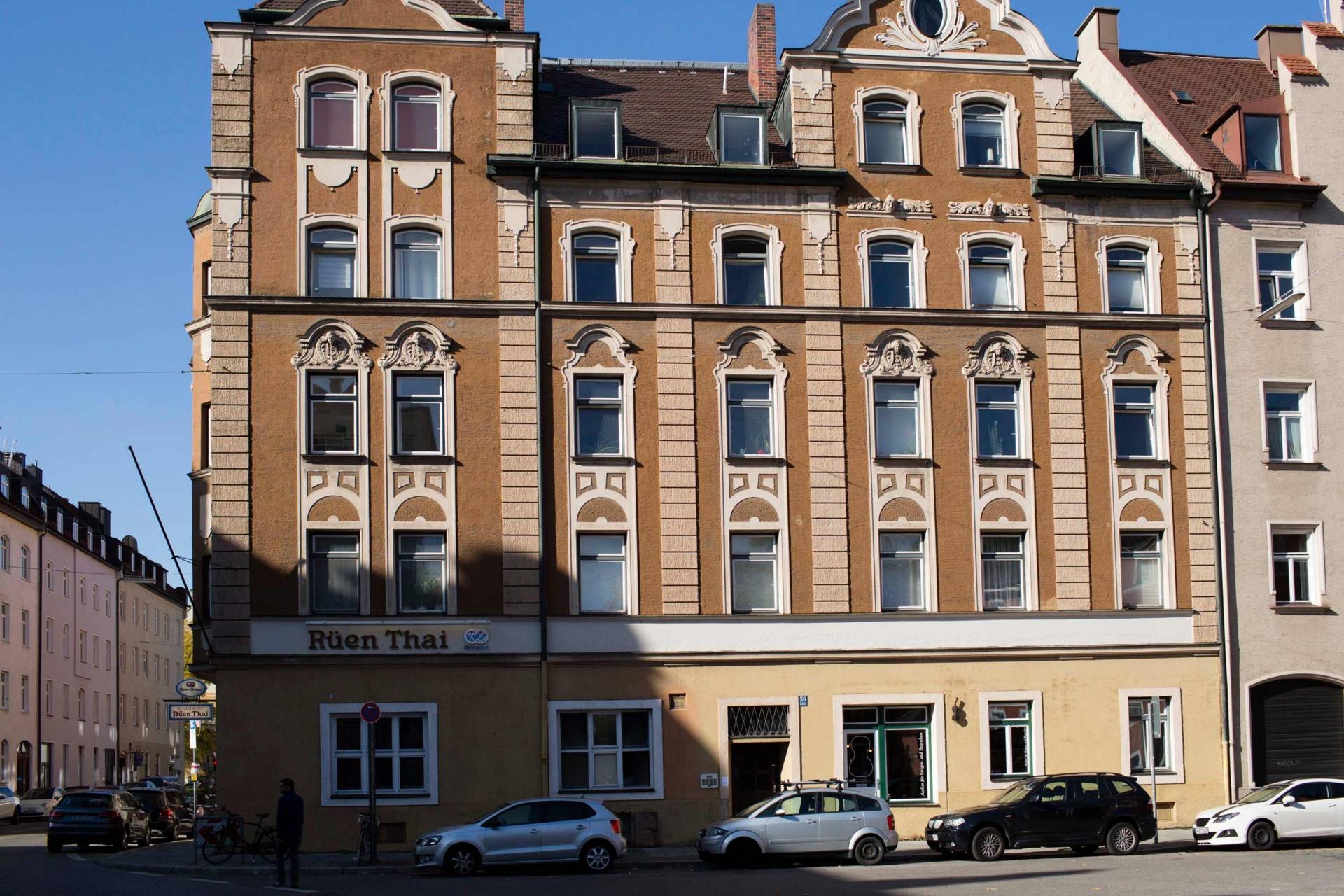
Giesing is, above all else, completely unpretentious. Life in a true working-class district has left its mark on the architecture – in the Feldmüllersiedlung on Obere Grasstraße, in the lodging houses along the Auer Mühlbach (stream) and along Sommerstraße. The neighbourhood is divided into Untergiesing and Obergiesing. Obergiesing was first recorded in 790 as "Kyesinga", making it almost 400 years older than Munich itself. Untergiesing emerged during the 19th and 20th centuries, when job-seekers and day labourers settled in the lower part of the district. Giesing means the Munich Lions – TSV 1860 and their ground on Grünwalderstraße – and it means beer: for the past few years, the big Munich breweries have had a genuine rival in Giesinger Bräu.
Giesing is also known for its high concentration of so-called Boazn – a distinctive form of Munich pub culture, referring to a well-worn, convivial local that lives and breathes its regulars and its idiosyncratic landlords. Younger operators are working to keep the Boazn tradition alive and are opening new, spirited addresses. On Tegernseer Landstraße – affectionately known as the "TeLa" – you can enjoy a wonderful dinner at a Michelin-starred restaurant, then round off the evening with a leisurely beer at the relaxed Giesinger Grünspitz beer garden. And if you stroll between the rose garden, the Auer Mühlbach and the Isar meadows, you'd never know the city centre was only a short walk away.
Giesing is down-to-earth and not in the least bit trendy. People here have no airs or graces. On a Saturday, you head to the Grünwalder Stadion with your season ticket when 1860 Munich are playing, stop for a half-litre in one of the old-established Boazn beforehand, and celebrate afterwards along the lively Tegernseer Landstraße.
Tegernseer Landstraße (TeLa), the Grünwalder Stadion, the Giesinger Grünspitz beer garden, Klein-Venedig on Mondstraße, and the Giesinger Bräu brewery pub.
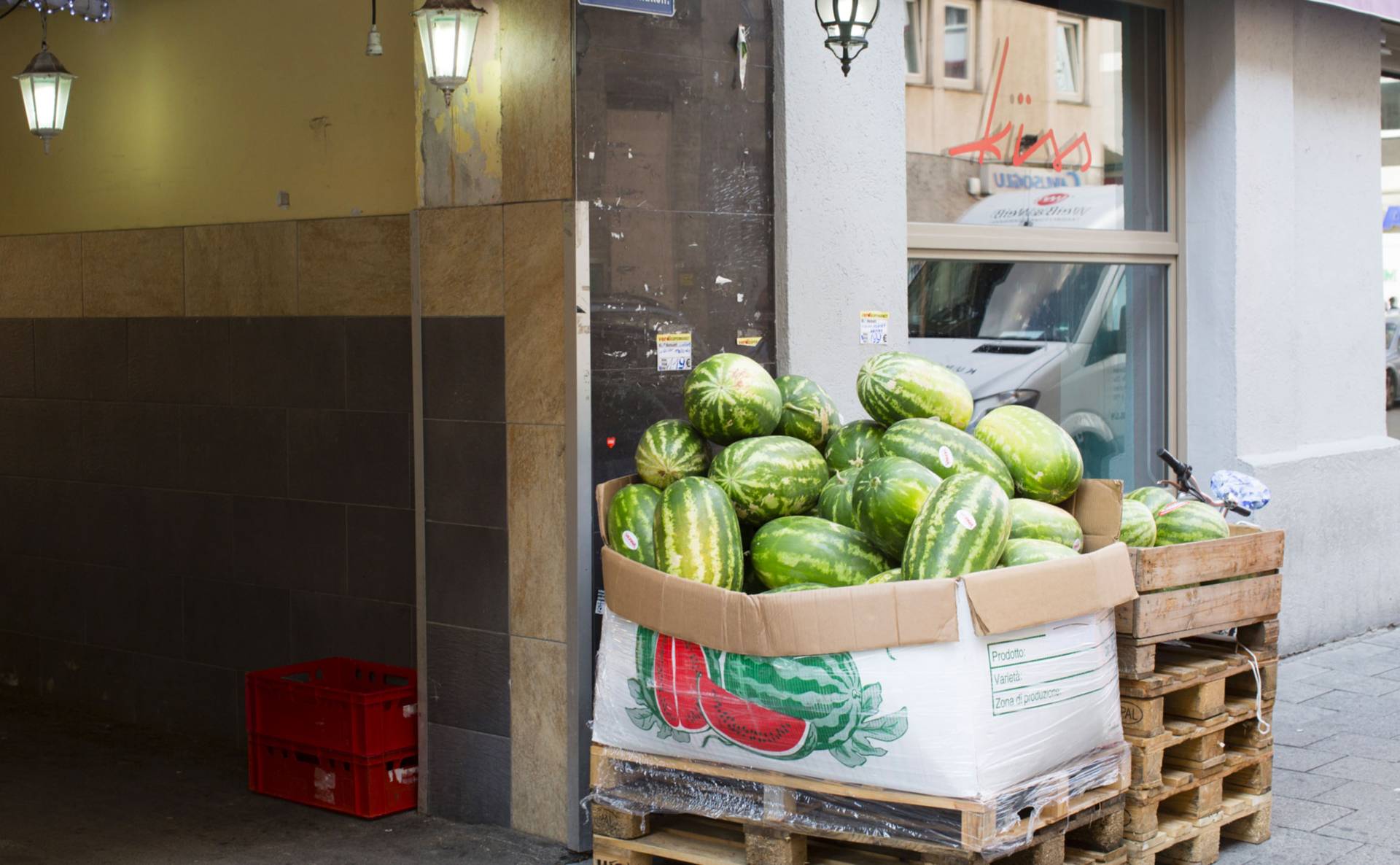
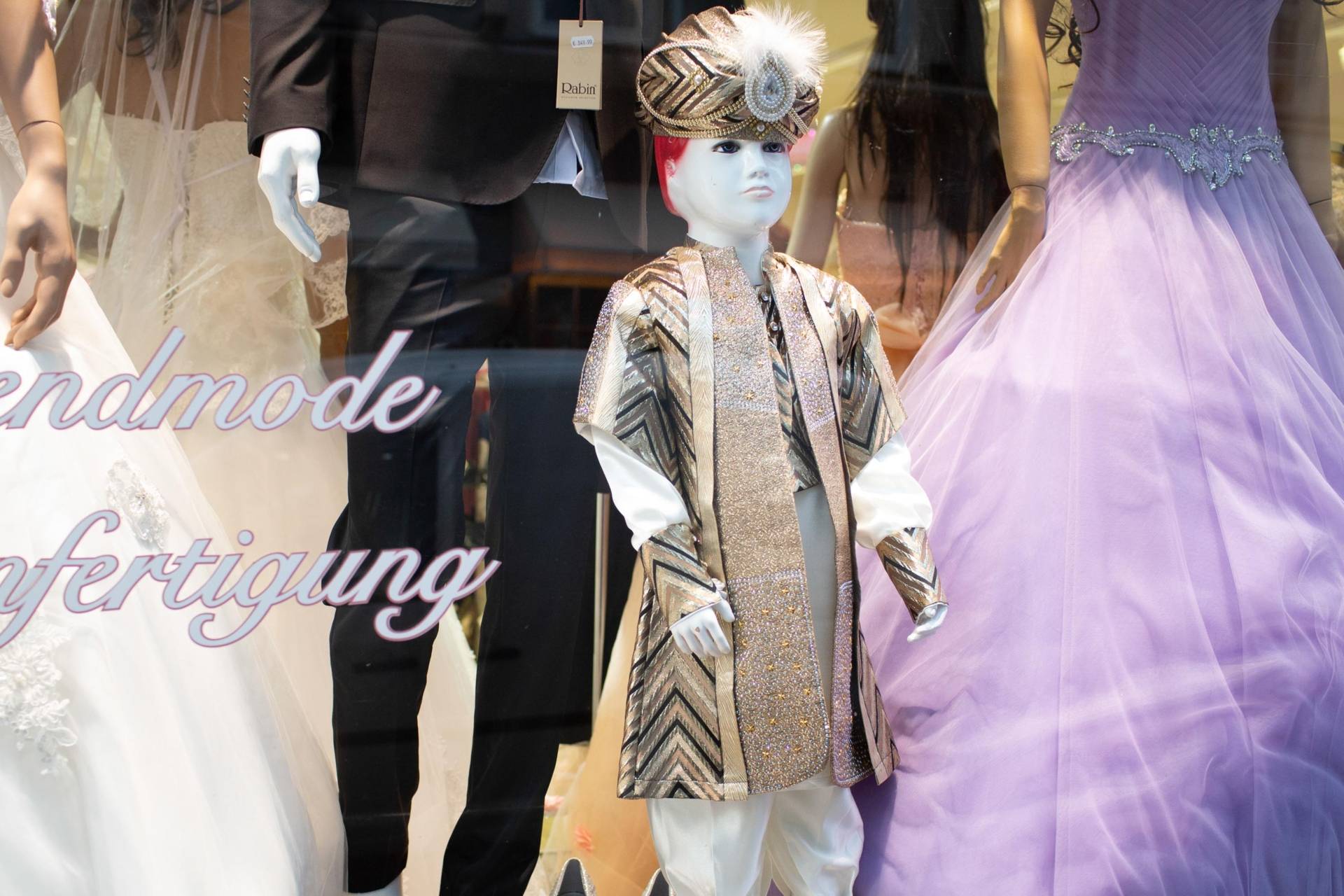
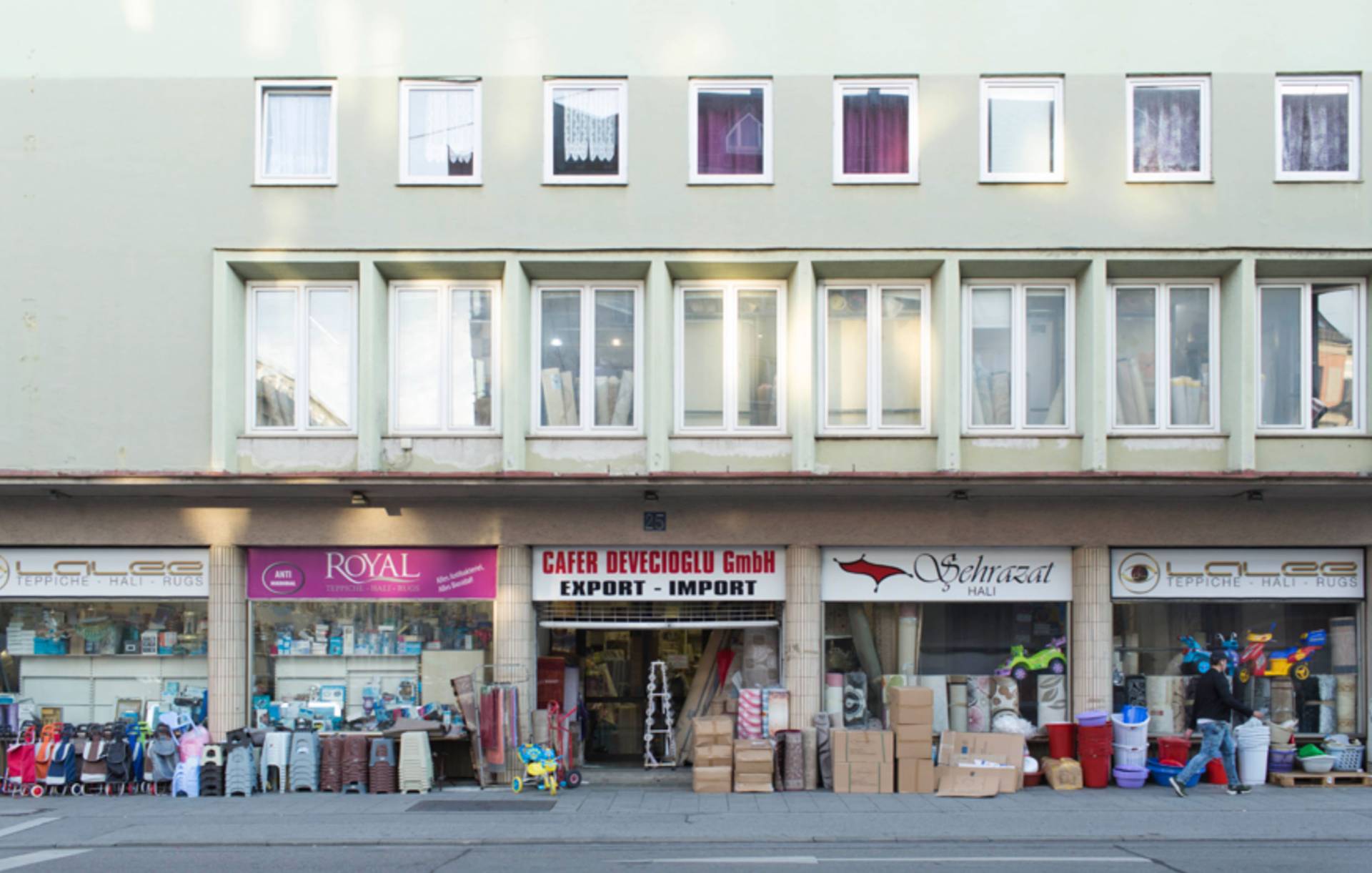
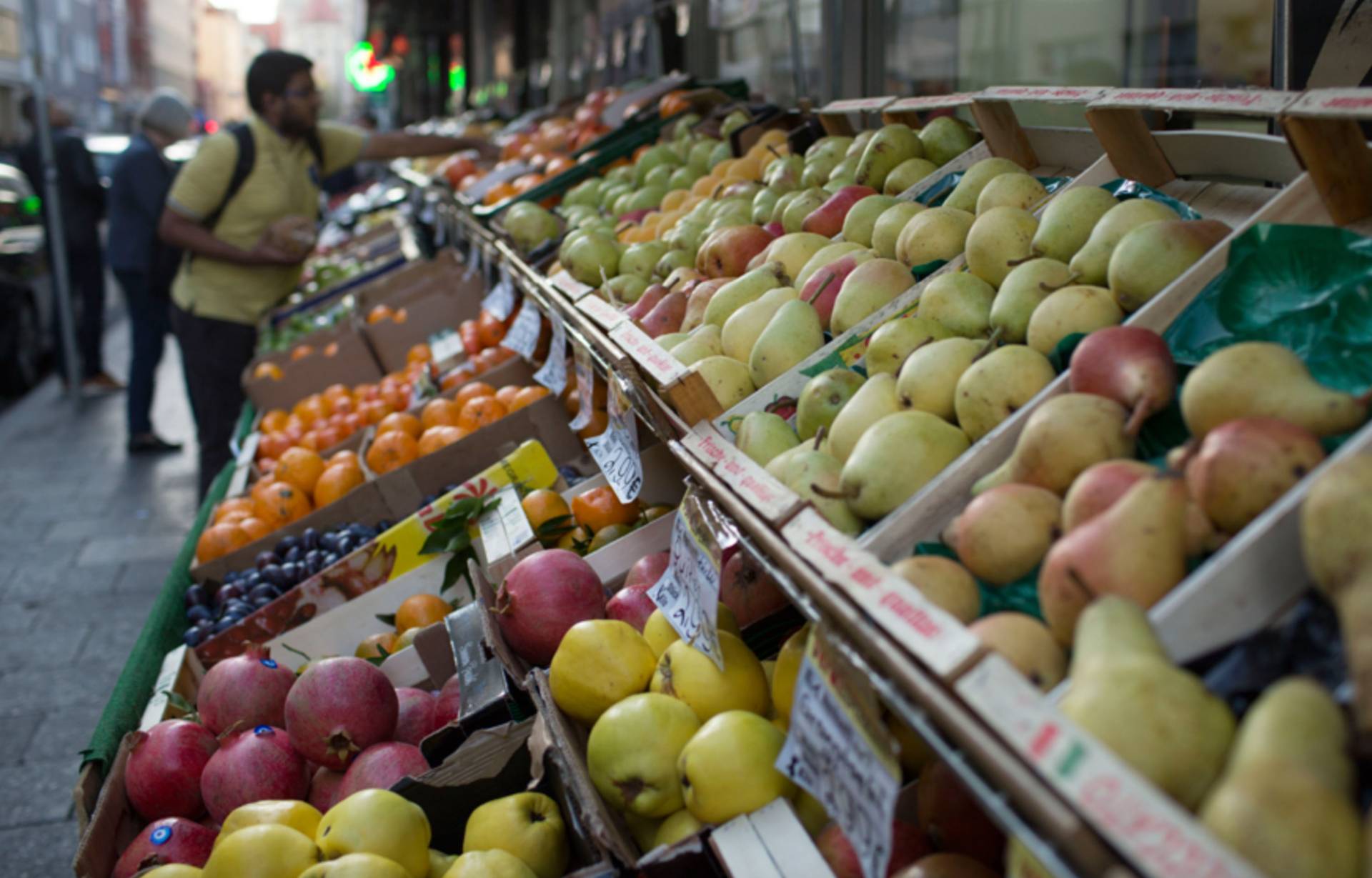
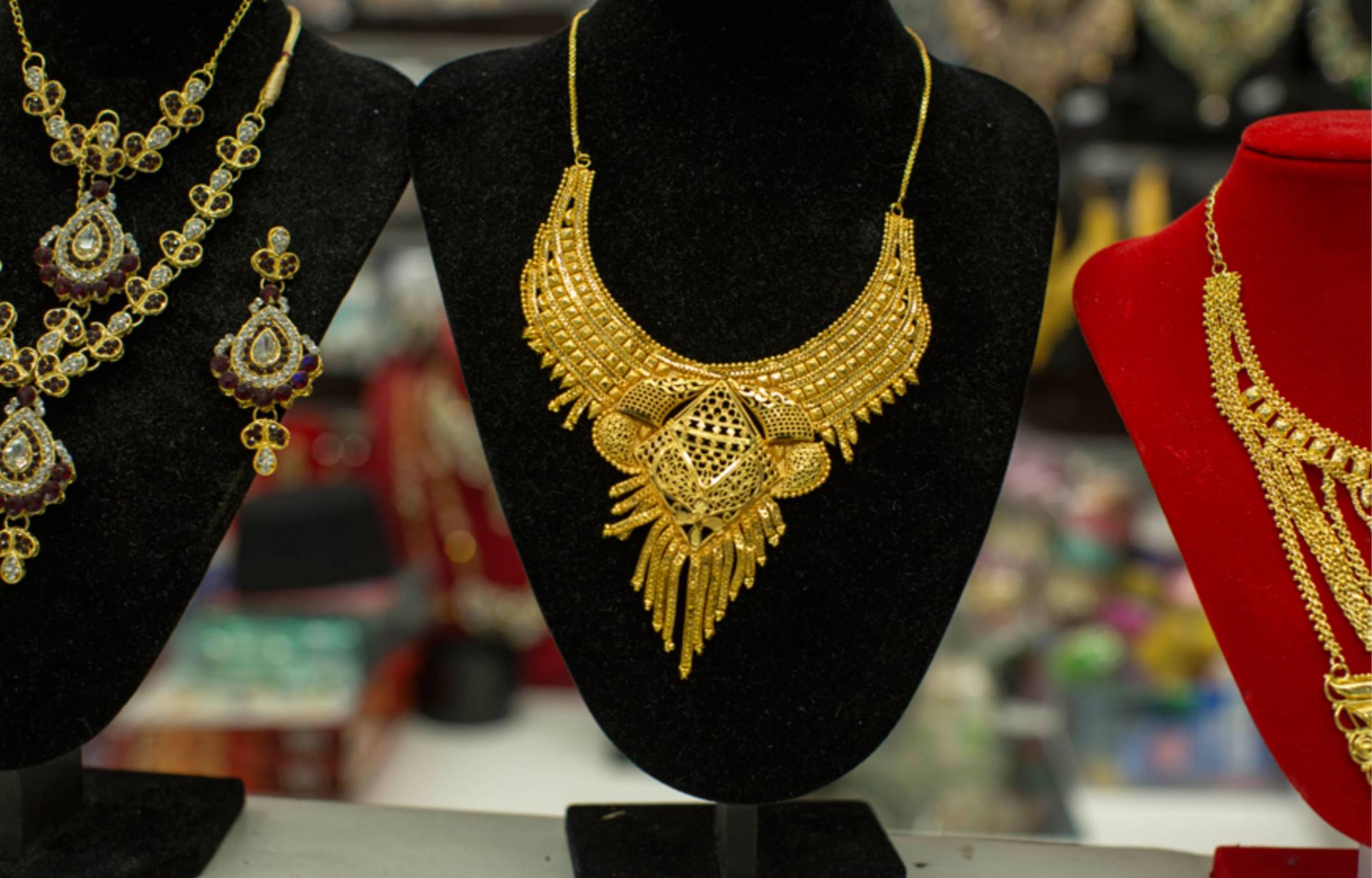
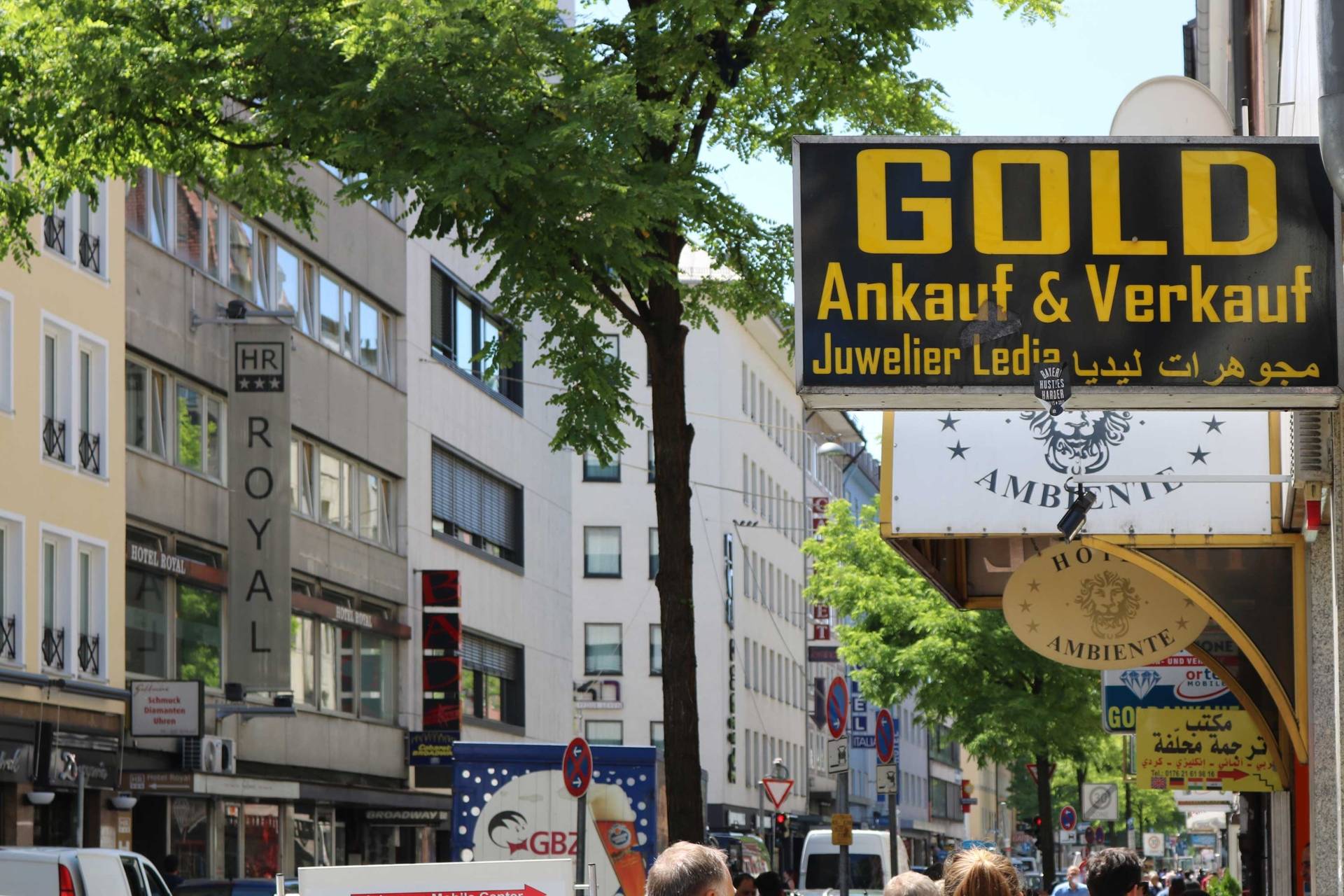
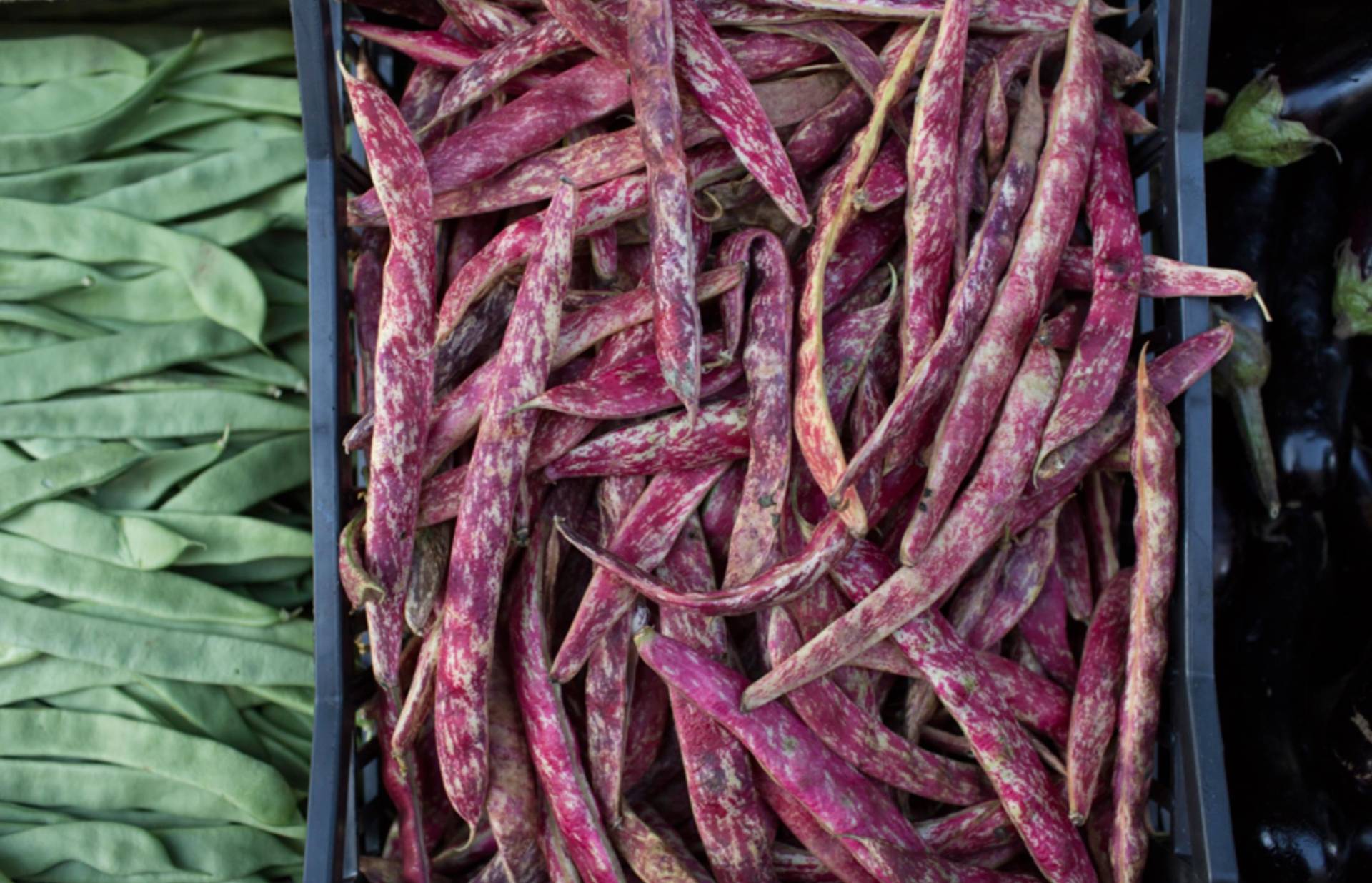
The area between the Westend and Munich's central station has been welcoming travellers to its surrounding hotels since the 19th century. From the 1960s onwards, many people with Southern European roots settled here. Their forebears arrived at the station as so-called Gastarbeiter – guest workers – in search of new opportunities and better living conditions in the West Germany of the postwar economic miracle. The Turkish supermarkets in the area are something of an insider tip, celebrated for their remarkable range of fresh fruit and vegetables. The culinary offering is as multicultural as the neighbourhood itself. Those with an adventurous palate can explore Moroccan, Algerian, Syrian, Lebanese, Turkish, Iranian and Uyghur cuisine all within a few streets. Since the late 19th century, the Deutsches Theater – situated between Schwanthaler- and Landwehrstraße – has served as the cultural heart of the district, staging international musical productions alongside shows, operettas and concerts. During Fasching, the theatre transforms into the largest ballroom in the city.
The station quarter is a melting pot: Turkish supermarkets, Indian restaurants, hip design studios, young creatives and galleries all exist side by side — proof that Munich is not only a world city with heart, but a city that is truly at home in the world.
The vibrant mix of shops, the outstanding street food stalls offering specialities from Mexican to Uyghur, Bavarian, Swedish, Croatian, Arabic, Indian and beyond — and that's surely not an exhaustive list — as well as the Deutsches Theater and St Paul's Church.
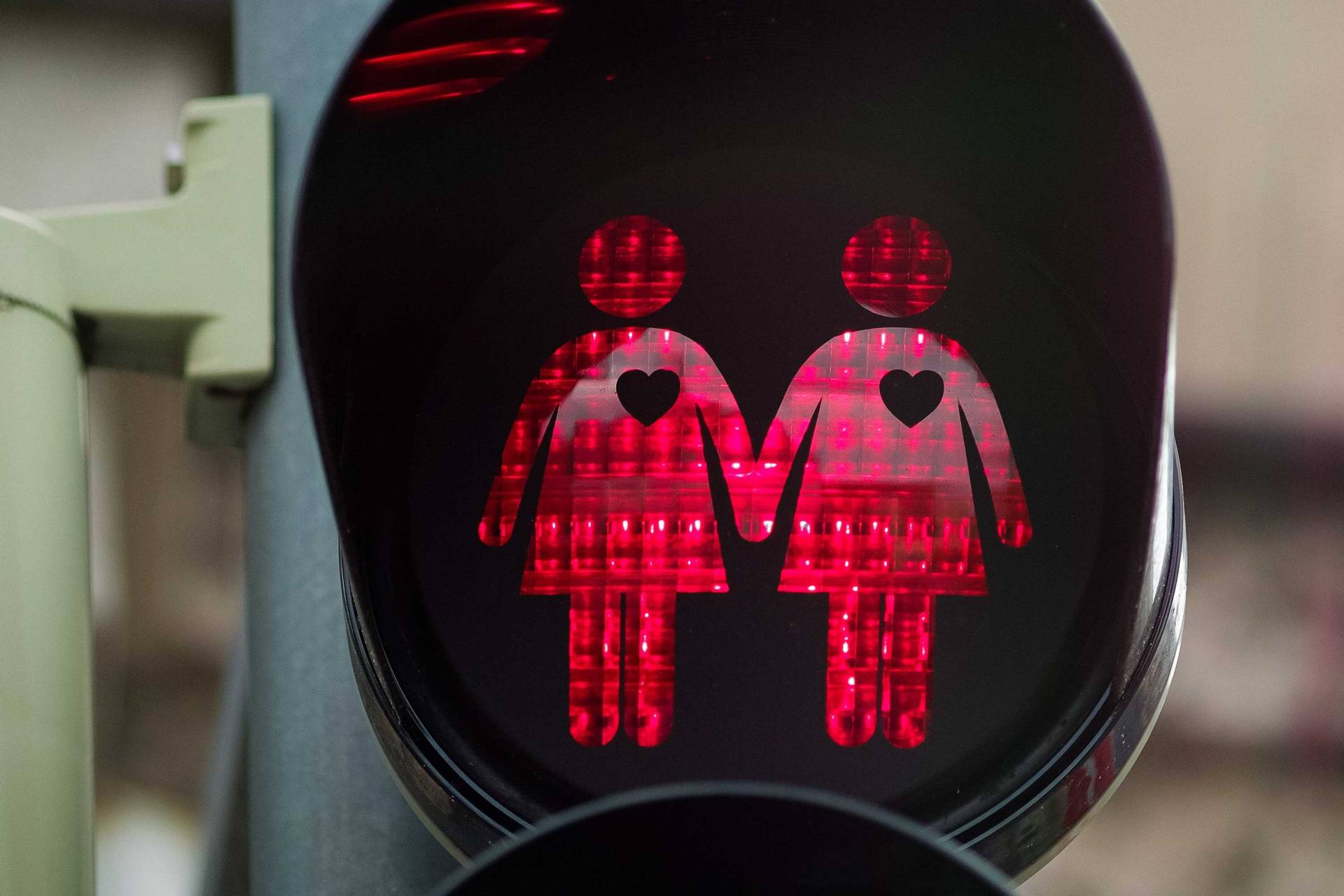
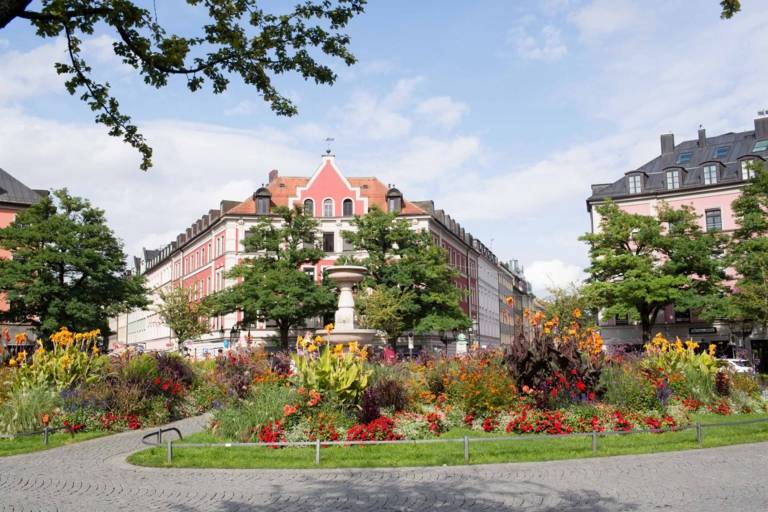
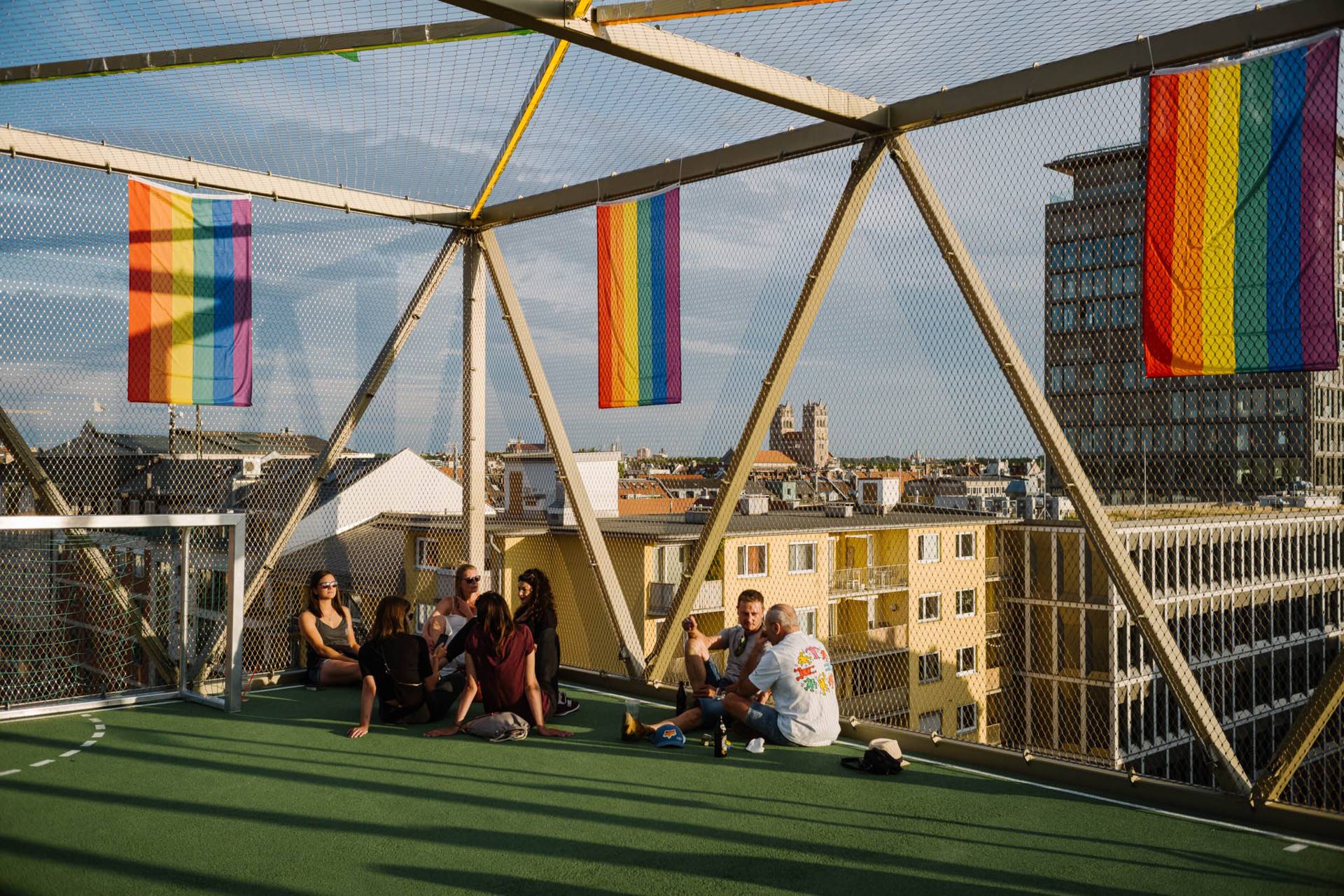
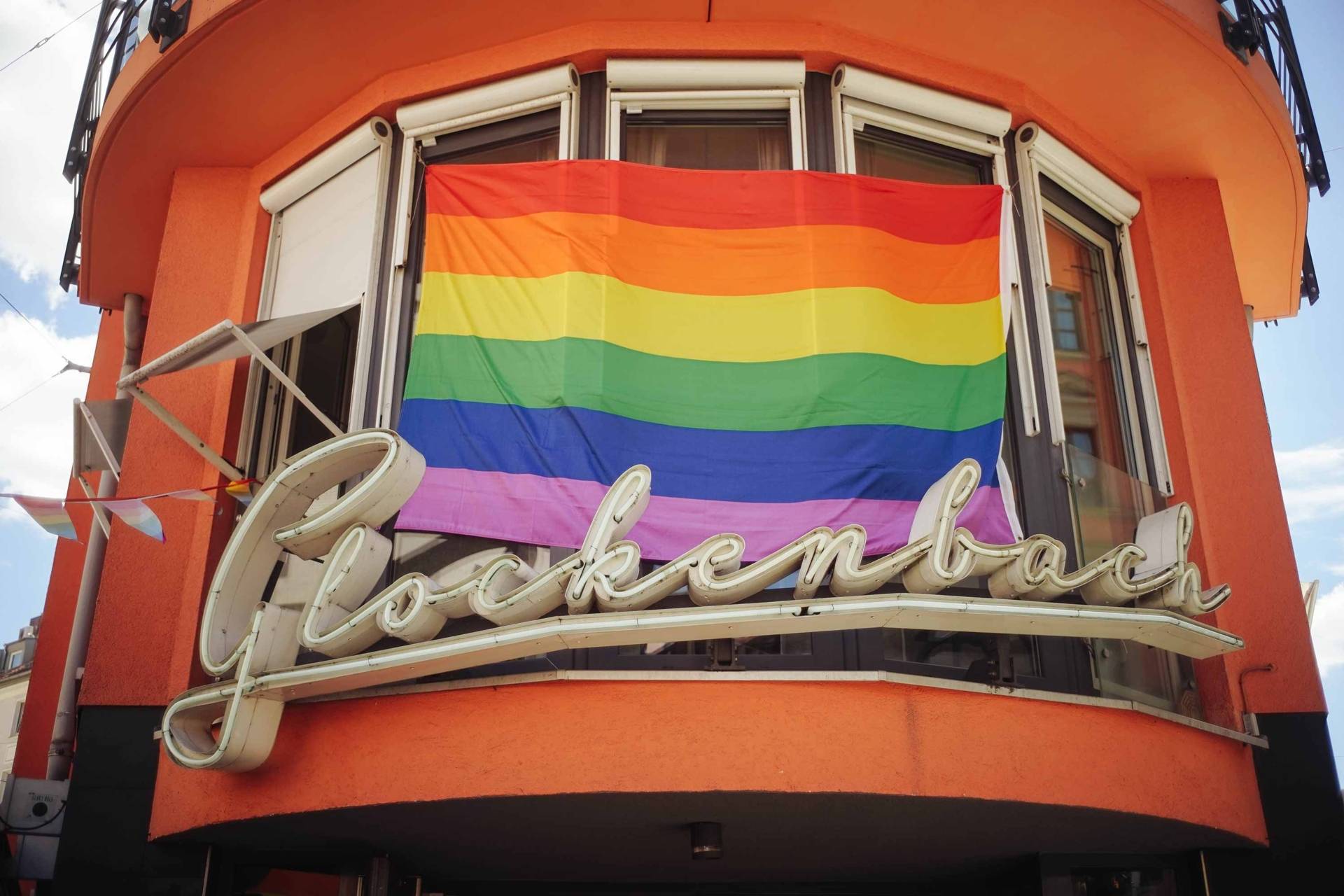
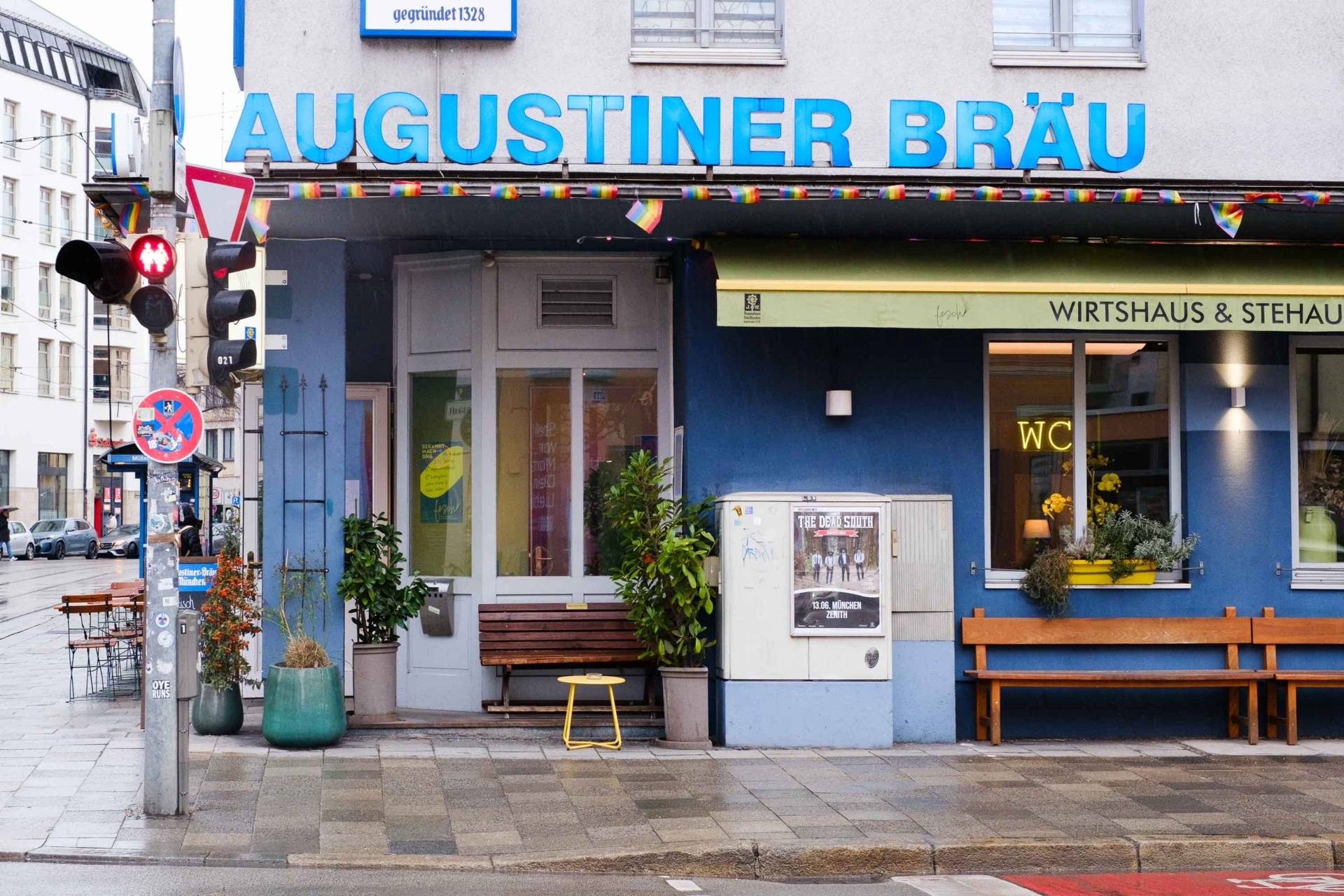
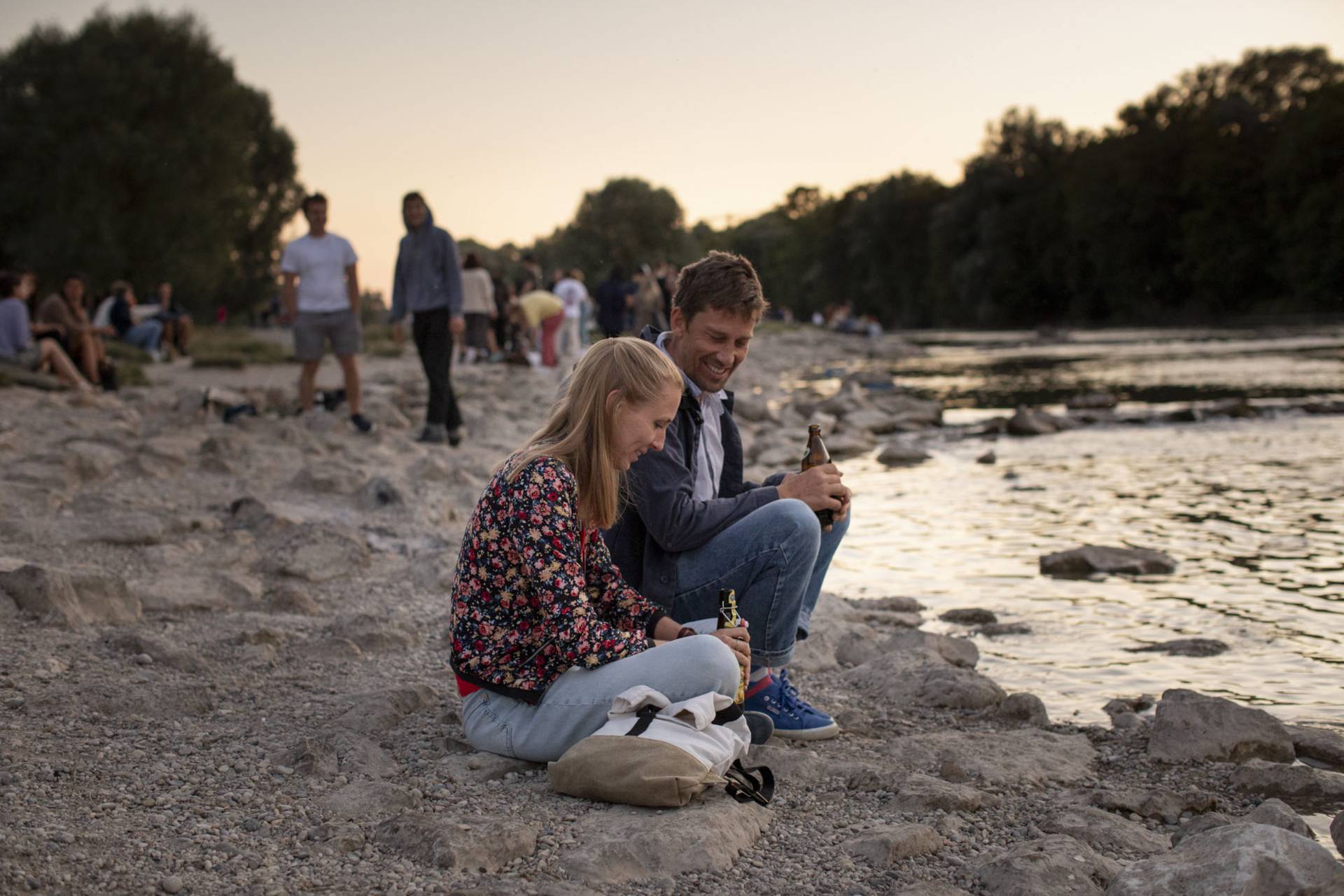
The Glockenbachviertel is within easy walking distance of the city centre. The workshops of the former artisans' quarter have given way to an array of original shops and bars. The neighbourhood is also very much home to Munich's queer community – it is no coincidence that Germany's largest gay sauna, the Deutsche Eiche, sits at the heart of the district. Just how fully homosexuality and LGBTIQ+ culture have become part of everyday Munich life is evident, among other things, in the same-sex holding-hands pedestrian crossing figures found throughout the Glockenbachviertel – a popular subject for photographs. The cultural anchor of the area is the Gärtnerplatztheater (theatre) which opened in 1865 — strictly speaking located in the Gärtnerplatzviertel rather than the Glockenbachviertel, though locals tend to consider the two as one. The neighbourhood's greatest asset, however, is its proximity to the banks of the Isar, where you can swim in the river and, on warm summer evenings, ease gently into the night-time.
Those lucky enough to find an affordable flat – because the neighbourhood is enormously popular thanks to its closeness to both the city centre and the Isar. Traditionally, the Glockenbach and the area around Gärtnerplatz have been the part of Munich where queer people choose to live, work and socialise – much as Queen frontman Freddie Mercury and filmmaker Rainer Werner Fassbinder did in the 1980s.
Gärtnerplatz with the Gärtnerplatztheater, the re-naturalised Isar, the many urban streams running through the neighbourhood, the Deutsche Eiche (whose restaurant and rooftop terrace are equally welcoming to straight guests), the bars, shops and pubs throughout the area – especially along Reichenbachstraße – and the traditional inn Fraunhofer (open since 1774).
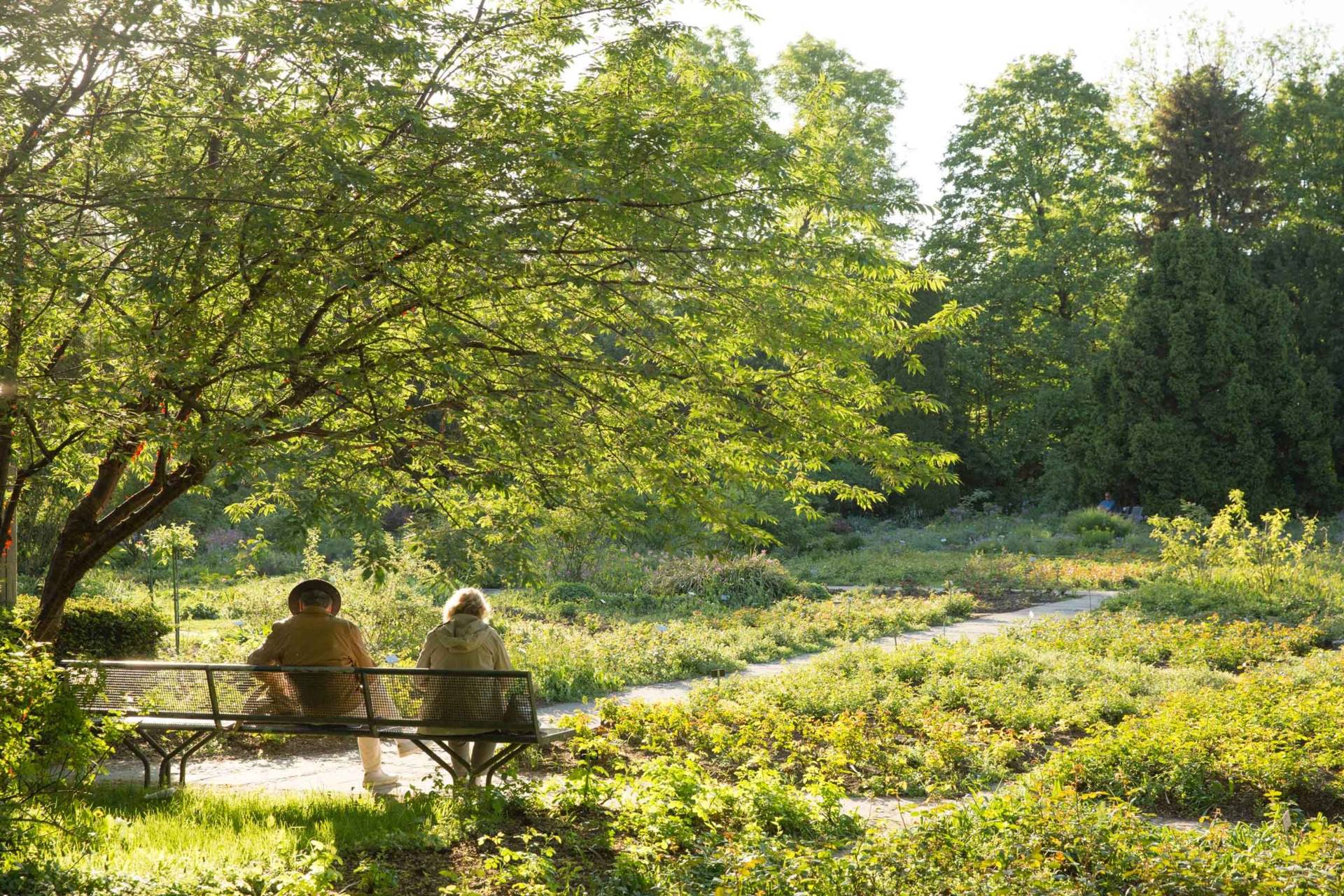
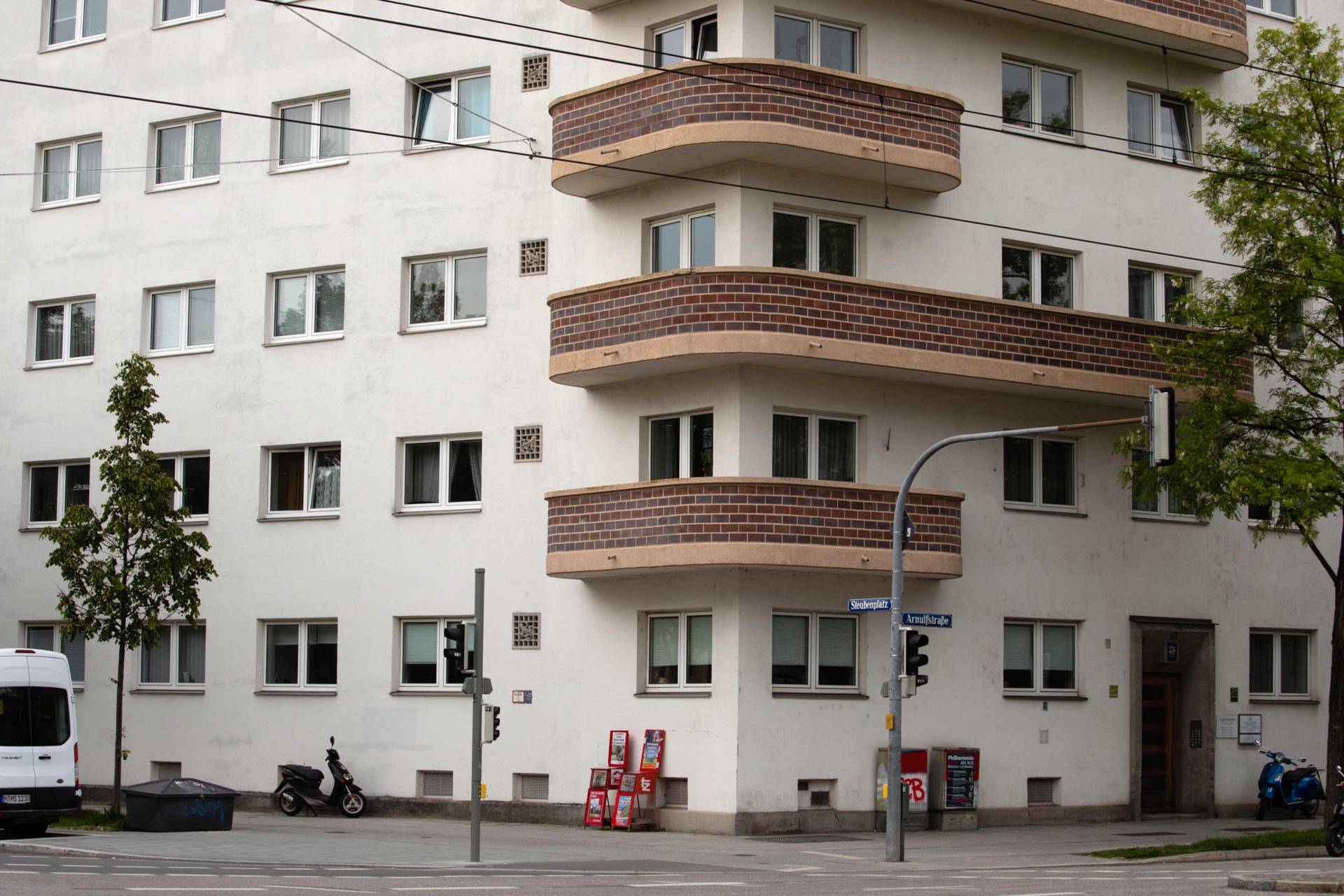
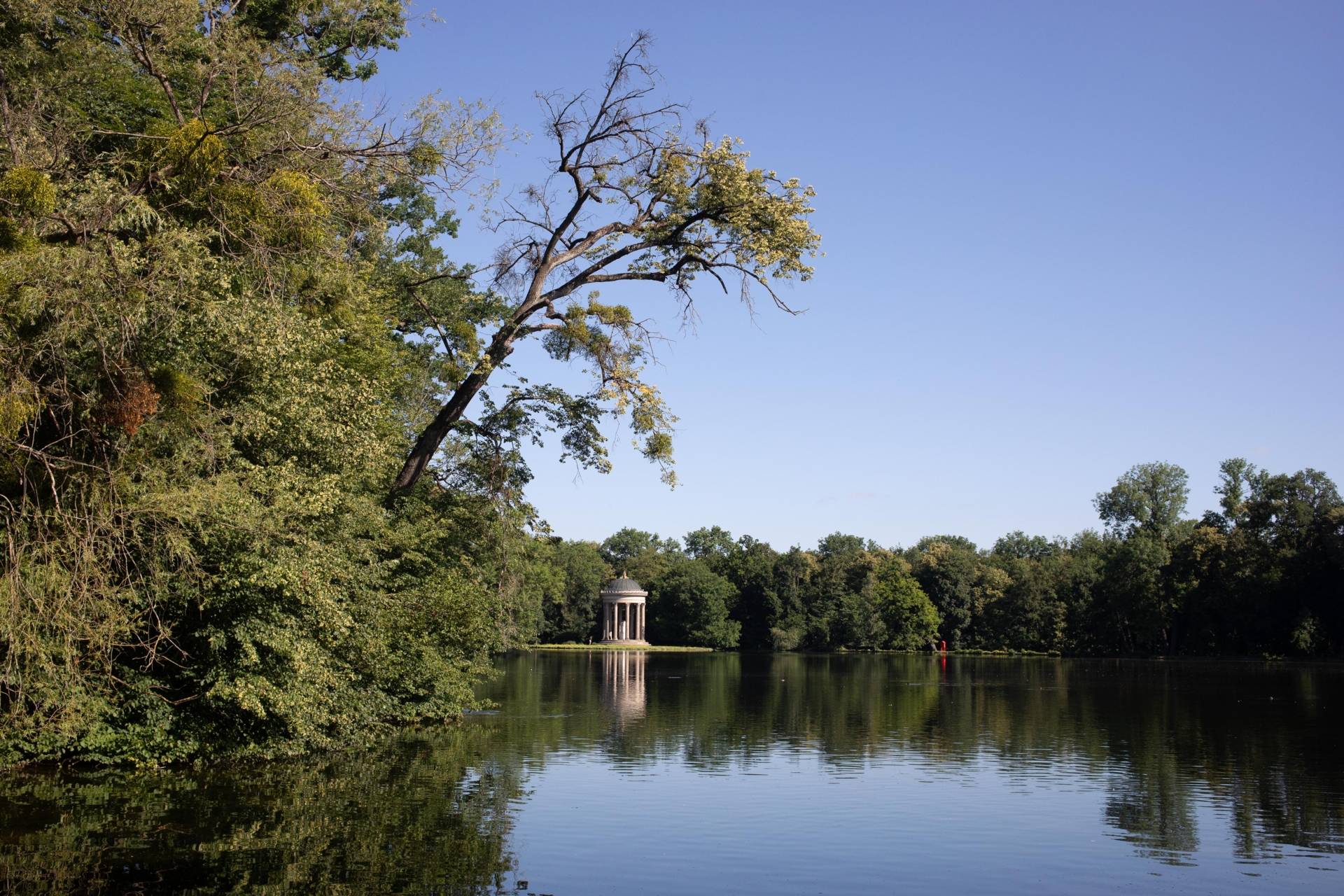
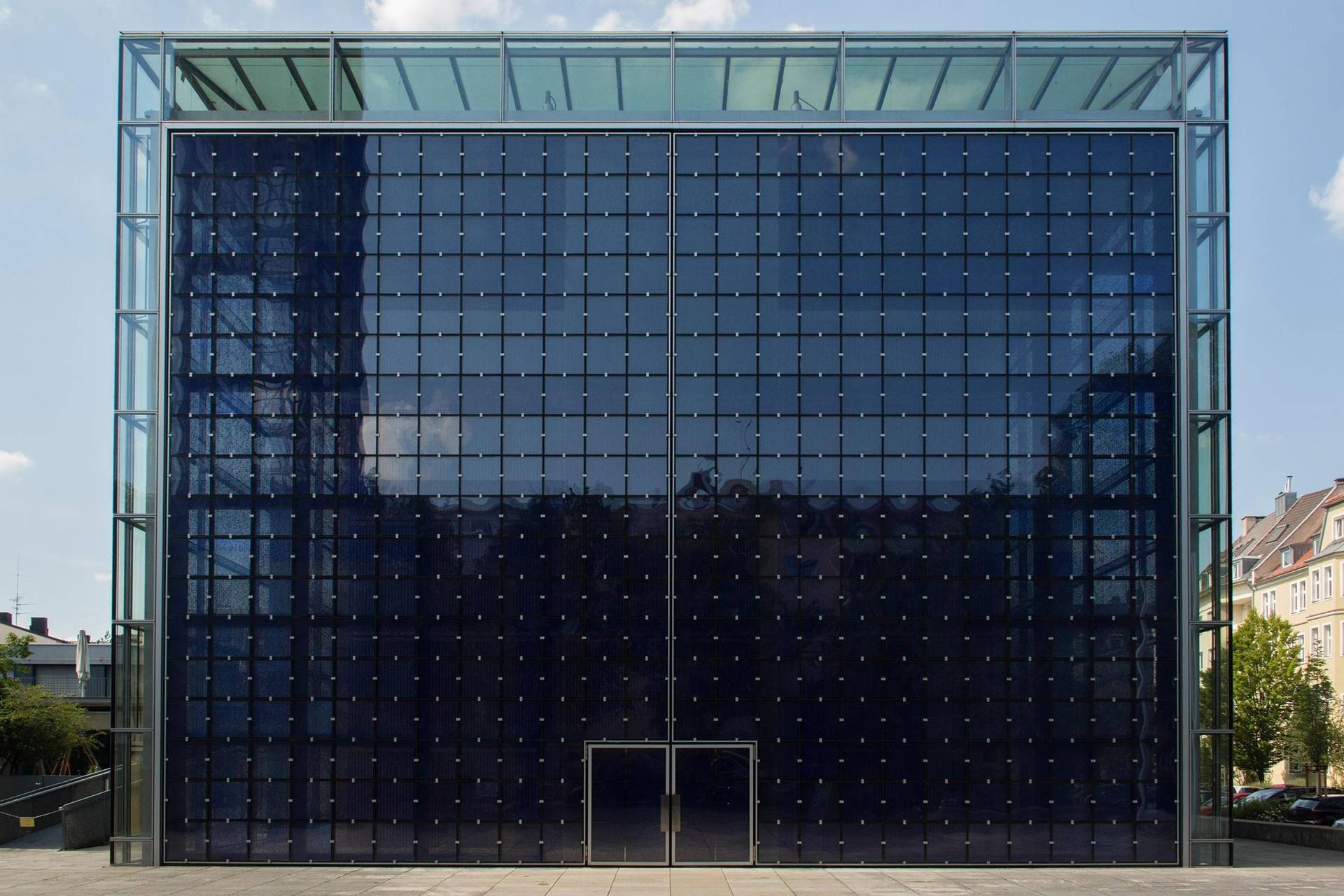
Neuhausen-Nymphenburg is defined by its proximity to Nymphenburger Schloss (palace). The central wing was commissioned by Elector Ferdinand Maria in the Italian style in 1664, with the side wings added between 1680 and 1726. The palace grounds, with their canal and ornamental pavilions, are ideal for jogging and leisurely walks. The further reaches of the park grow increasingly wild, home to deer, hares, foxes and rare bird species. No one can quite say any more where Nymphenburg ends and the medieval settlement of Neuhausen begins – the two quarters have long grown into one. Around the grand avenues leading up to the palace stand Gründerzeit villas; around Rotkreuzplatz you'll find what are arguably Munich's finest terraced houses alongside residential blocks in the Bauhaus style. Lachner Straße is home to the Herz-Jesu-Kirche, a remarkable example of contemporary architecture. In summer, you'll be spoilt for choice between the Taxisgarten and Hirschgarten beer gardens, where locals and visitors from across the world come together in equal measure.

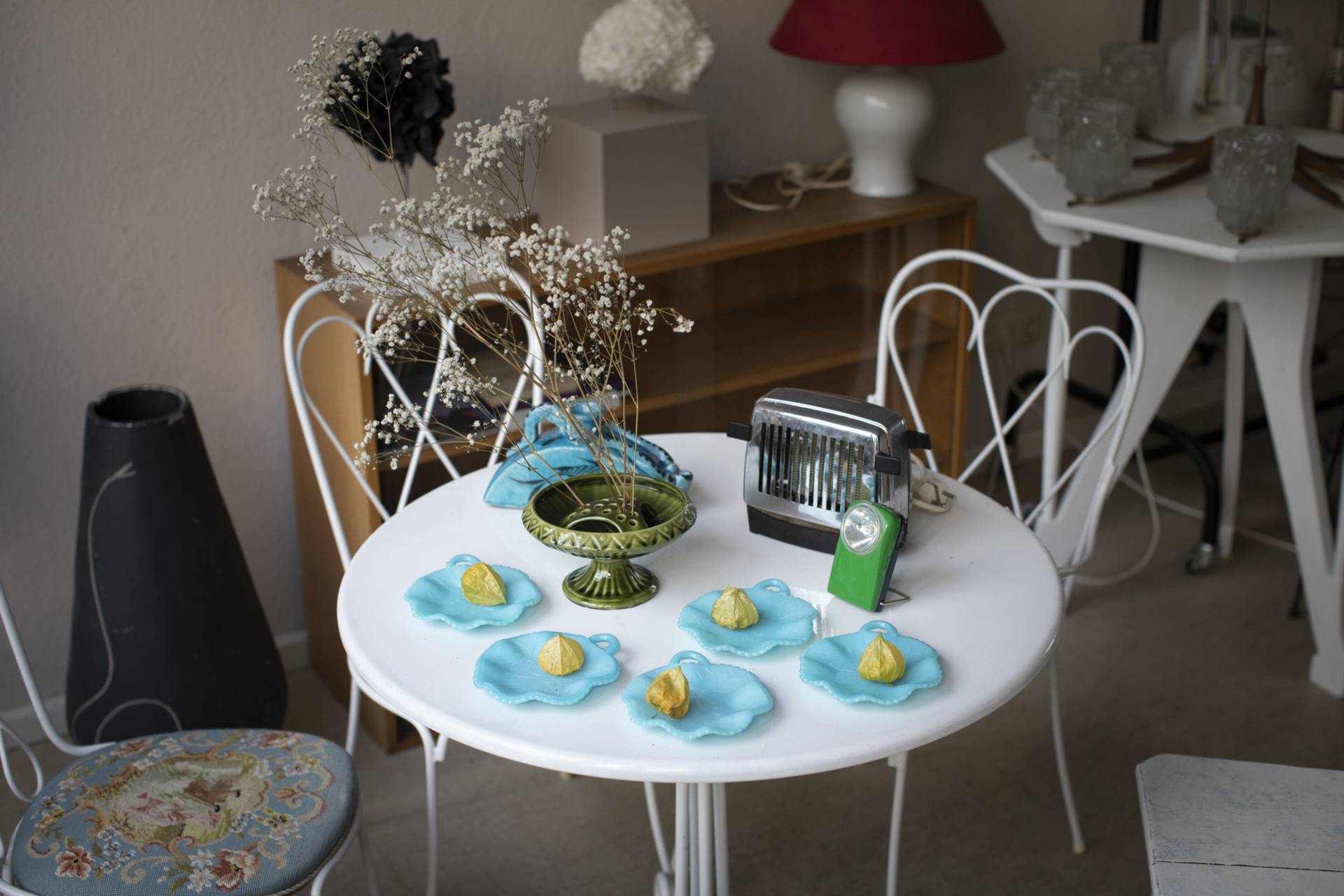
The typical resident of Neuhausen-Nymphenburg is a connoisseur of the good life – or so the neighbourhood's shops, cafés and restaurants would suggest. Coffee comes from small independent roasters, bread and rolls carry the Bioland organic seal, and a fine glass of wine is never turned down. Summer is spent on the balcony in vintage garden furniture sourced from the concept store next door, or at one of the cafés and restaurants just down the road.
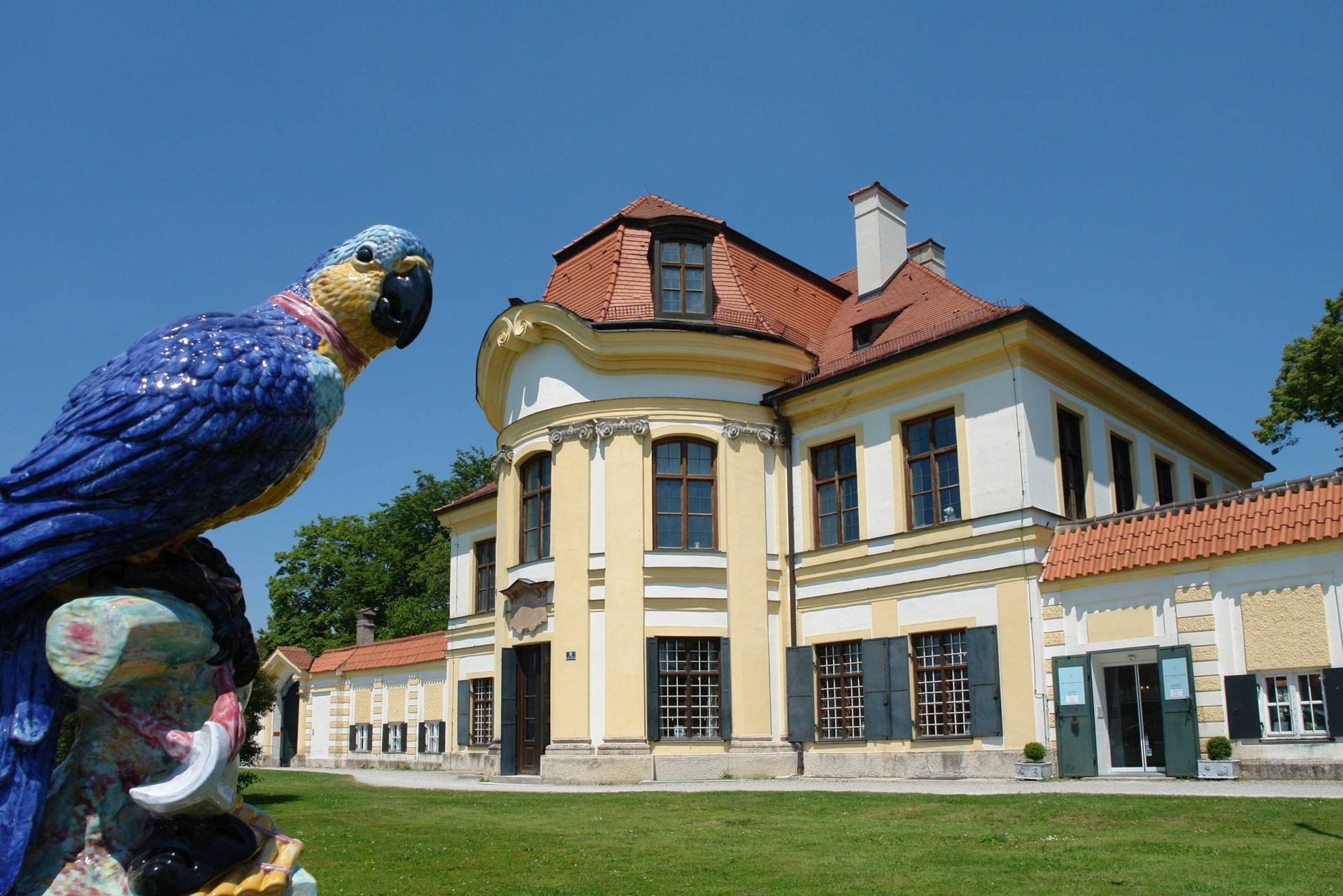
Schloss Nymphenburg, the Botanical Garden, the Museum Mensch und Natur, the Marstallmuseum, the Museum Nymphenburger Porzellane and the manufacturer's flagship store, the Taxisgarten and Hirschgarten beer gardens, the Herz-Jesu-Kirche, and the many independent shops, cafés and restaurants around Rotkreuzplatz – particularly along Volkartstraße.
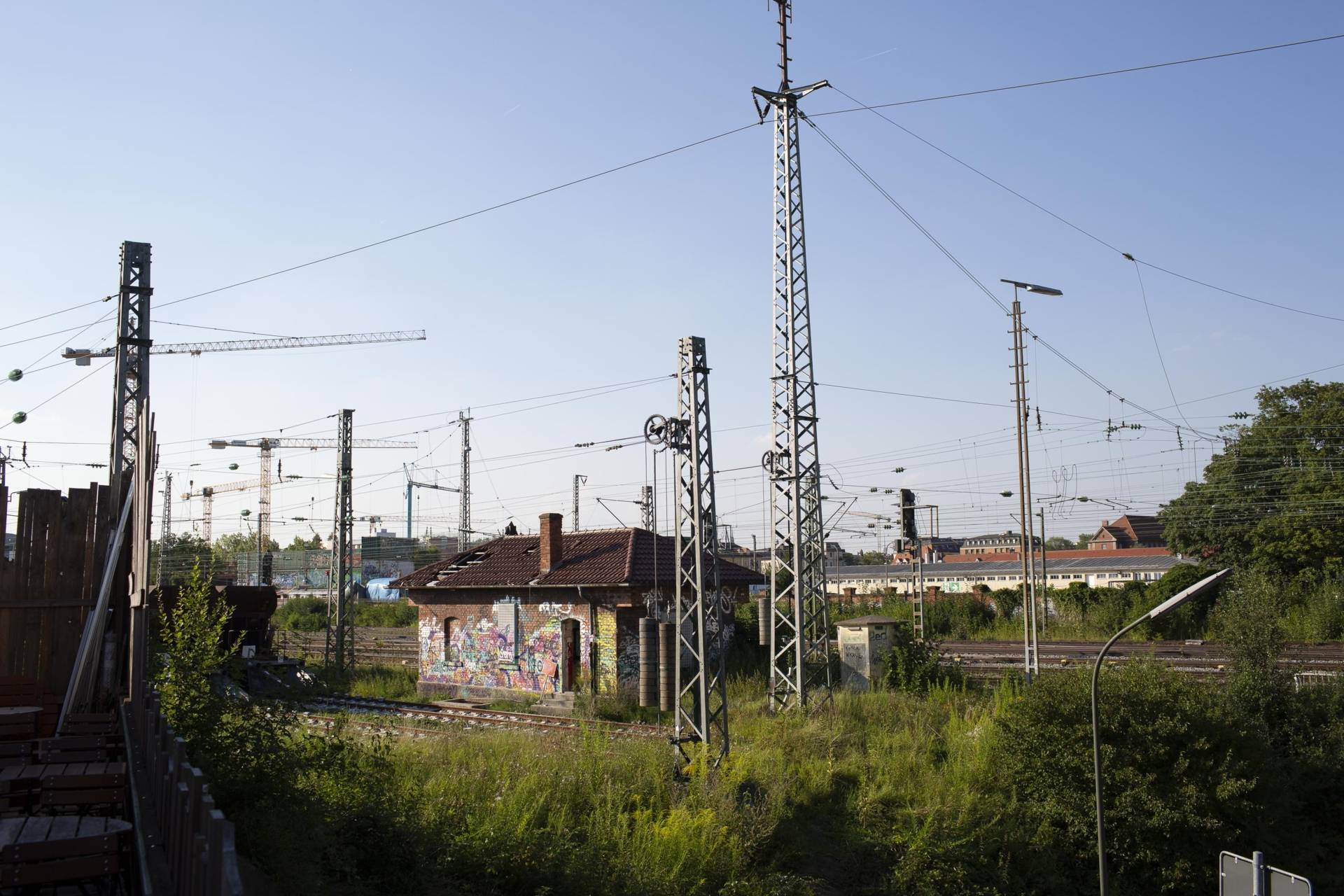
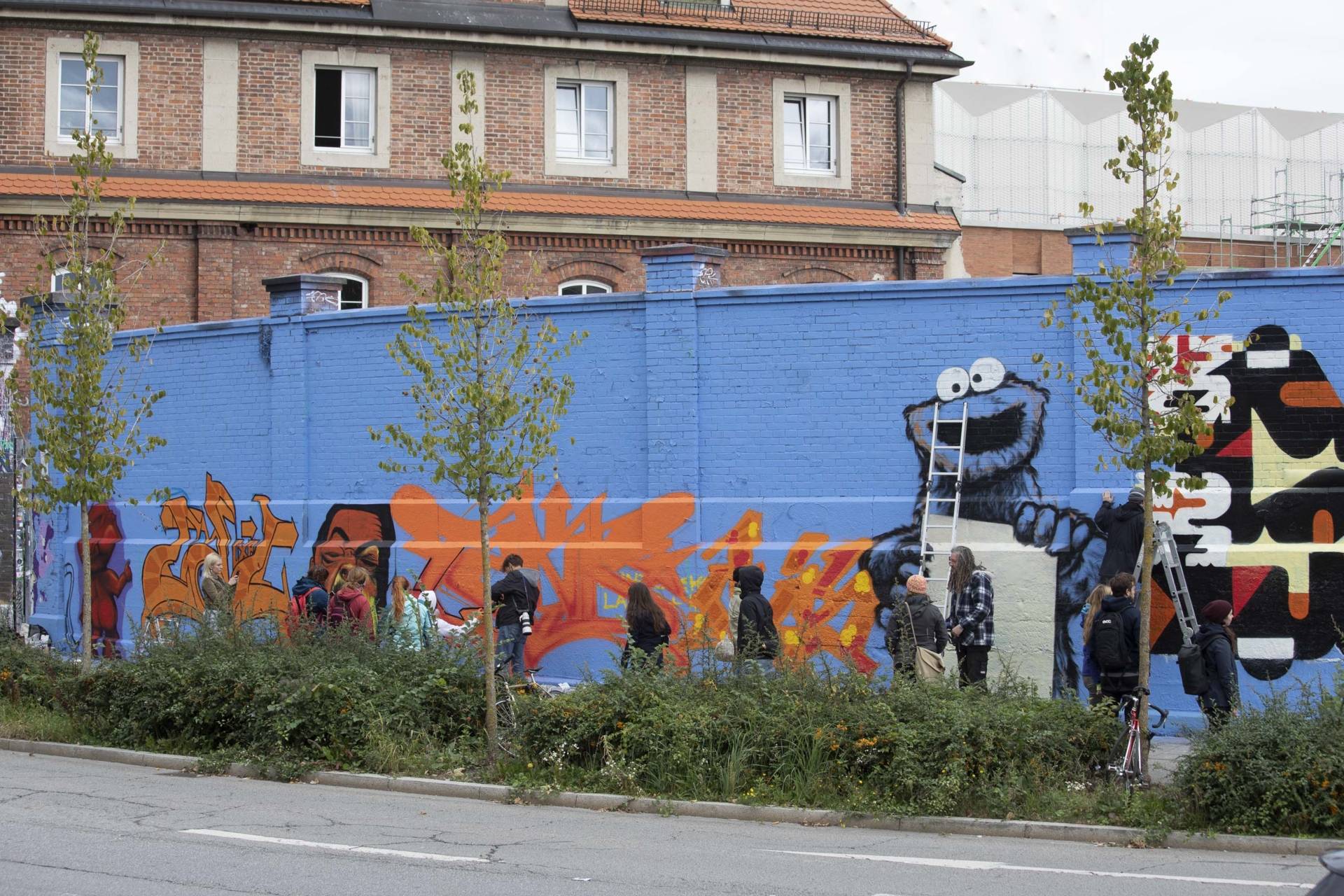
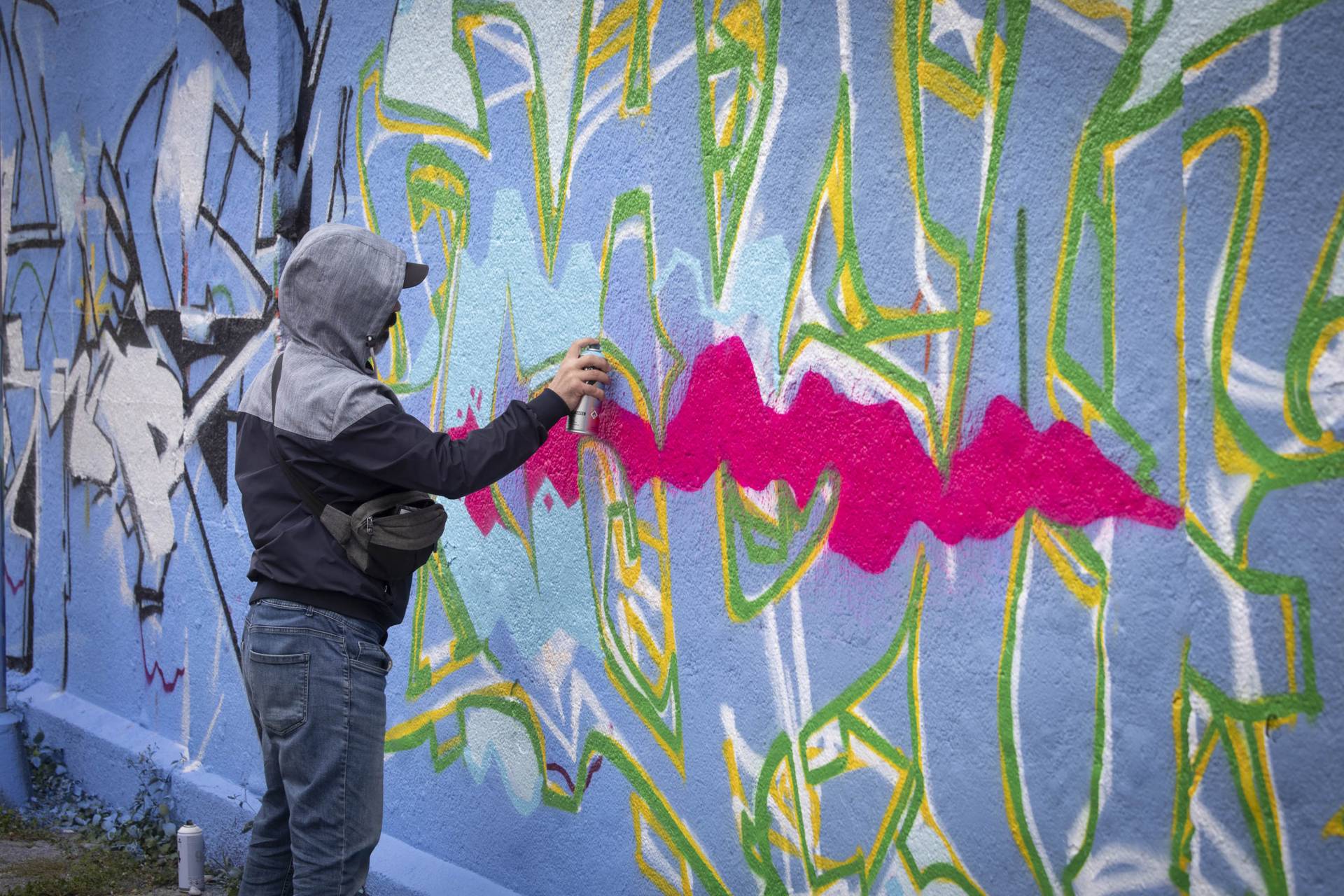
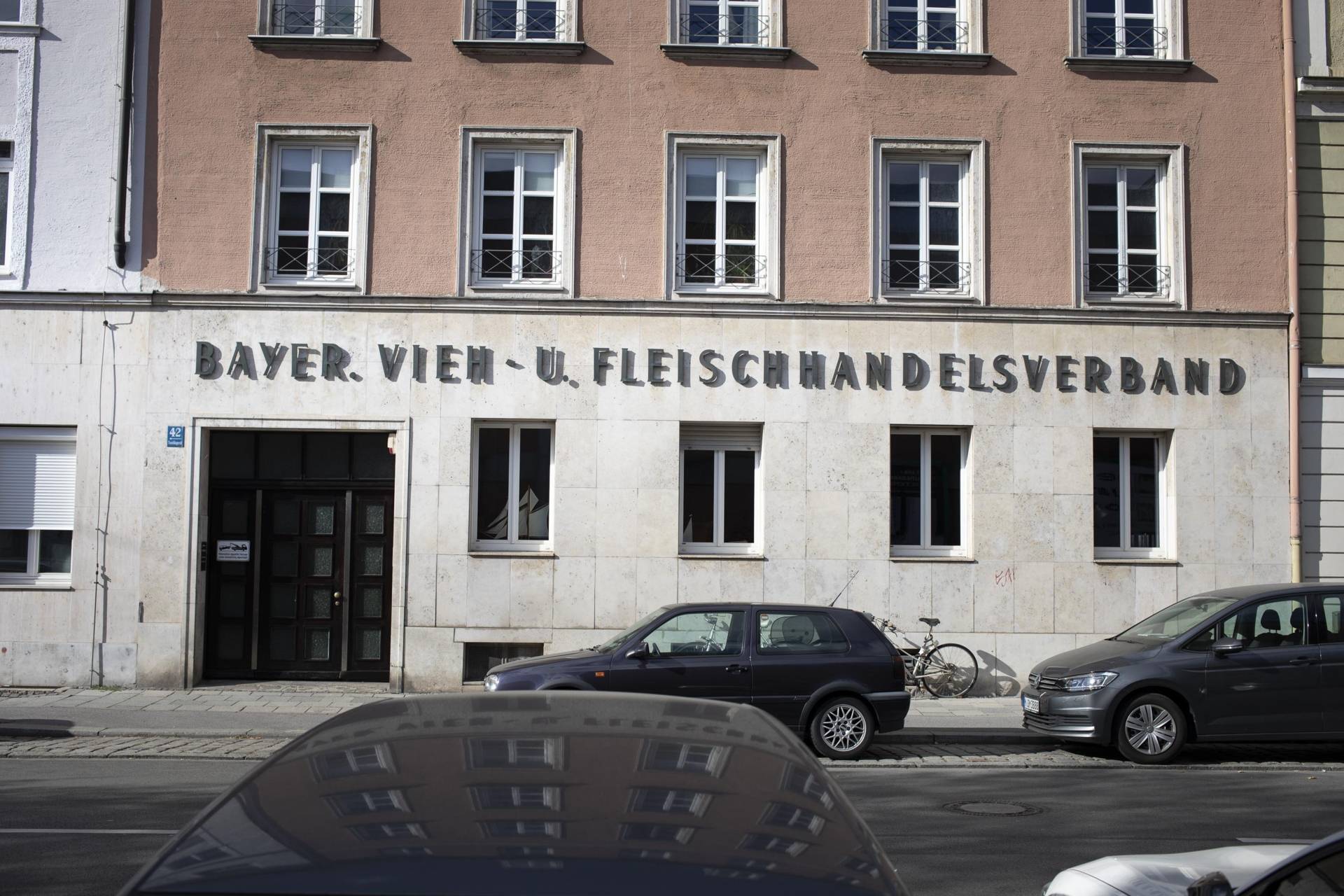
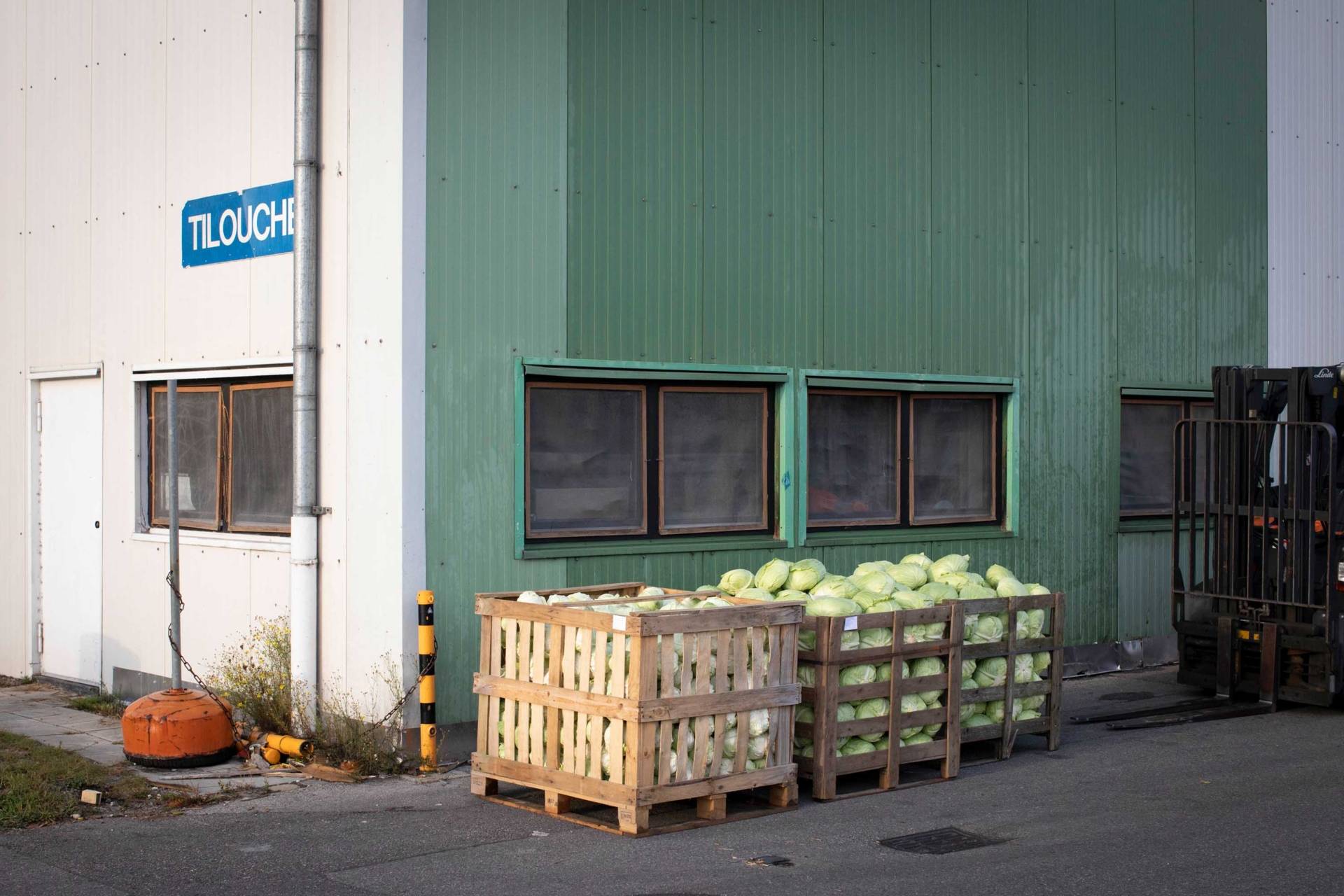
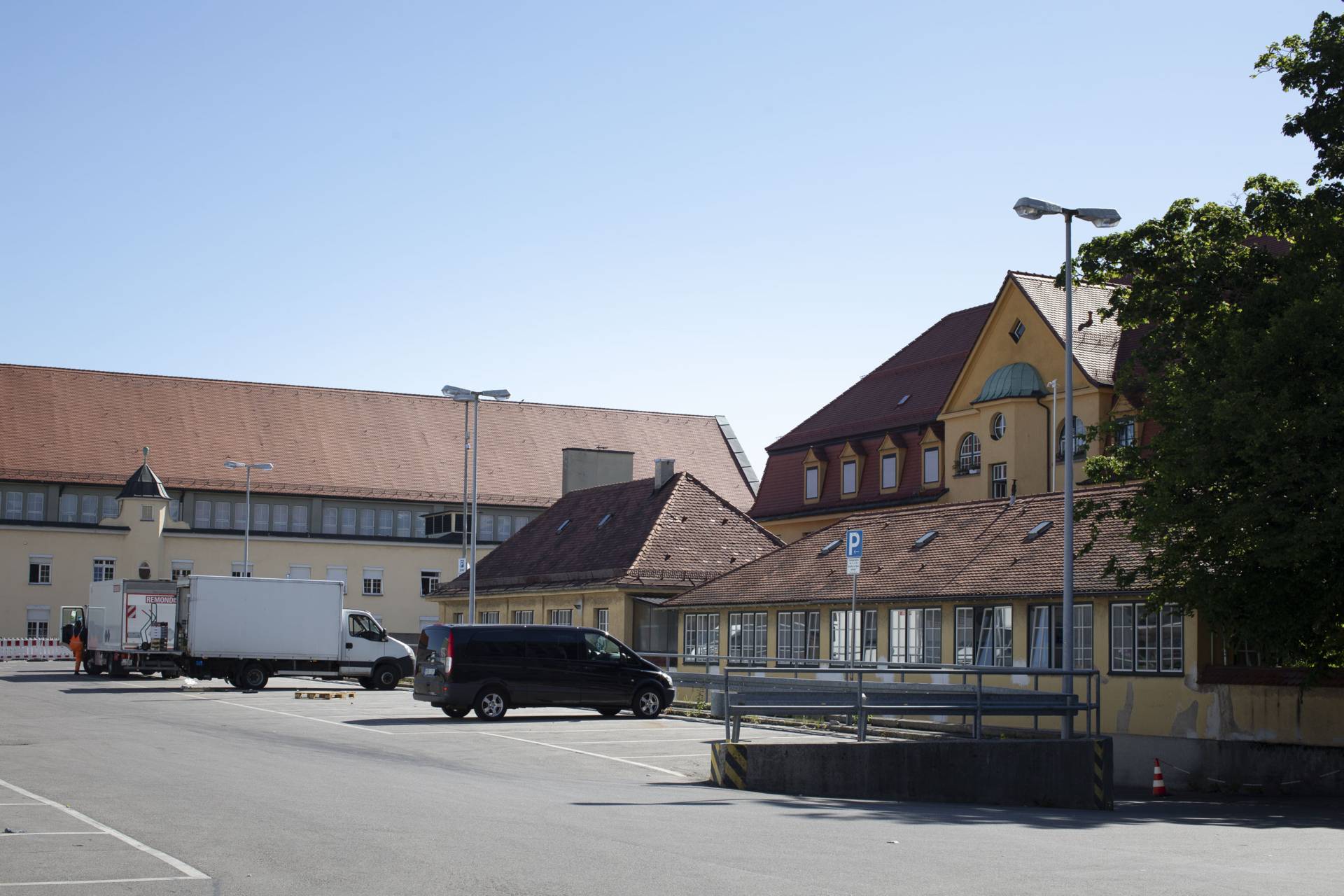
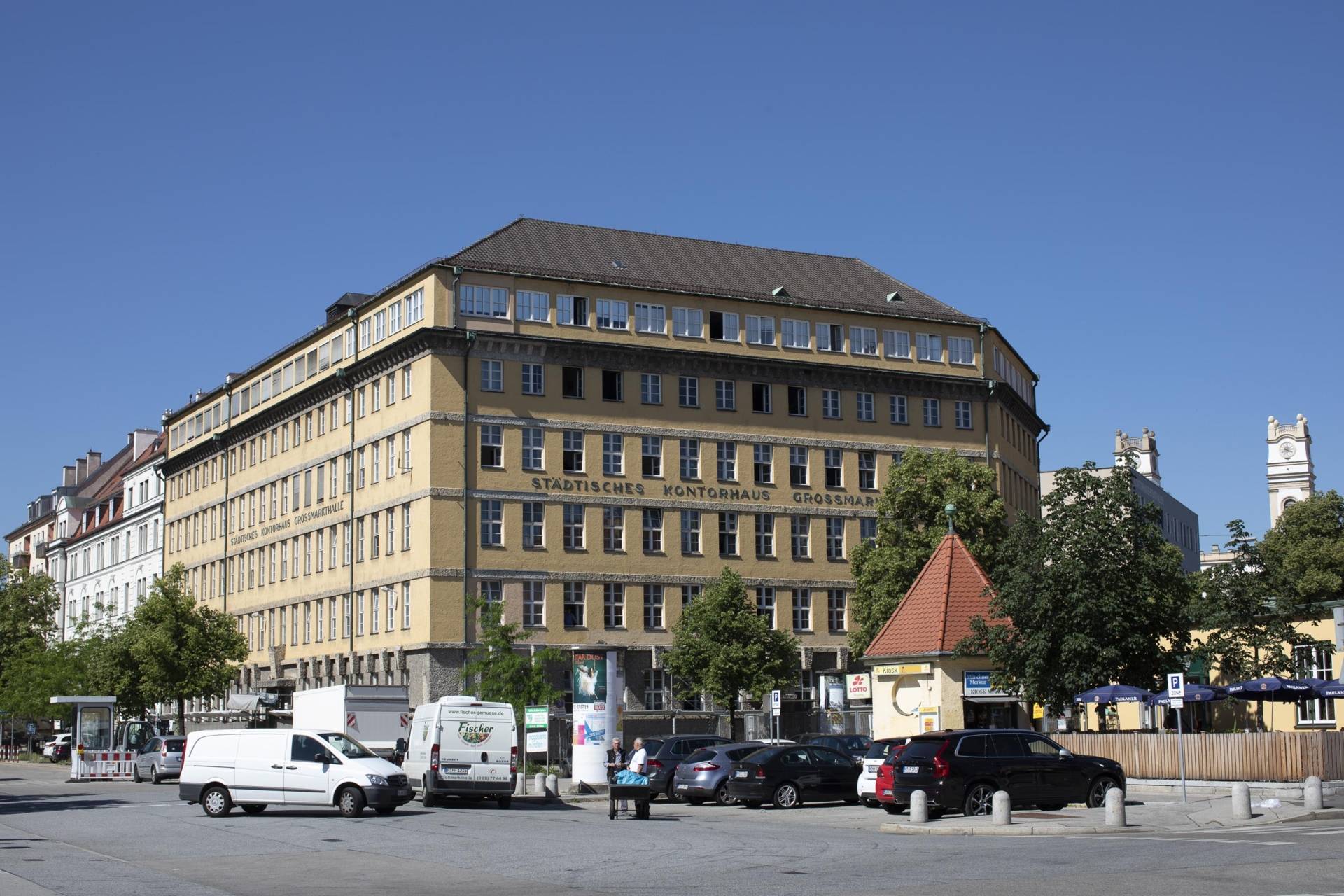
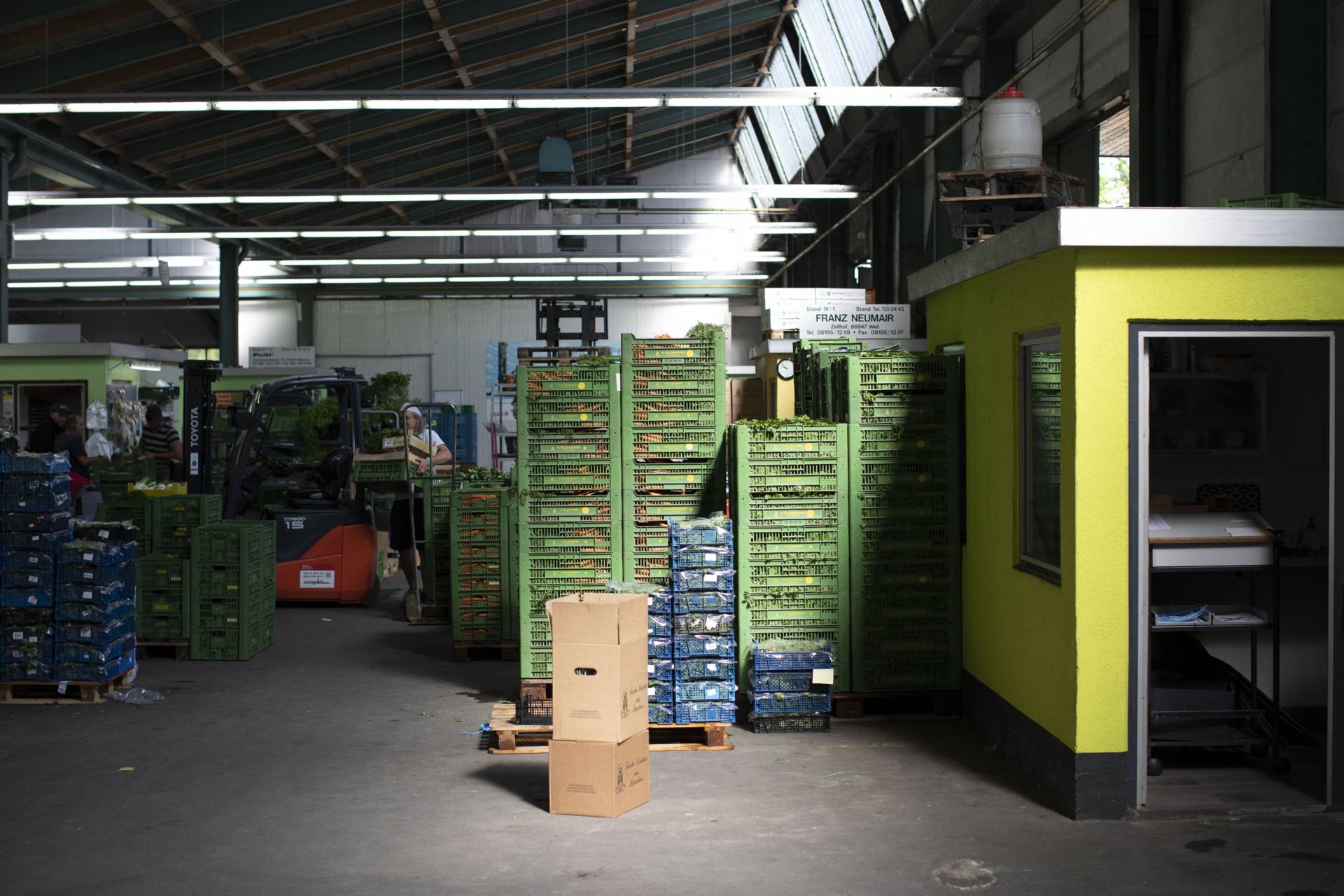
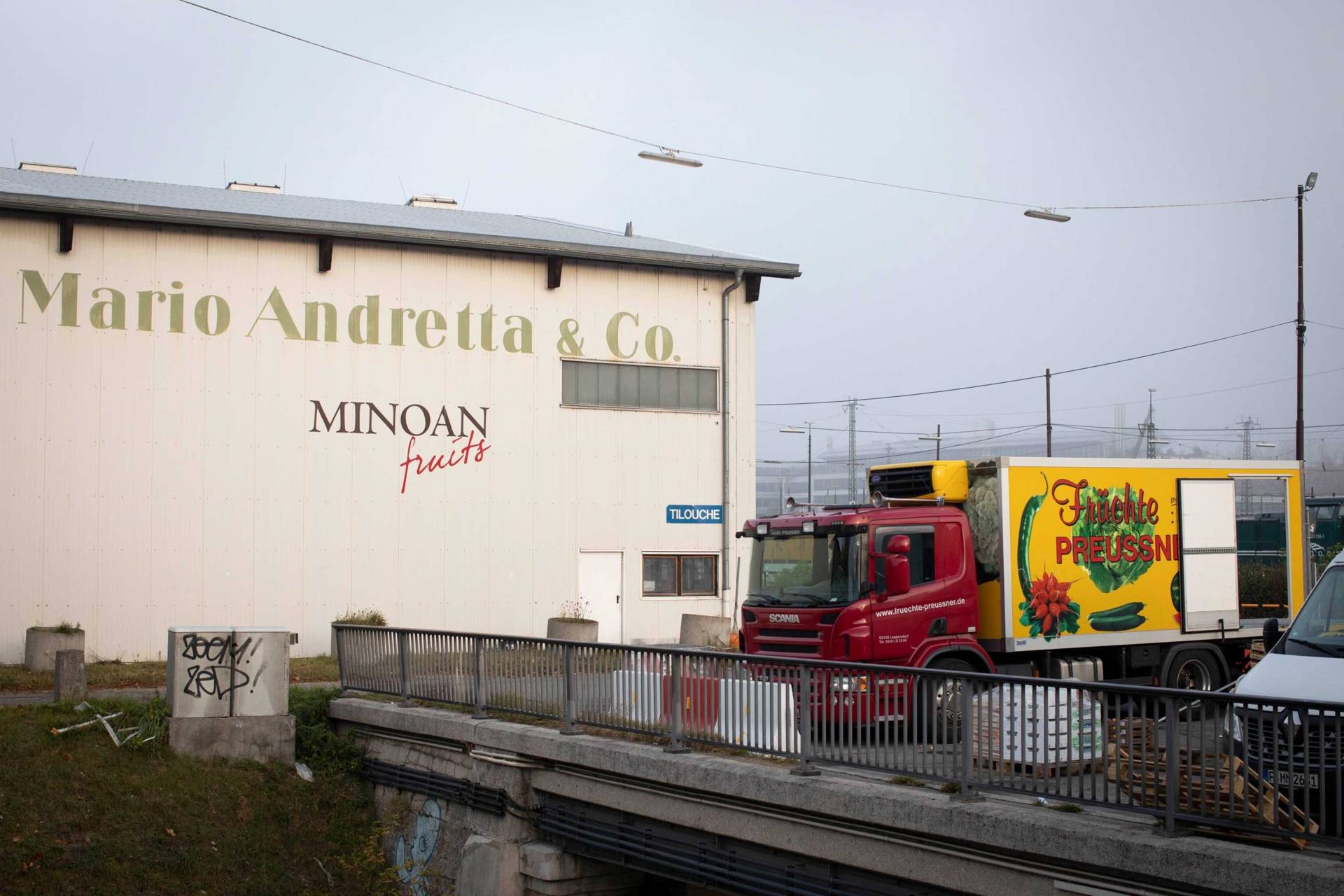
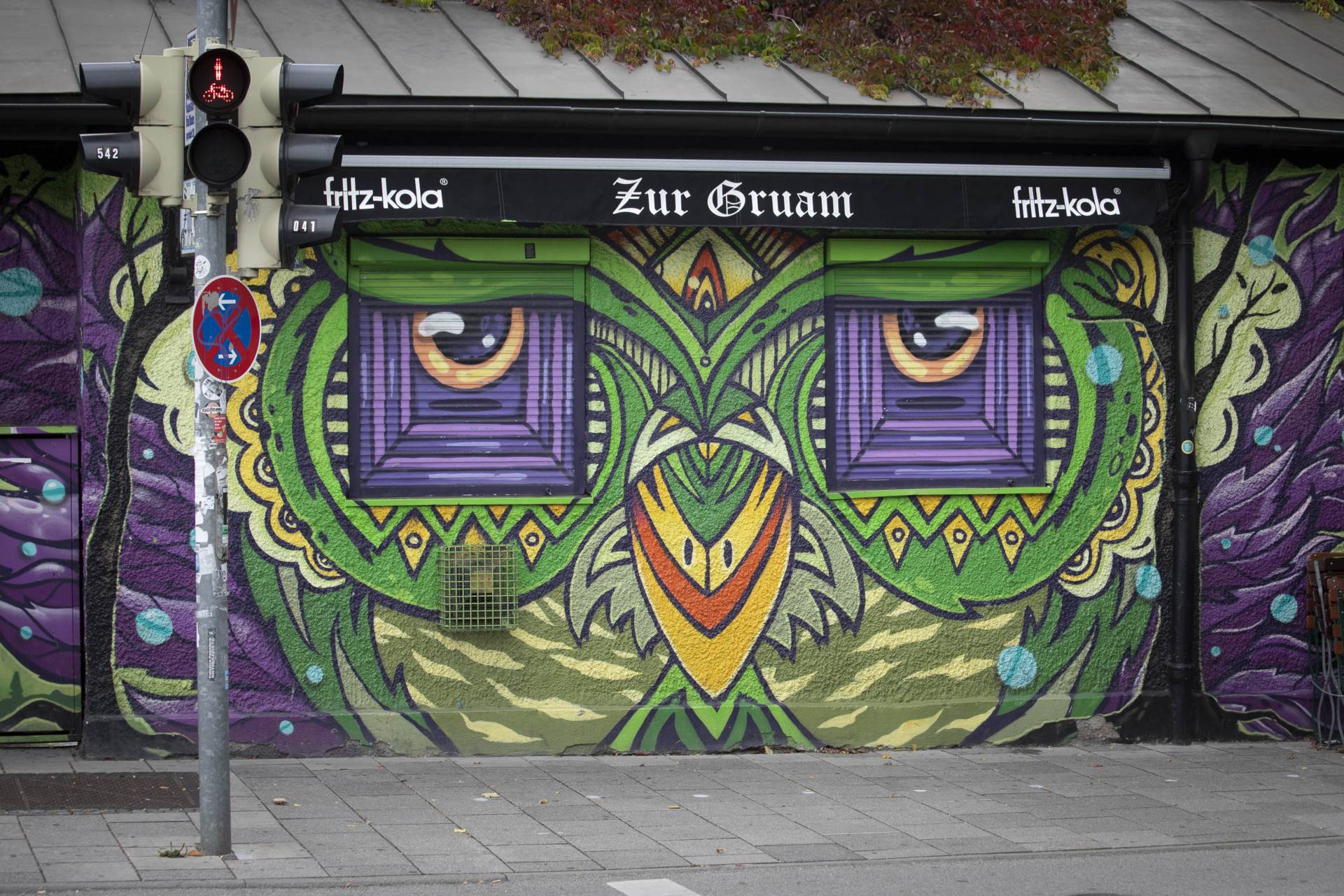
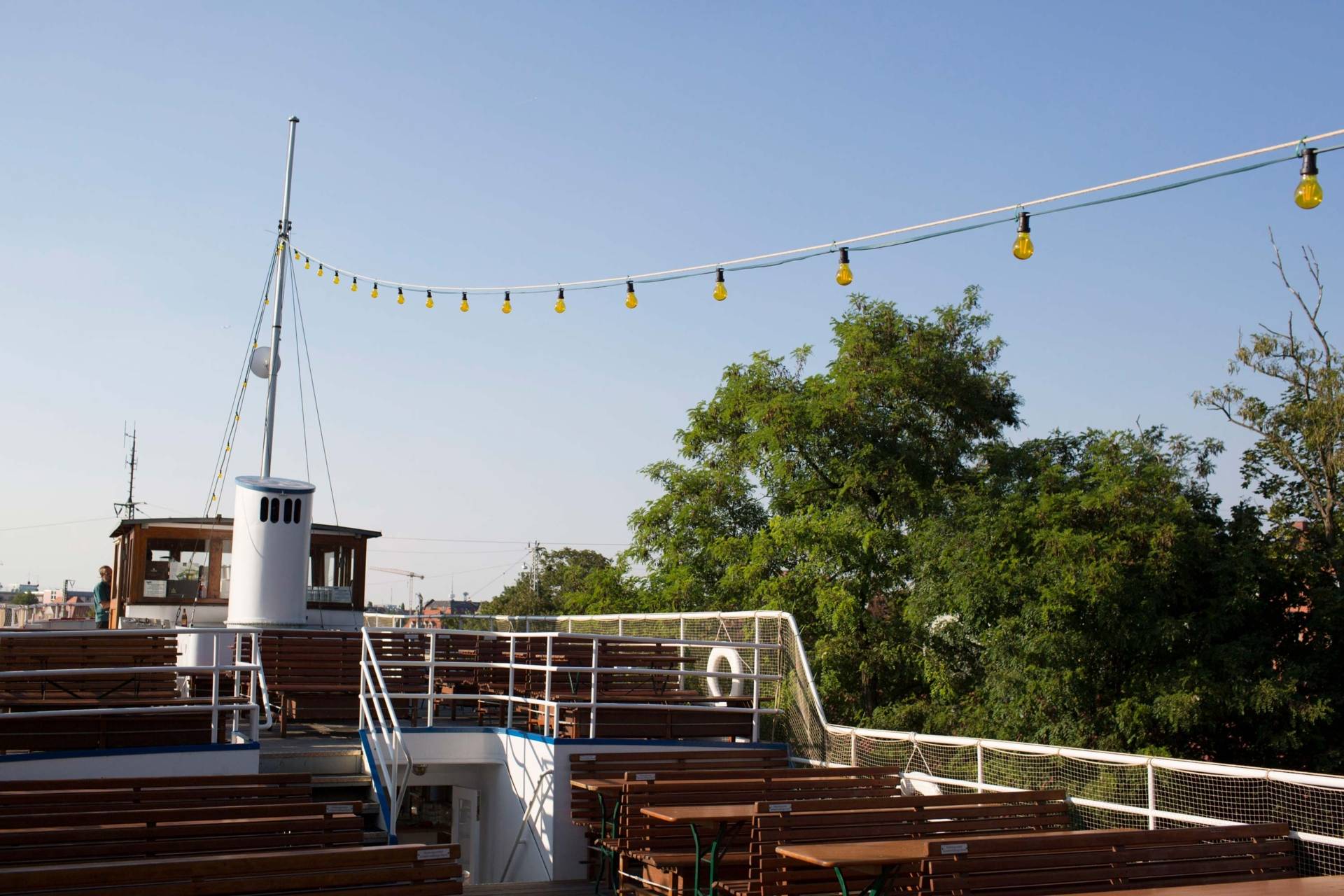
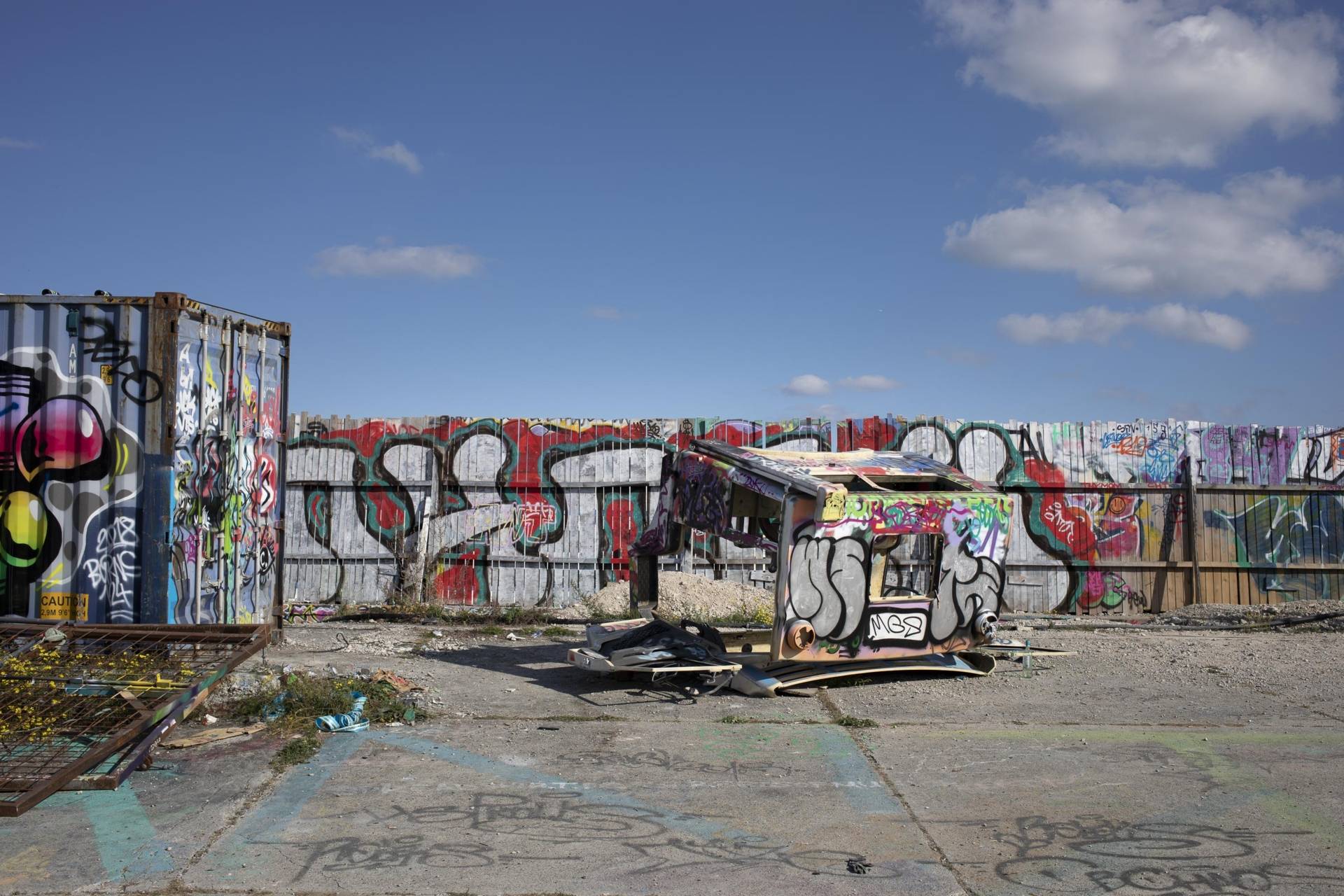
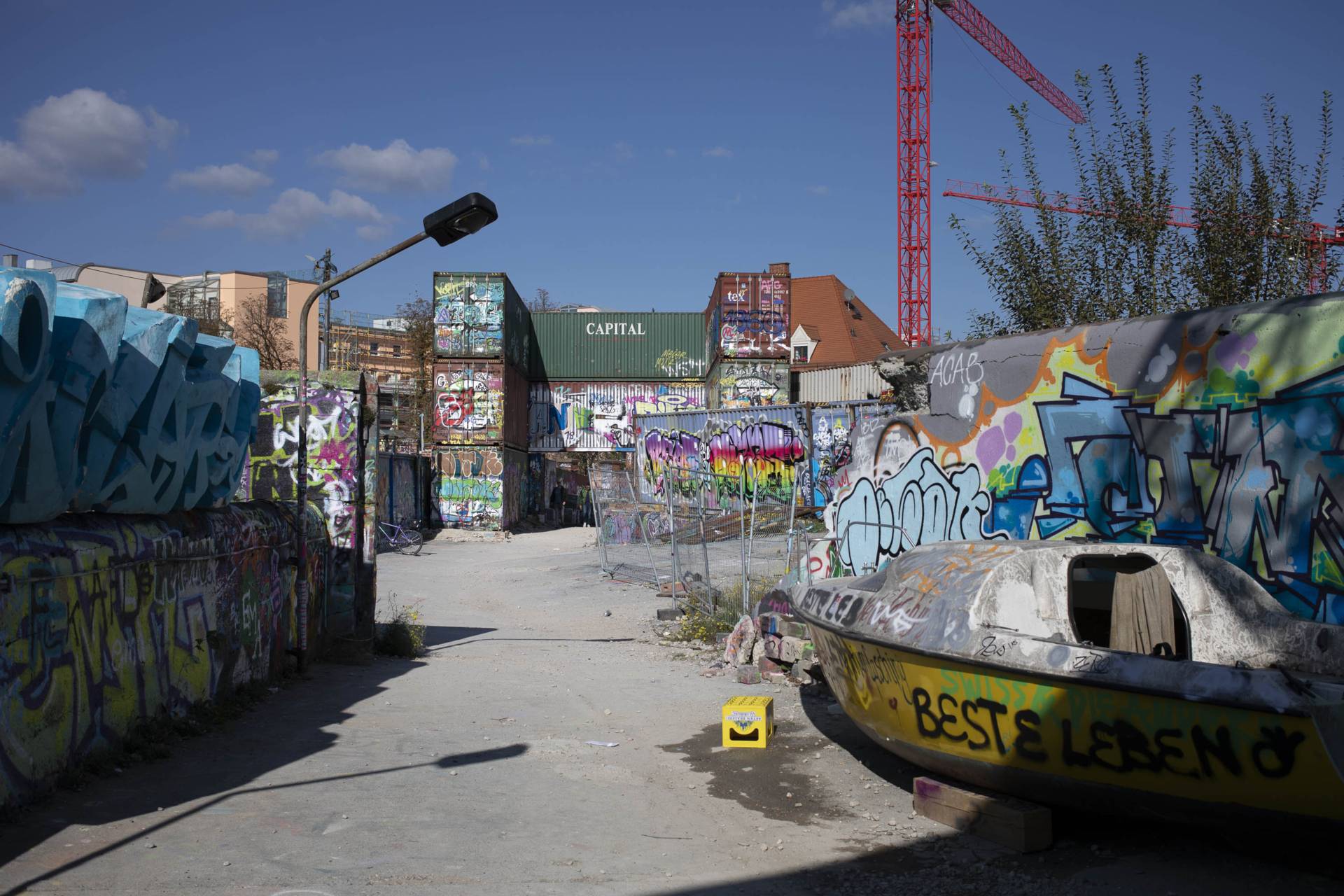
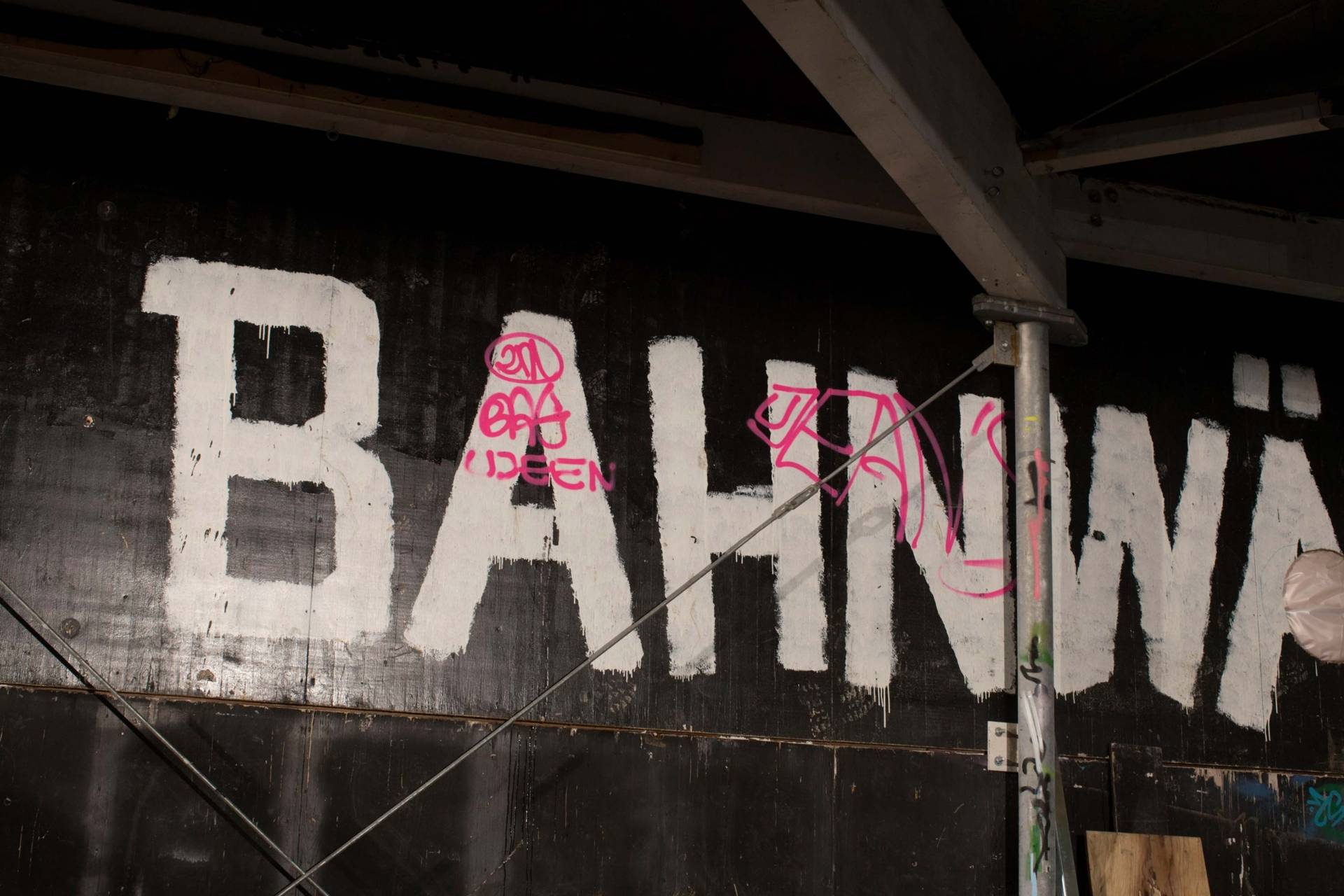
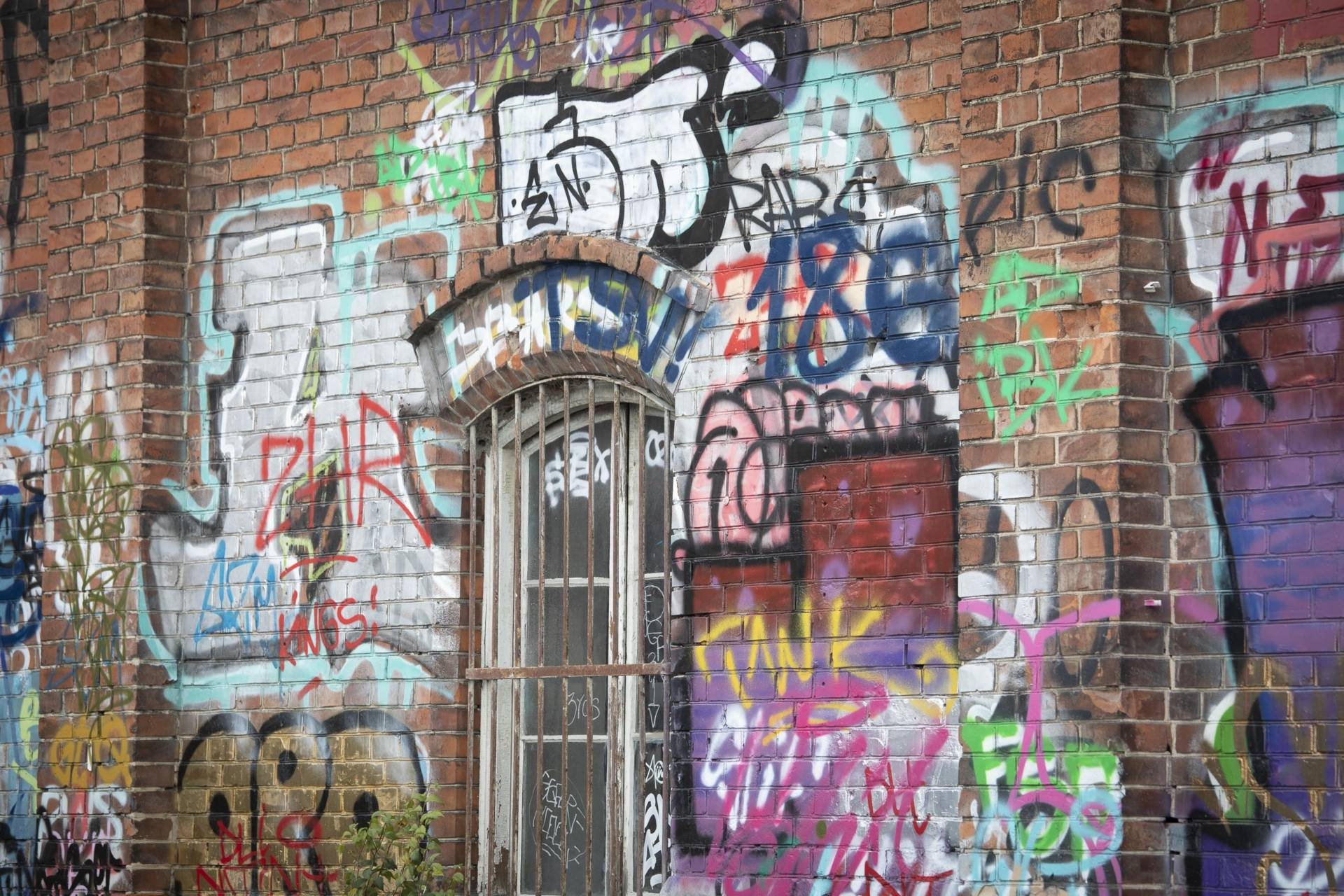
As meat production and livestock trading have moved out of the area, large swathes of the Schlachthofviertel have been freed up over the past twenty years for cultural projects. These include the Open Wall Graffiti installations along Tumblingerstraße and "Bahnwärter Thiel" – a small city assembled from decommissioned trams, underground carriages and artistically painted shipping containers. Something close to legendary is the Alte Utting: a former Ammersee passenger steamer, now perched atop a bridge, from whose deck you can enjoy sweeping views over the urban wilds stretching from the old south railway station to the Großmarkthalle — not only in summer. Just around the corner is the "Gruam", probably the smallest nightclub in the city. With its dense cluster of clubs and bars, the Schlachthofviertel is Munich's unofficial party district. The new Volkstheater fits neatly into this series of innovative cultural projects, alongside the beloved "Wirtshaus im Schlachthof".
Lucky people! Because this is one of the most vibrant and distinctive neighbourhoods in the city, and it hasn't lost its feet on the ground. The people here ensure that diversity is preserved, from the flower beds tended by residents on Zenettiplatz to the new Volkstheater building, whose brick façade and integration of historic structures pay tribute to its location on the former livestock yard site.
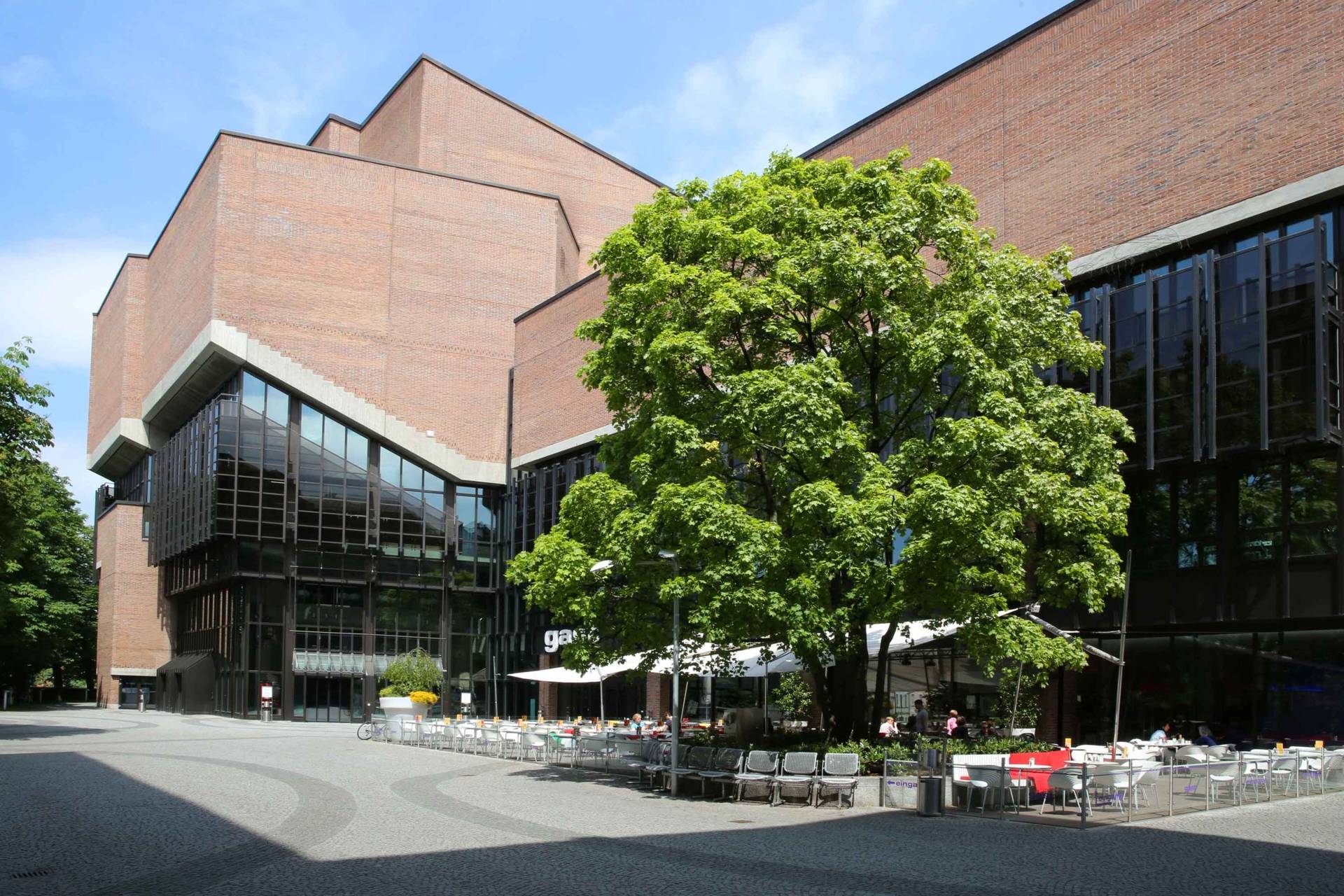
The Alte Utting and Bahnwärter Thiel, the Großmarkthalle (on a guided tour), the new Volkstheater, the Wirtshaus im Schlachthof, the Gasteig HP8 with the Isarphilharmonie, the many craft beer pubs, and the Open Wall graffiti along Tumblingerstraße.
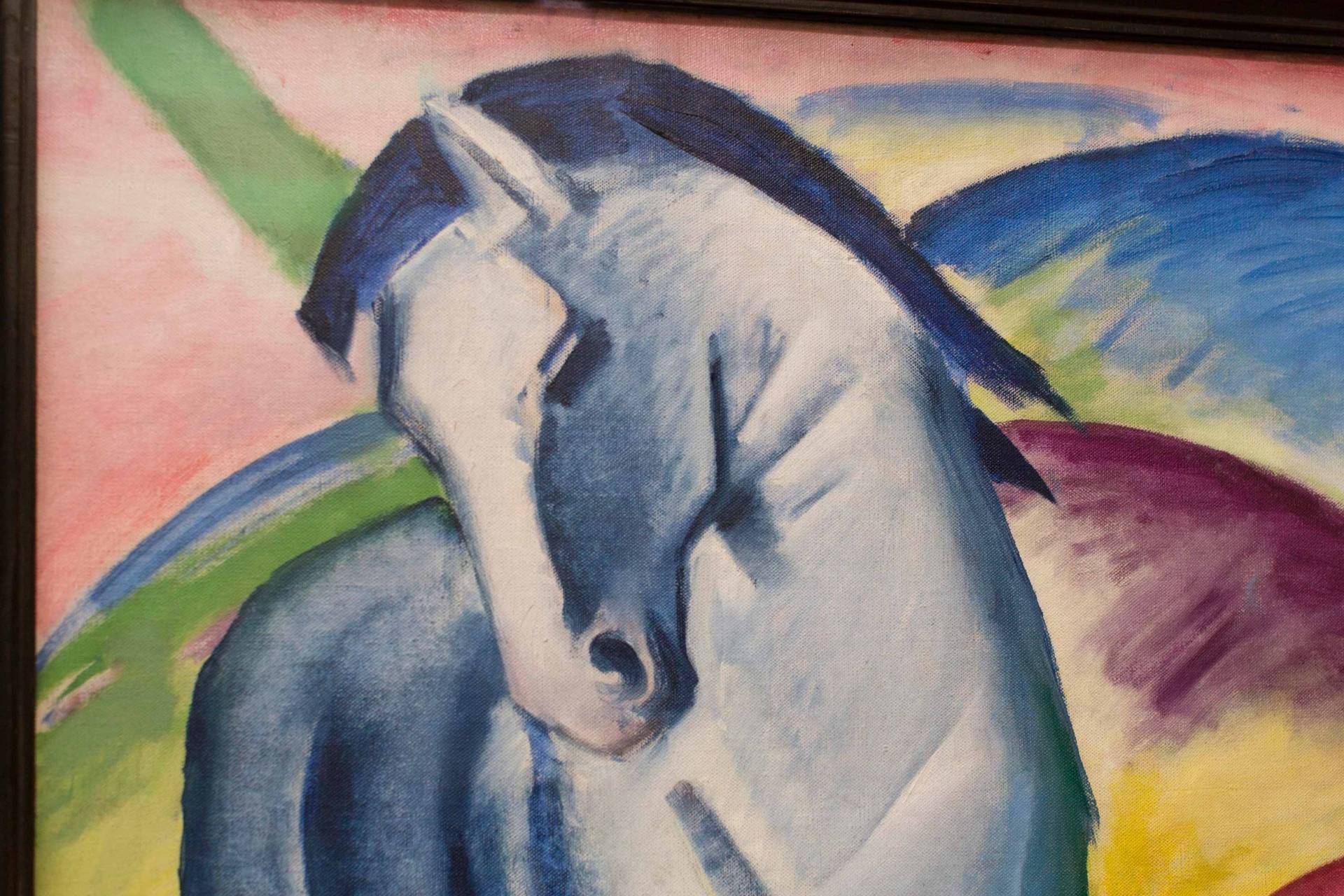
Schwabing is arguably Munich's most storied neighbourhood. It was already an established town in its own right when it was incorporated into Munich in 1890 – and it was around that time that it became the intellectual heart of Munich as a city of art and culture. The artists of the Blauer Reiter group lived, worked and gathered here. In the salons and cafés, writers and poets including Frank Wedekind, Rainer Maria Rilke, Erich Mühsam and Joachim Ringelnatz debated and argued. Lenin lived on Kaiserstraße for a year from 1900.
Jugendstil was the defining aesthetic of the era, and many beautiful facades from that period have survived in Schwabing. During the Third Reich, resistance to the Hitler regime took shape here; the "Weiße Rose" memorial in the foyer of Ludwig Maximilians University stands as a reminder of that courage today. In the early 1960s, the so-called "Schwabinger Krawalle" – street disturbances that are widely seen as a forerunner to the student protests of the 1970s – broke out in the neighbourhood. Rainer Langhans and Uschi Obermaier founded their "Highfish-Kommune" commune on Giselastraße. Typical of Schwabing are its many small literary, theatre and cabaret venues, such as the Gasthaus Vereinsheim, the Lustspielhaus, and the Münchner Lach- und Schießgesellschaft.
The notorious Countess Franziska von Reventlow described Schwabing, well over a century ago, as "not a place, but a state of mind" — a neighbourhood in which many people, like herself, lived as bohemians. The district has naturally changed over the years, yet many artists and free spirits still call it home, among them Rainer Langhans, author Patrick Süskind, and filmmaker Doris Dörrie. Together with Maxvorstadt, Schwabing is also regarded as a stronghold of single life, thanks to its large student population.
Leopoldstraße and the Siegestor, the Elisabethmarkt, the Englischer Garten and the beer garden at the Chinese Tower, the Weiße Rose memorial, historic Altschwabing with the Werneckschlössl, the shops along Hohenzollernstraße, and the more than a dozen Jugendstil façades dotted throughout the area.
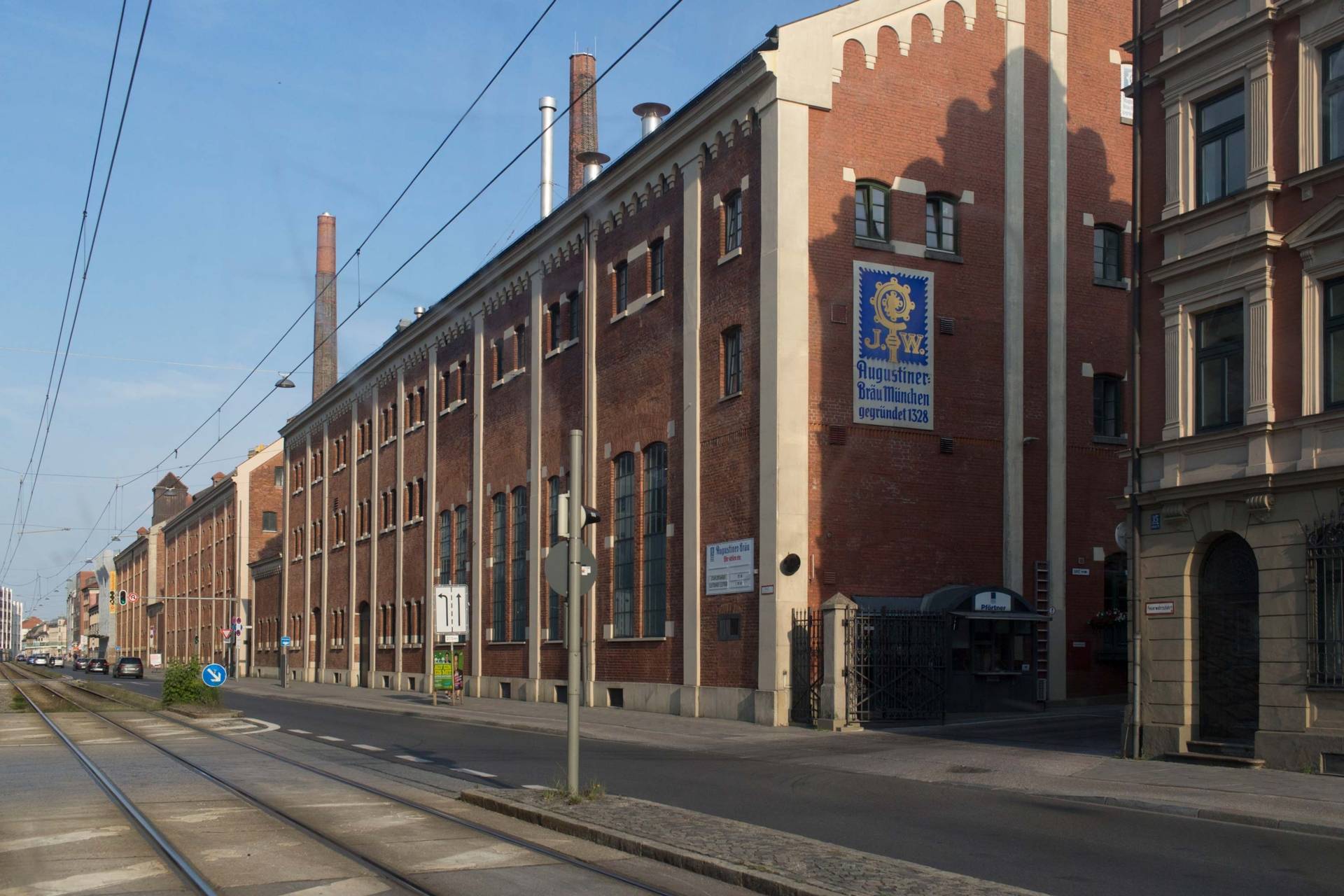
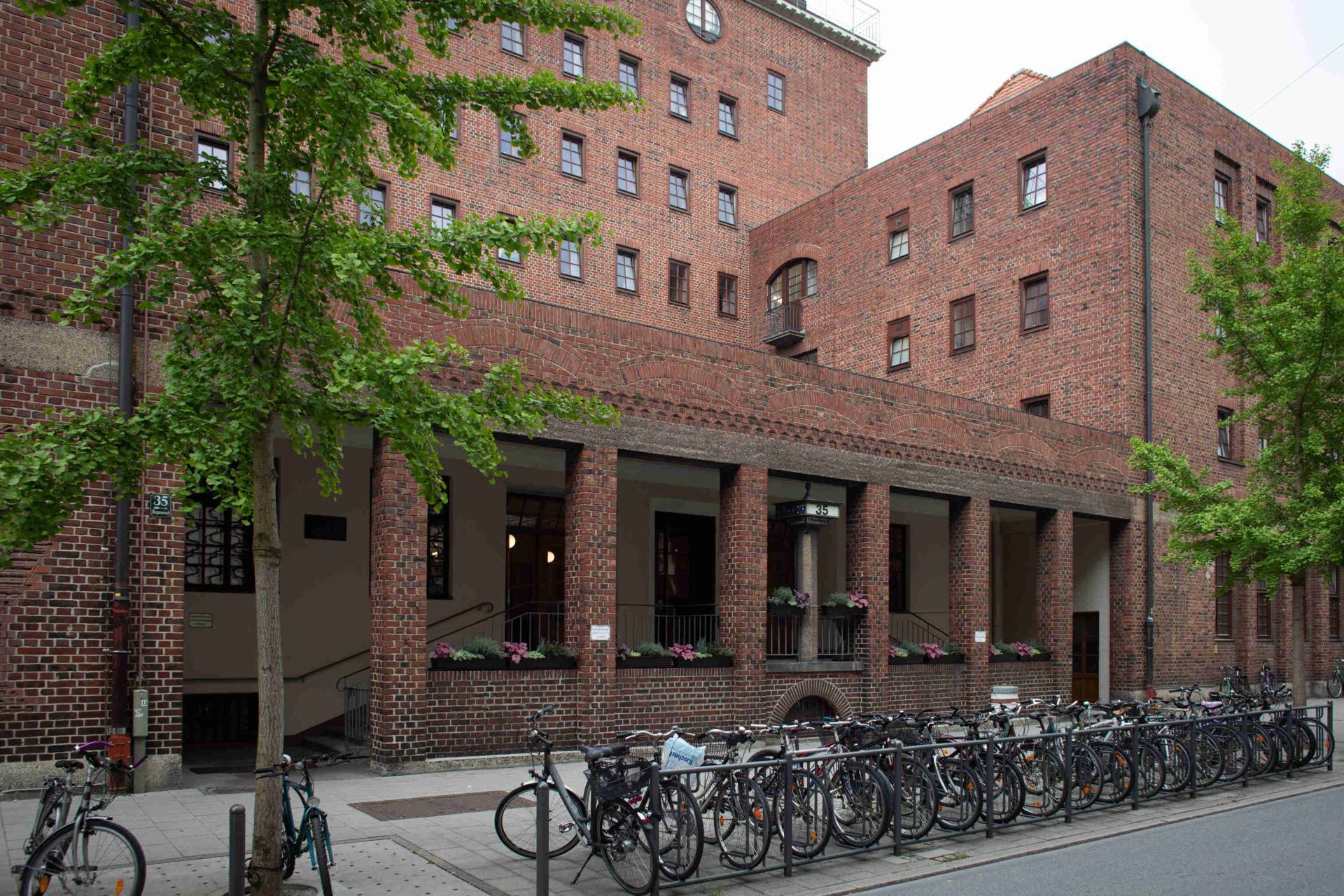
The best thing about the Westend is its sense of community. Anyone who has lived here knows it well: you step out of your front door and barely make it three paces before running into someone and stopping for a chat. The Westend is the antithesis of pretension. It grew up with industrialisation in the mid-19th century, and for much of its history, factories stood interspersed among the residential blocks, filling the air with smoke. Today, those sites have given way to green courtyards. Architecturally, the neighbourhood spans several eras — from the brick buildings of the Augustiner brewery dating to 1880, through co-operative housing from the 1920s and parts of the old trade fair grounds from the 1950s, to concrete blocks from the 1970s and contemporary residential and office buildings.
Many young families. The neighbourhood's playgrounds are alive with children, and their parents meet for a good chat on the benches around the sandpits. Life here is sociable in the very best sense. The Westend is a colourful place — more than 25 nationalities live side by side in genuine neighbourliness. Creatives of all kinds have opened shops along the streets, many of them already living around the corner; the rest, enchanted by the warm and communicative atmosphere, would move to the Westend in a heartbeat.
The Steidle Wohnturm, the Bavaria Park with the Alte Messehalle and its adjacent beer garden, and the Deutsches Museum Verkehrszentrum — all on Theresienhöhe. Parkstraße and Kazmairstraße with their many restaurants and cafés, including the Marais.