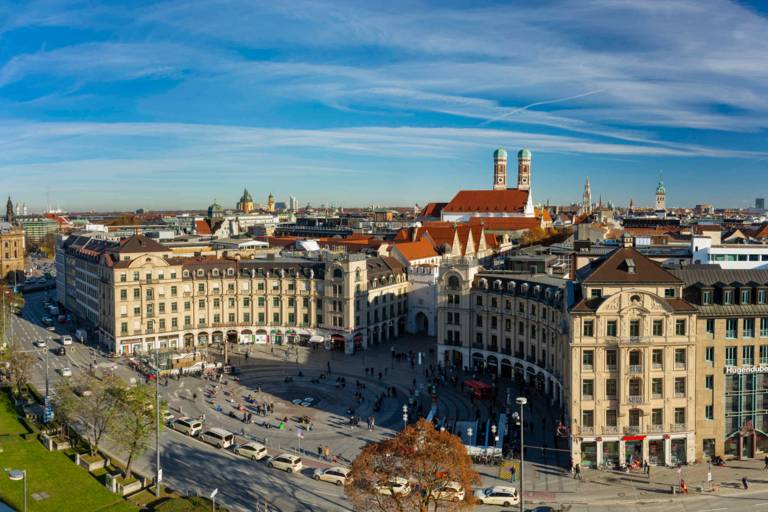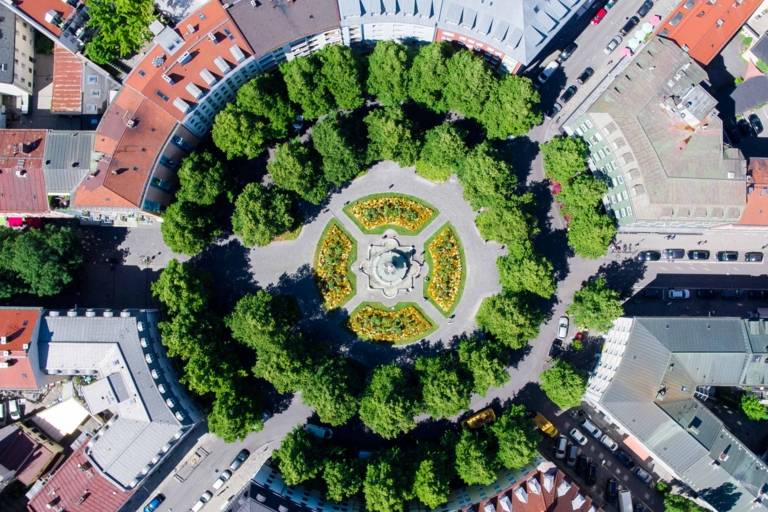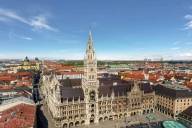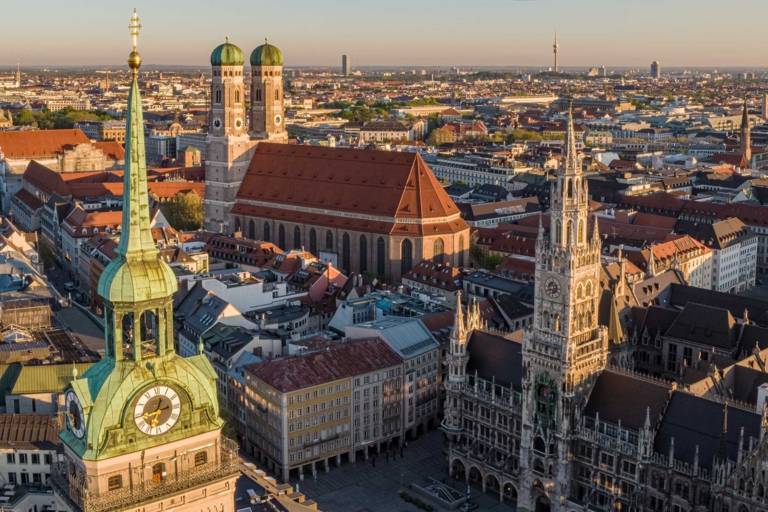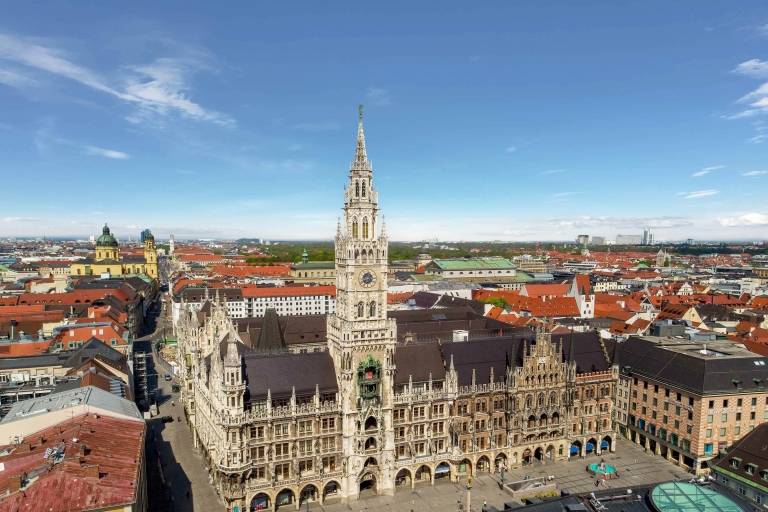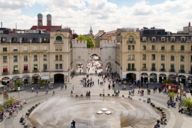
Karlsplatz/Stachus in Munich taken from above with a drone

Karlstor and Karlsplatz-Stachus

Karlstor and Karlsplatz-Stachus: Start your shopping and tourist route

A shopping tour through the city centre of Munich starts often at Karlsplatz-Stachus and Karlstor (gate). The well-known Karlsplatz and the Karlstor are forming the western end of the pedestrian zone which leads to Marienplatz.

Karlstor on Stachus square is one of the three remaining gates in Munich's city walls, which were torn down at the end of the 18th century. Like Sendlinger Tor and Isartor, the gate was built when the city's second layer of fortification was erected in the 14th century. Until the pedestrian zone was built in 1972, it served as the main thoroughfare for traffic through the city.

If you're strolling through Karlstor on the way to the pedestrian zone, take a quick a break to look up for a moment: In the corners of the central arch, you will see little gargoyle-type figures of some famous Munich residents:

“Wer ko, der ko!” (“If you've got it, flaunt it!”)

One of them is the coachman Franz Xaver Krenkl, whose cheeky manner tested the tolerance of King Ludwig I. With his team of horses, which was far superior to the king's horses in terms of both splendour and power, he overtook the royal coach one day.

And as if this breach of etiquette was not enough, Krenkl then had the cheek to call out “Wer ko, der ko” (roughly translated as “If you've got it, flaunt it!”) to the aggrieved king. His taunt has now become a well-known phrase in Bavaria, meaning to be self-confident.

Karlsplatz-Stachus

Karlsplatz-Stachus is one of the most famous squares in Munich. The square's two names have a funny story behind them.

When the Bavarian Wittelsbach line died out in 1777, the Elector Karl Theodor from the Palatinate region of Germany took over the government of Bavaria and made himself pretty unpopular with the people of the region on account of his political plans – after all, the new ruler was planning to exchange the whole of Bavaria for estates in Austria!

He provoked even more resentment among the people of Munich when he quickly started renaming various locations around the city after himself. This is where the names Karlstor and Karlsplatz came from.

However, the people of Munich rebelled and named the square of Karlsplatz after the nearby “Stachus” tavern which belonged to Eustachius Förderl. Even today, most local residents refuse to use the name Karlsplatz. The name “Stachus” even features in the electronic announcements on the tram and underground trains.
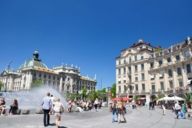
Speaking of transport: the saying “Da geht's ja zu wie am Stachus” has spread beyond Munich as way to describe a place where there's lots going on (similar to the phrase “It's like Piccadilly Circus” in the UK). These days, there's still a lot going on at Stachus but it's nowhere near as busy as it used to be: following the Second World War, Stachus reportedly had the highest density of traffic in Europe.

It did not quieten down until its eastern section, located just behind Karlstor gate, was turned into Munich's pedestrian zone in the run-up to the 1972 Olympic Games. These days, it is the starting point for Munich's shopping precinct (Kaufinger Strasse, Neuhauser Strasse, Marienplatz).



Photos: Redline Enterprises, istock/wallix
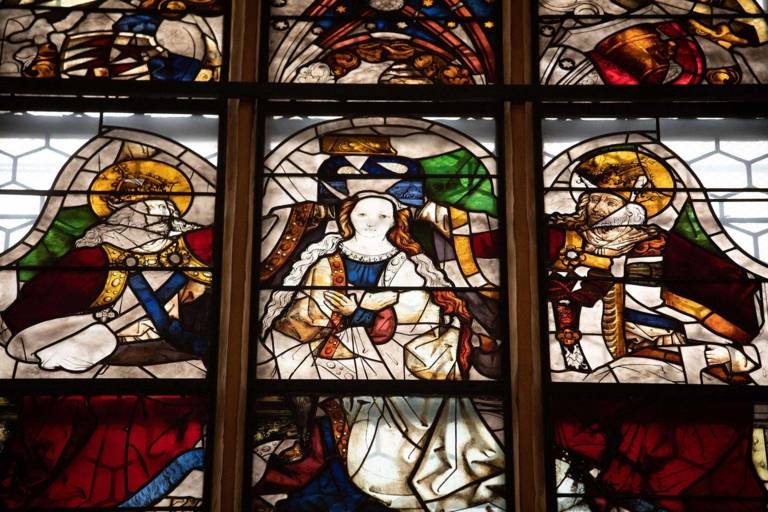
A church window in the Salvatorkirche in Munich

Munich's church windows

The most beautiful windows of the city

Michael Mayer of Mayer’sche Hofkunstanstalt presents the most spectacular church windows.
Fascinating people for centuries: Michael Mayer of Mayer’sche Hofkunstanstalt presents the most spectacular church windows the city has to offer.

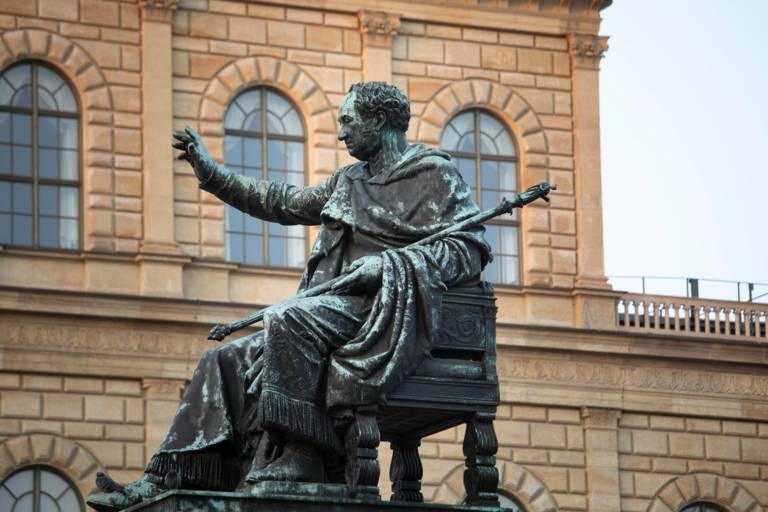
The monument to Max I. Joseph in front of the Residenz

Munich's royal monuments

Four kings and a prince regent

In Munich there are fantastic monuments to admire. Where they are and what makes them so special.

In Munich there are several fantastic monuments to admire. Where they are and what makes them so special: an overview.

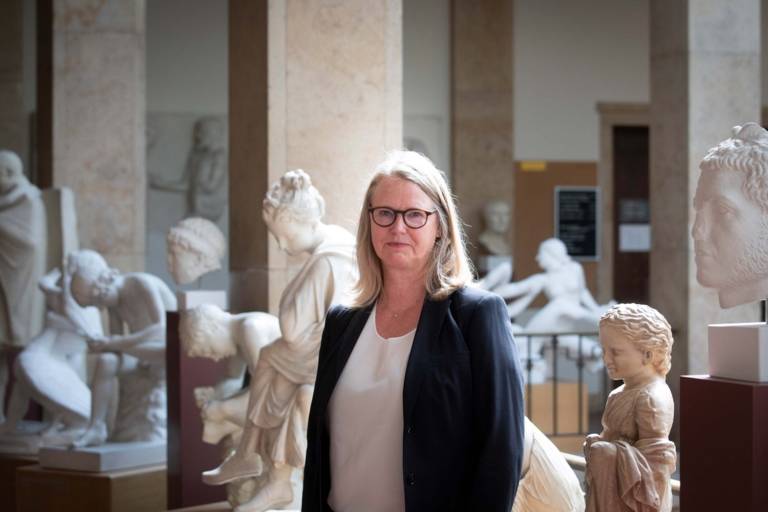
The tour guide Alvestad-Aschenbrenner stands in the Museum for Abgüsse Klassischer Bildwerke Munich

Ludwig I of Bavaria

When Munich became an „Athens on the Isar“

Ludwig I of Bavaria converted Munich into his "„Athens on the Isar“, many buildings still remind us of this today. An interview.

Ludwig I of Bavaria converted Munich into his "„Athens on the Isar“, many buildings still remind us of this today. An interview with a tour guide.

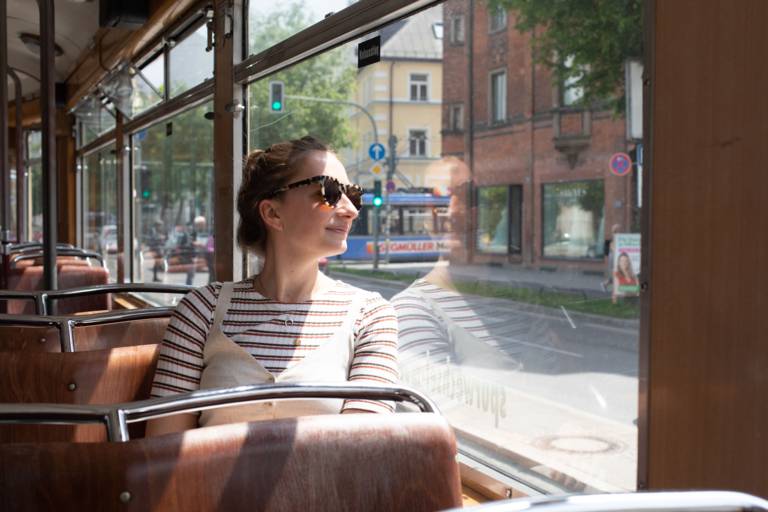
Young woman sitting at a window in a tram in Munich.

Column

A vacation in my own city

Our author used to be a travel blogger. Now she has started to explore her own city: Munich!

Our author used to be a travel blogger. Now she has started to explore her own city: Munich!

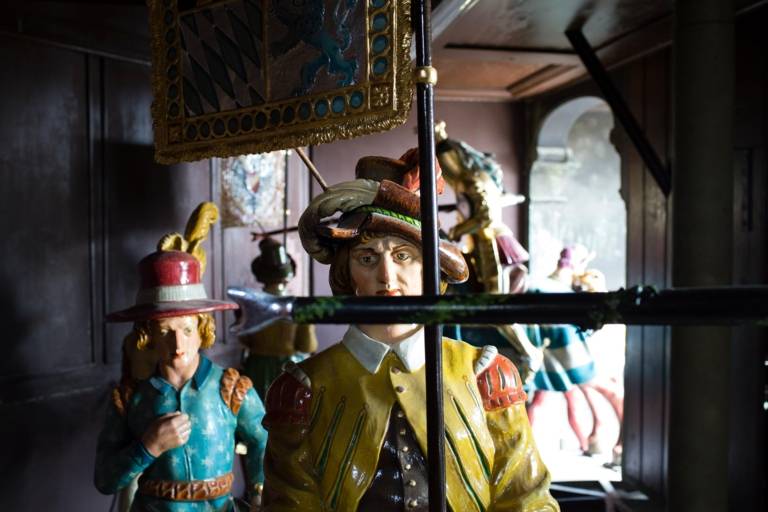
View from the inside of a figure of the carillon in the New Town Hall in Munich.

New Town Hall

The Glockenspiel in ten pictures

An exclusive look behind the scenes.

The Glockenspiel on Marienplatz has been enchanting visitors and locals for over 100 years. An exclusive look behind the scenes.

Panoramic view of Karlsplatz / Stachus in Munich with the Frauenkirche in the background photographed from the air.

Munich's city centre

Classical and curiosities

Numerous Munich stories can be told along the roughly one-kilometer-long route between Karlsplatz-Stachus and Marienplatz square. A city walk.

Numerous interesting Munich stories can be told along the roughly one-kilometer-long route between Karlsplatz-Stachus and Marienplatz square. A city walk.

Weissenburger Platz in Munich photographed from above with a drone.

Haidhausen and Au

A village in the city

Haidhausen and Au have developed from working-class quarters into popular residential areas.

When strolling along the narrow streets of the districts Haidhausen and Au with small shops and green courtyards, it almost feels like being in a village in the middle of the city.

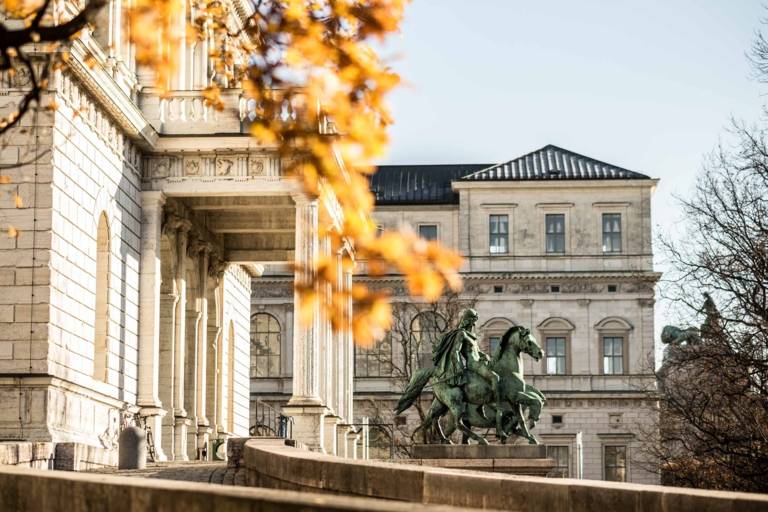
The Academy of Fine Arts in Munich in autumn.

Schwabing

From artists and writers

Around 1900, it was the artists and writers who settled around the university and the art academy and shaped the spirit of Schwabing.

In the heyday of the Schwabinger Bohème around 1900, it was the artists and writers who settled around the university and the art academy and shaped the spirit of Schwabing.

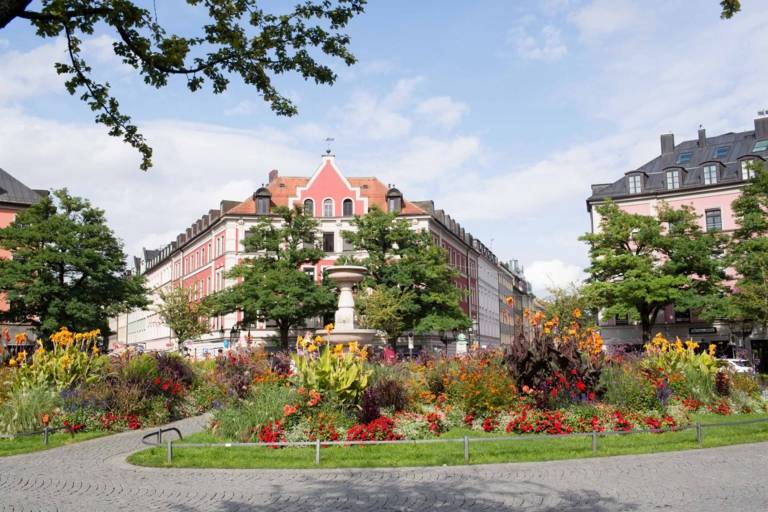
View of flowerbeds at Gärtnerplatz in Munich.

Gärtnerplatz and Glockenbach

Where the night begins

Independent labels, hip bars, pubs and cool inns attract the young and the young-at-heart.

The Gärtnerplatz and Glockenbach neighbourhoods are known as trendy quarters. Their independent labels, hip bars, pubs, cool inns and calm backyards attract the young and the young-at-heart.