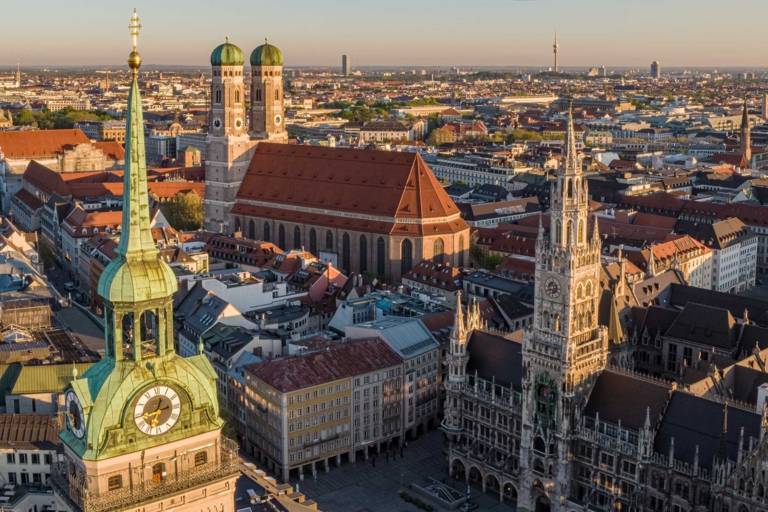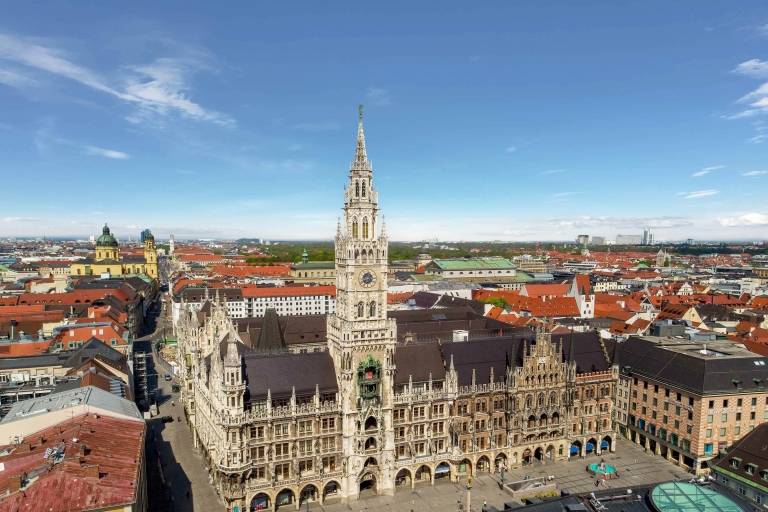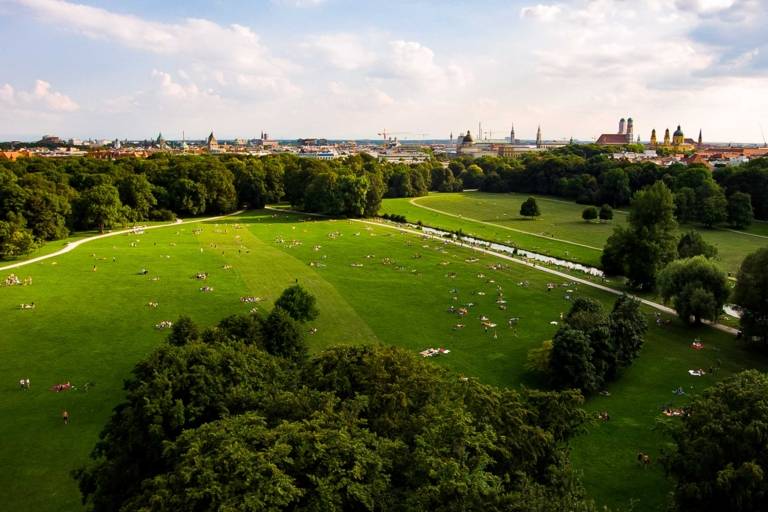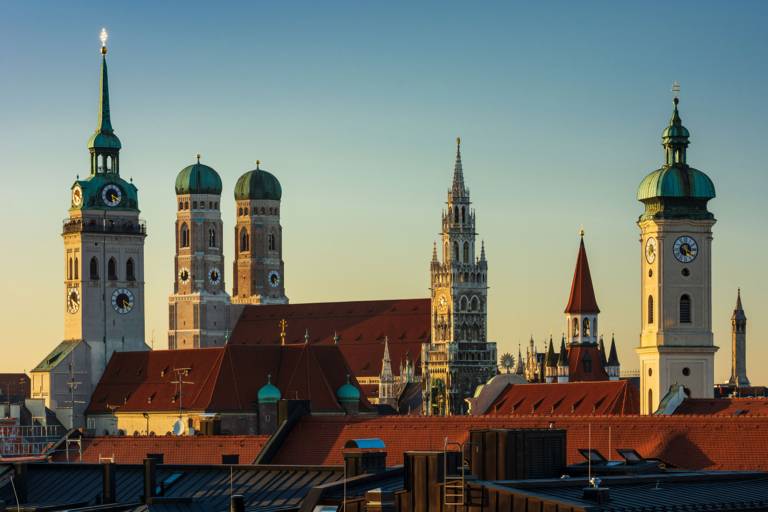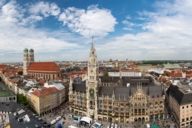
Panoramic view of the Neues Rathaus in Munich with the Frauenkirche in the background.

Munich city history

It started with the salt

Every year, Munich celebrates its birthday on a weekend in mid-June. But how did Munich actually come into being? And what does salt, the white gold of the Middle Ages, have to do with it? Here you will find a brief history of the state capital of Munich.

It started with the salt

The modern Bavarian capital is younger than other Bavarian cities that have Roman heritage, such as Augsburg or Regensburg. In fact its roots can be traced back to the mid-12th century salt trade; back in the Middle Ages it was possible to build a fortune on these familiar white crystals because, before refrigeration arrived, salt was the only way to preserve food. So those in pursuit of political and economic influence were eager to take control of the trade routes, customs stations and shipment hubs that dealt with this precious raw material.
The founding of Munich: the result of a medieval mediation

There were three prominent 12th-century rulers involved in the founding of Munich, with various levels of enthusiasm about it: Henry the Lion (Heinrich der Löwe), Duke of Saxony and Bavaria; his cousin and “very best friend” Frederick Barbarossa, Holy Roman Emperor (Kaiser Friedrich Barbarossa); and last but not least Bishop Otto of Freising, one of the leading historians and philosophers of the Middle Ages.

Heinrich is known for being adept at expanding his influence in Bavaria and tapping into new sources of wealth. One of his schemes was to divert the lucrative salt trade away from places such as Bad Reichenhall and Berchtesgaden, by building a bridge (on the site where Deutsches Museum now stands) that would instead bring traders across the Isar river and into his own area of influence. To ensure his success, he also destroyed the existing bridge and adjoining customs post a few kilometres further downriver, which were located in the territory presided over by Bishop Otto of Freising.
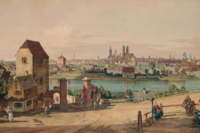
Up to that point the Bishop’s bridge had been the only means of crossing the Isar river for miles around. Of course Otto did not submit peacefully to this act of hostility. A dispute ensued and Kaiser Barbarossa stepped in to arbitrate. He passed a ruling known as the Augsburger Einung (Augsburg Unification), in which he essentially approved the actions of his favoured Heinrich – who had, after all, supported the Kaiser in a number of decisive battles – but also compelled the Duke to pay one-third of all his customs revenues to Freising. These payments continued until the start of the 19th century.


A star is born: from monastic settlement to metropolis

The issue date of the Emperor’s ruling – 14 June 1158 – is often considered the birth date of Munich as it is the first time the city’s name is mentioned in an official document. The same document grants the previously insignificant settlement of “Munichen” the right to hold a market and mint its own coins, with the result that it rapidly transformed into an important trading city.

Salt and other goods were traded on Marienplatz, which was still known as Schrannenplatz at that time – this was where the Salt Road towards Augsburg met the northern trade route that led to Italy, after Henry the Lion had rerouted traffic.
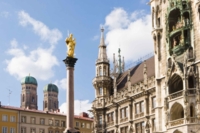
Carts accessed the fortified city through Talburgtor (the tower of the Altes Rathaus) and exited it by travelling towards Karlsplatz-Stachus along what is now the Fussgängerzone pedestrian area, and then passing through Kaufingertor (gate), which is no longer standing. Which means the history of the pedestrian area as a thoroughfare goes back more than just half a century – all the way to the city’s early days during the Middle Ages, in fact.

Video: simply City Birthday


Want to find out more? Tours of Altstadt by München Tourismus

We offer a wide range of city walking tours led by official City of Munich tour guides and suitable for groups or individuals.



Text: Karoline Graf; Foto: Jörg Lutz, Münchner Stadtmuseum, istock/aprott
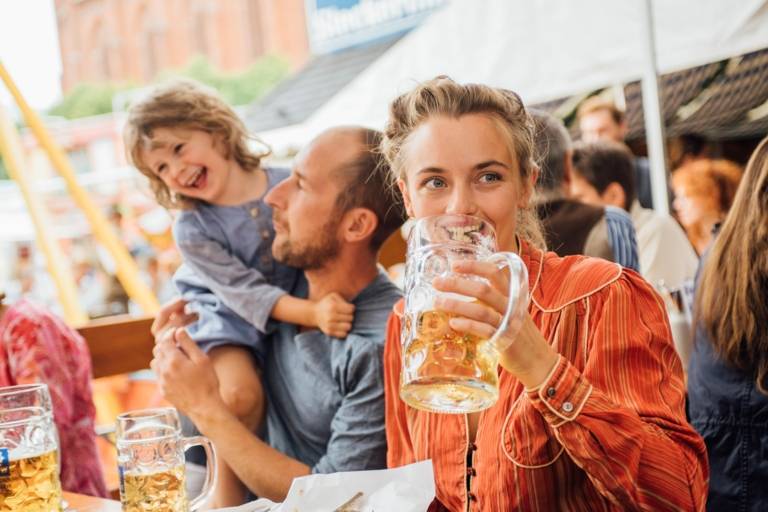
A women is drinking beer out of a beer mug at the Auer Dult in Munich.

Traditional Munich

Time for tradition

Munich sees itself as a city that exists between the traditional and the modern. About customs.
Munich sees itself as a city that exists between the traditional and the modern. A separate culture of tradition has developed in the metropolis. About customs.
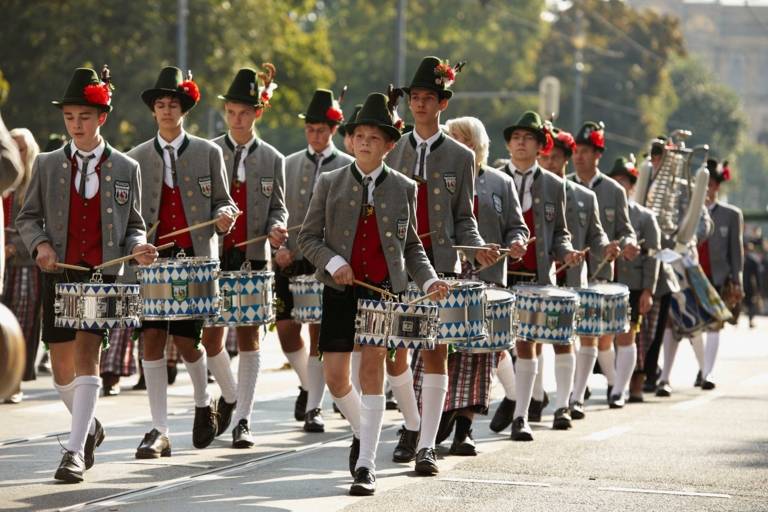
Drummers at the Oktoberfest Costume and Riflemen's Parade in Munich.

Traditional Munich

Customs are in!

From fresh approaches in fashion to exciting experiments in the kitchen: an overview.

Tradition and customs in Munich are more fashionable than ever before. From fresh approaches in fashion to exciting experiments in the kitchen: an overview.

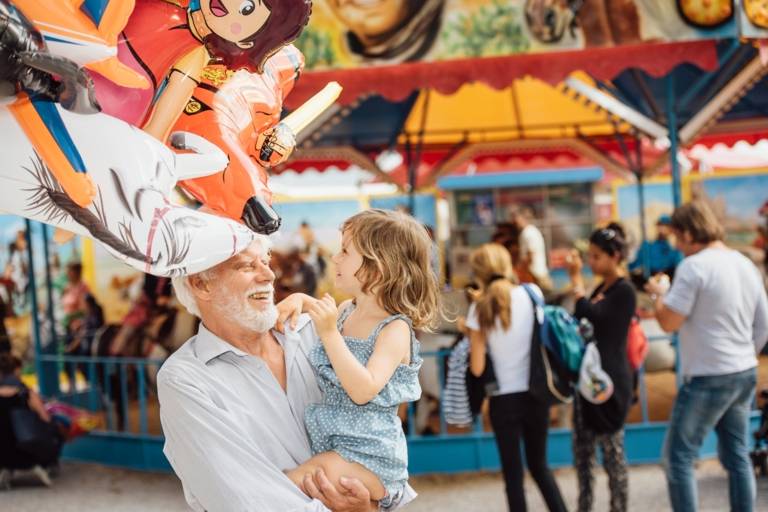
A grandfather is carrying his granddaughter in his arms at the Auer Dult in Munich.

Auer Dult

Dult is cult!

Three times a year for nine days of shopping, searching, watching, and amusing. Maidult, Jakobidult and Kirchweihdult are cult in Munich.

Three times a year for nine days of shopping, searching, watching, and amusing. Maidult, Jakobidult and Kirchweihdult are cult in Munich.

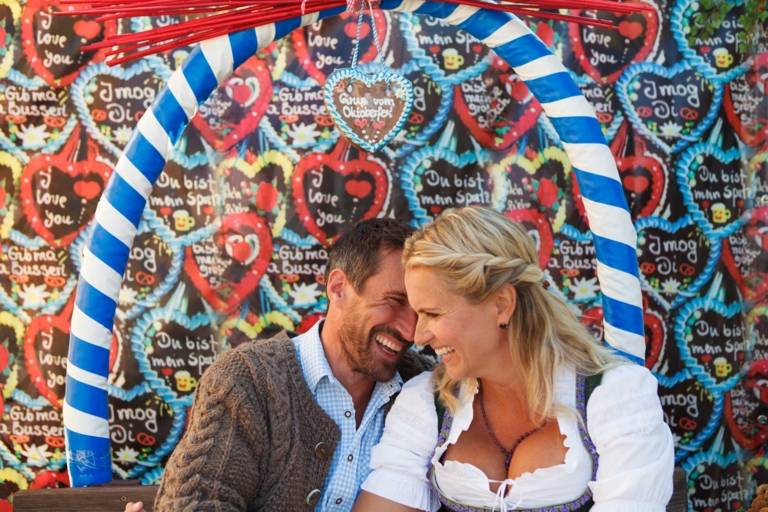
A couple is sitting in front of a lot of gingerbread hearts at the Oktoberfest in Munich.

From O to T

All you need to know about the Wiesn

A letter-by-letter guide to Oktoberfest: from O like "Ozapft is" to T like Tracht.

We have put together everything you need to know: from O for "Ozapft is", the famous festival greeting, to T for Tracht.

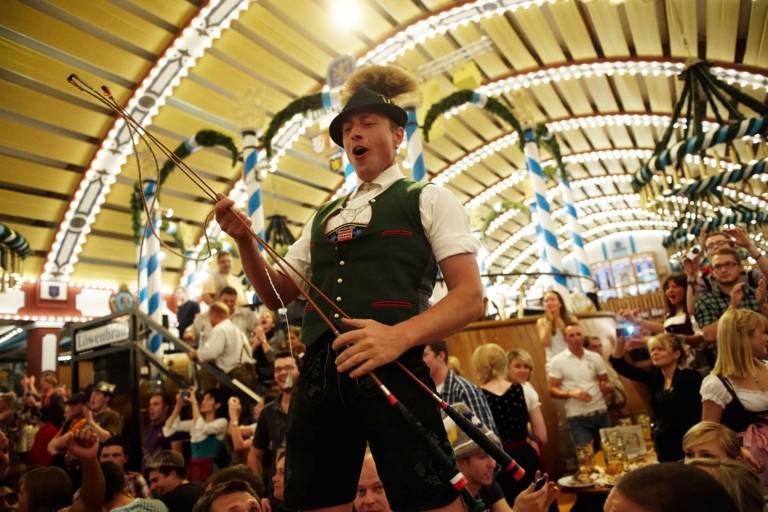
A man dressed in a traditional costume is celebrating and dancing on a table in a beer tent at the Oktoberfest in Munich.

Oktoberfest

Which beer tent is the right one for me?

Getting in is tough; but once you're in, the fun never stops. A brief typology of the different beer tents at Oktoberfest – and the people inside.

Getting in is tough; but once you’re in, the fun never stops. A brief typology of the different beer tents at Oktoberfest.

Getting in is tough; but once you're in, the fun never stops. A brief typology of the different beer tents at Oktoberfest – and the people inside.

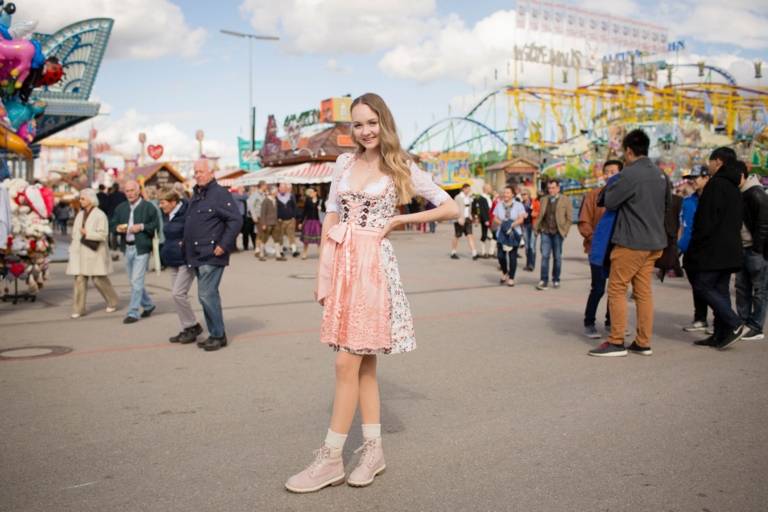
A woman who is wearing a dirndl is smiling at the Oktoberfest in Munich.

Oktoberfest

Munich’s Dirndl Idol

Tradition or trash? We photographed nine visitors to the Oktoberfest – and asked a panel of experts to judge their traditional outfits.

Tradition or trash? We photographed nine visitors to the Oktoberfest – and asked a panel of experts to judge their traditional outfits.

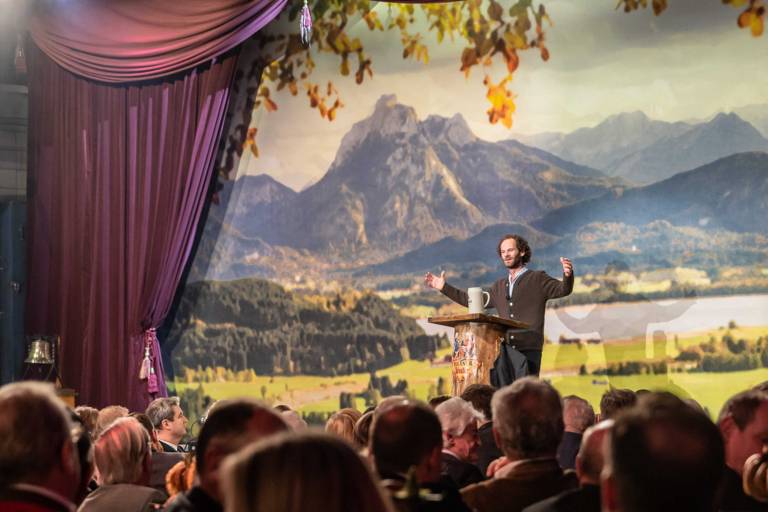
Maxi Schafroth at his fasting sermon at Nockherberg

Starkbierfest

A lot of humour and a lot of beer

A good portion of Bavarian conviviality can be experienced at the strong beer festival on the Nockherberg.

A good portion of Bavarian conviviality can be experienced at the Paulaner-Brauerei's strong beer festival on the Nockherberg.

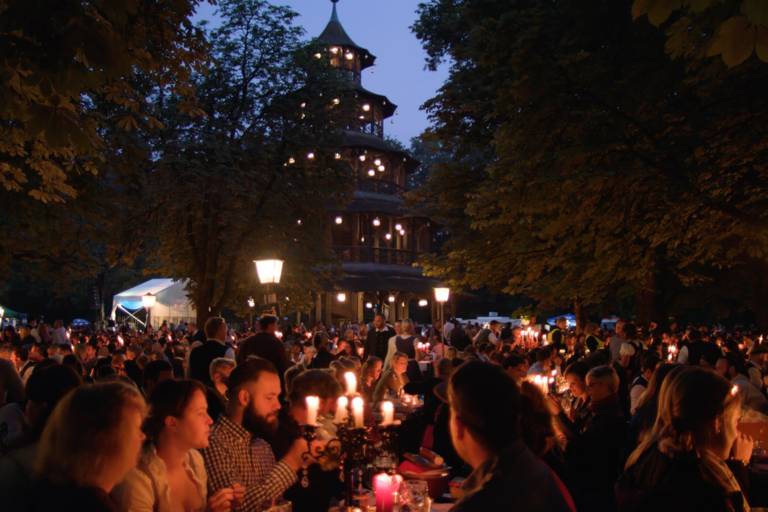
Guests at the Kocherlball sit at beer tables during dawn in Munich.

Kocherlball

Munich is dancing till dawn

When the people are dressed to impress and meet to dance till dawn at Chinesischer Turm: it's Kocherlball time. This year on July 20.

When the people are dressed to impress and meet to dance till dawn at Chinesischer Turm: it's Kocherlball time. This year on July 20.

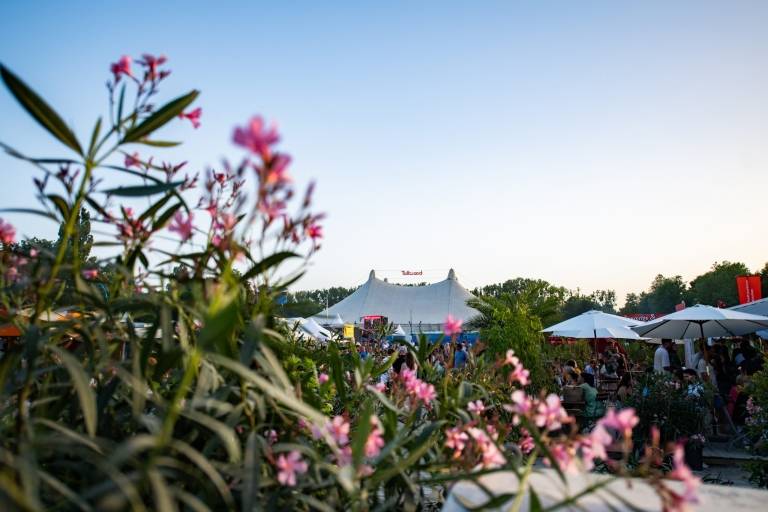
A view of the Tollwood Summer Festival site in Munich, featuring a white marquee, parasols and pink oleanders.

Tollwood Summer Festival

simply magical

Since the end of the 1980s, visitors have associated this festival with an atmosphere of tolerance, internationalism and openness.

Culture for all: since the end of the 1980s, visitors have associated this festival with an atmosphere of tolerance, internationalism and openness.

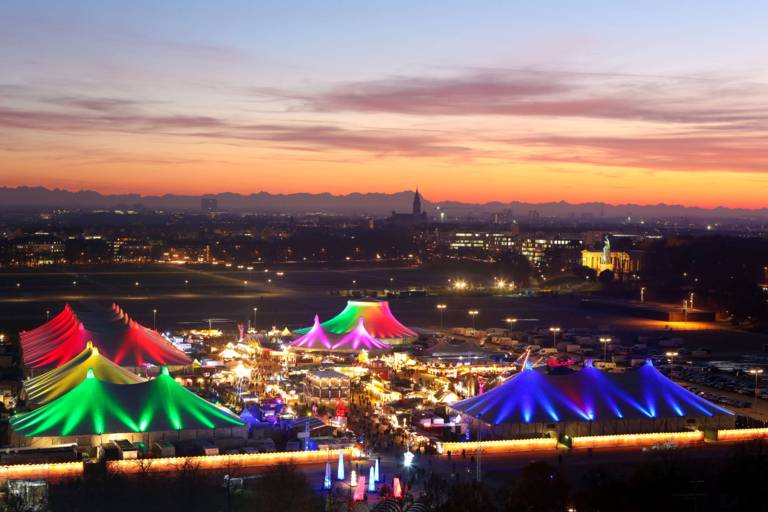
View from above of the illuminated Tollwood winter festival in Munich.

Tollwood Winter Festival

The alternative Christmas market

Spreading joy, celebrating culture and raising awareness for the environment and social equality are all on the agenda at this Munich festival.

Spreading joy, celebrating culture and raising awareness for the environment and social equality are all on the agenda at this Munich festival.

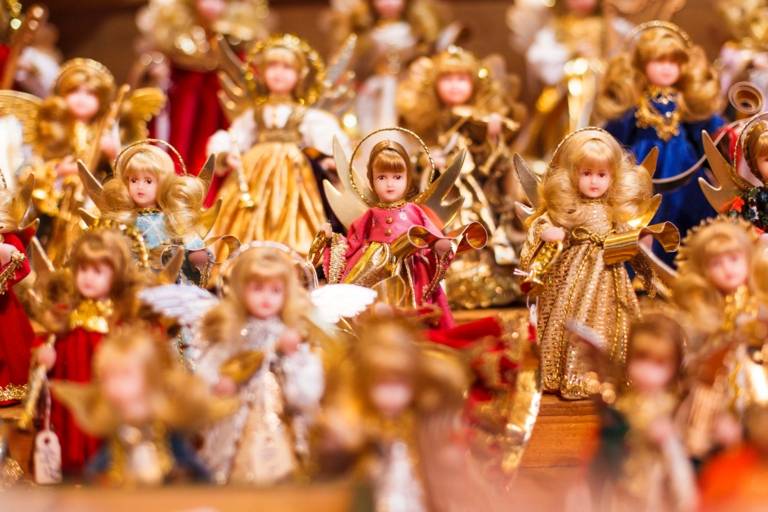
Christmas angels in a sales booth at the christmas market in Munich.

Christmas market

Christmas magic

When the snow shines in the glow of countless lights, the Christmas market on Marienplatz is the most beautiful.

When it gets dark and the snow shines in the glow of countless lights, the Christmas market on Marienplatz is the most beautiful.