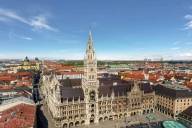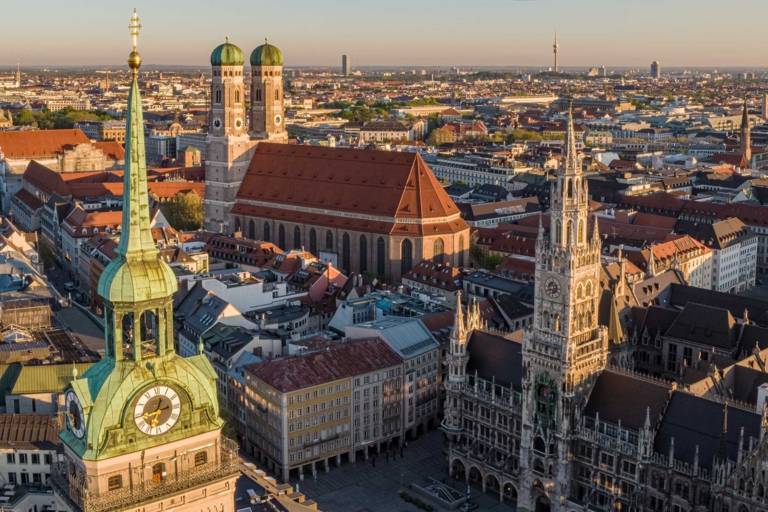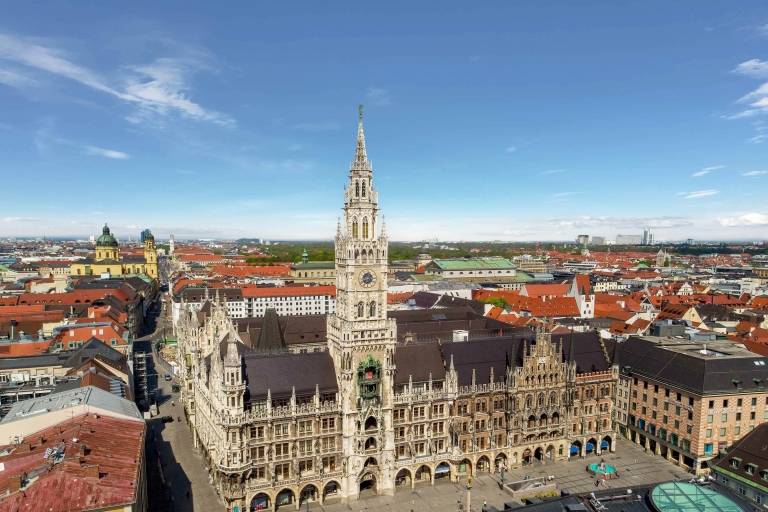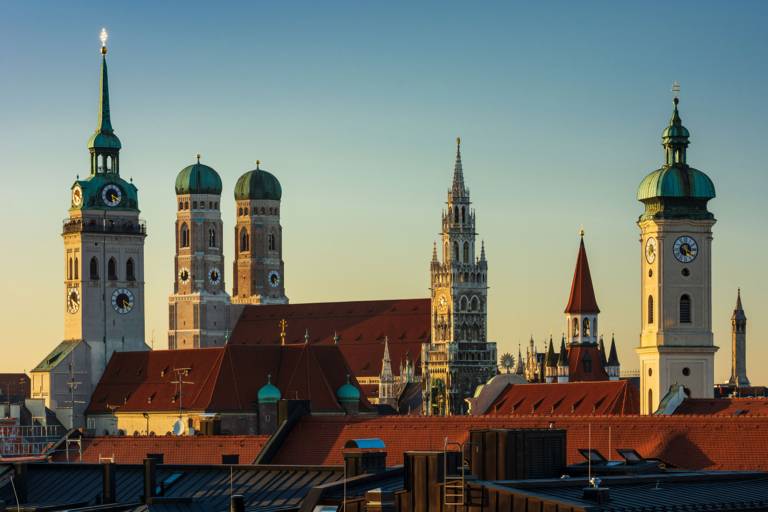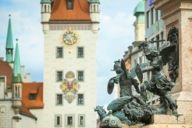
Pedestrial of the Mariensäule with two putti at Marienplatzin in Munich and the Alte Rathaus in the background.

Altes Rathaus

Of prisoners and toys

Due to its plain facade, many people believe that the Alte Rathaus (Old Town Hall) is newer than the ornately decorated Neue Rathaus (New Town Hall), when in fact it is over 400 years older.

The Alte Rathaus covers the eastern end of Marienplatz and has quite an eventful history. Its first mention in town records goes back to the year 1310.

After being destroyed by lightning in 1460, it was soon rebuilt again by Jörg von Halsbach, the master builder behind Munich’s Frauenkirche.

Modified several times to suit the fashions of each era, the building was renovated by architect Arnold Zenetti between 1861 and 1864 in Neo-Gothic style. And when restoration began after the hall sustained heavy bomb damage in 1944, the preservationists also based their work on the original Gothic design. The building officially became the Alte Rathaus when the city’s administration moved into the Neue Rathaus in 1874.

During its distinguished past, the hall has hosted groups like the state parliament (17th century) and the national assembly (19th century). For many years, its cellars were used as the state jail. These days, the Alte Rathaus is used to hold celebrations, memorials and awards ceremonies.

Four floors of its Gothic tower have been home to Munich Spielzeugmuseum (Toy Museum) since 1983, housing a collection of historic toys lovingly compiled by the artist Ivan Steiger.

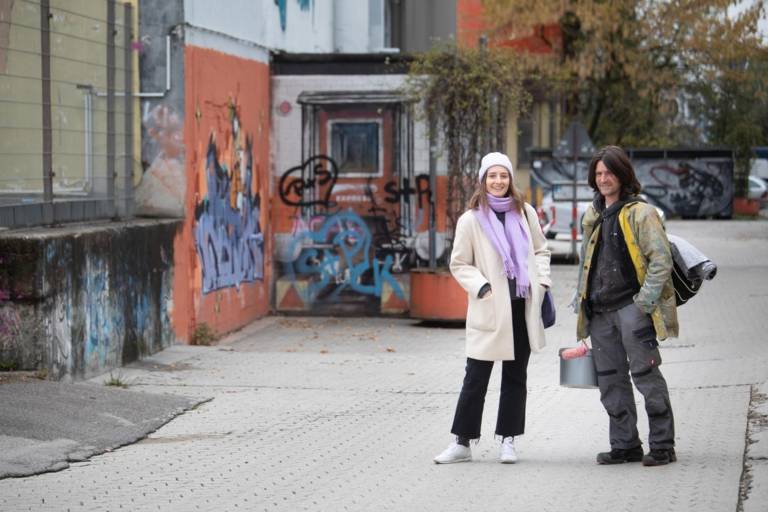


Photo: istock/idealphoto30
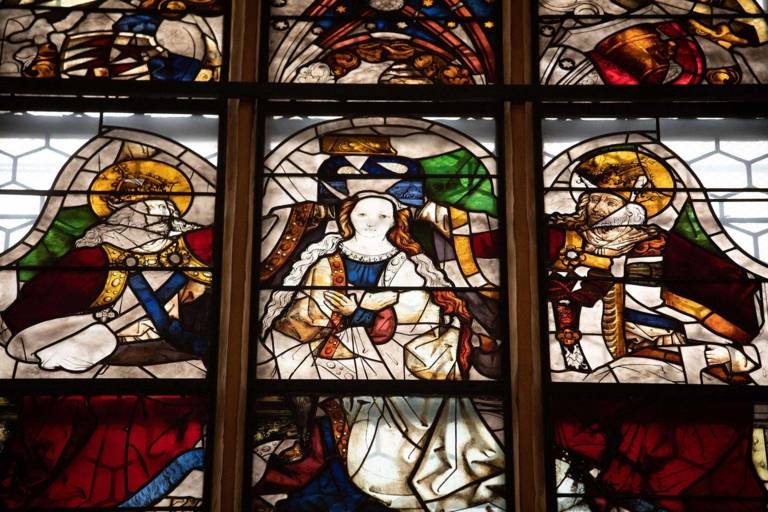
A church window in the Salvatorkirche in Munich

Munich's church windows

The most beautiful windows of the city

Michael Mayer of Mayer’sche Hofkunstanstalt presents the most spectacular church windows.

Fascinating people for centuries: Michael Mayer of Mayer’sche Hofkunstanstalt presents the most spectacular church windows the city has to offer.

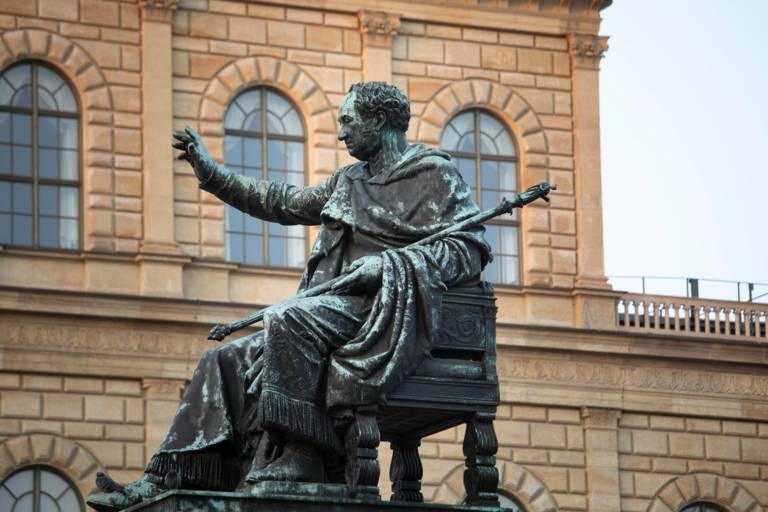
The monument to Max I. Joseph in front of the Residenz

Munich's royal monuments

Four kings and a prince regent

In Munich there are fantastic monuments to admire. Where they are and what makes them so special.

In Munich there are several fantastic monuments to admire. Where they are and what makes them so special: an overview.

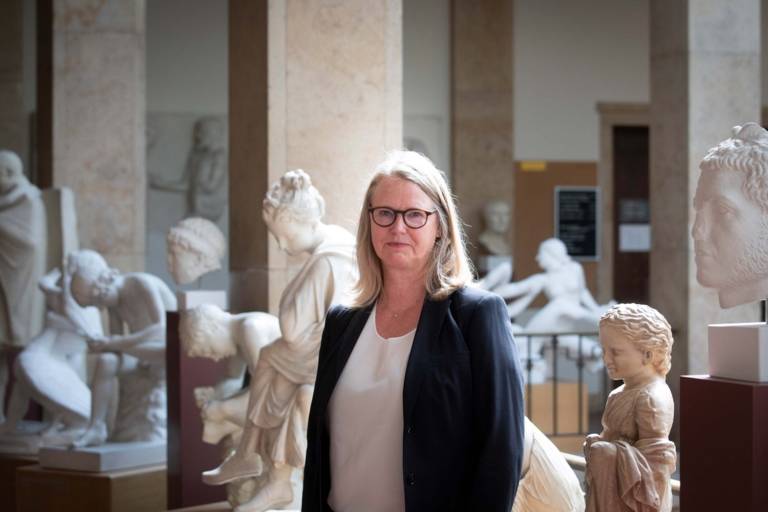
The tour guide Alvestad-Aschenbrenner stands in the Museum for Abgüsse Klassischer Bildwerke Munich

Ludwig I of Bavaria

When Munich became an „Athens on the Isar“

Ludwig I of Bavaria converted Munich into his "„Athens on the Isar“, many buildings still remind us of this today. An interview.

Ludwig I of Bavaria converted Munich into his "„Athens on the Isar“, many buildings still remind us of this today. An interview with a tour guide.

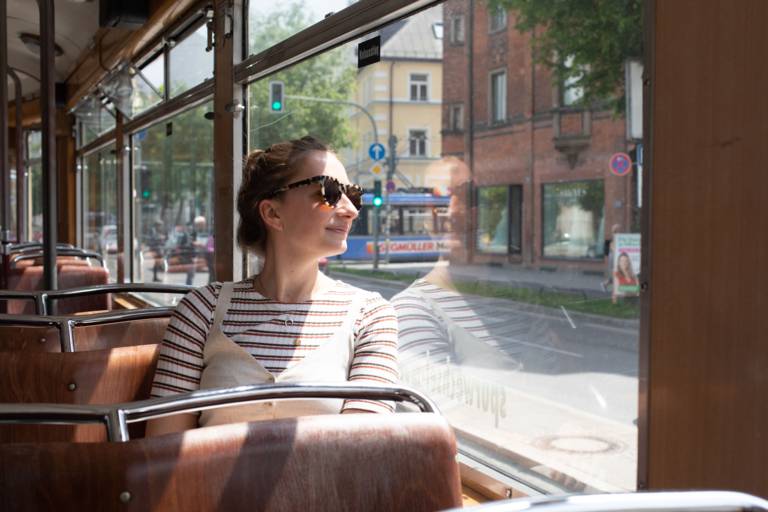
Young woman sitting at a window in a tram in Munich.

Column

A vacation in my own city

Our author used to be a travel blogger. Now she has started to explore her own city: Munich!
Our author used to be a travel blogger. Now she has started to explore her own city: Munich!
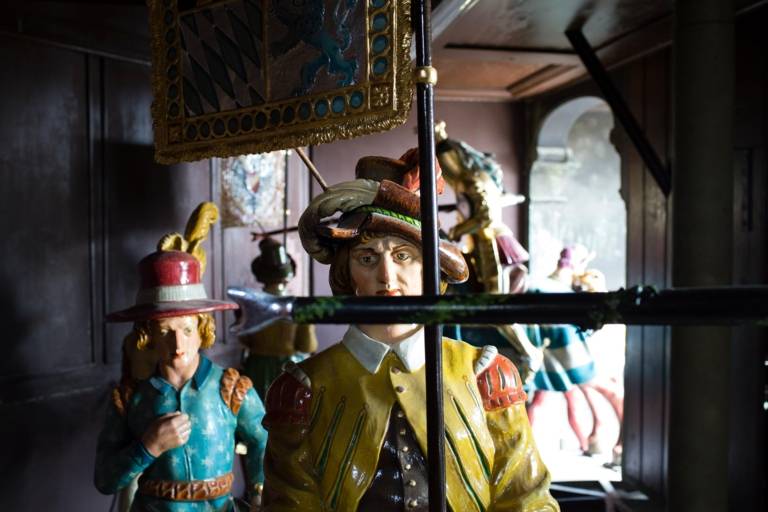
View from the inside of a figure of the carillon in the New Town Hall in Munich.

New Town Hall

The Glockenspiel in ten pictures

An exclusive look behind the scenes.

The Glockenspiel on Marienplatz has been enchanting visitors and locals for over 100 years. An exclusive look behind the scenes.

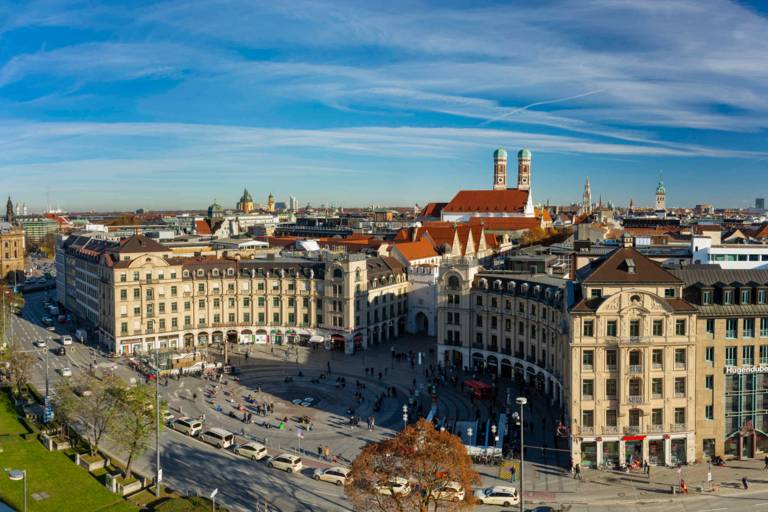
Panoramic view of Karlsplatz / Stachus in Munich with the Frauenkirche in the background photographed from the air.
Munich's city centre

Classical and curiosities

Numerous Munich stories can be told along the roughly one-kilometer-long route between Karlsplatz-Stachus and Marienplatz square. A city walk.
Numerous interesting Munich stories can be told along the roughly one-kilometer-long route between Karlsplatz-Stachus and Marienplatz square. A city walk.

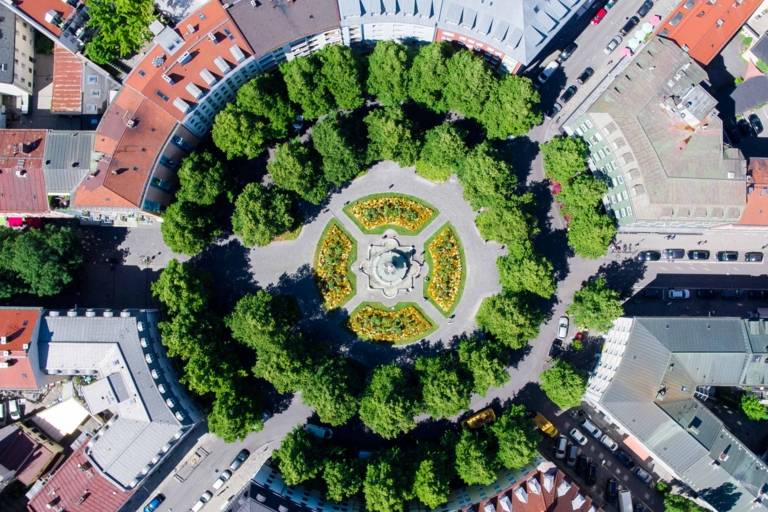
Weissenburger Platz in Munich photographed from above with a drone.

Haidhausen and Au

A village in the city

Haidhausen and Au have developed from working-class quarters into popular residential areas.

When strolling along the narrow streets of the districts Haidhausen and Au with small shops and green courtyards, it almost feels like being in a village in the middle of the city.

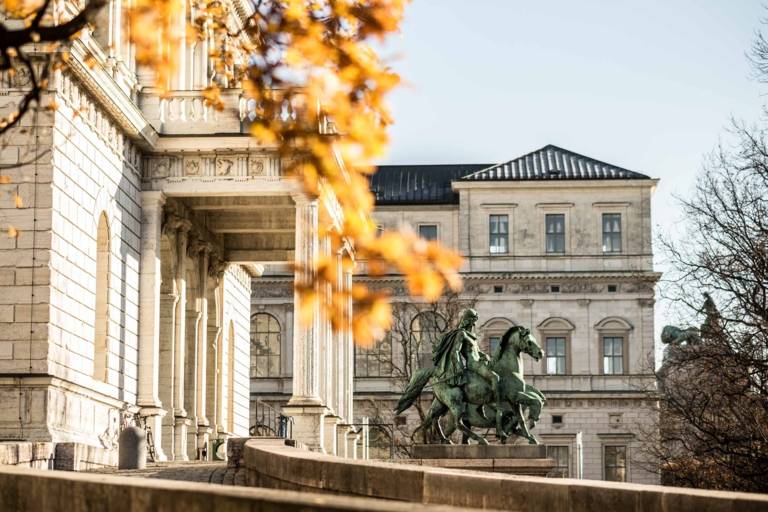
The Academy of Fine Arts in Munich in autumn.

Schwabing

From artists and writers

Around 1900, it was the artists and writers who settled around the university and the art academy and shaped the spirit of Schwabing.

In the heyday of the Schwabinger Bohème around 1900, it was the artists and writers who settled around the university and the art academy and shaped the spirit of Schwabing.

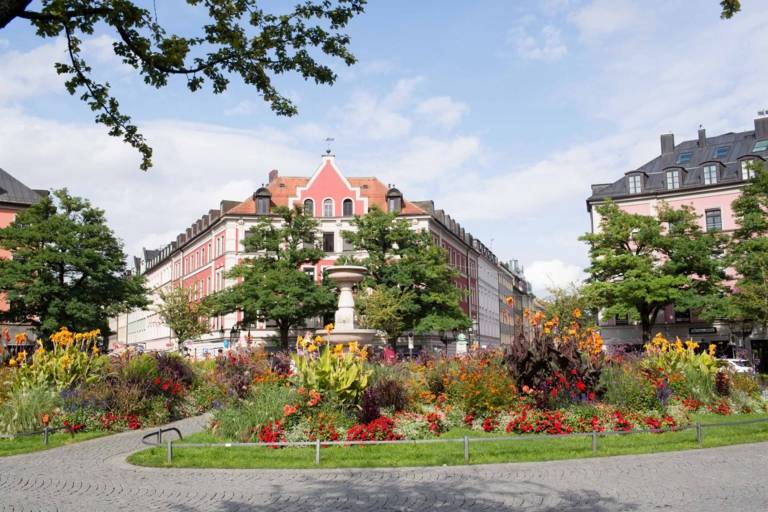
View of flowerbeds at Gärtnerplatz in Munich.

Gärtnerplatz and Glockenbach

Where the night begins

Independent labels, hip bars, pubs and cool inns attract the young and the young-at-heart.

The Gärtnerplatz and Glockenbach neighbourhoods are known as trendy quarters. Their independent labels, hip bars, pubs, cool inns and calm backyards attract the young and the young-at-heart.