For some, Munich is the perfect mix of big city and Alpine idyll; for others, it is a combination of lederhosen, luxury and a touch of grumpiness. It's time to take a closer look at the most common clichés about the city – and put them into perspective with a playful wink.
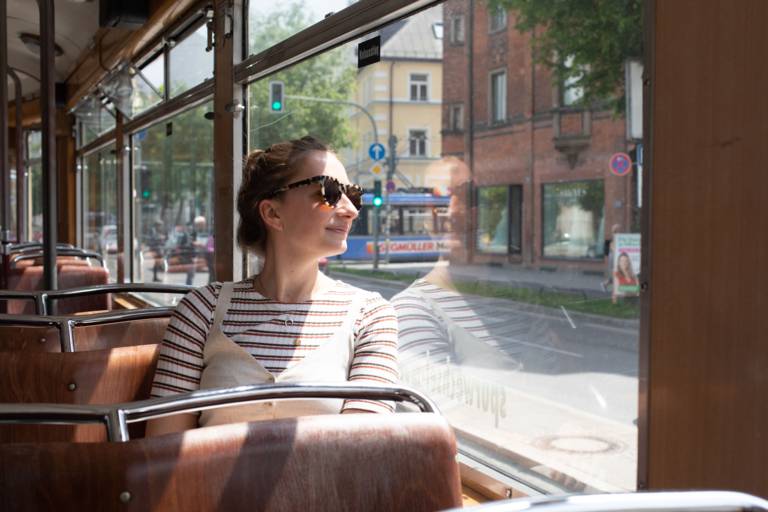
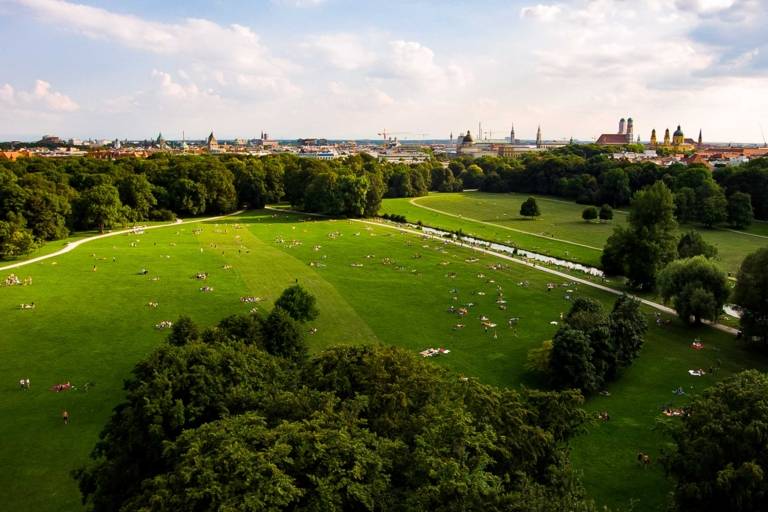
It's true: Munich is the most expensive city in Germany. This is noticeable not only to locals but also to visitors, as hotel and restaurant prices are around 25% above the German average. Tourists have to dig deeper into their pockets, especially around Oktoberfest and Christmas. However, if you avoid these peak periods, you can save money. Why not explore the Kunstareal (art district) in autumn, visit the Frühlingsfest (spring festival) in spring, or enjoy the surrounding nature in summer with hiking, climbing, swimming or cycling? There are also plenty of free activities in Munich like strolling through the Englischer Garten (park), relaxing by the Isar river or exploring the Olympiapark (Olympic Park). On Sundays, most museums charge only one euro for admission and Munich's Michelin-starred restaurants often offer lunch menus at taste-test prices. Tram line 19 passes many sights, making it an affordable scenic city tour. And beer? On average, it is significantly cheaper than elsewhere, because a standard serving in Munich is 0.5 litres instead of 0.3 litres.
By the way: Compared to other European and international cities, hotel prices in Munich are below the overall average and significantly lower than in cities such as Prague, Vienna, Rome, London or Dublin.
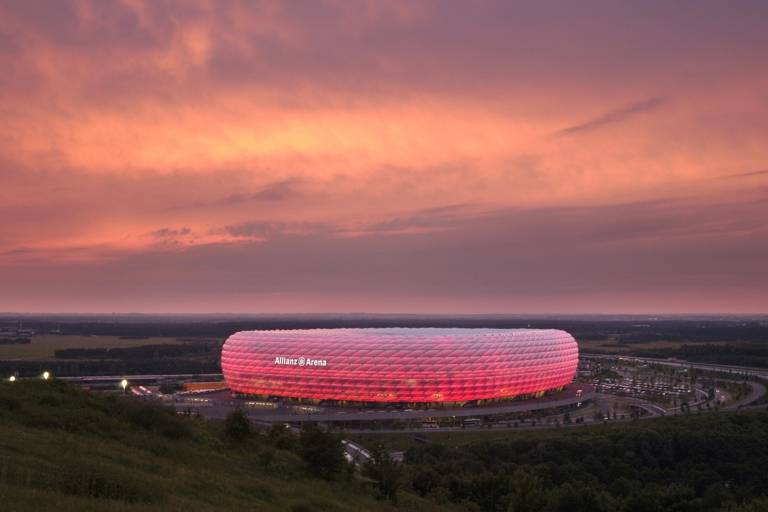
“Minga” means Munich in Bavarian dialect. In Bavarian, many words are pronounced more softly and shortened – the standard German ‘ü’ sound hardly ever occurs: it is usually pronounced without rounding the lips and sounds like ‘i’ or ‘ia’ – so “München” quickly becomes ‘Minga’. The term expresses strong local pride and is mainly used by people who feel closely connected to the city. Visitors often hear the word in pubs, at the Viktualienmarkt (food market) or in the FC Bayern München stadium – the Allianz Arena.
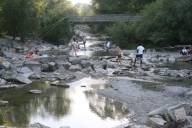
The Isar flows through Munich and is a true natural paradise that quickly makes you forget the hustle and bustle of the metropolis. Its clear water is neither the result of a filter nor a clever marketing trick: the Isar is genuinely one of the cleanest urban rivers in Europe. This is due to years of renaturalisation measures, its origin as a mountain river and particularly strict water quality controls. Between gravel banks, riparian forests and the famous Isar pools, the river is a special place to experience nature in the heart of the city – all year round.
Interesting fact: Numerous fish species live in the Isar, including grayling and huchen. The latter are threatened with extinction, which makes the city river even more special.
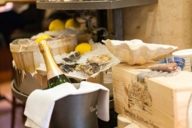
Yes, Munich has its fair share of the rich and beautiful – and they like to show themselves off. If you want to experience the city's high society, you should stop at Schumann's Tagesbar, stroll through the Brienner Quarter or go (window) shopping along Maximilianstrasse. You may also spot long-established Munich locals in some of Schwabing's cafés, sitting together with mink around their shoulders and a glass of champagne in hand. But that's only one side of Munich.
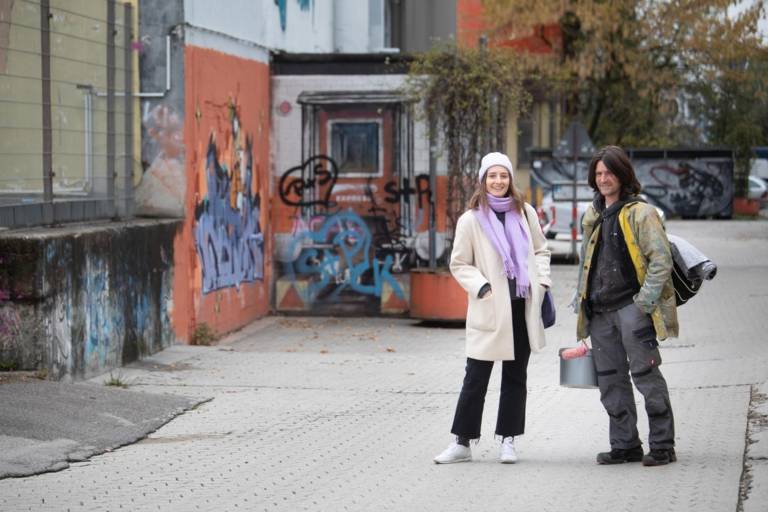
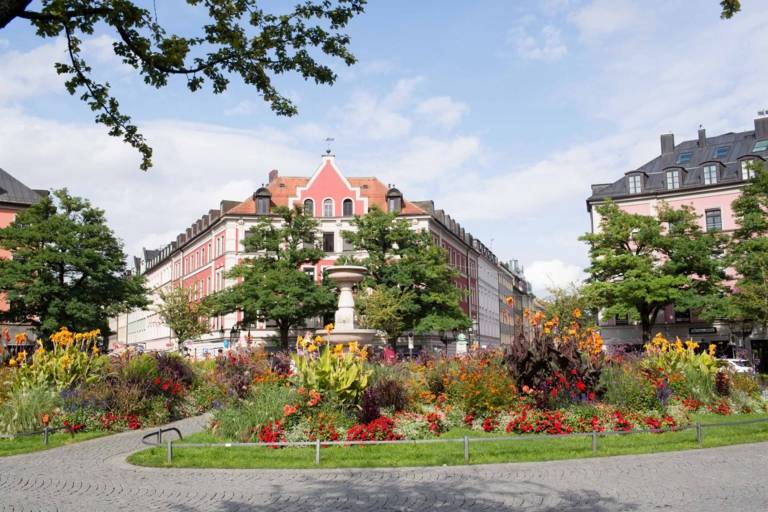
If you want to experience the city's more down-to-earth face, it's best to head from the main station to the former working-class districts of Sendling, Giesing and Westend. Here, neighbours greet each other on the street, there are small theatres and street art, traditional bars where locals raise a glass and cosy cafés that are still pleasantly uncrowded. These neighbourhoods are best known for their everyday charm – if you want to experience a contrasting side of Munich, this is the place to be.
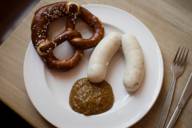
Weisswurst is a traditional breakfast dish, even if that may seem unusual at first. It is an uncooked sausage that used to have a short shelf life without refrigeration, so it had to be made fresh every day. Originally, it was meant to be eaten before the clock struck twelve. Even today, it is still served with sweet mustard, pretzels and wheat beer. Nowadays, however, you can also enjoy Weisswurst later in the day and many pubs serve it the whole day. If you want to experience the original tradition, it's best to visit a traditional pub in the morning and start the day in the classic Munich style.

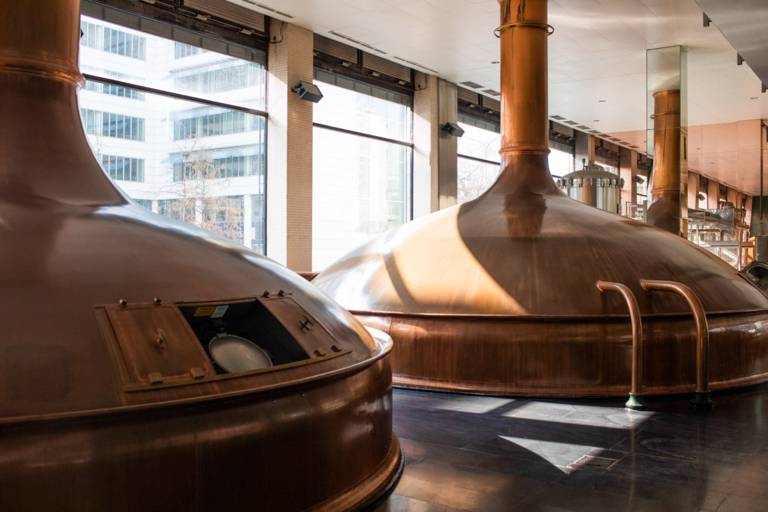
In Munich, beer is considered a cultural treasure – simply because it tastes so good. Six large breweries, world-famous beer gardens, the Oktoberfest and the Hofbräuhaus (beer hall) make the city a true beer stronghold, firmly anchoring the drink in the everyday life of the locals. In addition, the oldest brewery in the world, the Bavarian State Brewery Weihenstephan, is still operating in Freising near Munich.
What surprises many people, however, is that wine consumption per person here is higher than in any other big German city. It is served in excellent restaurants, bars specialising in natural wines and outstanding wine shops. Munich can therefore offer both: beer brewed according to the “Reinheitsgebot” (purity law) and wines of the highest quality. Both drinks are part of a lively drinking culture which is about much more than the question “beer or wine?”.
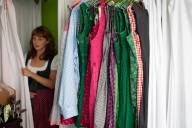
Although dirndls and lederhosen are certainly part of Bavarian culture, they are far less common in everyday life in Munich than one might expect. Most locals dress normally when going to work, university or a café – just as in any other European city. Traditional dress is mainly worn by waitstaff in classic Bavarian taverns and on special occasions, such as during the Oktoberfest, at folk festivals or at traditional celebrations. A growing number of wedding outfitters now specialise in traditional attire, offering dirndls and lederhosen in particularly elegant styles and fine fabrics. For many people, however, traditional wear remains an expression of regional identity and festive culture – and not an everyday dress code.
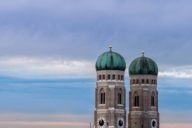
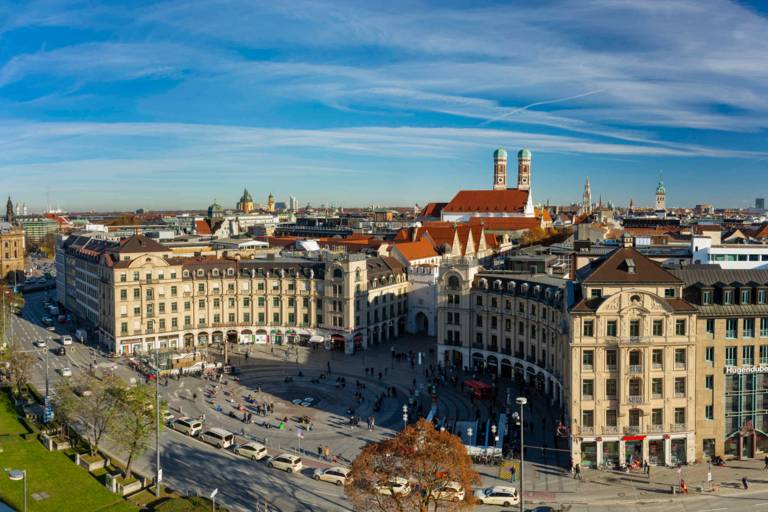
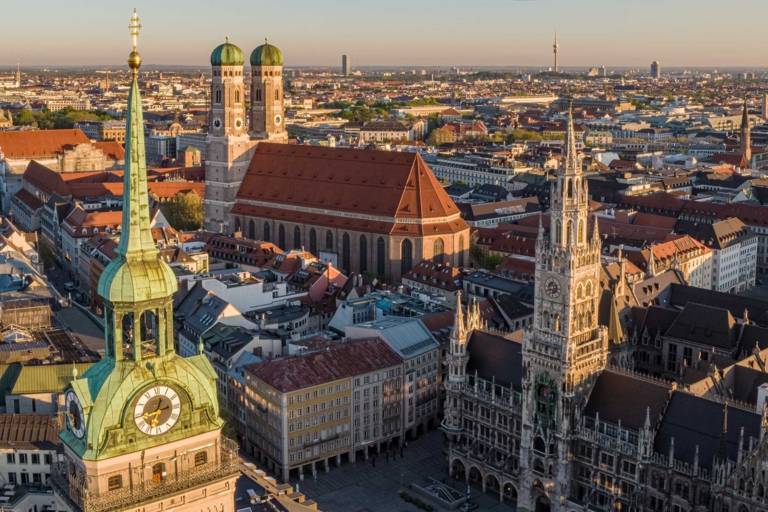
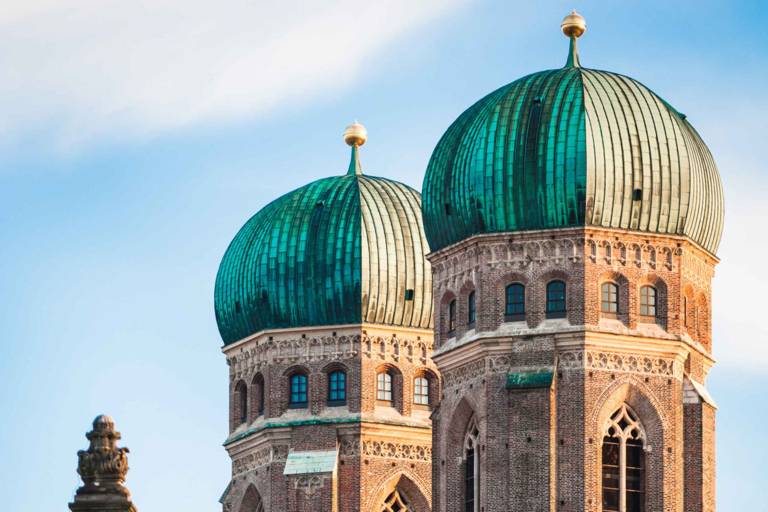
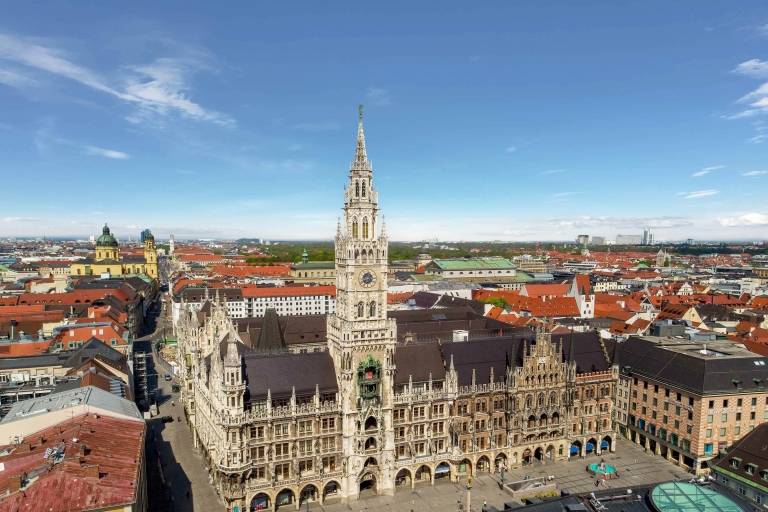
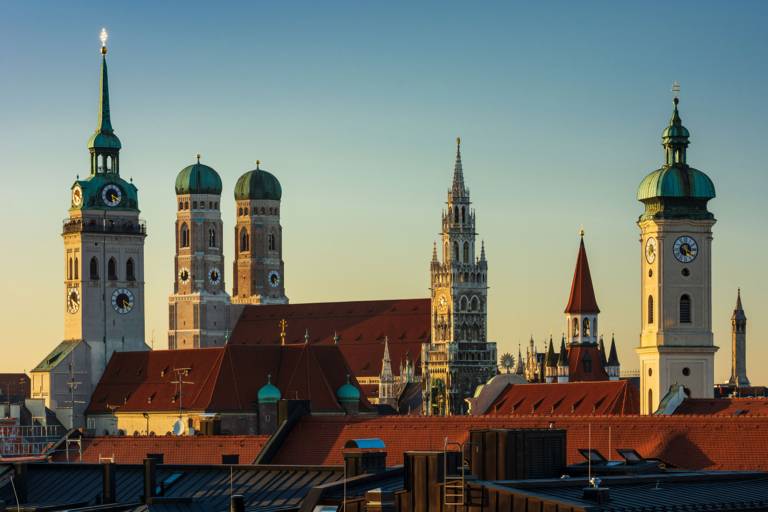
Munich deliberately aims to preserve a harmonious cityscape. A public referendum in 2004 limits the height of new buildings in the city centre to below that of the Frauenkirche (cathedral), ensuring that the historic towers remain visible and that, on clear days, the Alps dominate the horizon. Nevertheless, modern architecture certainly exists: in districts such as Schwabing or Arabellapark, there are taller buildings – and from various viewpoints such as the Olympiaturm (Olympic Tower) and inviting roof terraces, visitors can enjoy a sweeping view of the city all the way to the mountains.
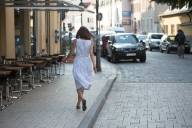
Cleanliness is taken seriously in Munich. The city invests around 40 million euros each year in keeping it that way. Around 400 employees and more than 250 cleaning vehicles work daily to keep streets, squares and parks well maintained. And the results speak for themselves. Locals sometimes joke that in Munich, you could eat off the streets – of course, it doesn't have to go that far, but you can always sit on a clean park bench and don't have to step over piles of rubbish on Monday mornings. In Munich, cleanliness is no coincidence. It is part of the city's urban quality of life – from which guests also benefit, of course.

The most famous prejudice of all. And of course, there is a grain of truth in it: international surveys repeatedly show that Munich does not always make it easy for expats to settle in. Although the ‘Bavarian grumpiness’ is rarely meant to be nasty, its mix of directness and dry tone can often lead to misunderstandings. “It can feel like a barrier if you come from a softer culture and take the grumpiness personally,” says intercultural expert Kiriko Nishiyama. “However, once you understand the language and culture better, you begin to recognise the warmth behind it.” Those willing to embrace the Bavarian grumble soon discover how helpful, humorous and warm-hearted the people of Munich are. So this little challenge is definitely worth it.
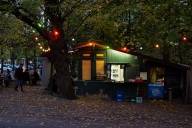
Bavarian shop opening hours are traditionally regulated, so classic 24-hour late-night shops like those in Berlin are rare. However, Munich offers plenty of alternatives: kiosks with extended opening hours are permitted, as long as they don't just sell drinks and snacks, but also provide a small bar counter or seating area for consuming food and drink on-site. Petrol stations, train station shops, bars and pubs also stay open late into the night. This means that even after 8 pm, you can easily find a place for a drink or snack in any neighbourhood.
Good to know: The well-known “Kiosk Reichenbachbrücke” in the bustling Glockenbachviertel is open almost around the clock, closing only for one hour from 5 am to 6 am.
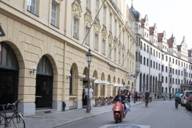
Geographically, this is of course not true, but visitors quickly understand why the city carries, in many ways, the spirit of the Italian peninsula. “There are 700 Italian restaurants in Munich, which naturally shapes the city,” explains Munich-based bestselling author of Bella Germania, Daniel Speck. “Plus, the way of life sometimes has a Mediterranean touch, for example in the beer gardens – sitting outside and simply watching.” Much of the Italian influence is also evident in the architecture, most notably in the Theatinerkirche church and along Leopoldstrasse, which resembles a true Corso, where people love to stroll and linger. Even the climate encourages this Italian vibe: the proximity to the Alps brings many warm Föhn days and surprisingly abundant sunshine – a small climatic miracle north of the Brenner Pass. Of course, Munich remains unmistakably Bavarian, yet this mix puts sociability, enjoyment, and a slower pace at the centre of daily life.