An architectural history which spans 850 years. Munich boasts a long-standing culture of building, dating from the time of its foundation during the Middle Ages to the present-day planning of the city's metropolitan area.
Royal seat, business centre, cultural metropolis and magnet for urban tourists: Munich has many attributes, and its prominent architecture produces the perfect setting for each. And the city has never shied away from comparison either – its palaces, churches, boulevards and monuments have always been on the same footing as those of Dresden, Rome, Paris and Berlin.
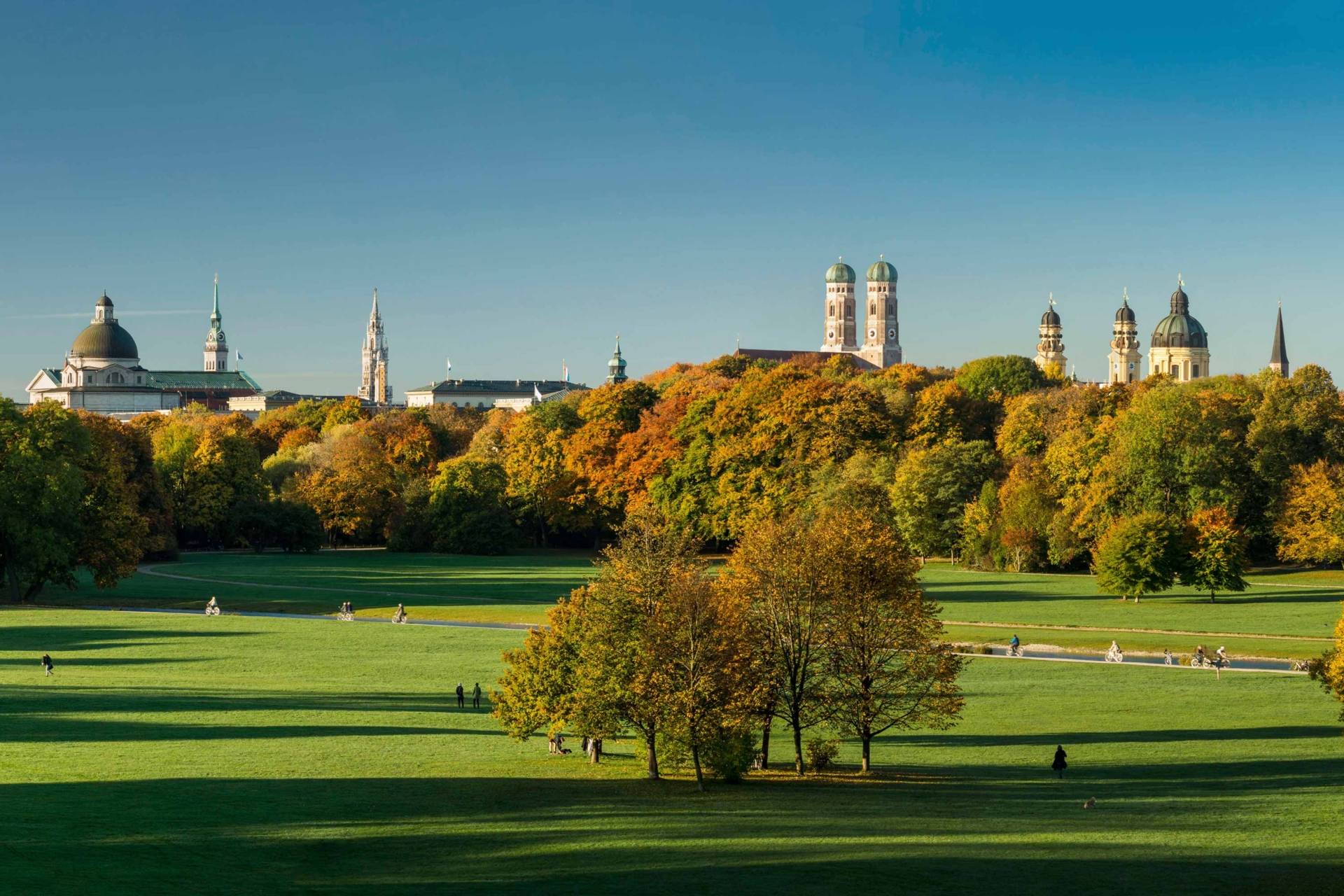
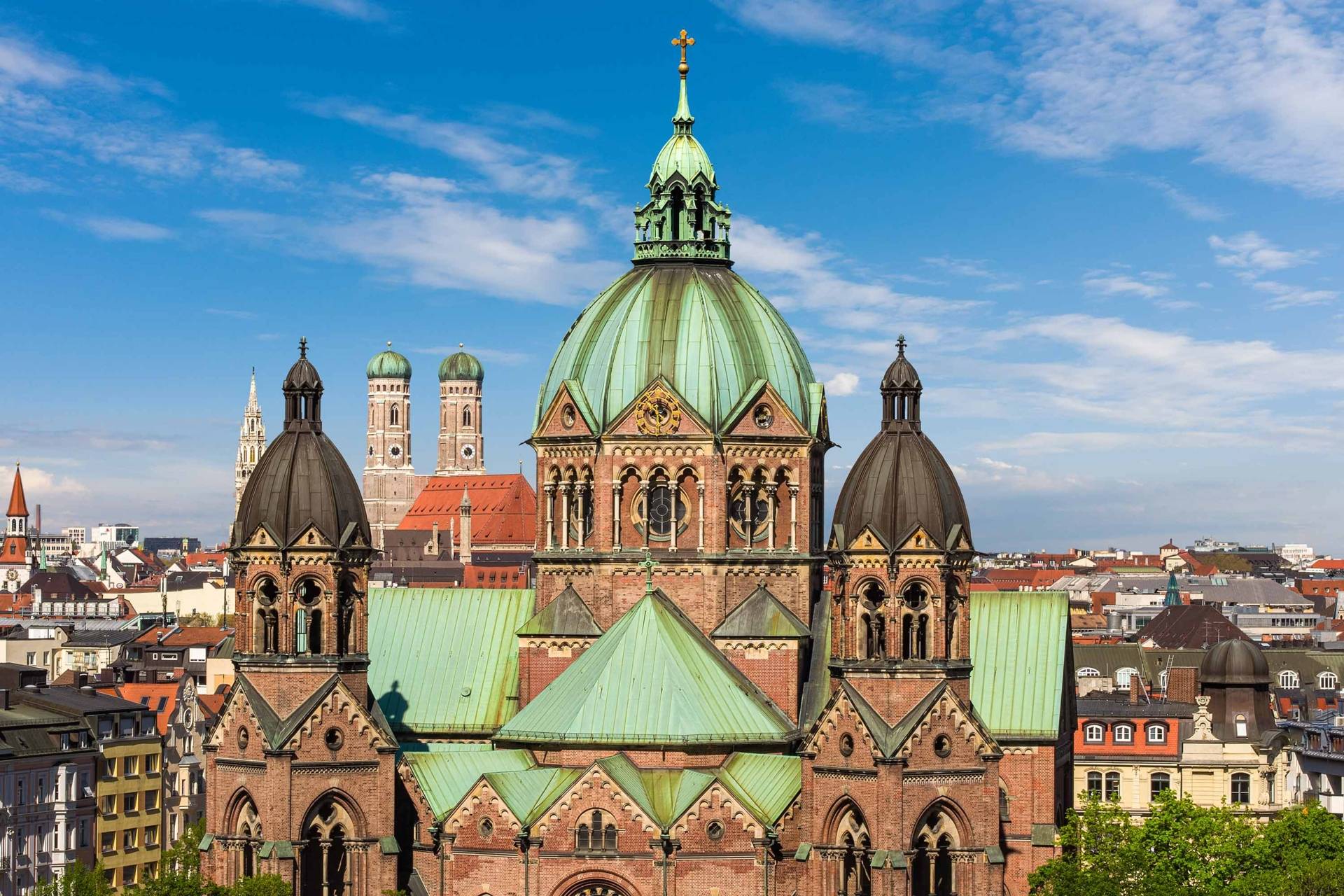
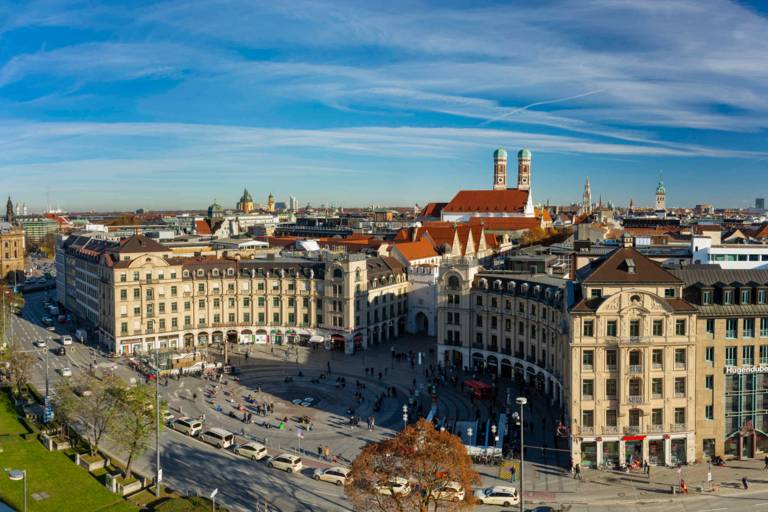
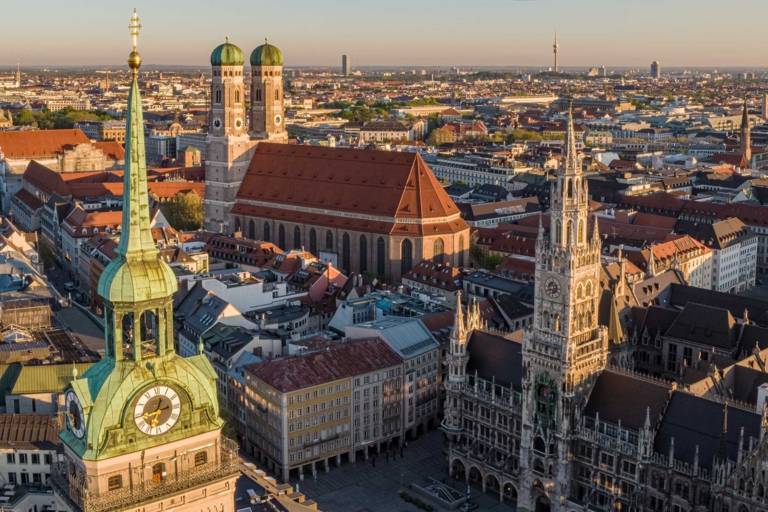
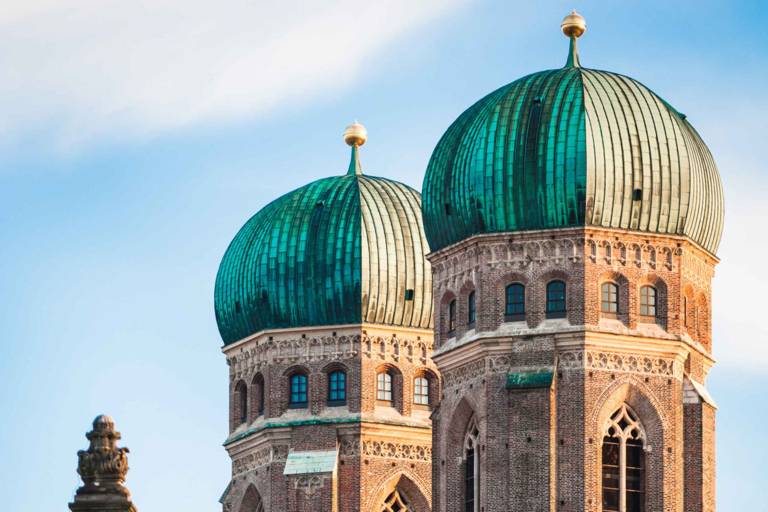
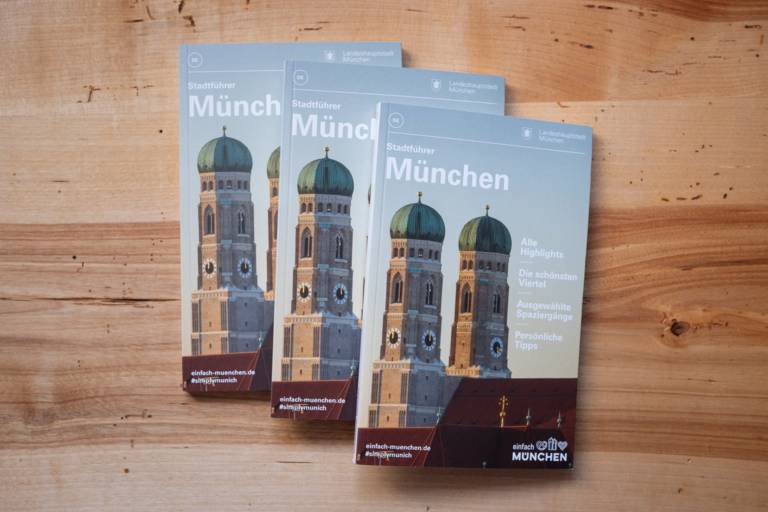
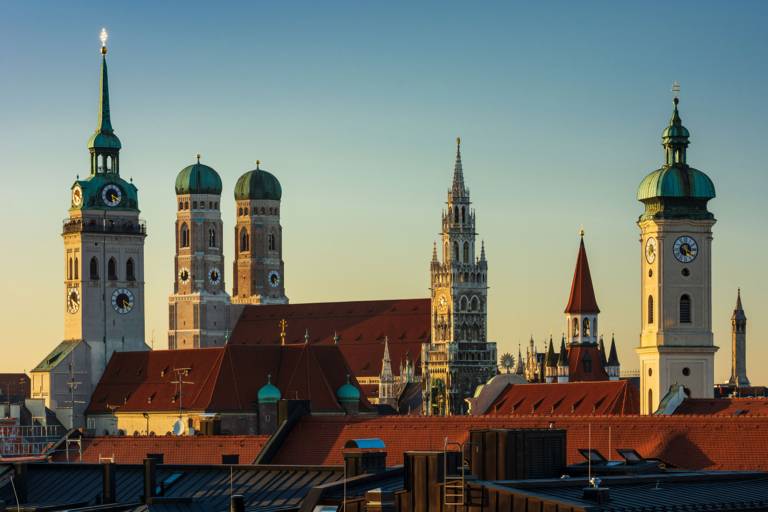
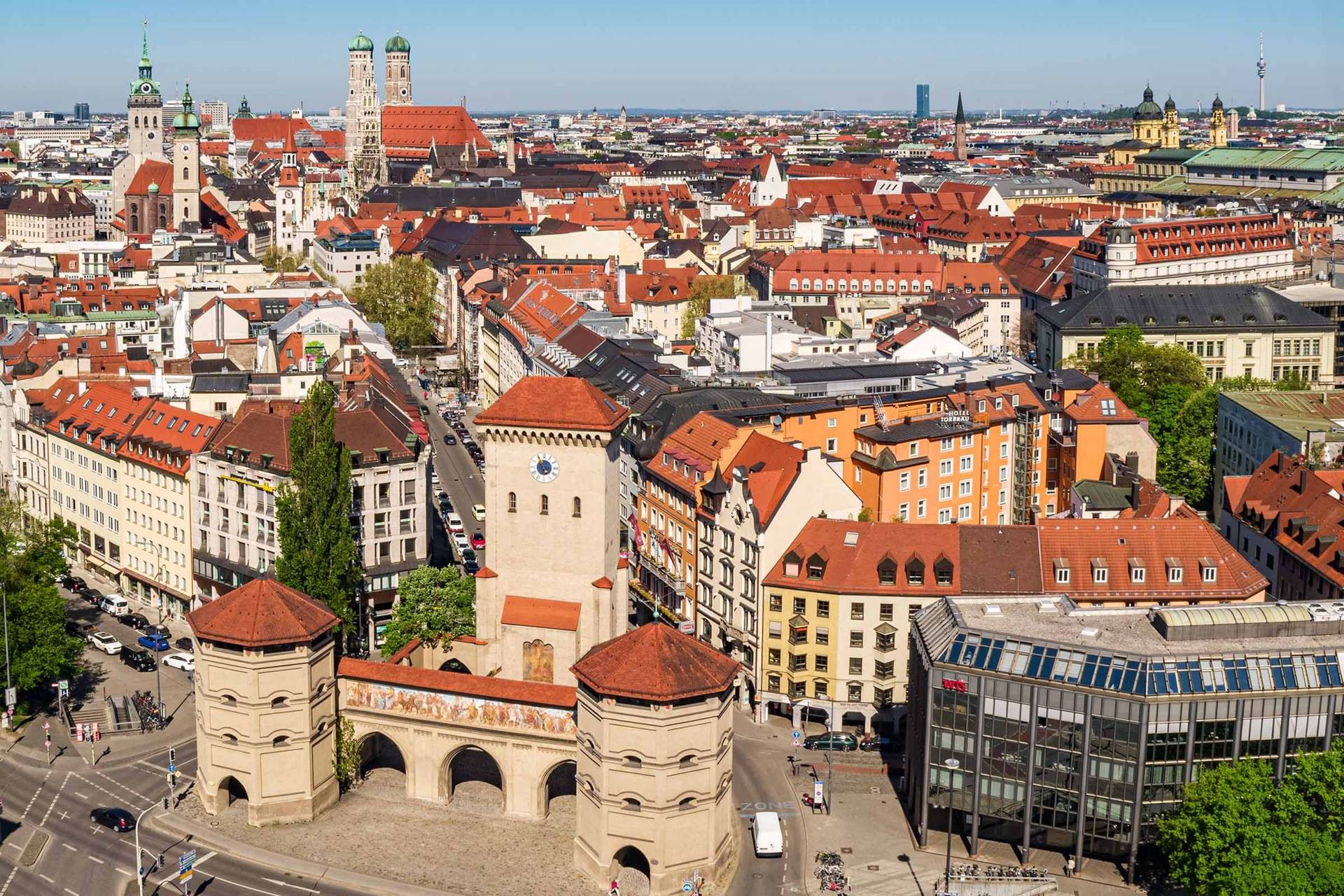
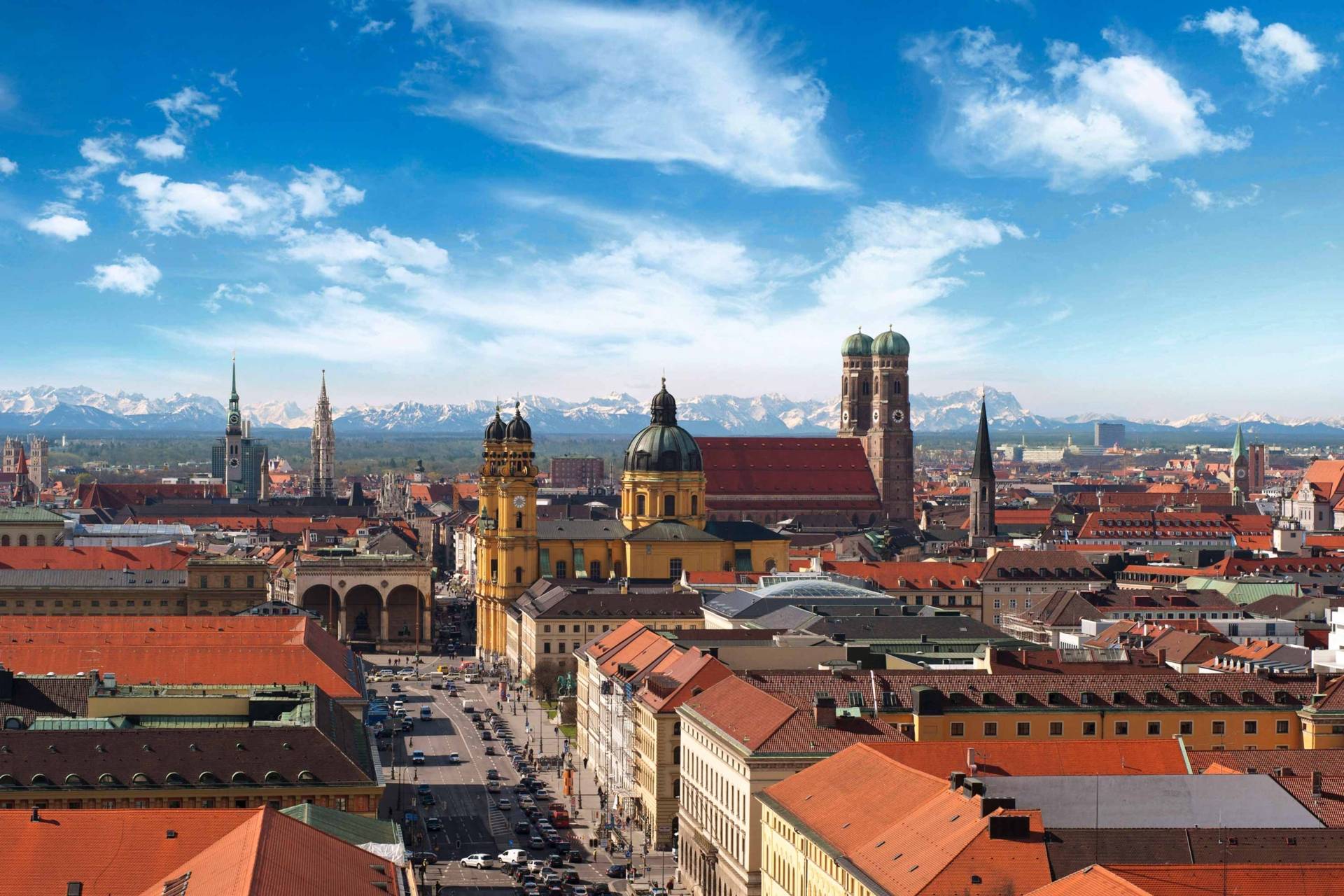
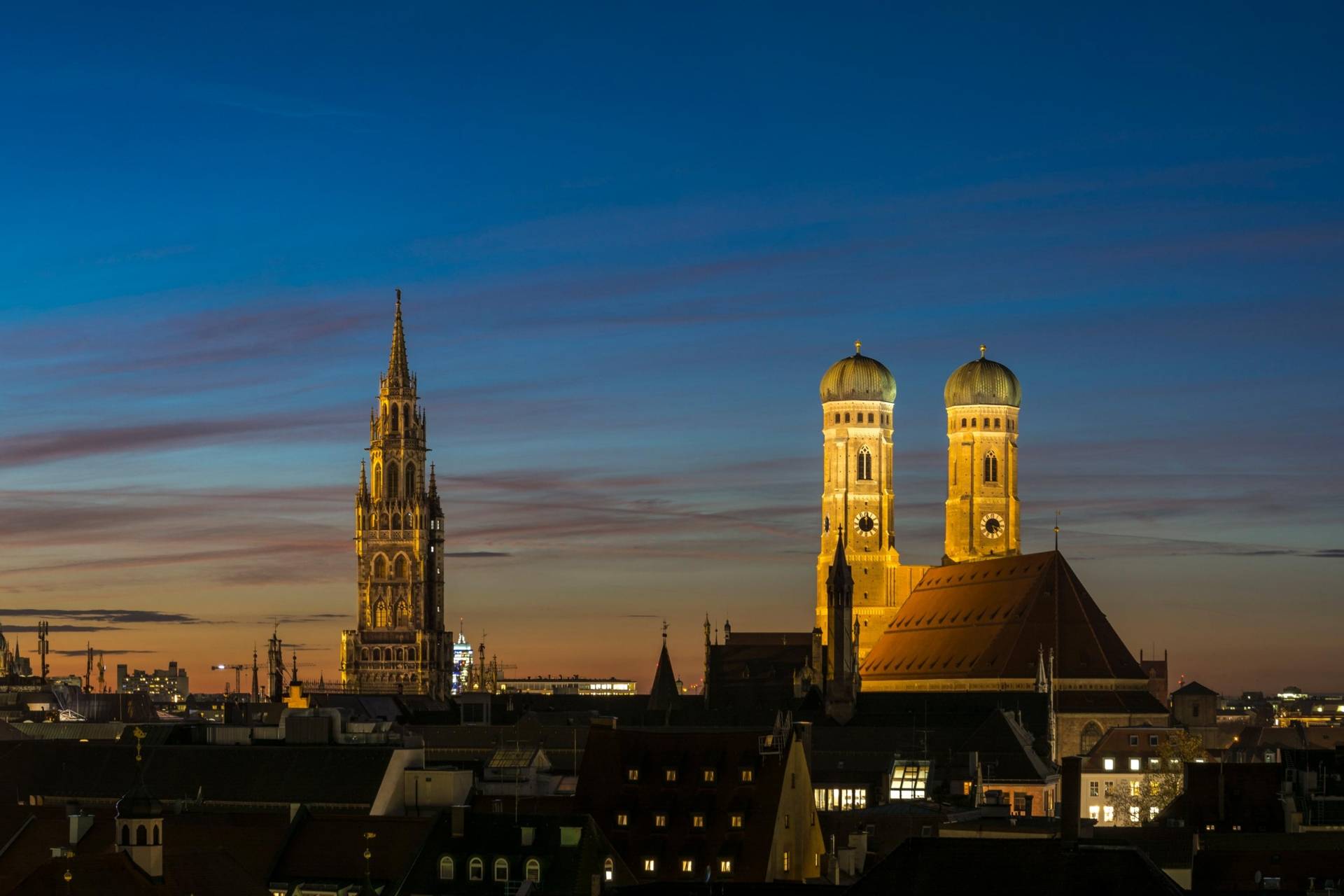
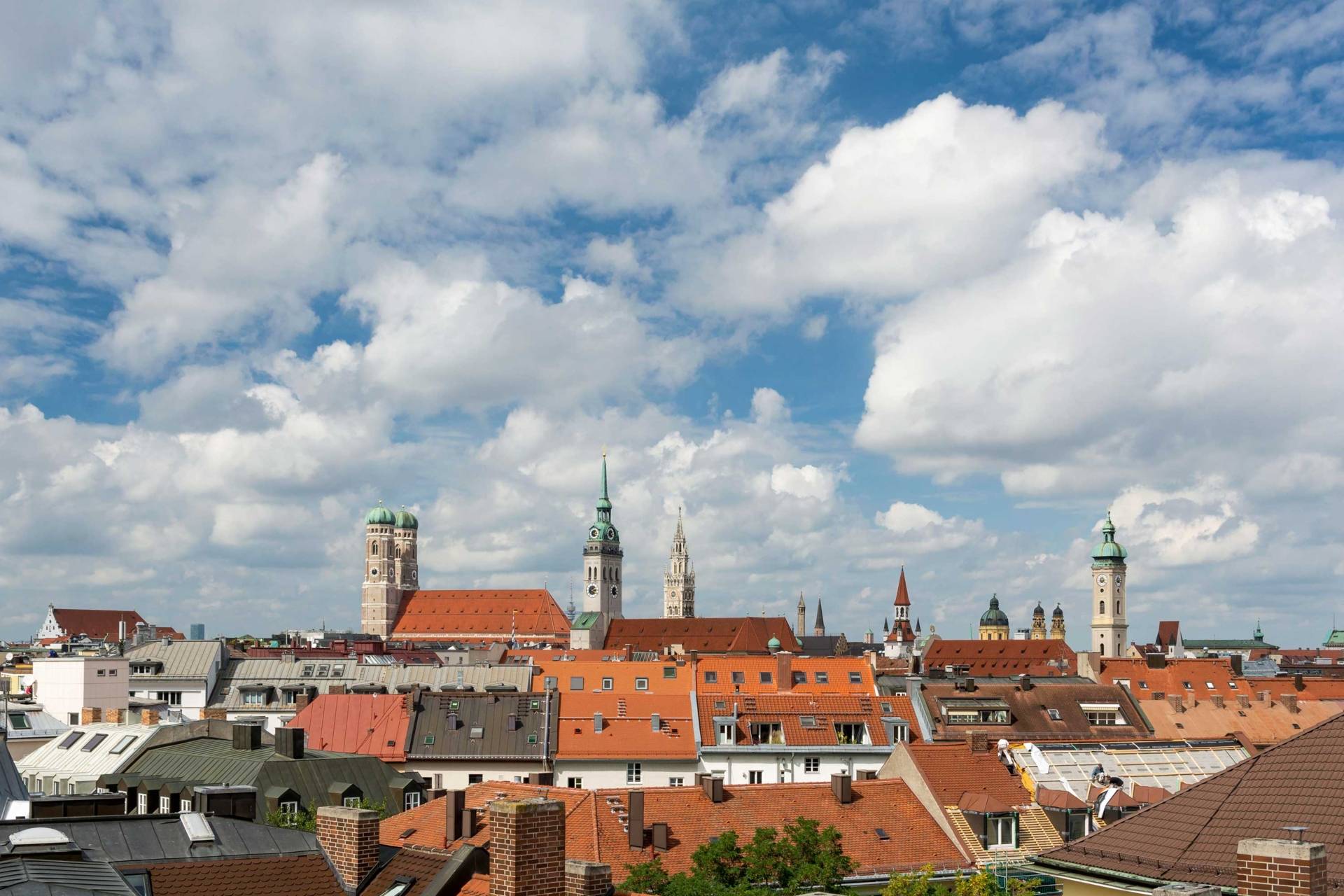
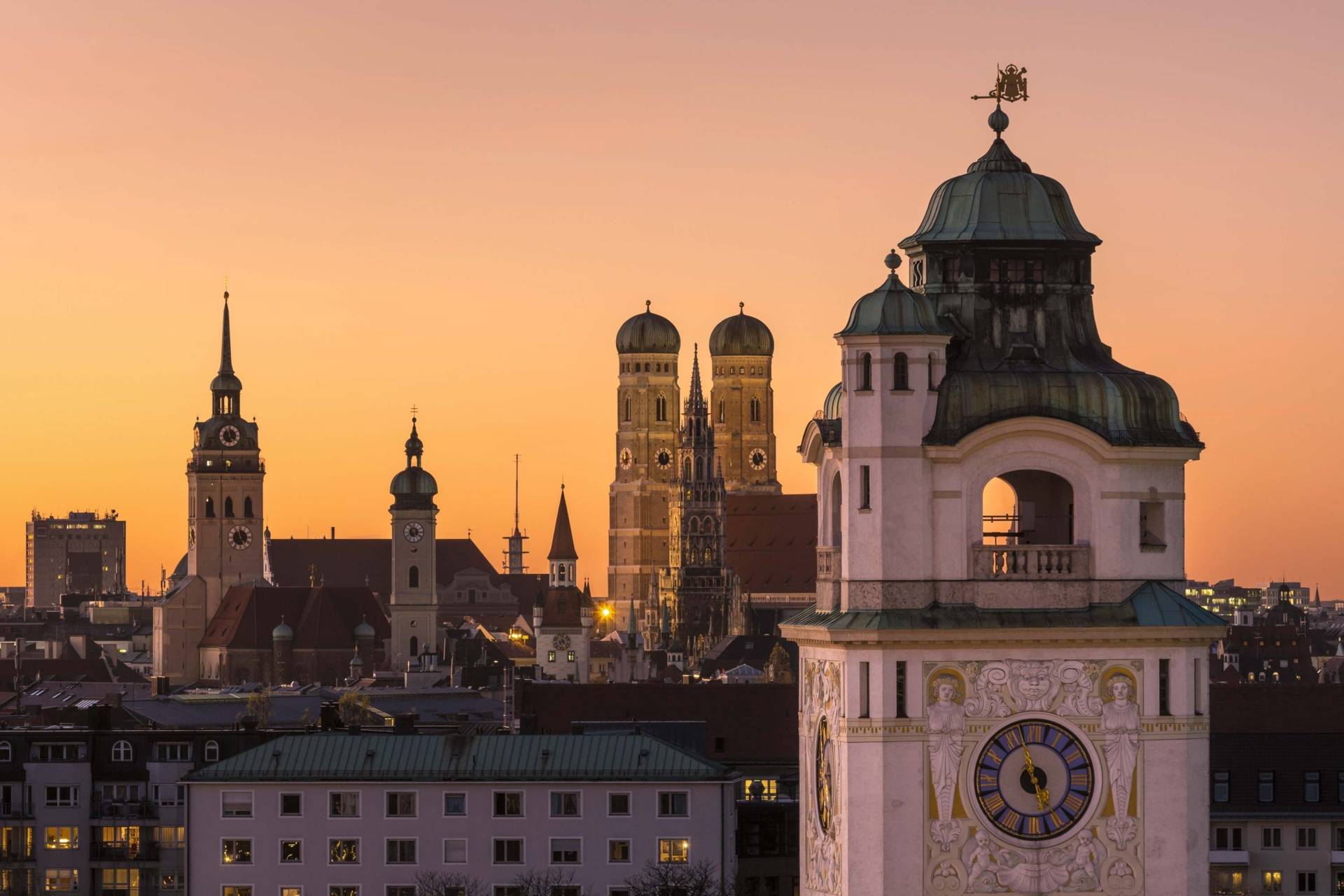
Humility was the last thing on Jörg von Halsbach's mind when, in the late Middle Ages, he built the Frauenkirche, the silhouette of which continues to define the city to this day. The two towers, with their unmistakable bulbous domes, are a unique blend of Late Gothic and Renaissance styles. Friedrich Sustris was similarly ambitious in designing Michaelskirche Jesuit church in the emerging Baroque style.
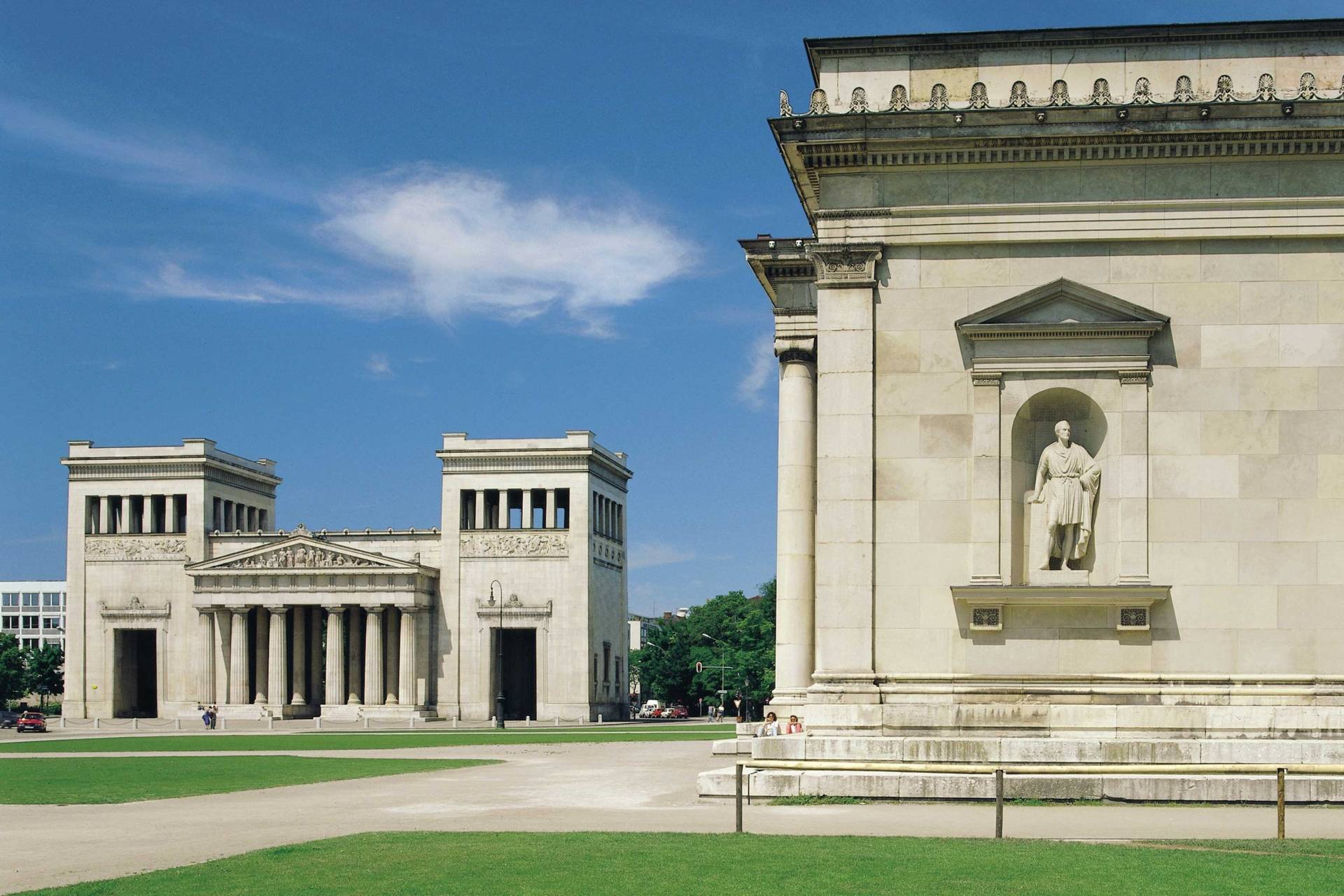
The building was used as a model for numerous new constructions and was also drawn upon by Leo von Klenzes and Friedrich von Gärtner, to inspire their façade designs which transformed the royal seat into “Athens on the Isar” during the 19th century.
Humility was the last thing on Jörg von Halsbach’s mind when, in the late Middle Ages, he built the Frauenkirche, the silhouette of which continues to define the city to this day.
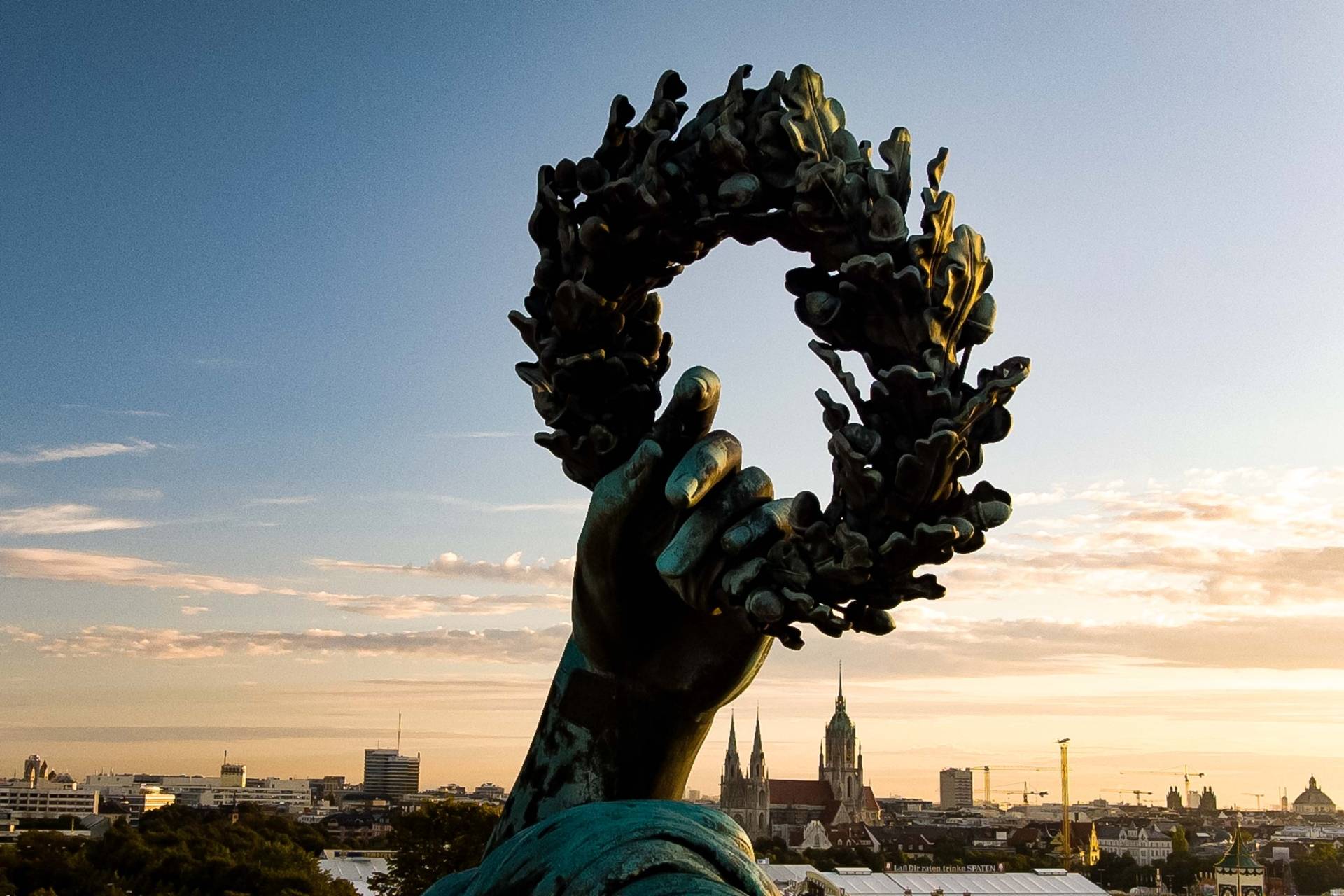
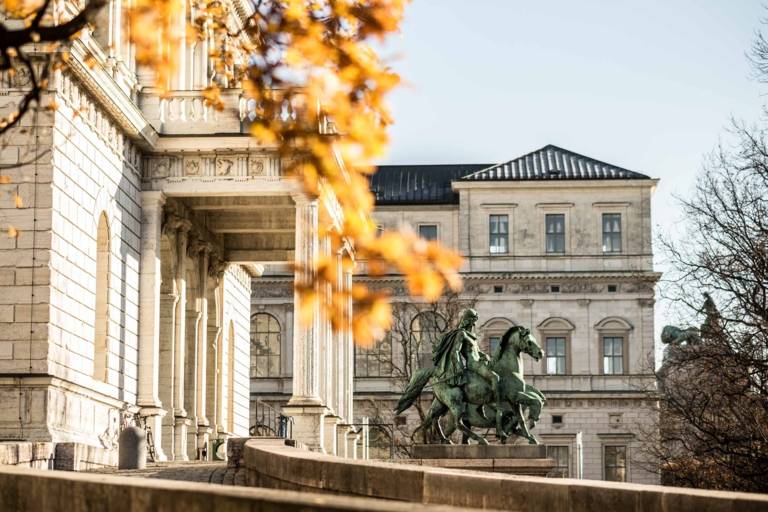
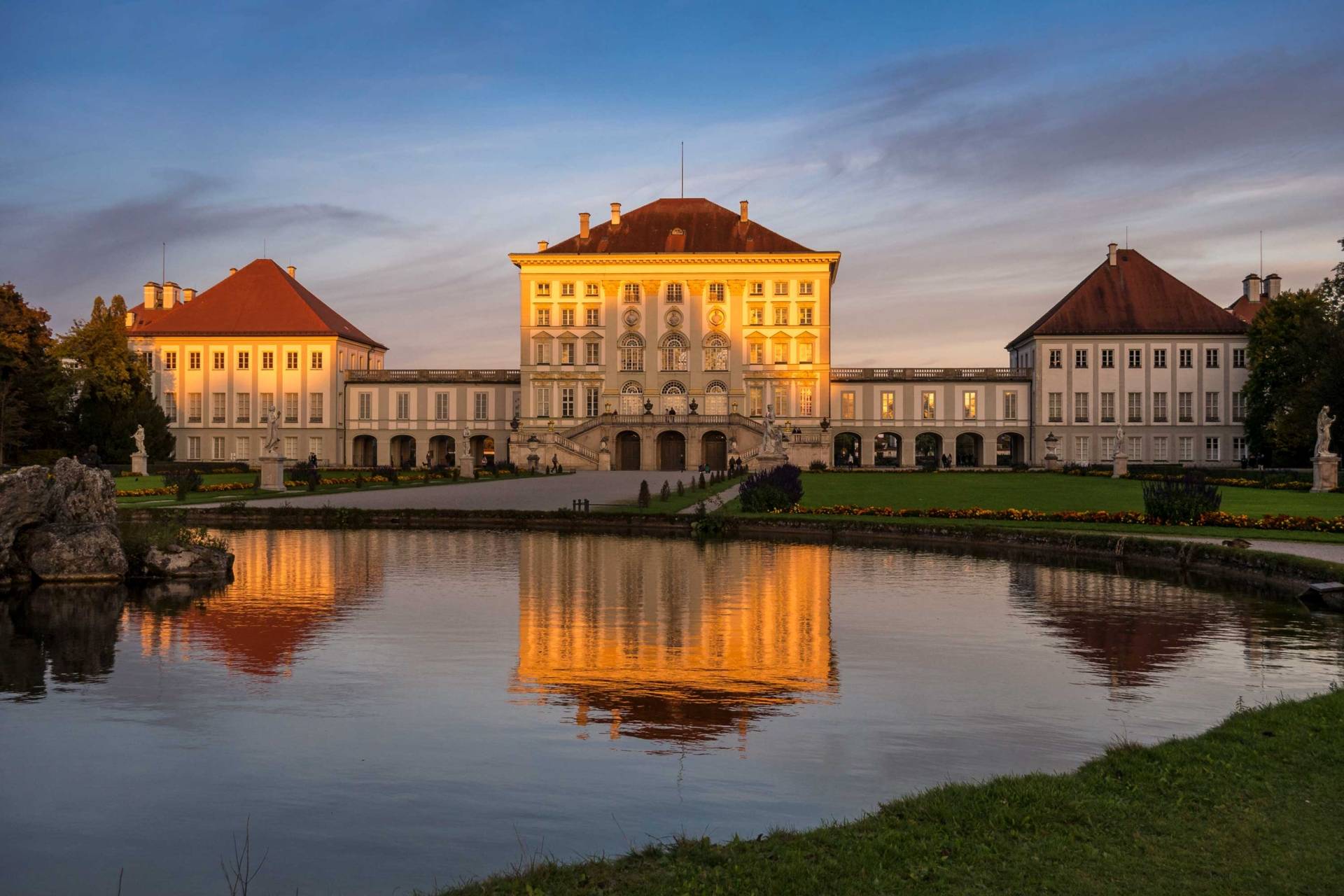
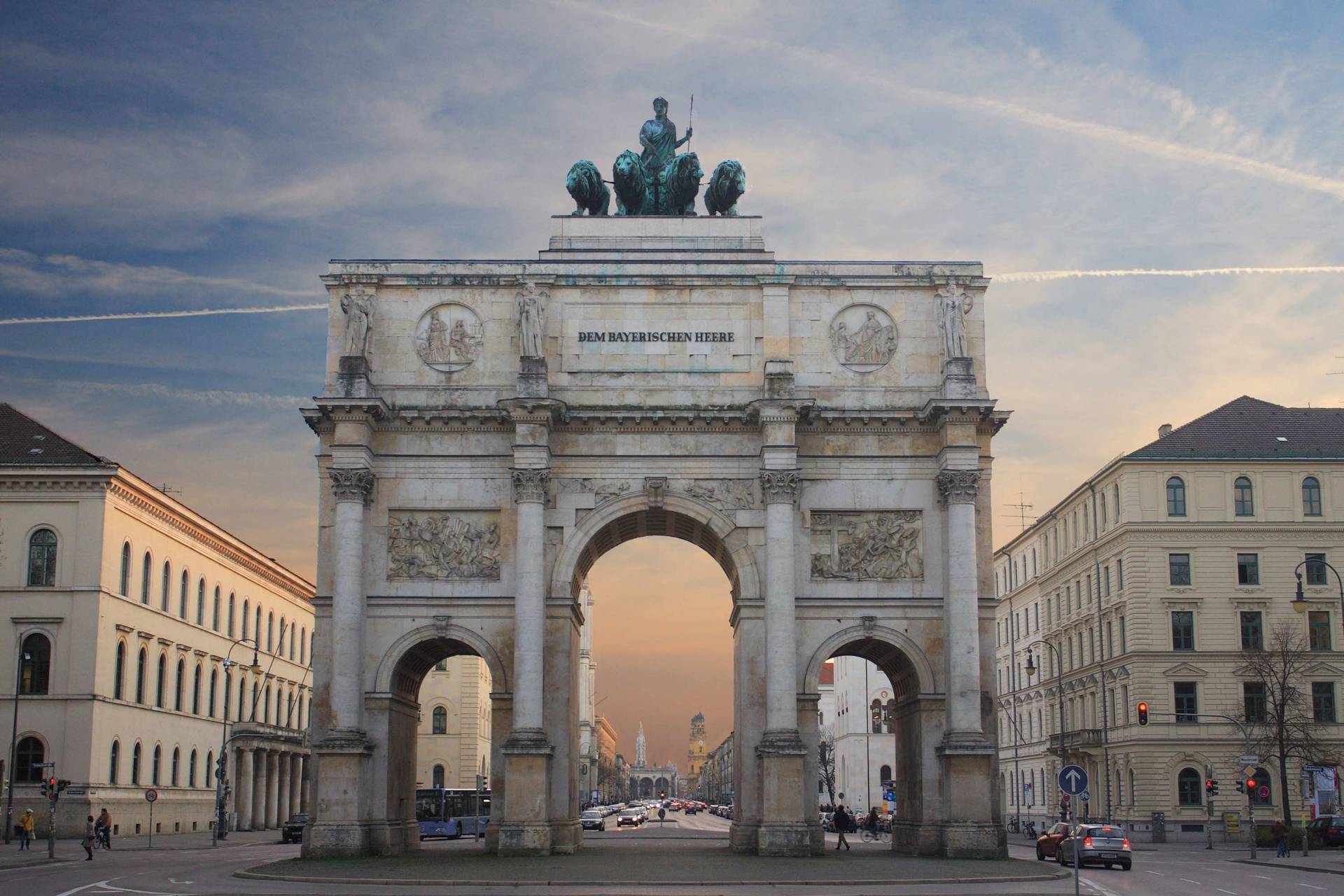
King Ludwig I used architecture to create a new, glittering stage for the monarchy. The museums he commissioned in the style of Greek temples and Florentine palaces; the Siegestor (gate); and the tall, proud bronze statue of Bavaria were all intended to make the status of the monarch absolutely clear. So in the 19th century, the architecture of the city primarily served the monarchy.
Eventually, when Munich became a metropolis, modernist styles started to creep in during the period before the First World War: the mighty structures, double city walls and fortress of the past were supplanted by a broad ring road with ample room for traffic. Expansive new promenades were created for the economically buoyant bourgeoisie, along with gigantic cafés and beer halls, numerous wide bridges over the Isar, the Deutsches Museum and elegant residential palaces. The Brienner district and Maximilianstrasse have since exerted their magnetic influence on locals and visitors alike.
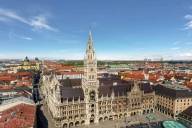
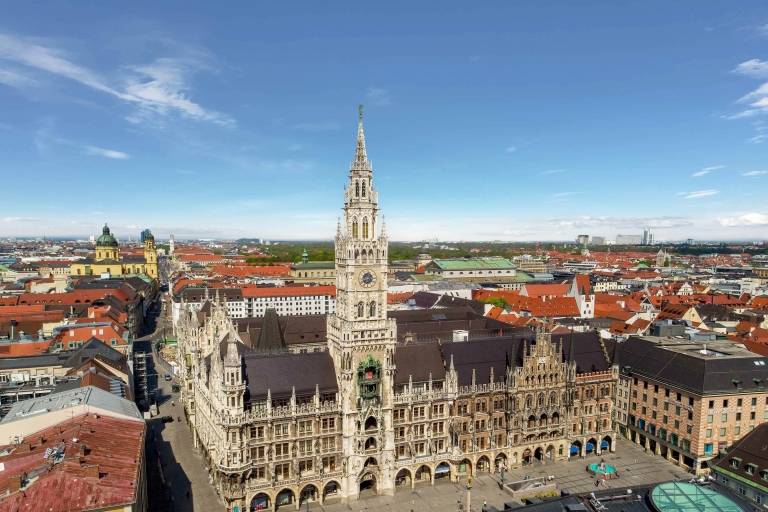
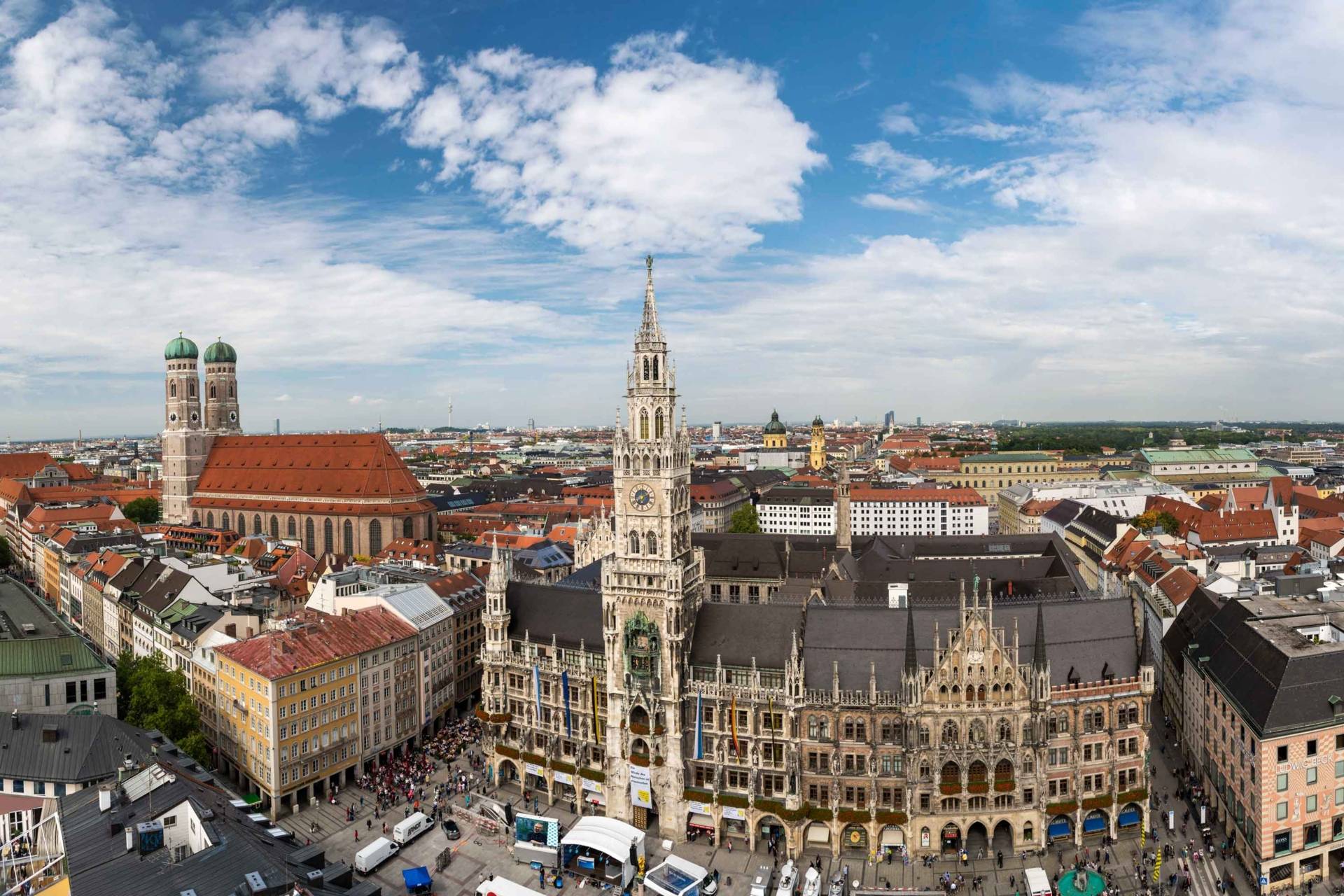
However, the most striking monument to be built was the Neue Rathaus (New Town Hall) on Marienplatz, which was finished after 40 years of construction and has since been considered one of the true emblems of Munich – alongside the towers of the Frauenkirche – not least because of its world-famous Glockenspiel.
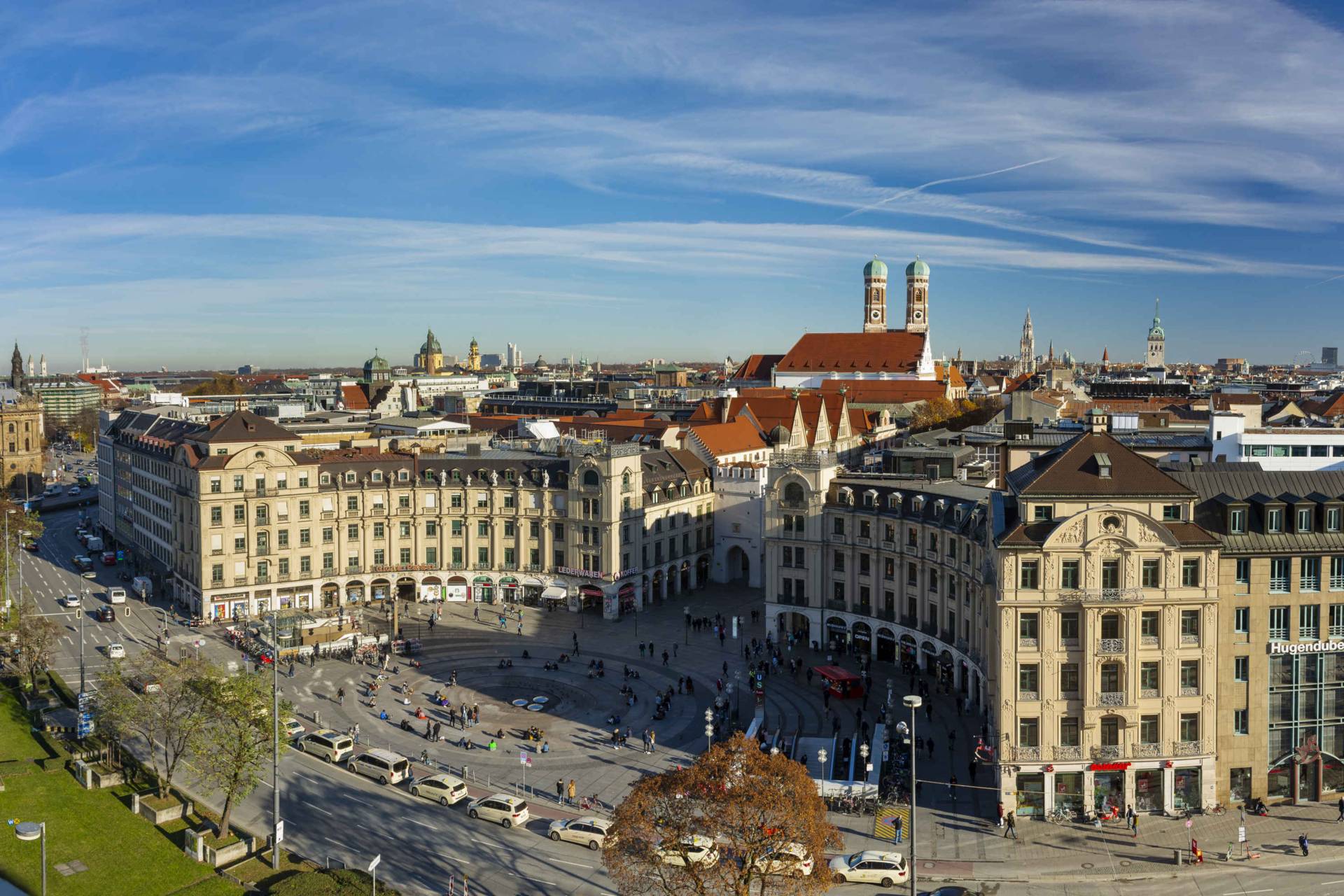
The Stachus, as Munich locals like to call Karlsplatz, also contains a wealth of impressive testaments to its architectural history, which seem to invite critical comparison: the magnificently decorated Justizpalast (Palace of Justice) dating from the Gründerzeit (the economic boom in Germany and Austria during the 19th century, prior to the stock market crash in 1873), the still-operational shopping centre built after the war, now a listed building, and the spectacular, audacious architecture of the new “Koenigshof” hotel.
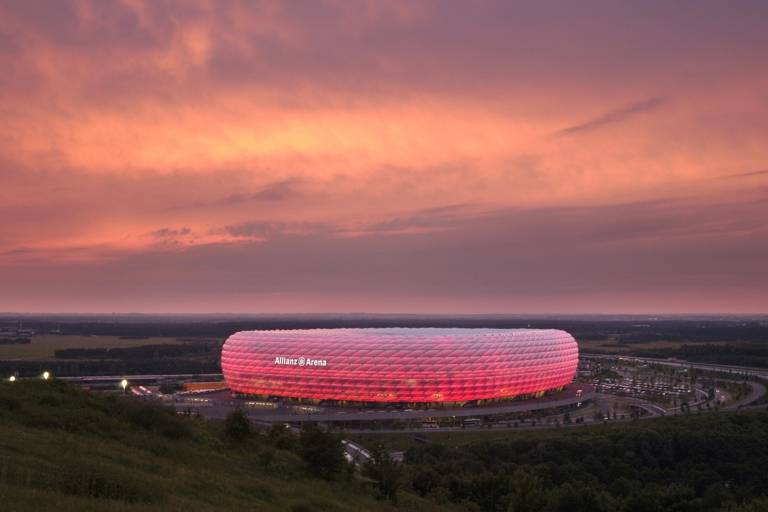
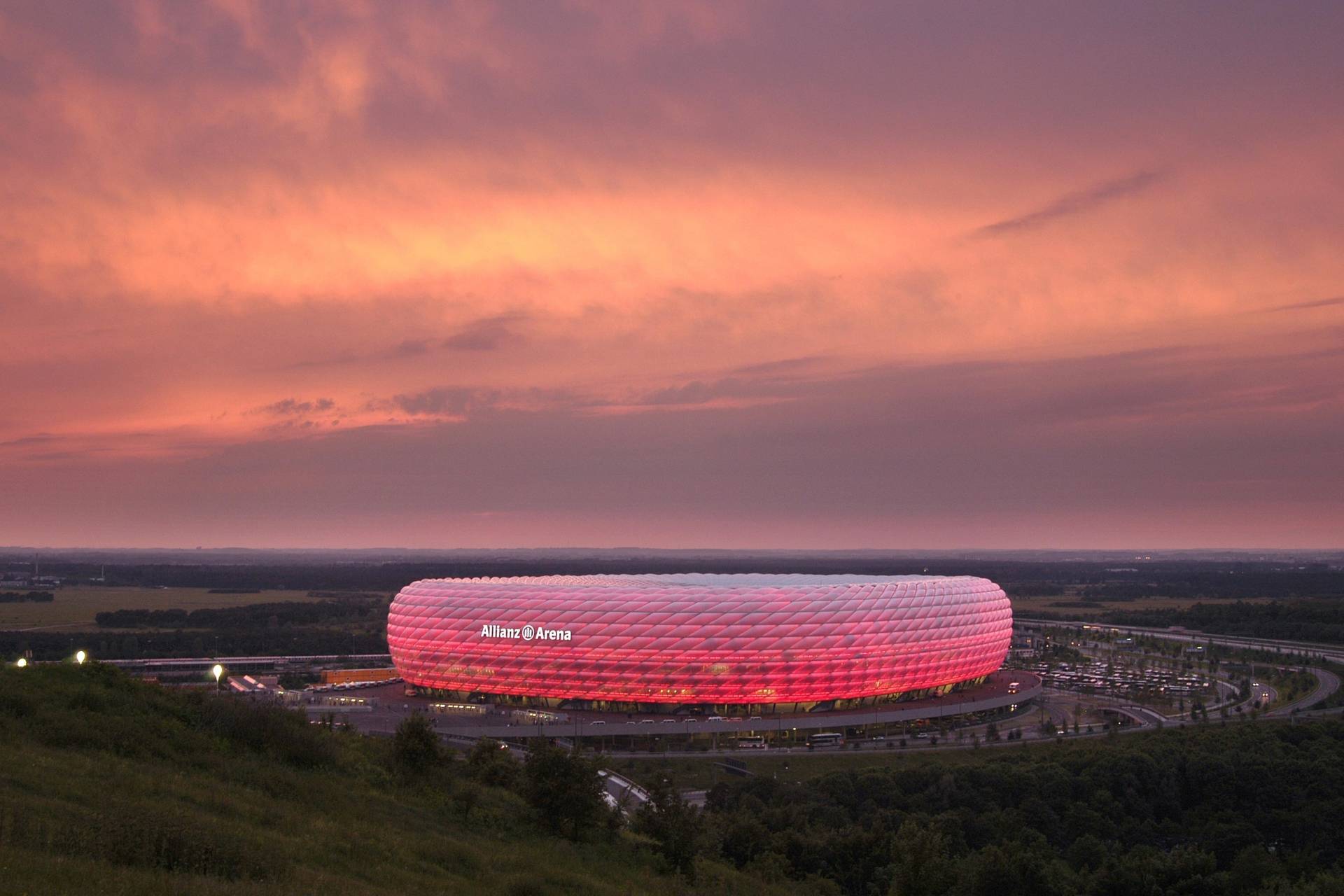
But will Munich continue to keep up with international rivals with its contemporary architecture or is it too timid and provincial? Well, just a few years ago, architects Herzog and DeMeuron and Murphy&Jahn produced prominent, widely acclaimed architectural icons in the form of the Allianz Arena and the Highlight Towers respectively. The new University of Television and Film building enjoys universal admiration, and the transparent walls of the Herz-Jesu-Kirche in Neuhausen has even set new international standards for church architecture.
But how does the future look, and how should Munich be shaped to respond to its enormous growth? What form should the construction of modern apartments take during an era when living space is being so compressed? Tours through the Kunstareal art district, famed for its three large Pinakothek museums, shed light on this possible future response, and visits to construction sites at the new Münchner Konzertsaal (Concert Hall) and to the creative quarter highlight the exciting developments that are currently underway.
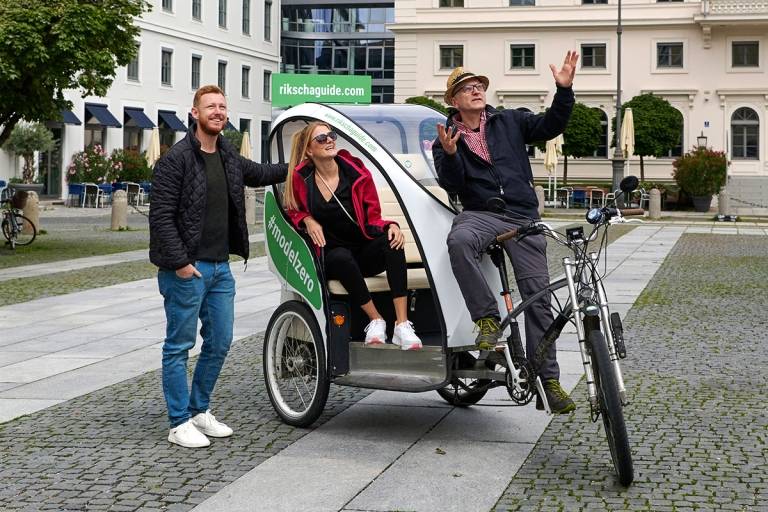
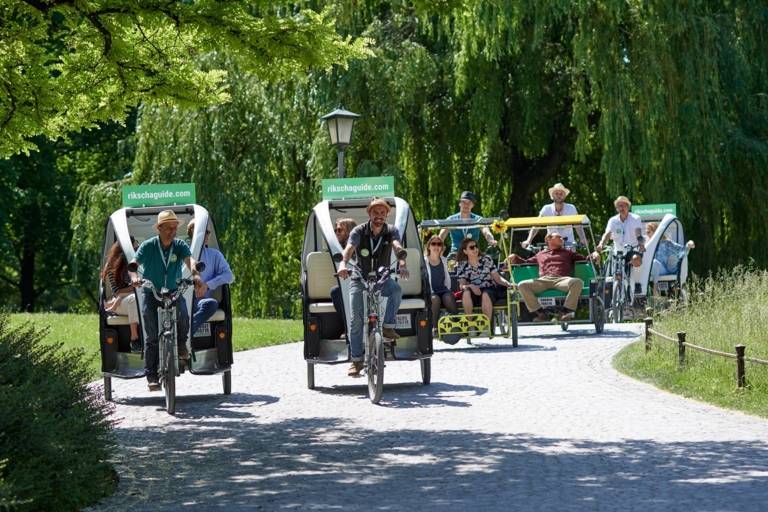
During a walk through Munich’s city centre with an official city tour guide you will be inspired by imposing architecture. Read more
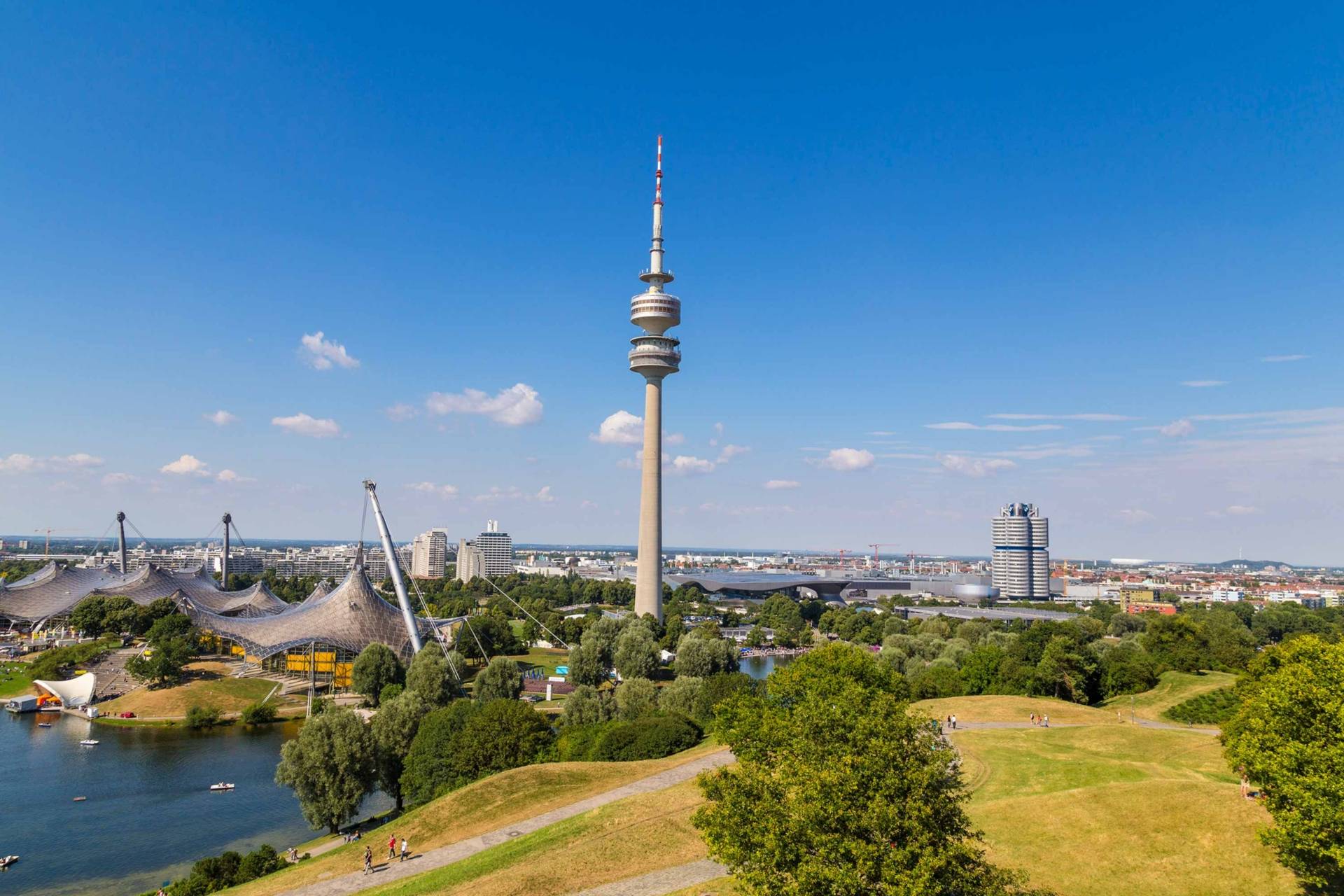
From the viewing platform of the Olympic Tower, visitors can not only admire the still-spectacular glass roof structure of the 1972 Olympic park, but they can also enjoy a broader view over the current expansion and development of the city. The early stages of construction on the Hauptbahnhof (main train station) and second S-Bahn train tunnel offer insights into Munich's architectural path into the 21st century.