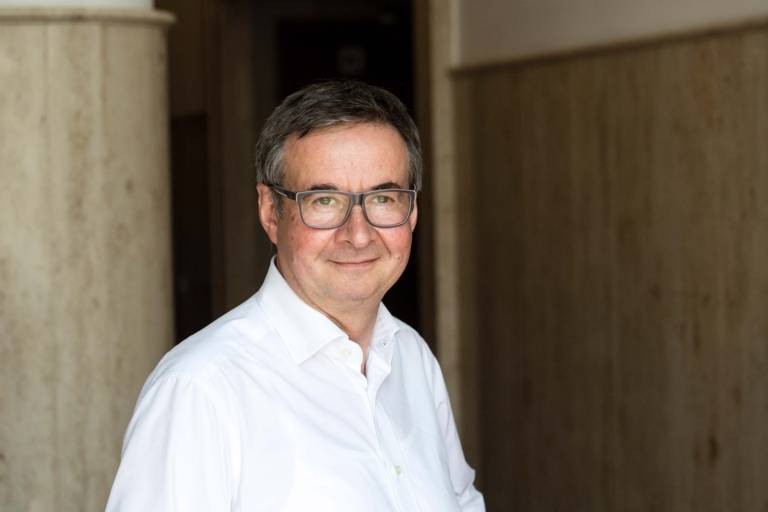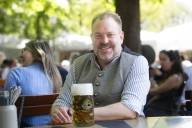
Andreas Maisberger is the managing director of the Munich Brewers' Association, which represents the interests of Munich's six major traditional breweries – and shapes the image of Munich beer around the world like no other organisation. In this interview, he reveals what makes Munich's beer culture truly unique.
You are the managing director of an association that is special in many ways: it was founded in 1871, is listed as number 2 in the register, and is the oldest association still active in the city. Are its tasks and objectives still the same as they were a century and a half ago?
A great deal has changed. In 1871, the founding of the association coincided with the establishment of the German Empire – and that was no coincidence. For it was then that the guilds were abolished in their previous form. In many cases, associations took the place of the guilds – such as ours, which replaced the brewers' guild. Their primary focus was on social responsibilities, such as providing for the bereaved. But the association also had responsibilities that are certainly no longer part of its work today.
Which one?
For example, he regulated the price of beer, that is, he set the price at which beer is sold in Munich.
“Today, we see ourselves first and foremost as the guardians of a wonderful product: Munich beer.”
A sort of Munich OPEC!
So to speak. From the perspective of antitrust and competition law, something like that is, of course, unthinkable nowadays. Today, we see ourselves primarily as guardians of a wonderful product: Munich beer. In 1998, at our instigation, it was registered as a Protected Geographical Indication (PGI). Since then, only beer brewed within the city limits and in accordance with the German Purity Law using water from our own deep wells may be called Munich beer. And to ensure this rich heritage is preserved, we act as a point of contact and representative for the breweries in dealings with politics and society. In doing so, we see ourselves as a kind of translator between tradition and the present: we ensure we remain authentic. Yet we also move with the times. After all – as the saying goes – one must move with the times.
If you had to imagine a world without a protected designation of origin for Munich beer – what would it look like?
I think that, in that case, you could buy ‘Munich beer’ all over the world that isn't actually Munich beer. To put it another way, without the PGI, Munich beer would probably have become a sort of beer style, with its brewing method, appearance and taste being imitated. But Munich beer is not a style. It stands on its own – and only beer produced in accordance with the PGI may bear that name. Because the designation ‘Munich beer’ is a globally recognised promise of quality. We ensure that this promise is upheld.
“Even within the range of Munich beers, there are many different varieties.”
The German Purity Law permits only four ingredients for the production of beer: hops, malt, yeast and water. Some people say this stifles innovation. What is your view on this?
In the original version, there were in fact only three permitted ingredients. At that time, nothing was yet known about the yeast responsible for fermentation. Either way, these few ingredients already allow for an astonishing variety of products and flavours. Even within Munich beer, we have many different varieties. Ultimately, we therefore see the Purity Law as a huge opportunity: it is a commitment to ourselves to meet our own quality standards – which still apply, even or especially when they are not adhered to elsewhere.
How would you describe your role as managing director? Advocate, guardian of tradition, ambassador, facilitator …
It really depends. I often find myself in several different roles on the same day: for example, as an advocate and trademark lawyer in the morning, as a presenter in the afternoon, and perhaps as a representative in the evening.
Are there any particularly nice events coming up?
To be honest, almost all my appointments are enjoyable. When I tell other people about my schedule, the most common response is that they'd love to swap places with me. It's not always a walk in the park, but I'm grateful for this wonderful job.
The most famous and important beer festival in Munich is the Oktoberfest. Is that your personal highlight too?
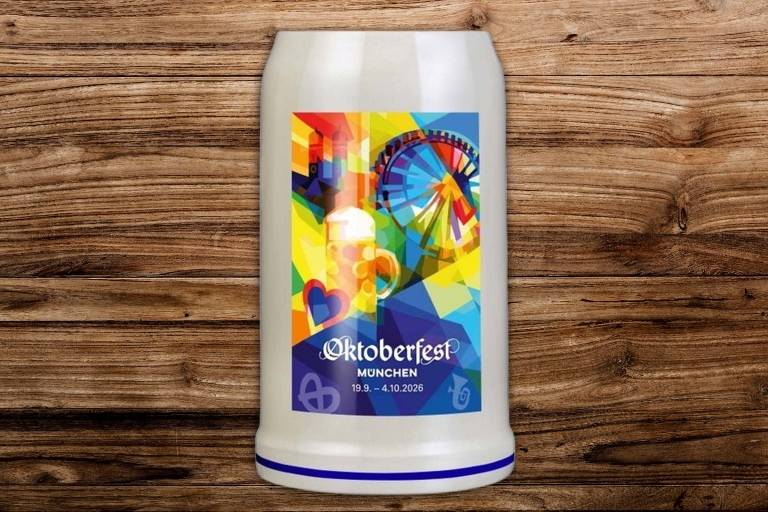
Oktoberfest – also known as the Munich Beer Festival – is, quite naturally, the highlight of the Munich beer calendar. But there are many other beer-related events in Munich that help shape the city's identity. The strong beer season, for example. Or when we, as an association, fulfil our duty to honour our fantastic trainees. For me, as managing director, this is always a moving moment.
“This is important to us; after all, without new apprentices to carry on the trade, there would eventually be no more beer.”
How exactly does that work?
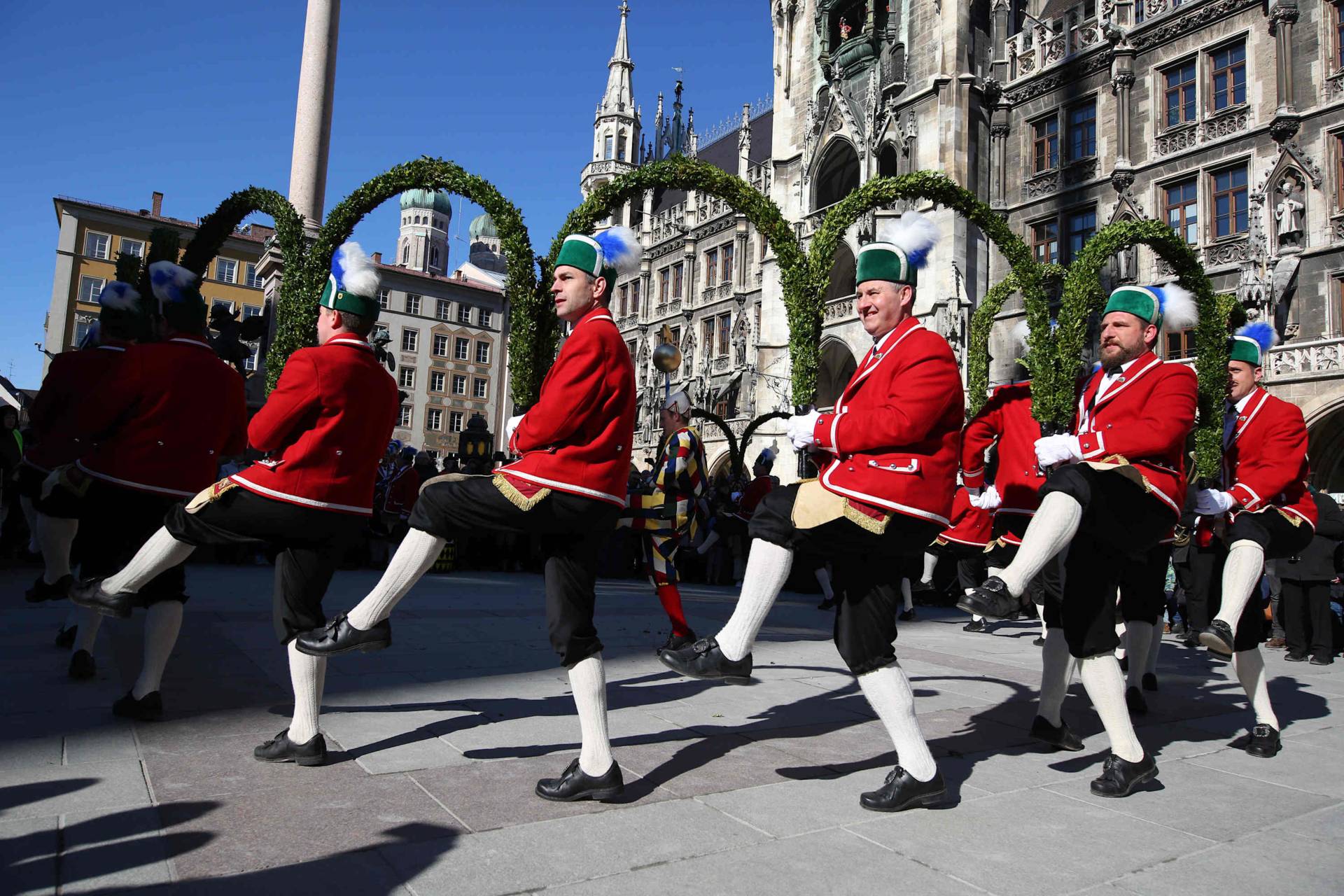
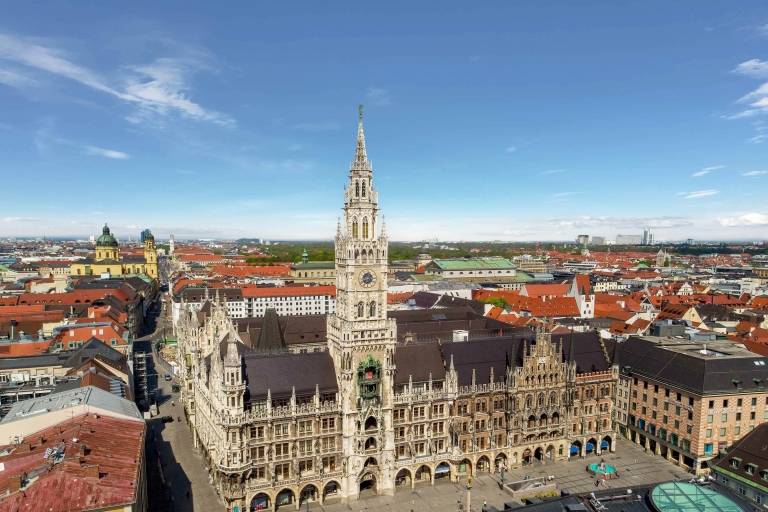
Every two years, as part of Munich Brewers' Day, we honour our young brewers as they complete their training. This is important to us; after all, without new apprentices to carry on the tradition, there would eventually be no more beer. We also want to express this recognition in full view of the public. That is why the event takes place on Marienplatz. People from near and far come together to experience Munich's beer culture, accompanied by traditional groups such as the Goaßlschnalzer and Gebirgsschützen. The magnificent brewery carriages are there. And as the highlight, the Mayor of Munich places a wooden rod on the shoulders of the trainees, thereby striking them free and sending them out into working life.
Many trades are desperately seeking new recruits. What is the situation in the brewing industry?
We too must keep at it and promote the appeal of the profession. Above all, we need to be where young people are – on social media, for example. Otherwise, someone might miss out on this wonderful career simply because they didn't know about it – even though they might be perfectly suited to becoming a brewer or a maltster. But this year, too, we have 32 graduates, a third of whom are women. So the profession remains attractive, and the breweries have a good selection of candidates to choose from for their apprenticeships.
Are breweries competing for the best graduates?
There is a Munich championship where the best brewers receive a further special honour. The winners also receive a cash prize offered by us. A little incentive to really give it their all. And the breweries naturally want to be right up there at the front. There's the odd bit of banter now and then if a brewery doesn't make it onto the podium for a year or two. But that's all part of it and spurs them on.
Is the free beer served on Brewers' Day always provided by different breweries each time?
All six breweries are taking part by providing the same allocation. In total, we will be serving 3,000 litres to visitors on the day.
To come back to the Oktoberfest: as managing director of the Munich Brewers' Association, do you spend every day at the Wiesn?
In fact, I'm there almost every 16 days. But that doesn't stress me out at all – quite the opposite. I can't imagine anything better than being so close to and so deeply involved with the product I represent. The Wiesn is the event that all breweries look forward to with great anticipation. The excitement really starts to build once the tents go up.
“Either way, it's a wonderful thing: getting together and having a natter – and perhaps enjoying a good beer or two whilst we're at it.”
When you presented the Oktoberfest beers, you introduced a few new activities: there's a quiz with questions about the Oktoberfest and Munich's beer culture, as well as a blind tasting. Were you able to match all the beers to their respective breweries?
I couldn't take part in the blind tasting myself, as I was hosting the event. But I made up for it later and did quite well, I'd say. It's quite amusing to watch some people realise they've got it completely wrong. Or others who are surprised because they've done so well.
What's your favourite fact about Munich's beer culture?
What many people don't know is that the Bavarian ‘Mass’ originally held 1.069 litres, rather than the standard metric litre used today. Funnily enough, this was also standardised in 1871 – the very same year our club was founded.
As the managing director of the Munich Brewers' Association, do you actually have a regulars' table?
In my private life, I have my regulars' table with friends; as a managing director, I try to visit as many pubs as possible. Either way, it's a wonderful thing: getting together and having a natter – and perhaps enjoying a good beer or two whilst we're at it. After all, what really sets a regulars' table or a visit to a pub apart is the social aspect. Whether it's a regulars' table or just a friendly get-together doesn't really matter. What's important is sitting together, talking, having a good time and enjoying ourselves.
“The important thing is to sit together, talk, have a good time and enjoy each other's company.”
What role do breweries play in shaping the city's identity?
The breweries have a major role to play here in Munich, and have done so for hundreds of years. Munich is renowned throughout the world for good beer and a vibrant beer culture – preserving that, together with the pub landlords, is our task. People expect a certain consistency from Munich beer. It is this consistency that gives it its distinctive character. At the same time, times are changing – and with them, lifestyles and consumer behaviour. For breweries, this means they cannot stand still, but must be innovative. And Munich's breweries are always at the forefront of this. For example, when it comes to non-alcoholic beers, which have been considered as a variety of Munich beer ever since the PGI was registered.
Non-alcoholic beer is currently all the rage. Is this a market with a bright future, or just a side dish to the main business?
It is a fully-fledged and wonderful addition to our product range. And we don't distinguish between consumers of non-alcoholic and alcoholic beer. There are many beer drinkers who are flexible in this regard and, for example, might start by having a pint of alcoholic beer before switching to non-alcoholic beer. Or they do it differently from day to day. Because they are more health-conscious but still want to enjoy traditional beer culture. That is why we embrace and represent non-alcoholic beer just as we do classic beer – and hold it to the same standards of authenticity and quality.
“New pubs are opening in many places, and pub owners are increasingly turning to beer served from wooden casks or tanks, where the beer is poured into the glass with its natural carbonation.”
Many Munich breweries own premises where pubs and taverns are run – and so they also act as hosts. Do you sense the tension between continuity and necessary change there too?
A good publandlord is the best ambassador for our beer. That is why we strive to support our publandlords as best we can. For example, in quality assurance – that is, in all the technical aspects of beer and glass maintenance. But a fresh, perfectly poured beer alone is not enough. People go out differently today than they used to, and publandlords need to adapt to this.
How is the hospitality industry responding to this?
These days, the focus is very much on the experience. That is why we are currently witnessing a revival of things that might seem a bit old-fashioned, but which make perfect sense in this context. And just because something was good in the past doesn't mean it has to be bad today. New pubs are opening in many places, and publandlords are increasingly focusing on beer from wooden casks or tanks, where the beer is served into the glass with its natural carbonation. These are all fantastic developments, and I am very grateful to our publandlords for them.
You have been managing director for five years. If we were to meet again in five years' time, how would you judge whether you have been successful in this role?
I must be judged on whether our Munich beer continues to be so clearly positioned – as distinctive, high-quality and authentic. Munich beer should maintain and further enhance its excellent reputation worldwide as something that makes Munich unique and well worth a visit. And the people of Munich should be proud of it and be able to identify with it. So that wherever they are in the world, when asked about their home, they can rightly say with pride that they come from the city where Munich beer originates. If people identify with our product in this way, I can count myself lucky.
“It never fails to bring a smile to my face. No matter how many times you experience that moment, it's always wonderful.”
Finally: What's your favourite way to enjoy Munich's beer culture?
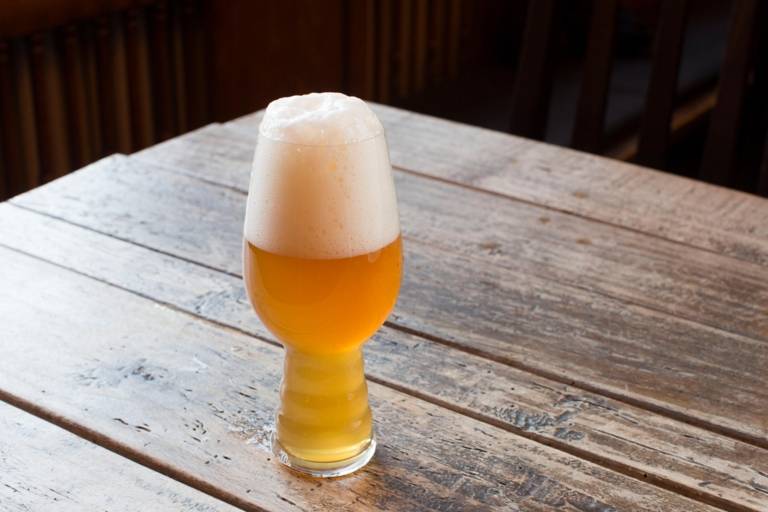
It's simple and straightforward: in good company and a lovely atmosphere, whether in a traditional Munich pub or a beer garden. Then focusing entirely on that first sip from a fresh half-litre or a litre glass, feeling it run cold down your throat. That always brings a smile to my face. No matter how often you experience that moment, it's always wonderful.
Curious? Discover the secrets of beer on a beer and brewery tour in the beer capital of the world. Click here to book.