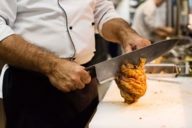
Heart and kidneys, cheeks and tail: while serving up the more unusual parts of an animal may currently be one of the hottest trends on the London and Paris restaurant scenes, the people of Munich have been doing it for centuries. Our author has tried it out.
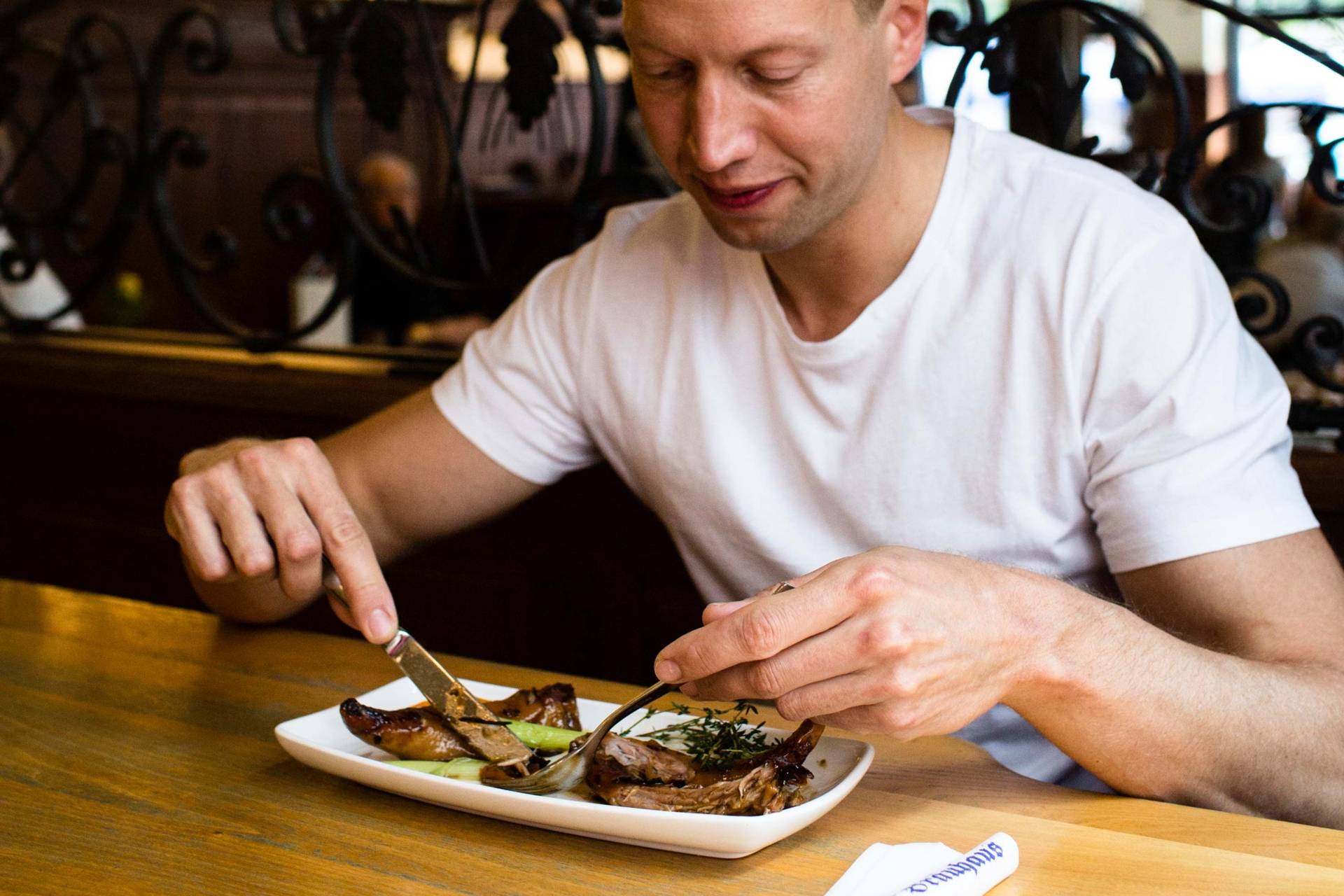
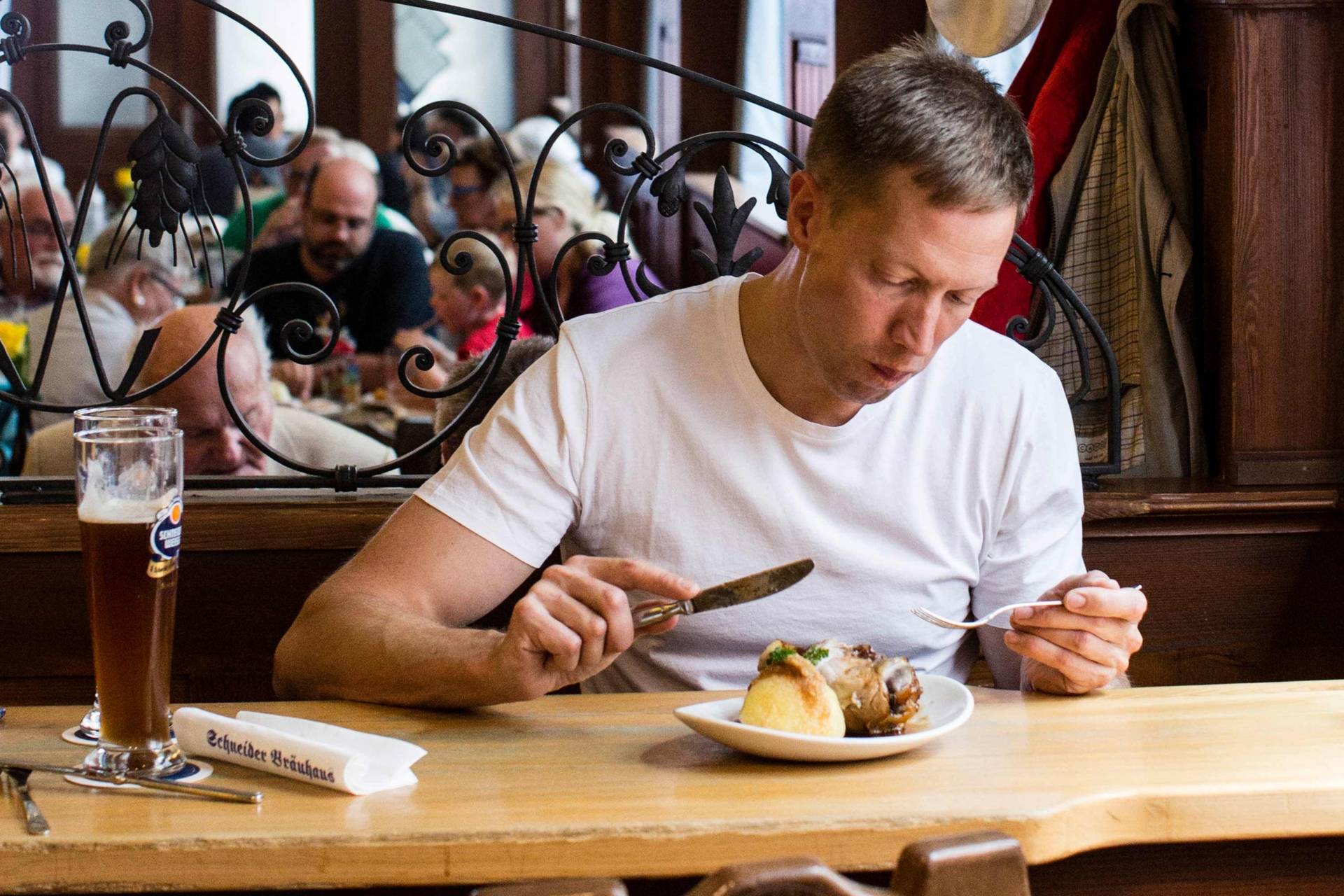
The thing that surprises me most is that pigs’ tails have bones in them. When the plate containing a pig’s tail cut up into four bitesize pieces is finally presented to me, I don’t hesitate to pop one straight in my mouth. As I bite down, I hear a crunch and then a crack. The Japanese tourists on the table next to me look appalled. I feel a pang in my jaw – and then in my whole head – and for a moment my mouth simply hangs open. And then it starts to spread over my tongue and palate: this incredible flavour, the fatty, rich taste of pork and the sweetness of the double beer used to glaze the tail.
For some time now, the nose-to-tail trend has been developing in the world's major cities, where unusual cuts of animal are prepared - and not just the fillet or neck.
II keep chewing and hope that the fragments I can feel in my mouth are from the pig bones and not my teeth! I had no idea how much fun it is just to suck and gnaw on a piece of bone. Obviously I still have a lot to learn about pigs. And I’m an eager student. The plan is for me to eat my way through an entire pig, from tail to nose. With this challenge, I hope to demonstrate just how traditional – and modern – Munich cuisine really is.
For some time now, the nose-to-tail trend has been developing in the world's major cities, where unusual cuts of animal are prepared - and not just the fillet or neck. One of the UK’s star chefs, Fergus Henderson, has raised the bar for British cooking on a global scale with his radical use of leftovers. In Paris, diners are literally eating the heart out of traditional bistro cuisine.
And in Berlin, full-bearded hipster chefs are scrawling words like “lamb’s liver” on the hand-made menus at their scenester restaurants, trying to make out they have reinvented the wheel.
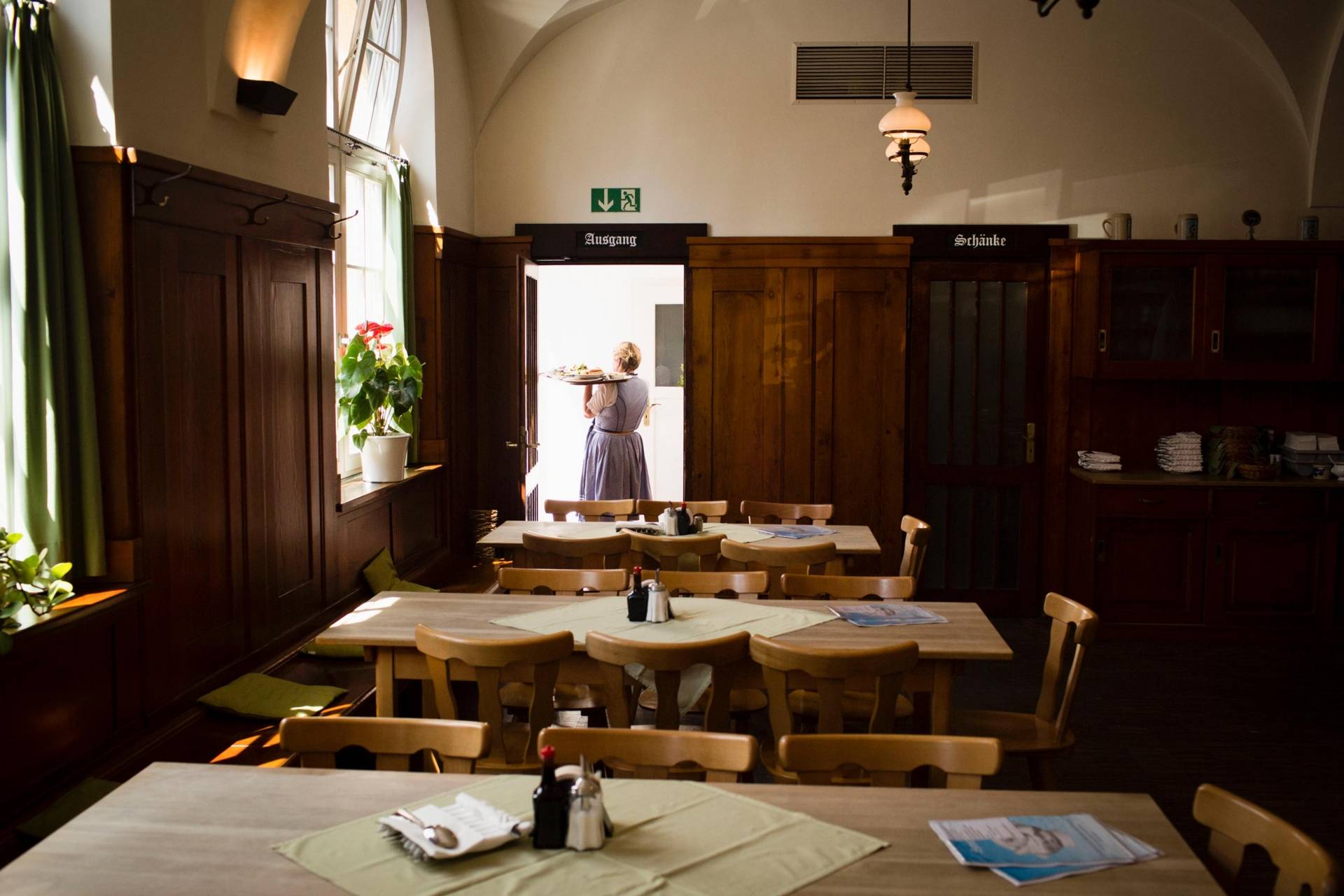
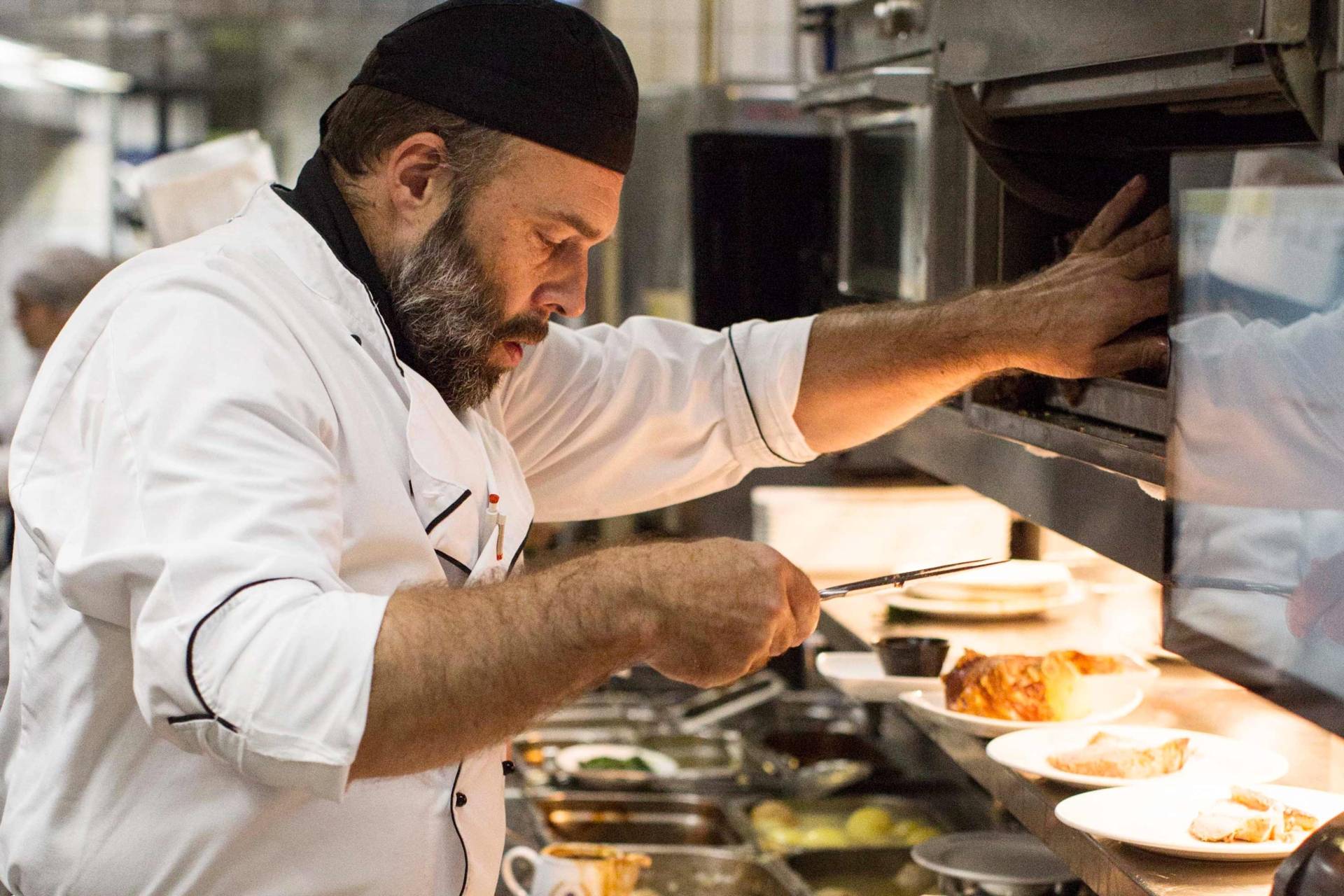
At Weisses Bräuhaus (the tavern where I am currently eating my pig’s tail) the menu is of course printed, laminated and well-thumbed; it’s hardly changed a bit over the decades. Schneider Bräuhaus is not cool; it’s cosy. It’s one of those typical taverns you find in Munich city centre, frequented by both locals and tourists alike. The head chef Josef Nagler has never even heard the term “hipster hotspot” when I talk to him about it.
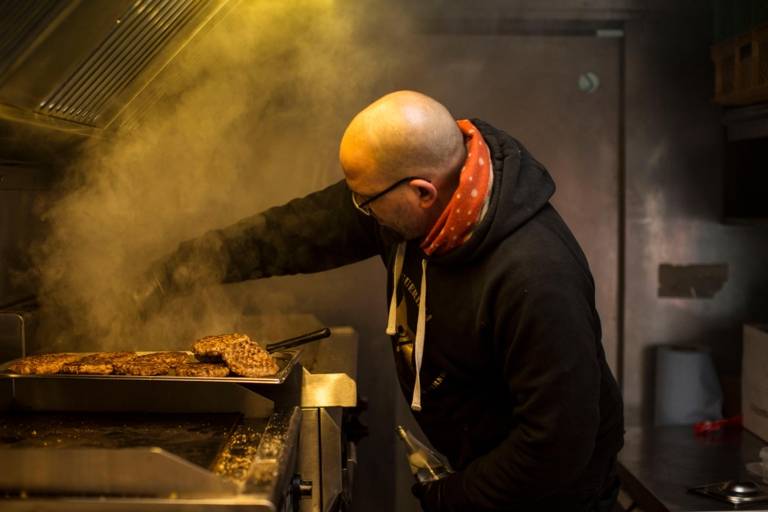
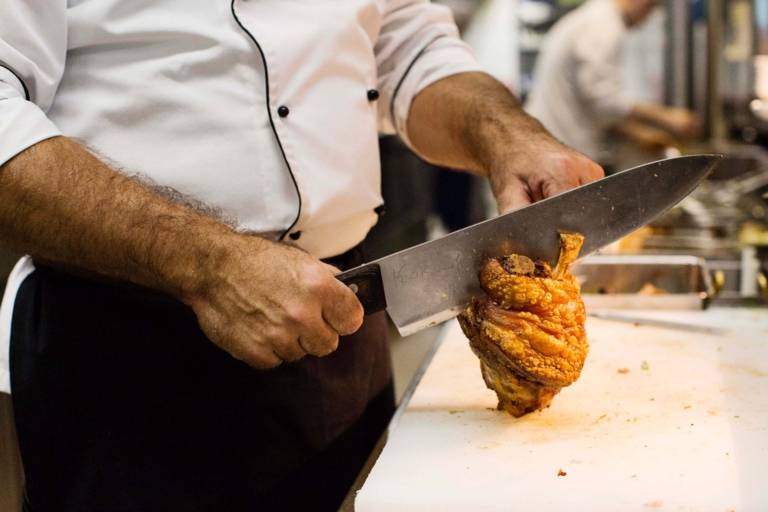
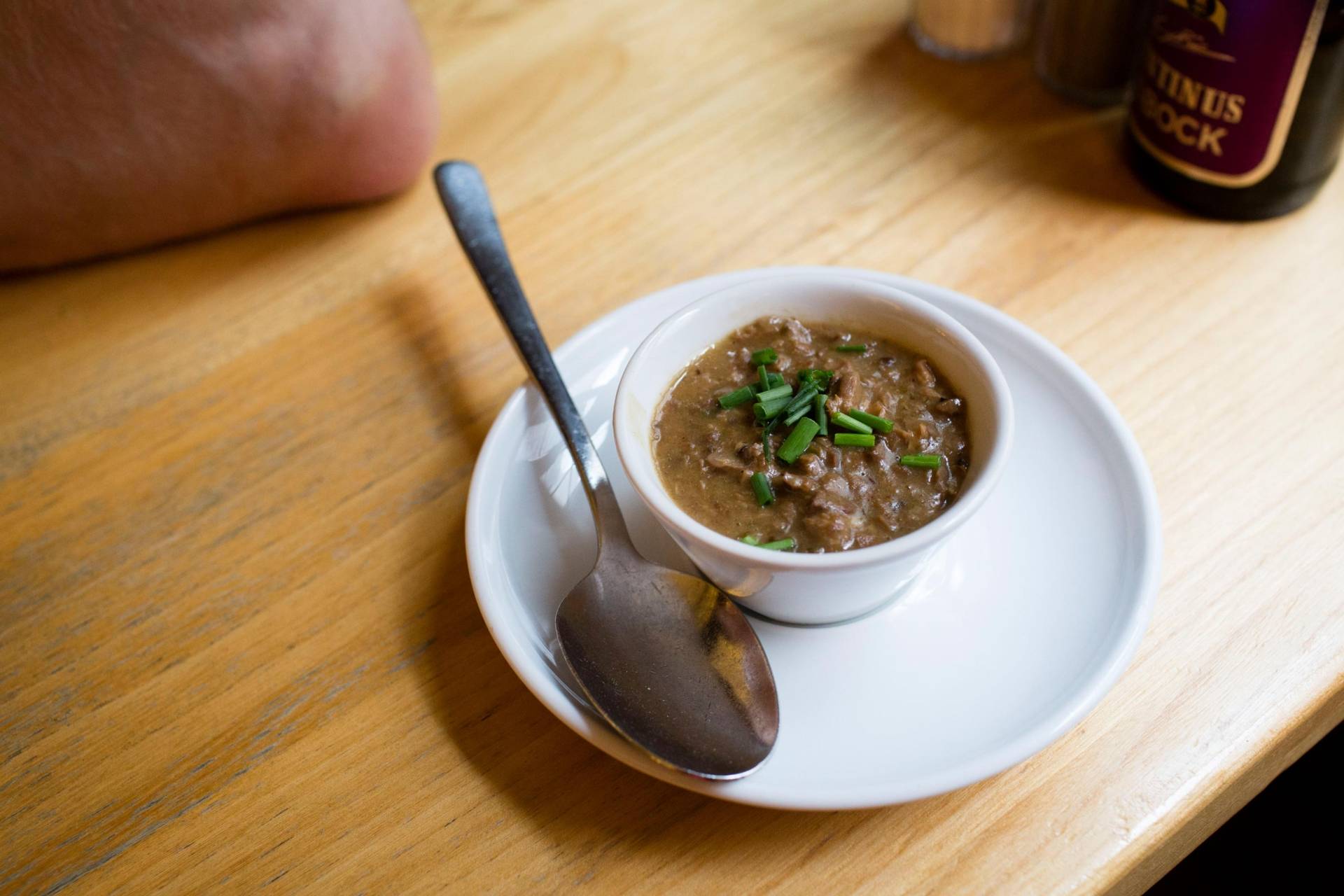
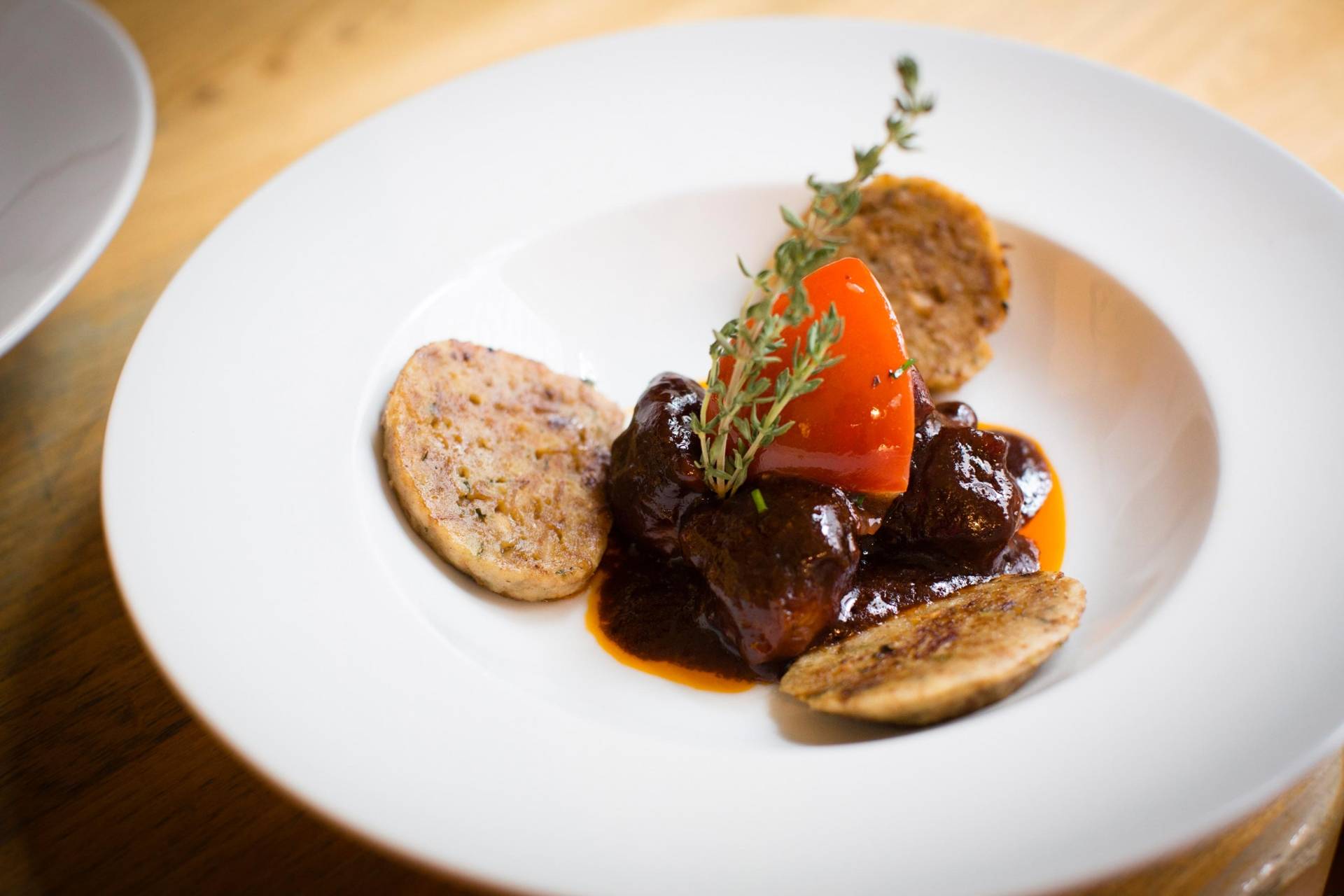
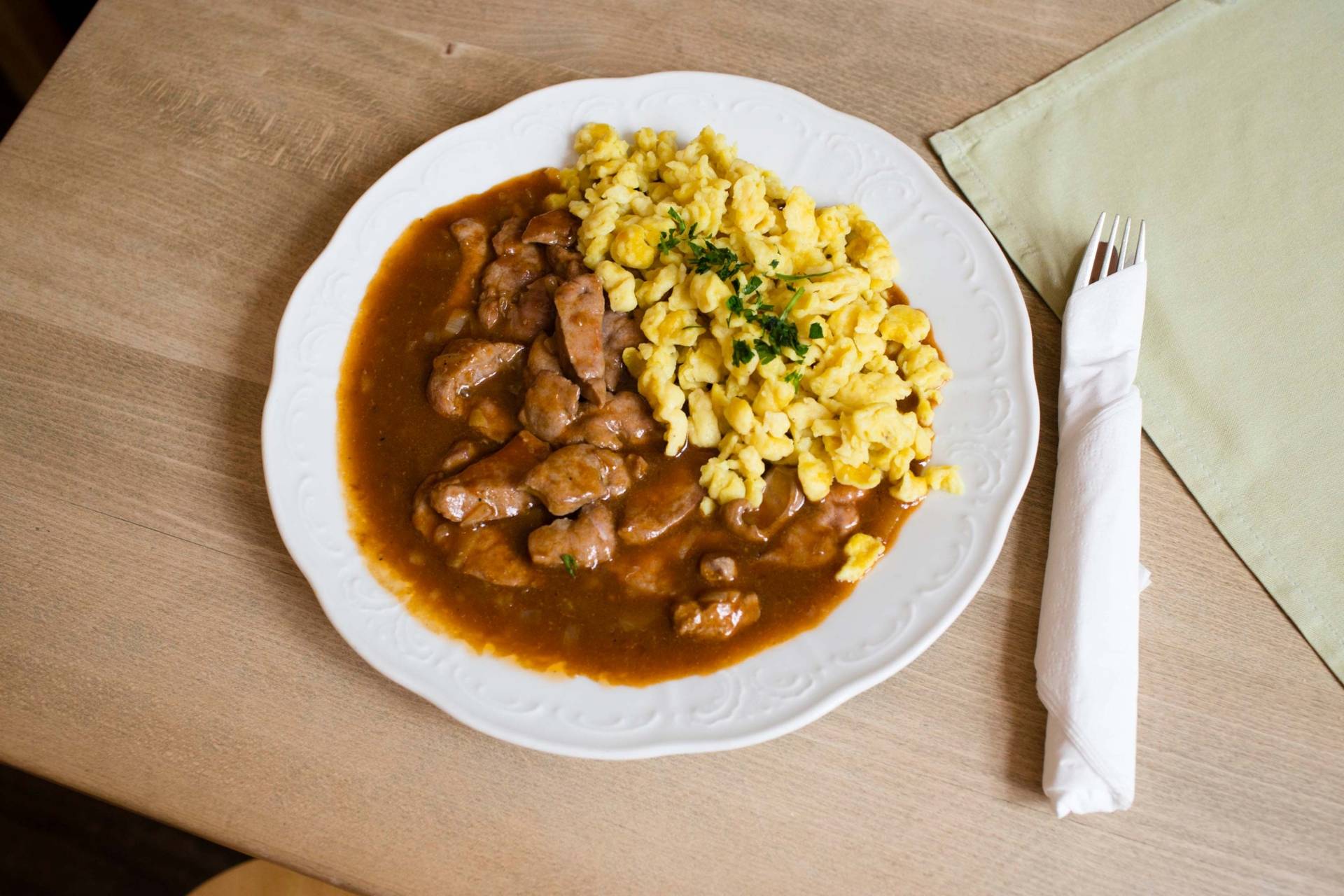
Nagler looks a bit like a Bavarian pirate (if Bavaria indeed had pirates) and he is huge. When we shake hands, my fingers almost don’t reach around his big right paw. Nagler says “In Munich, we’ve always used every part of a cow, calf or pig. And it’s still that way today.” A dish known as “Münchner Voressen” – a ragout made from offal — can still be found on the menu at many establishments, of course, including Weisses Bräuhaus.
“The conclusion I draw from this is that we have to treat animals with respect. And this also includes eating every part of the animal.”
Each year, around 750 million animals are slaughtered in Germany, including almost 60 million pigs. However, only around two thirds of a pig are normally eaten. The rest is either thrown away or reprocessed (the rind can be used to make gelatine, for instance). “Nowadays, more and more people are thinking about the ethical issues involved in eating meat,” says Josef Nagler. “The conclusion I draw from this is that we have to treat animals with respect. And this also includes eating every part of the animal.”
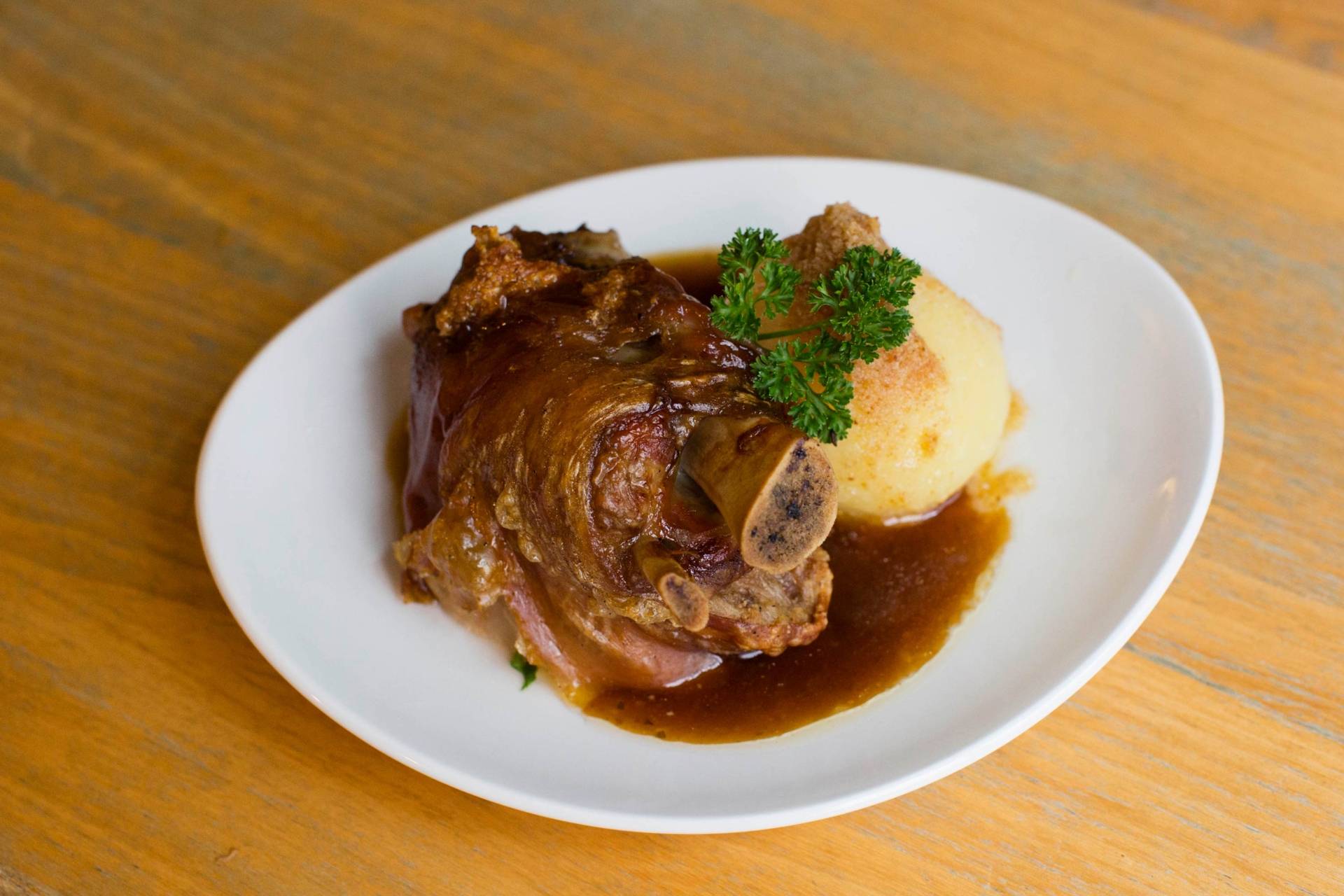
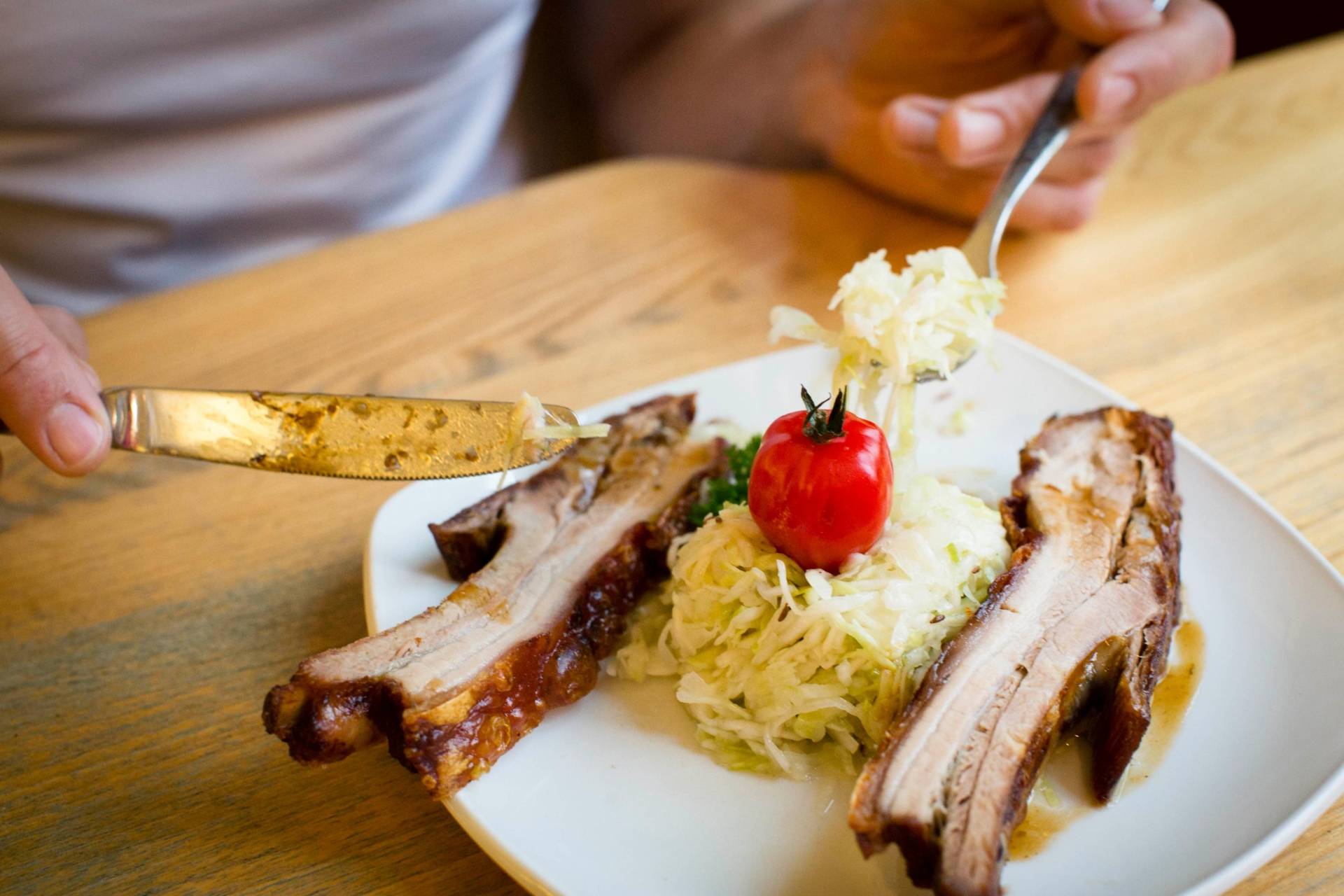
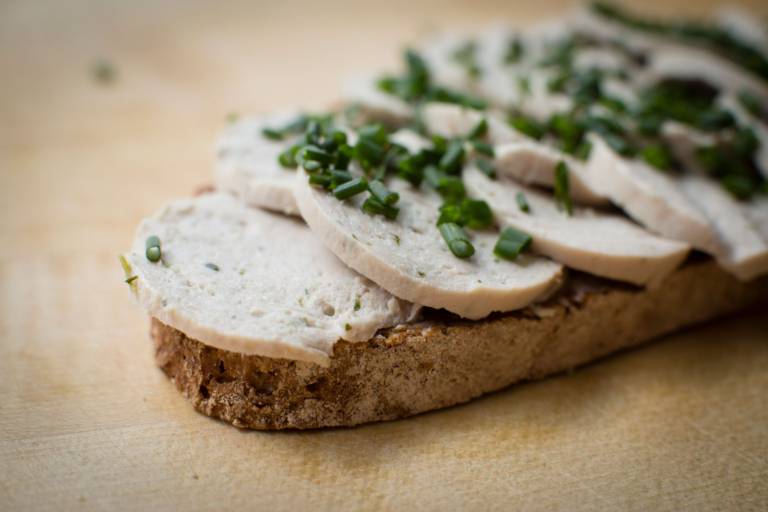
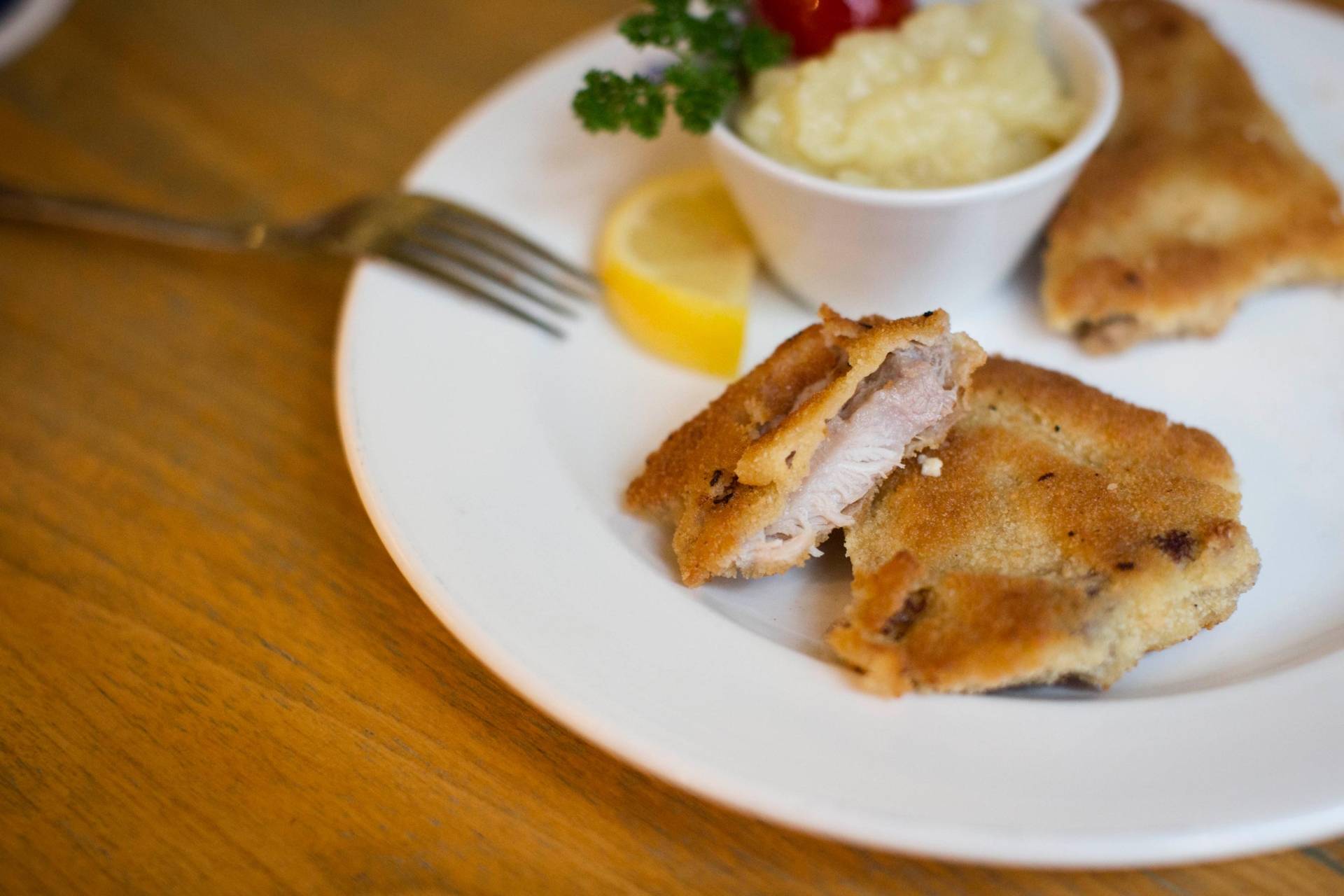
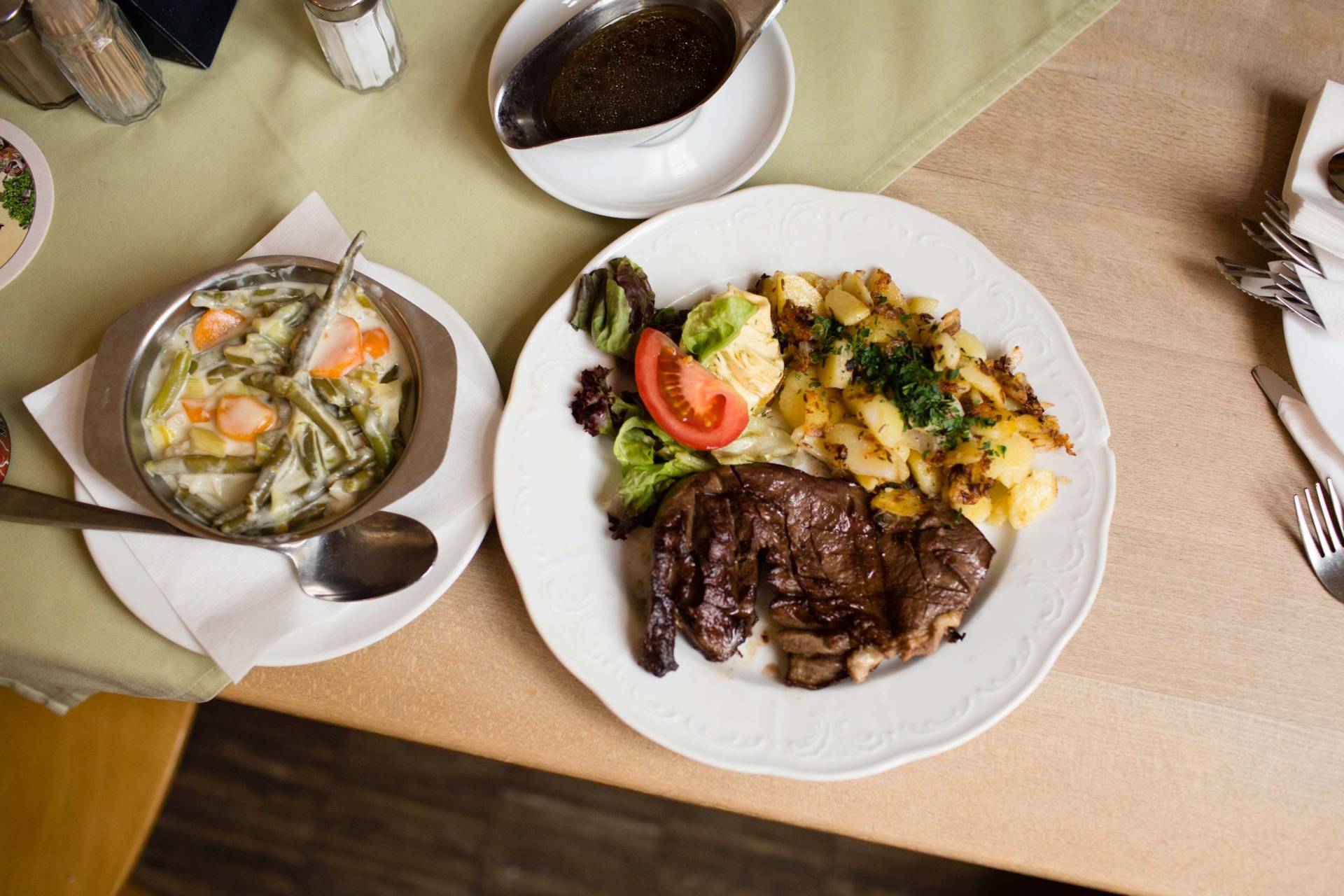
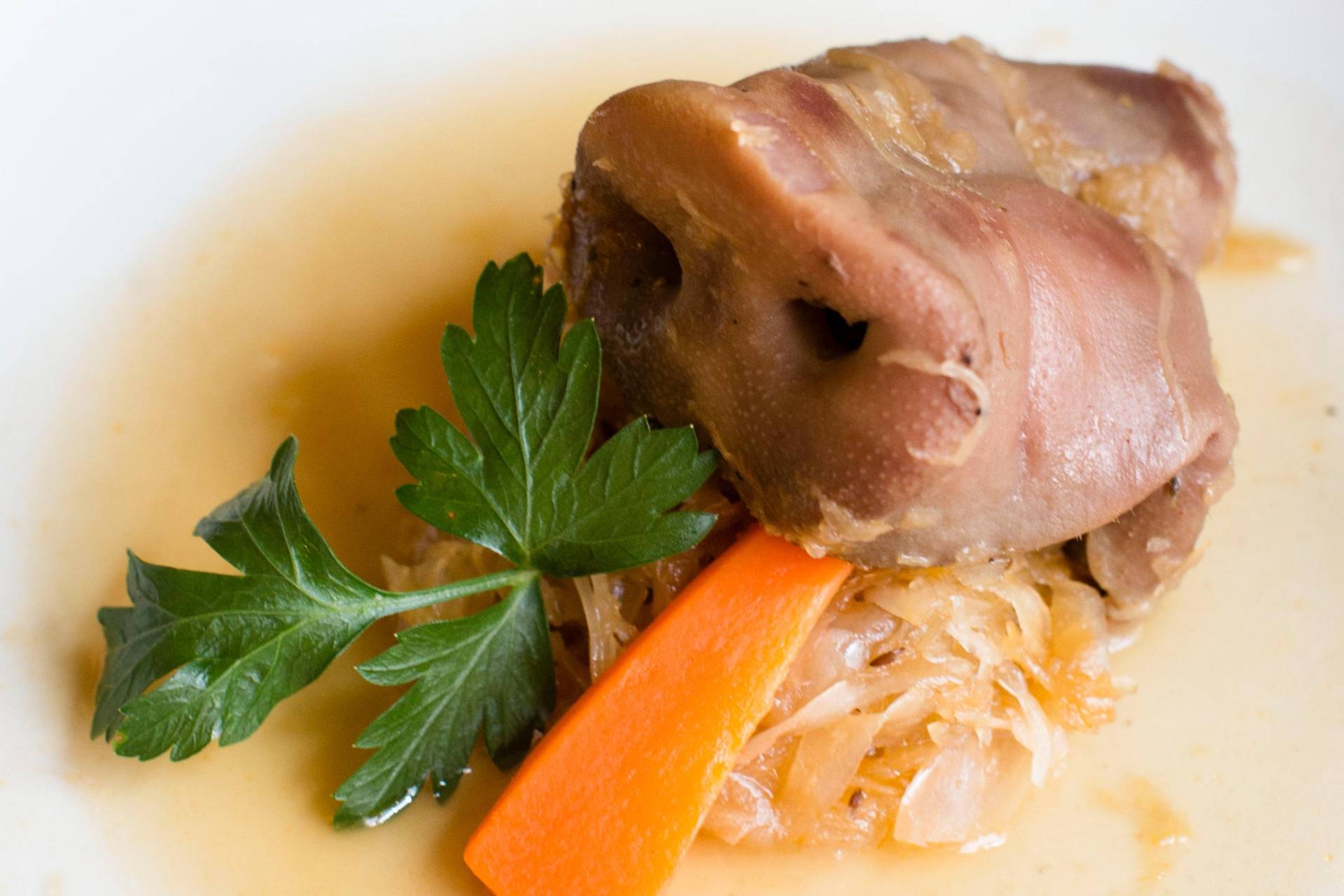
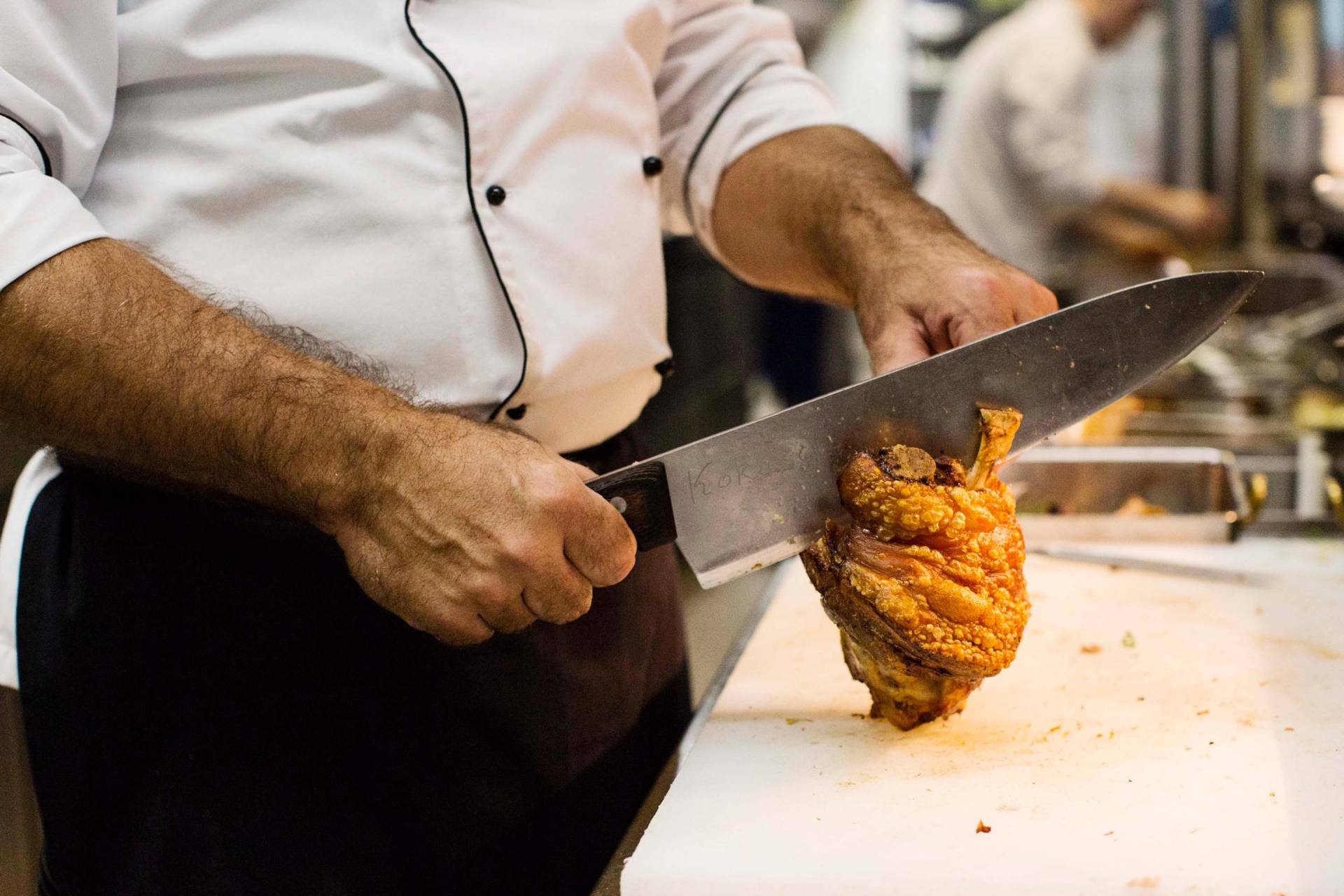
Nagler once even made a piglet brain praline. For lunch today, he is serving me almost every part of a pig you could possibly think of (breast, trotter, liver) and, seeing as he's already at it, a few extra bits from a cow and calf as well. Weisses Bräuhaus is famous for its offal-inspired cuisine.
I leave there at around 2 p.m. I can’t really say I’m hungry any more. Instead, I’m actually looking forward to the long walk I’ve got ahead of me. Gaststätte Großmarkthalle is a restaurant around three kilometres south of Marienplatz square. It is located in an area just to the back of the Schlachthof abattoir, which was built in the 1870s and still used to this day. Ludwig Wallner, the landlord at Gaststätte Großmarkthalle, and his sister took over the establishment from their father almost 20 years ago.
He carries his belly as if it is his pride and joy. Wallner says: “I trained to be a butcher, just like a lot of other landlords. So, naturally, I’m also interested in the more unusual pieces of meat.”
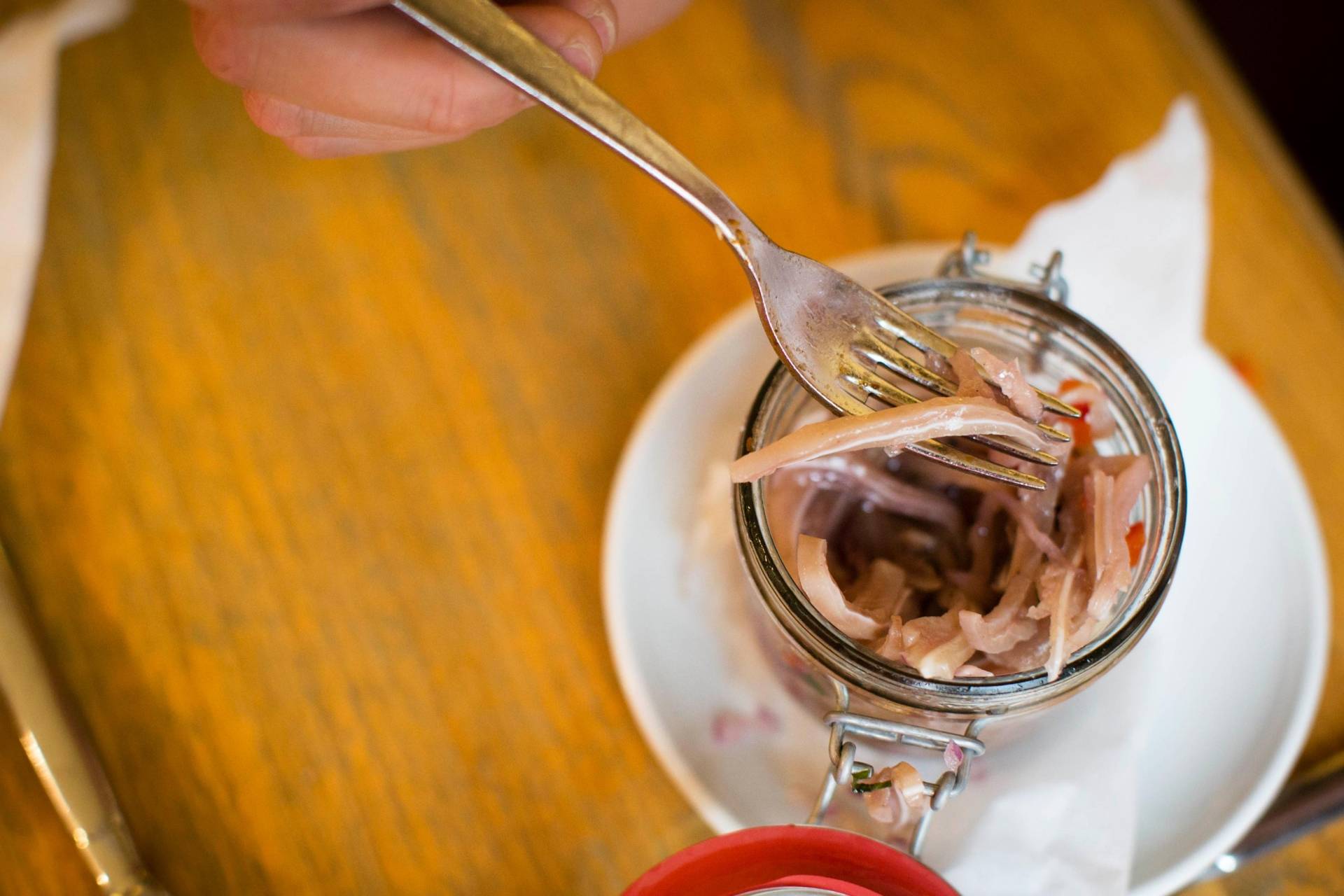
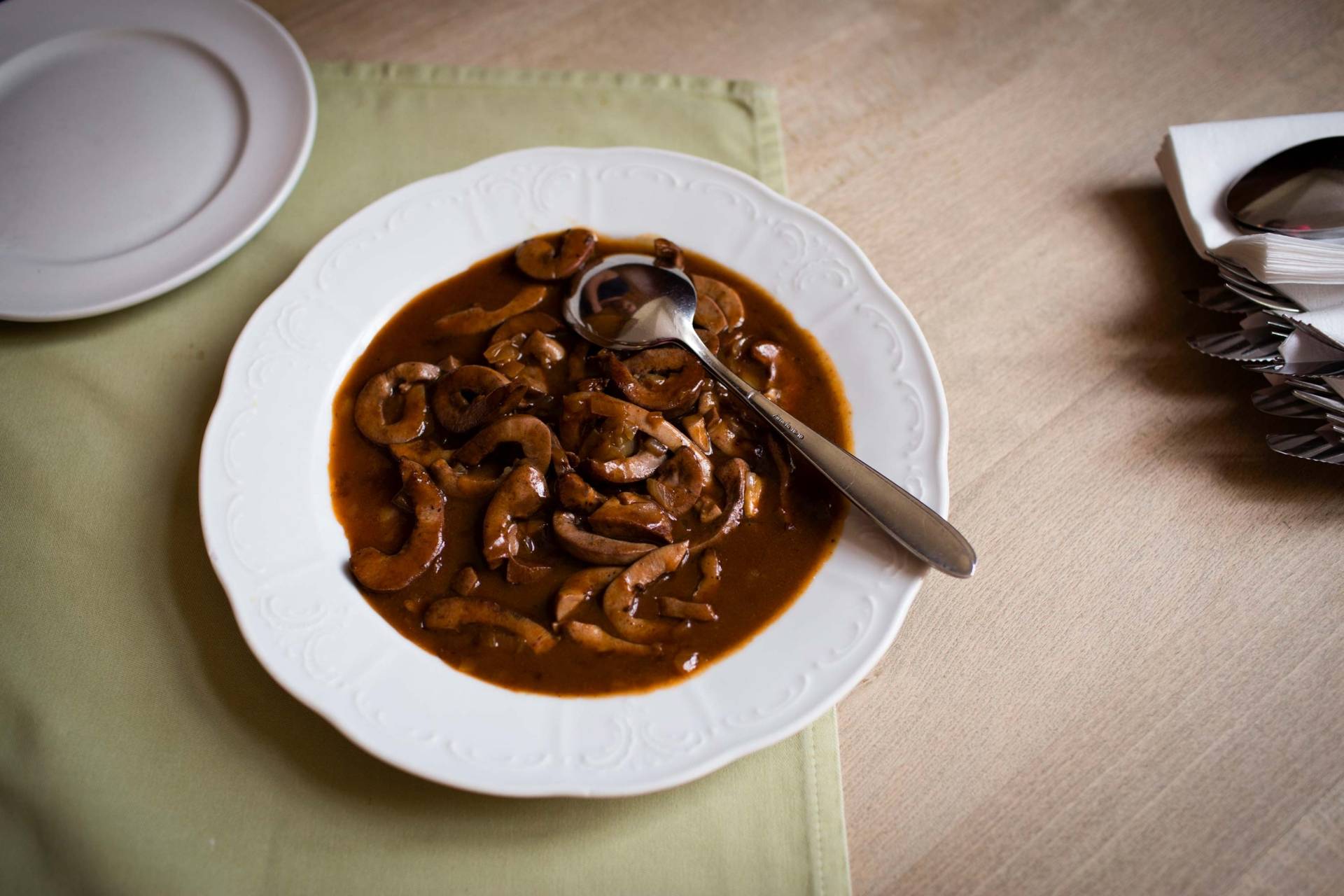
On Tuesdays, the menu traditionally features offal dishes. And why Tuesday and not any other day? Wallner is not really sure. However, traditions don’t always have to have a reason. Wallner presents me with a dish of pickled kidneys. Instead of leaving me to it, he stays, looking me straight in the eye as I take my first bite.
A slightly metallic taste. A sour sort of freshness. An oozing sweetness. It’s kind of like someone is playing a piano in my head and they hit upon the perfect chord: three tones that get increasingly louder the more I chew before slowly fading away again. Although I was originally planning to take just three or four bites, I end up polishing off the entire plate (wiping up the leftover sauce with a bit of bread).
“All of my regulars expect to see old Munich dishes on the menu. And that includes offal, too,” says Wallner. Even in the 1980s, the average German ate a good kilo of offal every year. Nowadays, it’s more like 100 grams. “I hope things will change again. Perhaps younger people are little braver and more curious when it comes to trying new things,” says Wallner. I find it interesting that he picks out these two characteristics in particular.
After all, we humans don’t only want to eat well; we also want to try new things every once in a while. In the 1950s and 60s, the Germans were dreaming of more than just the beaches of Italy; they were yearning for the food of Italy, too. These days, in cities like Munich you can try dishes from almost every country of the world, from Nigerian to Mongolian (or even Dutch). Perhaps it’s time we rediscovered something that was once so familiar to us but that many people have now all but forgotten. So, why not try a pig’s tail? Or pig’s kidneys, and precisely for the reason that the idea makes your skin crawl slightly?