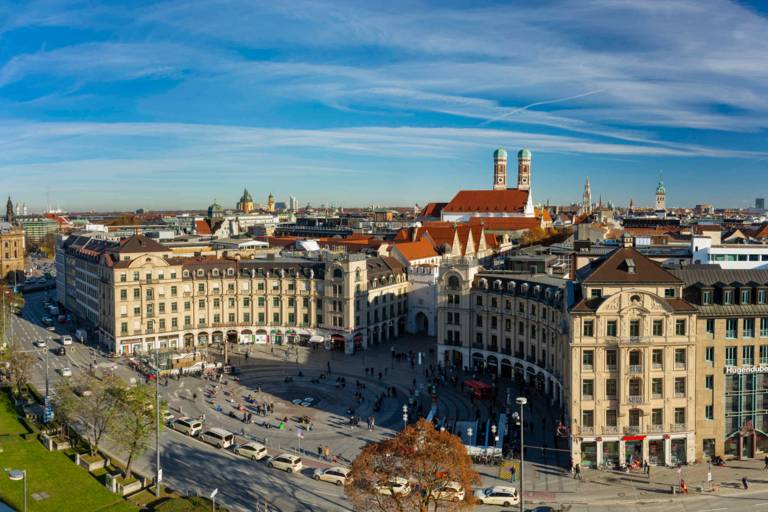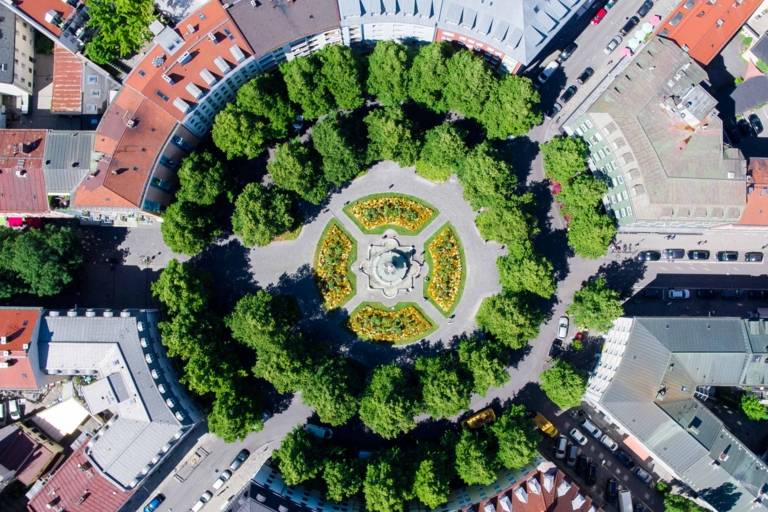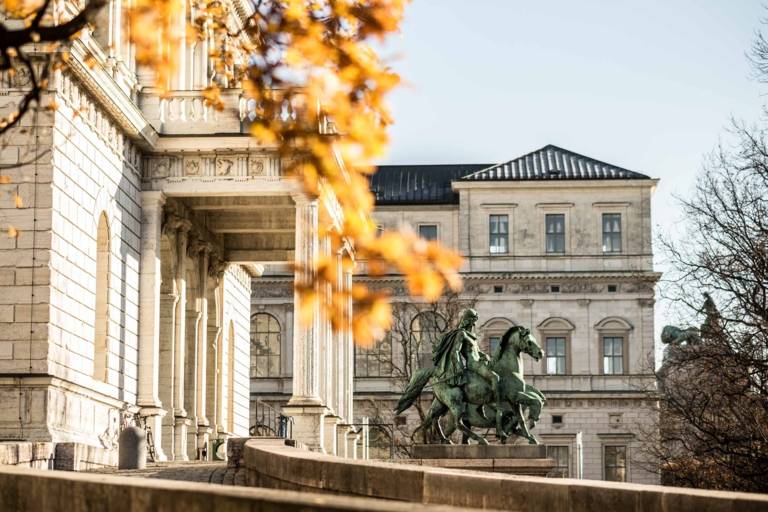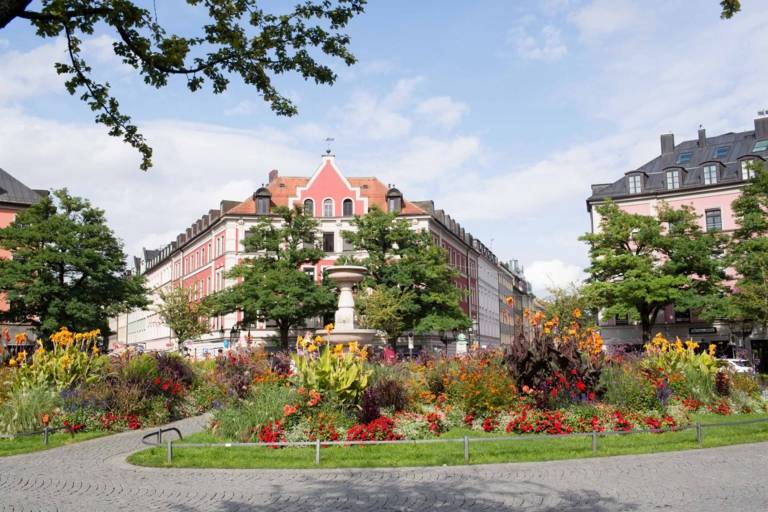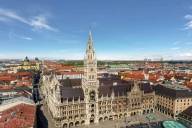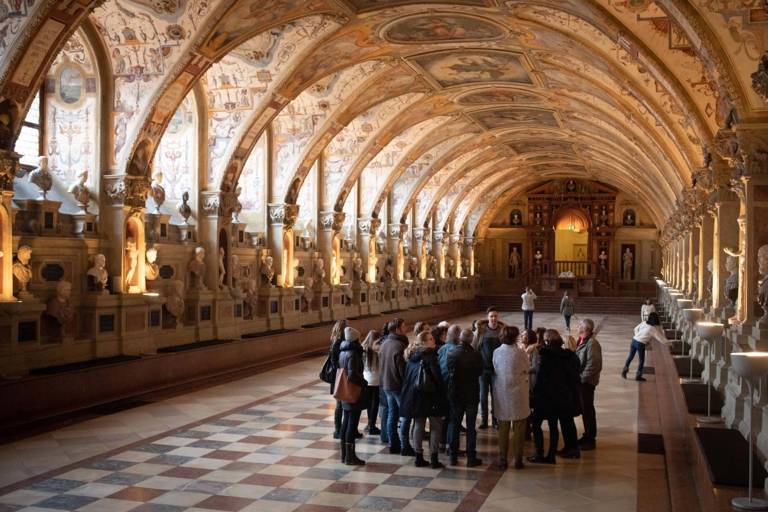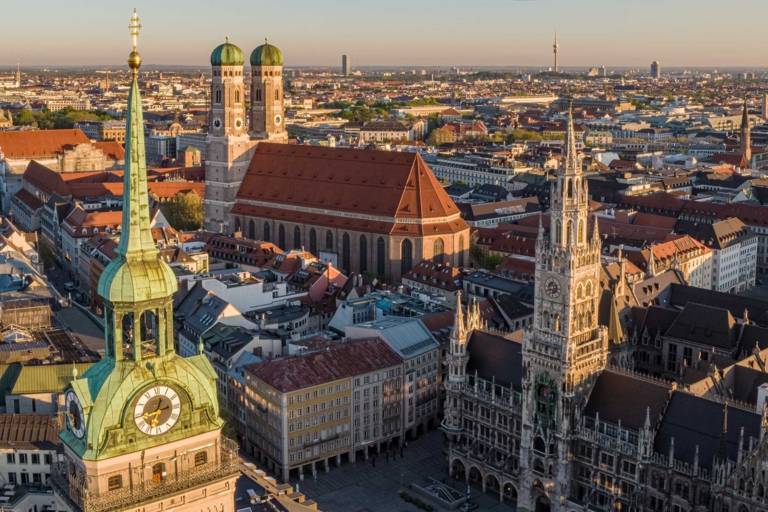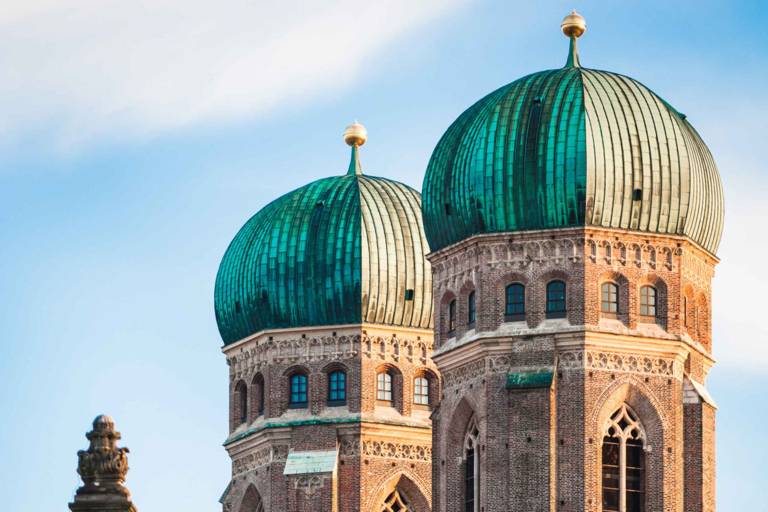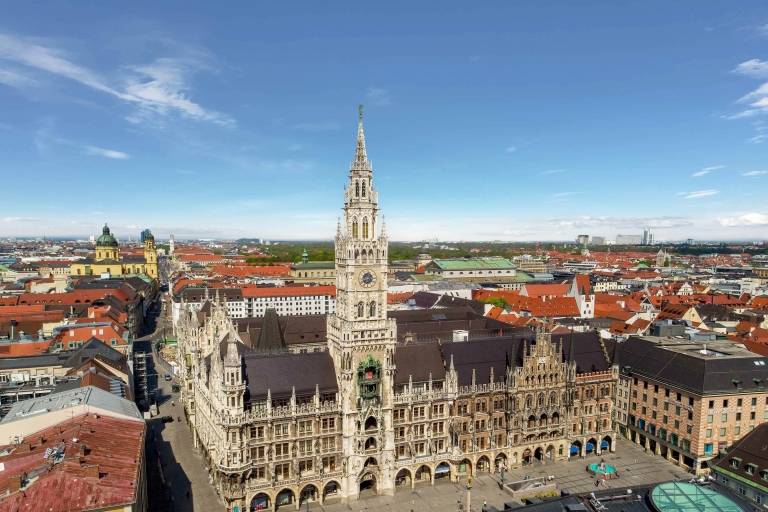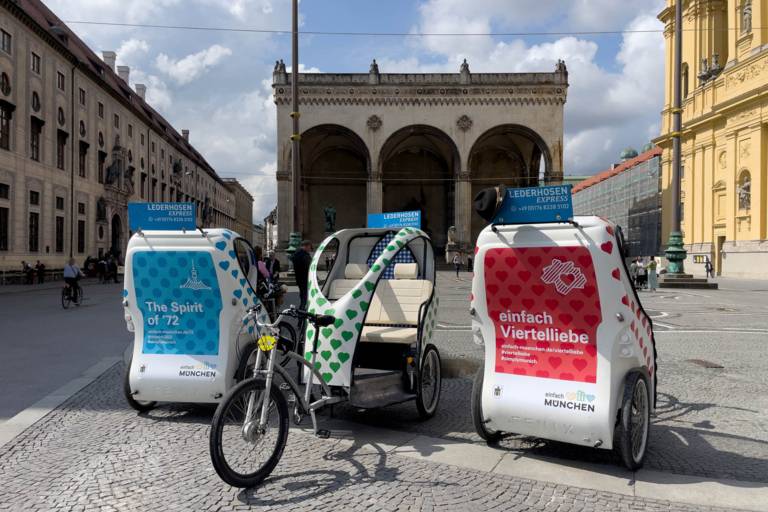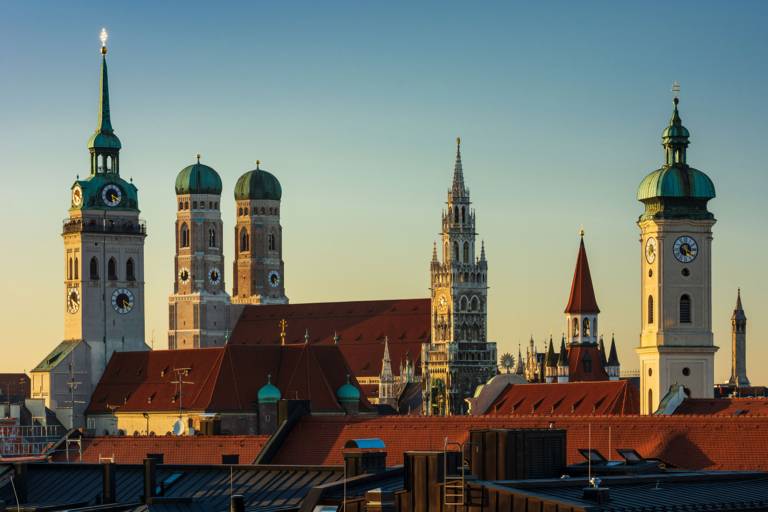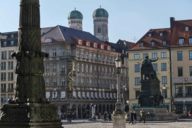
View of Max-Joseph-Platz in Munich with the Towers of the Frauenkirche in the background.

Max-Joseph-Platz

Square with unique scenery

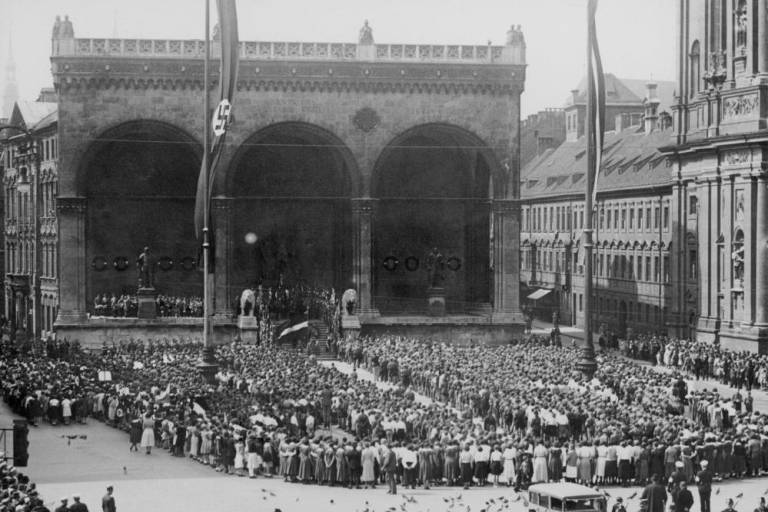
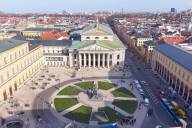
A setting like nowhere else in the world: the opera house, the Residenz palace and theatre, the magnificent palace that used to house the city’s main post office and a row of traditional middle-class houses frame the square at Max-Joseph-Platz.

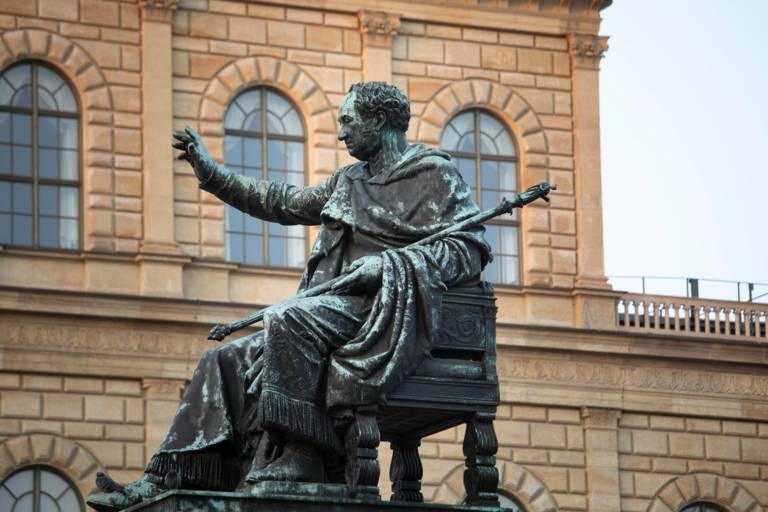
From the centre of the square, King Max I Joseph, the first king of Bavaria, looks out from his memorial – note that he is sitting down, an unusual position for a royal statue built in this period. Back then, rulers preferred their subjects to see them on horseback or at least standing up, which is why Max I. Joseph rejected the first draft of the statue by court architect Leo von Klenze in 1824, which showed the king sitting on a throne.

However, Klenze’s second sketch of a standing figure was never cast in ore as the first king of Bavaria died in October 1825. His son, Ludwig I, then commissioned the original – seated – draft to be built. In Munich, rumour has it that this move was Ludwig’s way of posthumously getting one up on his father, whose policies were often a sticking point between the two.
However, you can also put a more generous spin on the story: the memorial was originally commissioned by the city of Munich itself in order to honour the king for passing the first constitution of Bavaria in 1818. Depicting the king as a commander on horseback therefore would not have been suitable.

As a result, he now holds the sceptre of Bavaria in his left hand, reflecting his role as Pater patriae, while his right hand reaches out to bless Munich and the state of Bavaria.



Photos: Luis Gervasi, Redline Enterprises
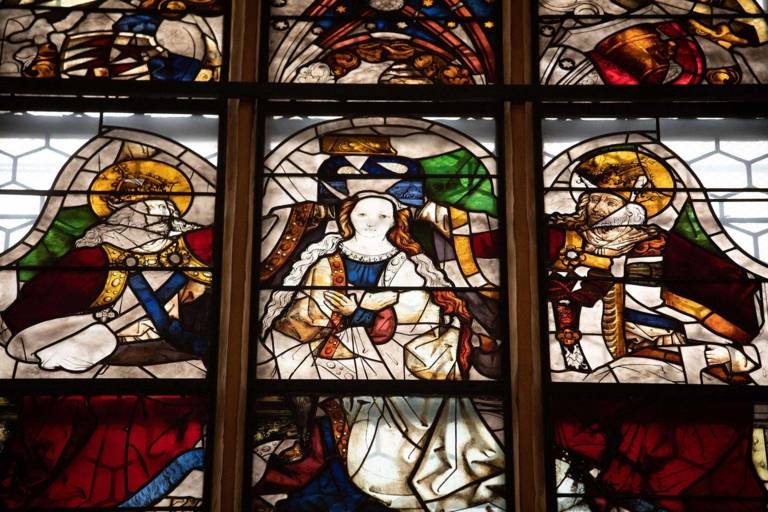
A church window in the Salvatorkirche in Munich

Munich's church windows

The most beautiful windows of the city

Michael Mayer of Mayer’sche Hofkunstanstalt presents the most spectacular church windows.
Fascinating people for centuries: Michael Mayer of Mayer’sche Hofkunstanstalt presents the most spectacular church windows the city has to offer.

The monument to Max I. Joseph in front of the Residenz

Munich's royal monuments

Four kings and a prince regent

In Munich there are fantastic monuments to admire. Where they are and what makes them so special.

In Munich there are several fantastic monuments to admire. Where they are and what makes them so special: an overview.

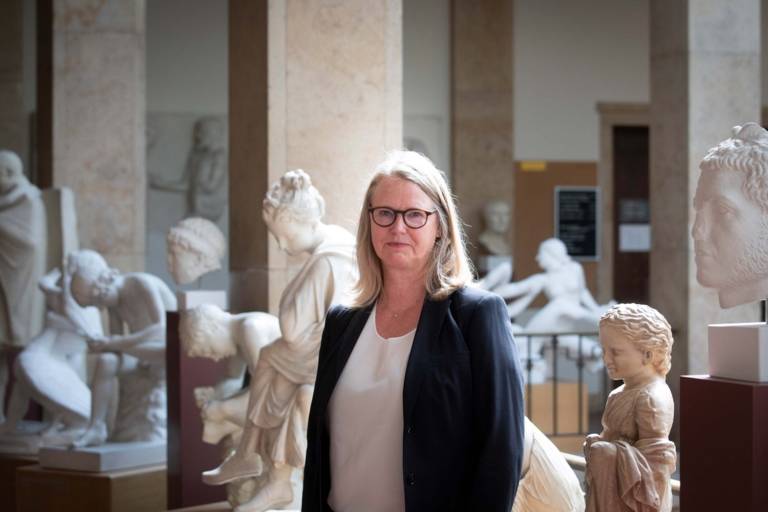
The tour guide Alvestad-Aschenbrenner stands in the Museum for Abgüsse Klassischer Bildwerke Munich

Ludwig I of Bavaria

When Munich became an „Athens on the Isar“

Ludwig I of Bavaria converted Munich into his "„Athens on the Isar“, many buildings still remind us of this today. An interview.

Ludwig I of Bavaria converted Munich into his "„Athens on the Isar“, many buildings still remind us of this today. An interview with a tour guide.

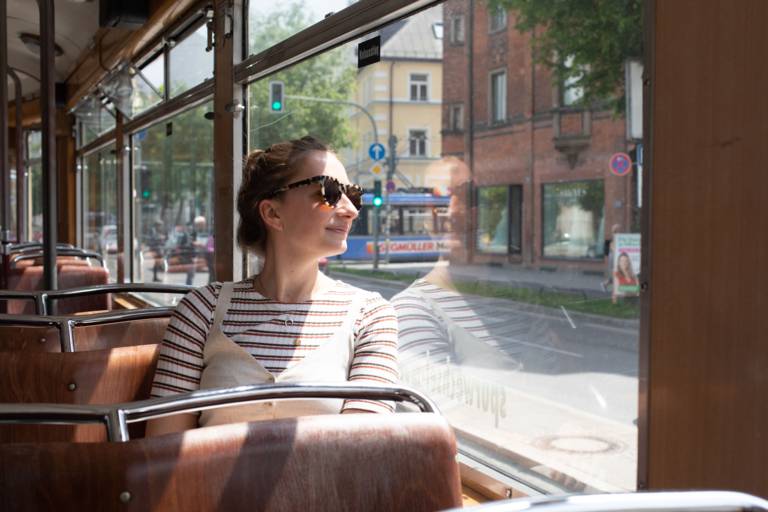
Young woman sitting at a window in a tram in Munich.

Column

A vacation in my own city

Our author used to be a travel blogger. Now she has started to explore her own city: Munich!

Our author used to be a travel blogger. Now she has started to explore her own city: Munich!

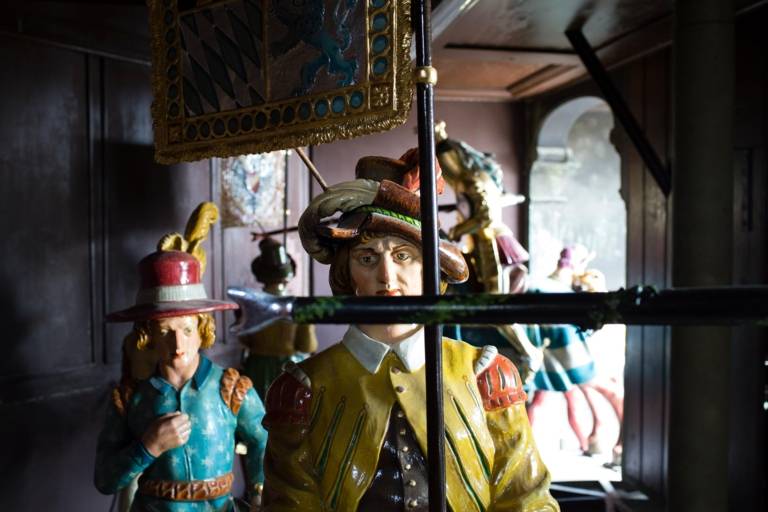
View from the inside of a figure of the carillon in the New Town Hall in Munich.

New Town Hall

The Glockenspiel in ten pictures

An exclusive look behind the scenes.

The Glockenspiel on Marienplatz has been enchanting visitors and locals for over 100 years. An exclusive look behind the scenes.

Panoramic view of Karlsplatz / Stachus in Munich with the Frauenkirche in the background photographed from the air.

Munich's city centre

Classical and curiosities

Numerous Munich stories can be told along the roughly one-kilometer-long route between Karlsplatz-Stachus and Marienplatz square. A city walk.

Numerous interesting Munich stories can be told along the roughly one-kilometer-long route between Karlsplatz-Stachus and Marienplatz square. A city walk.

Weissenburger Platz in Munich photographed from above with a drone.

Haidhausen and Au

A village in the city

Haidhausen and Au have developed from working-class quarters into popular residential areas.

When strolling along the narrow streets of the districts Haidhausen and Au with small shops and green courtyards, it almost feels like being in a village in the middle of the city.

The Academy of Fine Arts in Munich in autumn.

Schwabing

From artists and writers

Around 1900, it was the artists and writers who settled around the university and the art academy and shaped the spirit of Schwabing.

In the heyday of the Schwabinger Bohème around 1900, it was the artists and writers who settled around the university and the art academy and shaped the spirit of Schwabing.

View of flowerbeds at Gärtnerplatz in Munich.

Gärtnerplatz and Glockenbach

Where the night begins

Independent labels, hip bars, pubs and cool inns attract the young and the young-at-heart.

The Gärtnerplatz and Glockenbach neighbourhoods are known as trendy quarters. Their independent labels, hip bars, pubs, cool inns and calm backyards attract the young and the young-at-heart.