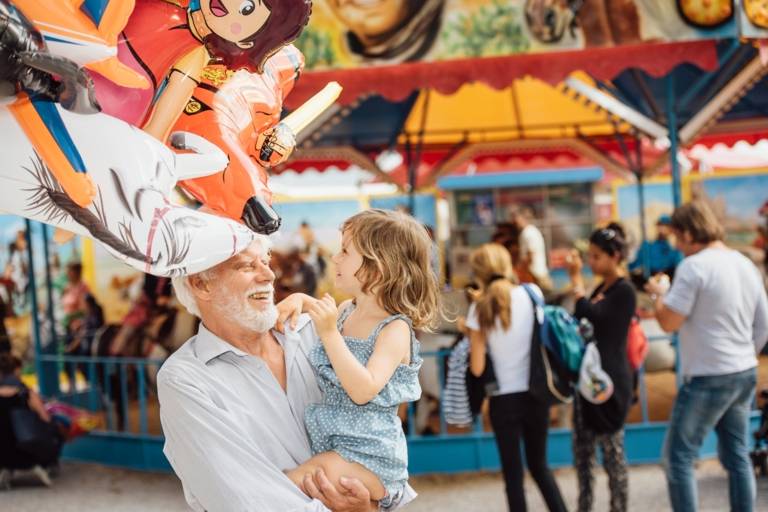
A grandfather is carrying his granddaughter in his arms at the Auer Dult in Munich.

Auer Dult

Simply cult

Three times a year for nine days of shopping, searching, watching and amusing. Maidult, Jakobidult and Kirchweihdult are cult in Munich. All information and dates also for Dult tours can be found here.

Auer Dult at a glance:

- Dates
- History of the Auer Dult
- What is there to discover?
- Food & drink
- Guided tours of the Auer Dult
- The address
- Frequently asked questions


When is the next Auer Dult?

Here you will find an overview of the dates in spring, summer and autumn.


Dates in 2026

Maidult: April 25 to 3 May 3, 2026

Jakobidult: July 25 to August 2, 2026

Kirchweihdult: October 17 to 25, 2026


History of Auer Dult

This traditional Munich market has a long history. In 1796, Elector Karl Theodor gave the suburb of Au the right to hold a fair twice a year. Since then there have been the Auer Dulten. The oldest of the three Dulten, the Jakobidult, was mentioned in 1310 in the town's charter book and came to Mariahilfplatz in 1905.

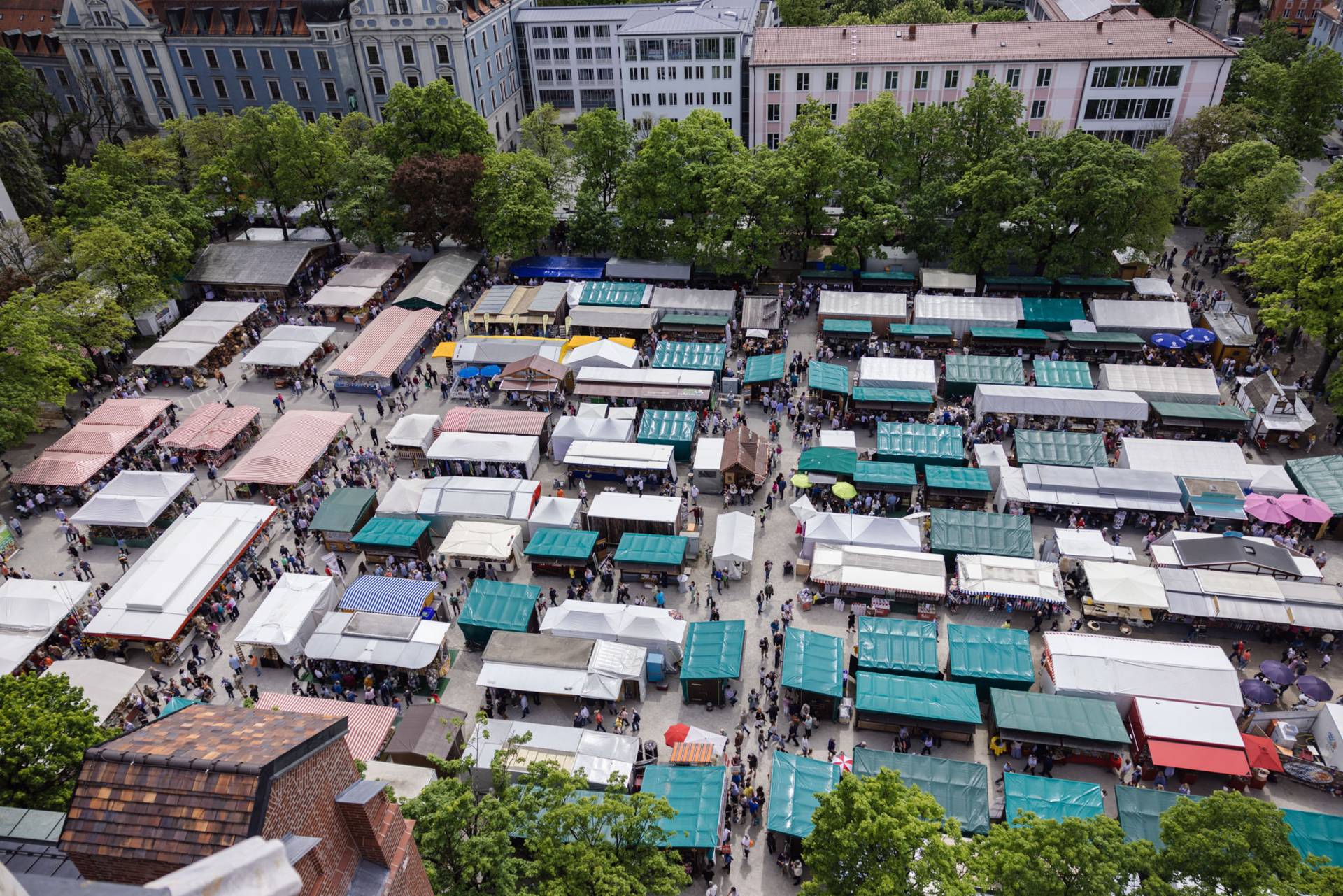
Originally the name meant “tult“ or “Dult“ church festival. In the course of time the word changed its meaning and stood for “fairground“. Today, 250 market merchants and showmen offer their goods and folk festival attractions on 22,000 square metres of floor space.

simply Auer Dult

Introducing a true local: discover this traditional Munich market with a City of Munich tour guide. Read more

Rides, ceramics and braces

The Auer Dult is just as popular with Munich residents as it is with visitors. Children and young visitors especially enjoy the fairground section with lots of rides: bumper cars, carousel or swingboat – something for every taste.

In the meantime, parents can browse through antiques, tableware, and all sorts of knickknacks as if in an “open-air department store”. Especially the rich selection of porcelain will make your heart beat faster: You are spoilt for choice in one of Europe's largest tableware markets with porcelain from the major manufacturers.

Roasted sausages and roasted almonds

If you are looking for more entertainment, visit the Neuheitengasse. Here, the latest kitchen wonders, which you have certainly always missed in your household, are advertised: from polish to cleaning agents to all kinds of cutting devices.

After the shopping tour, it's time for a little break. Just follow the smell of roasted sausages and chicken into the beer garden. It's great to sit under the shady chestnut trees. Afterwards, there's bound to be some room for dessert. How about a bag of roasted almonds, candy floss, an ice cream or chocolate fruits?


Guided tours of the Auer Dult

On the two-hour guided Experience tour, you’ll learn about the history and stories behind this traditional Munich market, stroll among the stalls with your guide, get to know the unique goods and their vendors over a chat, and marvel at the eloquence of the salespeople in Neuheitengasse as they tout window cleaners, multi-purpose planers, or bamboo cleaning cloths. Since food and drink are what keep body and soul together at the Dult, you’ll sample a few Dult delicacies during the tour. A ride on the 1925 Ferris wheel after the tour offers the best bird’s-eye view of the colorful hustle and bustle. You can find information about the Experience tour Auer Dult for groups here.

Video: Auer Dult

Where is the Auer Dult in Munich?

The Auer Dult takes place on the Mariahilfplatz (square) in the district of Au.

Auer Dult Munich: Address

Auer Dult on Mariahilfplatz, 81541 Munich

 

Frequently asked questions about Auer Dult


The Auer Dult takes place three times a year on Mariahilfplatz in the Au. In spring the Maidult, in summer the Jakobidult and in autumn the Kirchweihdult.

Daily from 10 a.m. to 8 p.m. during the respective Dult dates. The fairgrounds open at 10.30 am.

Take the U1 or U2 to the ‘Fraunhoferstraße’ stop and from there take tram 18 to ‘Mariahilfplatz’ or walk about ten minutes to Mariahilfplatz.

The Auer Dult is very family-friendly and has plenty to offer children. Here is an overview.

There are crockery stalls, household goods, antiques, novelties, toys, confectionery, food and drink as well as fairground rides and market stalls. In the exhibitor directory on the Auerdult website, you can use the convenient search function to find your favorite booth.

The word ‘Dult’ originally comes from ‘tult’ and referred to a church festival where stalls were set up around a church. In Munich, this festival has been held in the Au district since the Middle Ages - hence the name ‘Auer Dult’. Today, ‘Dult’ generally refers to a funfair.

The Auer Dult on Mariahilfplatz has been held three times a year for over 100 years: But the origins of the Dult go back much further to the Middle Ages. The first Dult, the Jakobidult, was organised in 1310 on the Anger, today's Sankt-Jakobs-Platz.


Photo: Christian Kasper; Video: Redline Enterprises
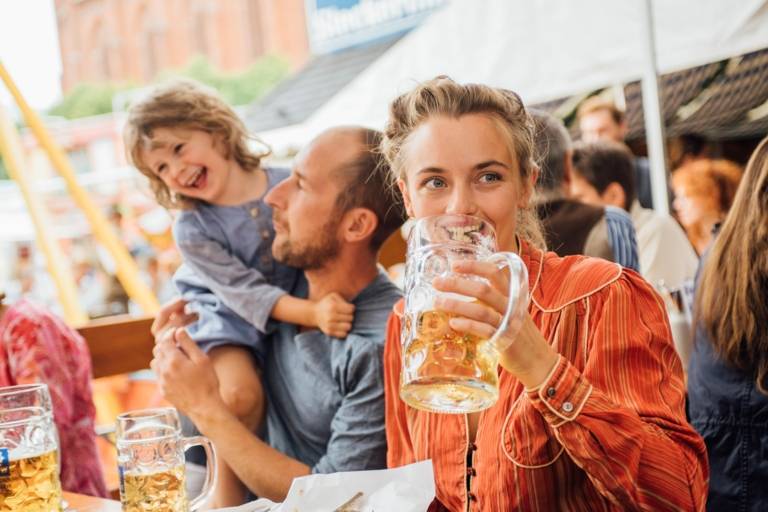
A women is drinking beer out of a beer mug at the Auer Dult in Munich.

Traditional Munich
Time for tradition

Munich sees itself as a city that exists between the traditional and the modern. About customs.
Munich sees itself as a city that exists between the traditional and the modern. A separate culture of tradition has developed in the metropolis. About customs.
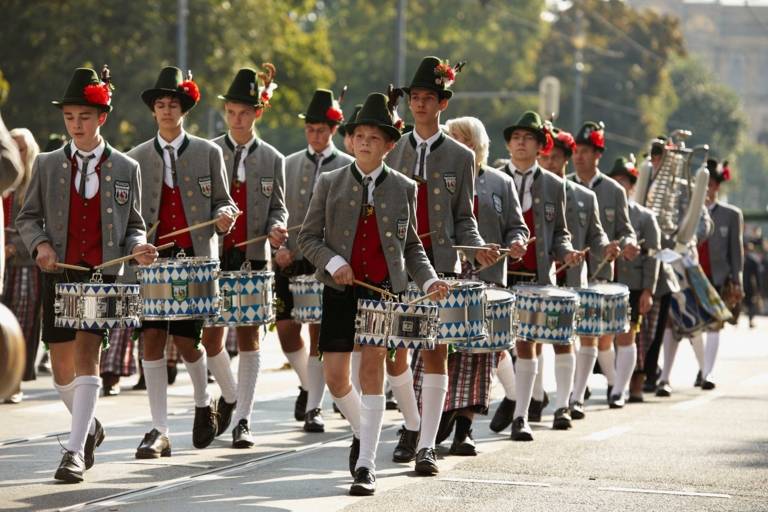
Drummers at the Oktoberfest Costume and Riflemen's Parade in Munich.

Traditional Munich
Customs are in!

From fresh approaches in fashion to exciting experiments in the kitchen: an overview.

Tradition and customs in Munich are more fashionable than ever before. From fresh approaches in fashion to exciting experiments in the kitchen: an overview.
A grandfather is carrying his granddaughter in his arms at the Auer Dult in Munich.

Auer Dult

Dult is cult!

Three times a year for nine days of shopping, searching, watching, and amusing. Maidult, Jakobidult and Kirchweihdult are cult in Munich.

Three times a year for nine days of shopping, searching, watching, and amusing. Maidult, Jakobidult and Kirchweihdult are cult in Munich.

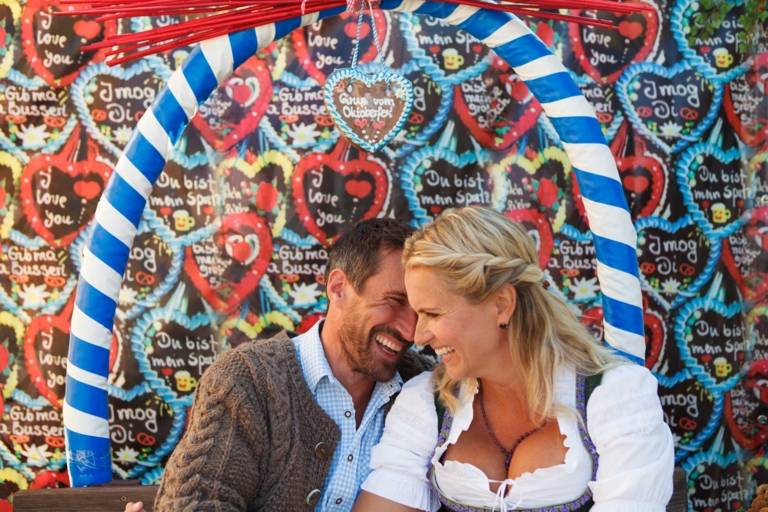
A couple is sitting in front of a lot of gingerbread hearts at the Oktoberfest in Munich.

From O to T

All you need to know about the Wiesn

A letter-by-letter guide to Oktoberfest: from O like "Ozapft is" to T like Tracht.

We have put together everything you need to know: from O for "Ozapft is", the famous festival greeting, to T for Tracht.

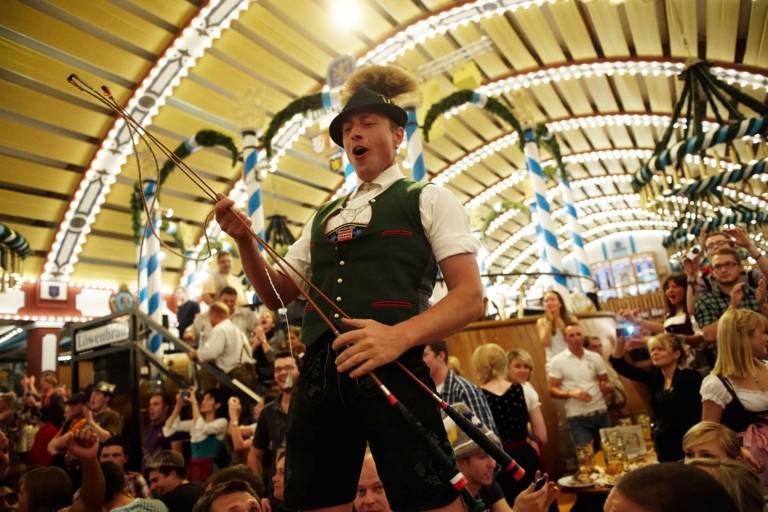
A man dressed in a traditional costume is celebrating and dancing on a table in a beer tent at the Oktoberfest in Munich.

Oktoberfest

Which beer tent is the right one for me?
Getting in is tough; but once you're in, the fun never stops. A brief typology of the different beer tents at Oktoberfest – and the people inside.

Getting in is tough; but once you’re in, the fun never stops. A brief typology of the different beer tents at Oktoberfest.

Getting in is tough; but once you're in, the fun never stops. A brief typology of the different beer tents at Oktoberfest – and the people inside.

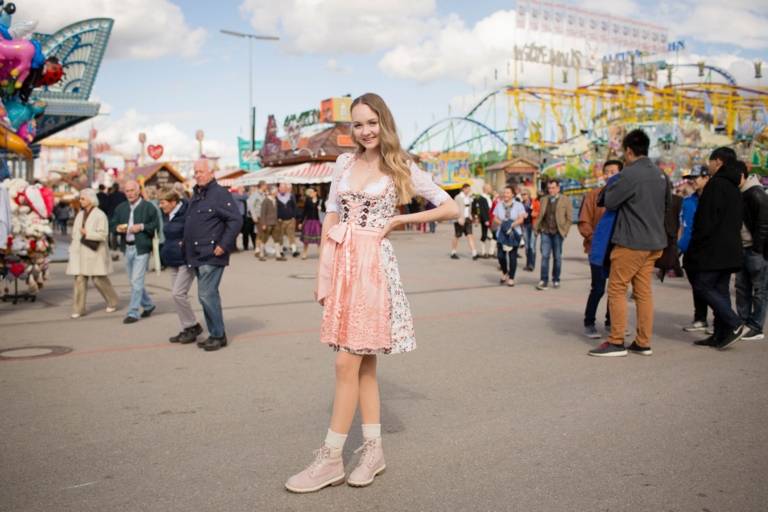
A woman who is wearing a dirndl is smiling at the Oktoberfest in Munich.

Oktoberfest

Munich’s Dirndl Idol

Tradition or trash? We photographed nine visitors to the Oktoberfest – and asked a panel of experts to judge their traditional outfits.

Tradition or trash? We photographed nine visitors to the Oktoberfest – and asked a panel of experts to judge their traditional outfits.

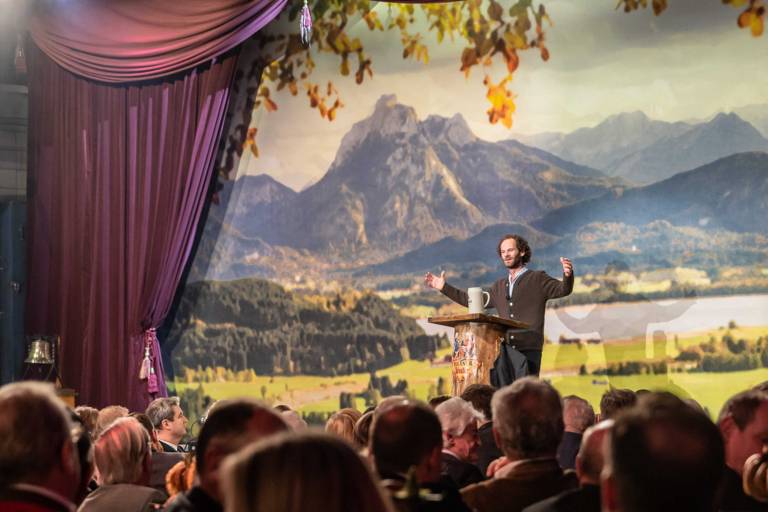
Maxi Schafroth at his fasting sermon at Nockherberg
Starkbierfest

A lot of humour and a lot of beer

A good portion of Bavarian conviviality can be experienced at the strong beer festival on the Nockherberg.

A good portion of Bavarian conviviality can be experienced at the Paulaner-Brauerei's strong beer festival on the Nockherberg.

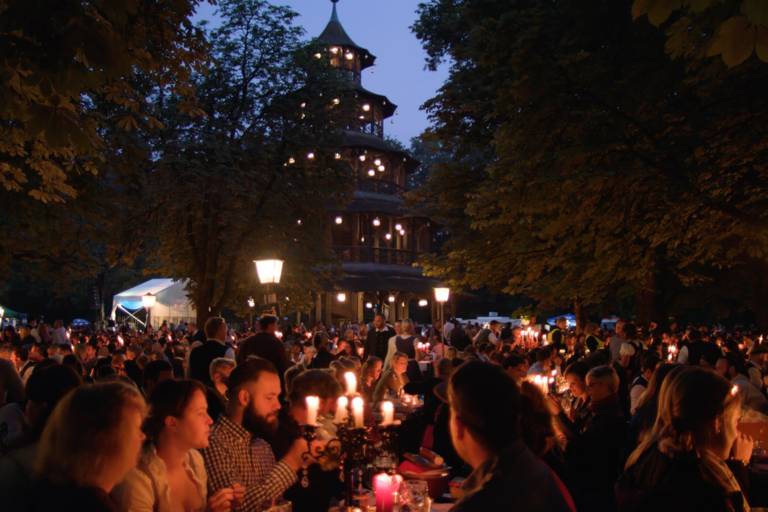
Guests at the Kocherlball sit at beer tables during dawn in Munich.

Kocherlball

Munich is dancing till dawn

When the people are dressed to impress and meet to dance till dawn at Chinesischer Turm: it's Kocherlball time. This year on July 20.

When the people are dressed to impress and meet to dance till dawn at Chinesischer Turm: it's Kocherlball time. This year on July 20.

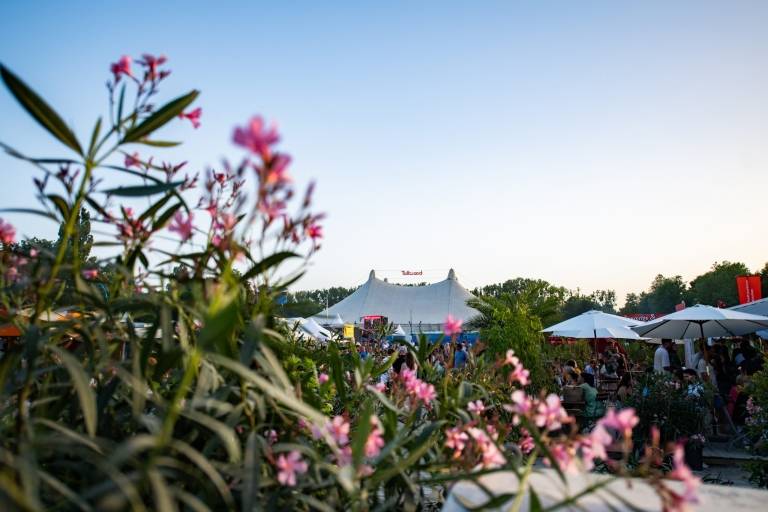
A view of the Tollwood Summer Festival site in Munich, featuring a white marquee, parasols and pink oleanders.

Tollwood Summer Festival

simply magical

Since the end of the 1980s, visitors have associated this festival with an atmosphere of tolerance, internationalism and openness.

Culture for all: since the end of the 1980s, visitors have associated this festival with an atmosphere of tolerance, internationalism and openness.

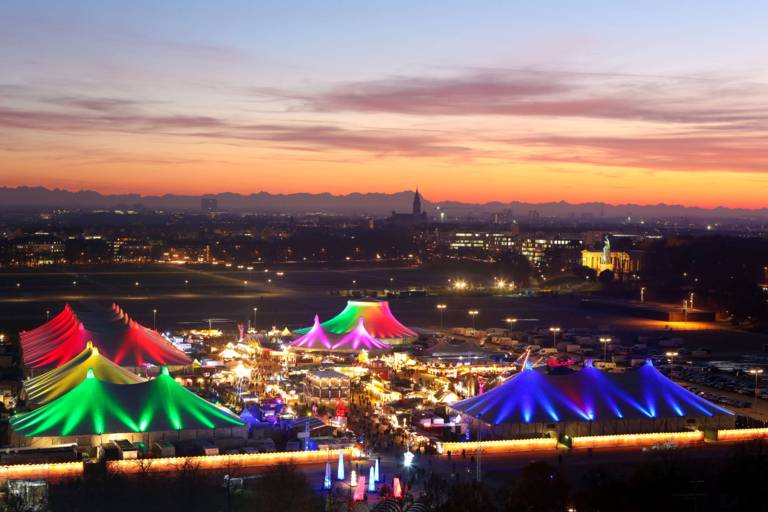
View from above of the illuminated Tollwood winter festival in Munich.

Tollwood Winter Festival

The alternative Christmas market

Spreading joy, celebrating culture and raising awareness for the environment and social equality are all on the agenda at this Munich festival.

Spreading joy, celebrating culture and raising awareness for the environment and social equality are all on the agenda at this Munich festival.

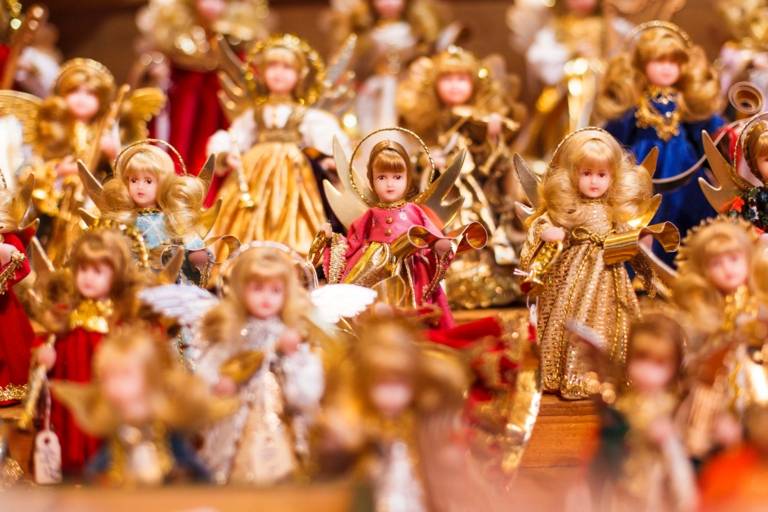
Christmas angels in a sales booth at the christmas market in Munich.

Christmas market

Christmas magic

When the snow shines in the glow of countless lights, the Christmas market on Marienplatz is the most beautiful.

When it gets dark and the snow shines in the glow of countless lights, the Christmas market on Marienplatz is the most beautiful.