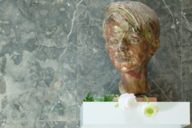
A bust of Sophie Scholl in the Ludwig-Maximilians-Universität in Munich

The Scholl siblings

Fighters against the Nazi regime

They died by the guillotine of an inhumane regime. Sophie Scholl was 22 at the time of execution, her brother Hans 25. The siblings will forever remain a symbol of resistance against the National Socialist dictatorship.

From 1942, the student resistance group “Weiße Rose” (White Rose) used flyers to campaign against the Nazi regime. The inner circle of the group consisted of the siblings Hans and Sophie Scholl, Alexander Schmorell, Christoph Probst, Willi Graf and university professor Kurt Huber.

On 18 February 1943, Hans and Sophie Scholl dropped a stack of the sixth set of flyers from the second floor into the atrium of Ludwig-Maximilians-Universität in Munich. In response, they were arrested, sentenced to death and beheaded on 22 February 1943, together with their fellow student Christoph Probst. In the same year, the death sentence was also carried out on Kurt Huber, Willi Graf and Alexander Schmorell.

Today, the “Weiße Rose” memorial in the main building of the university commemorates the student resistance against the Nazi regime. A bronze relief was erected in the atrium of the university in 1953. Since 1997, a bilingual permanent exhibition with interactive media stations has honoured the members of the White Rose and their history.

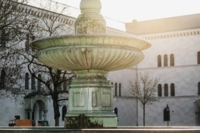
The Geschwister-Scholl-Platz (square) with its fountain in front of the university is named after Sophie and Hans Scholl. On the ground facing the university entrance, visitors can discover a memorial consisting of leaflets, portrait photos and a farewell letter from Willi Graf, all set in stone.

Another memorial has been erected at Stadelheim prison, where the three members of the resistance group were executed.
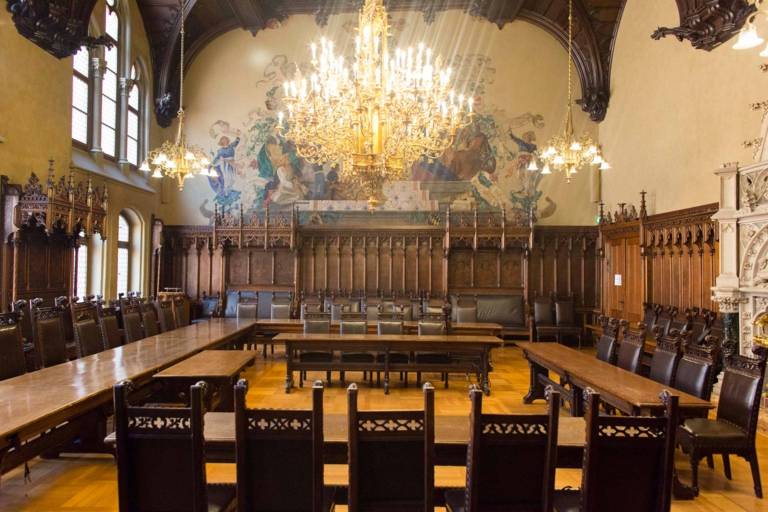
Munich's Justizpalast (Palace of Justice) houses a permanent exhibition in its “Weiße Rose Saal“ (White Rose Hall), where the Scholl siblings were sentenced to death. In addition to photos of the accused and copies of some original documents, it is above all the authenticity of the location that conveys a lasting impression of the arbitrary justice of the Third Reich.

Hans and Sophie Scholl found their final resting place at the Perlacher Forst cemetery, Stadelheimer Strasse 24. The grave bears the number 73-I-18/19. On a vacated former grave site opposite the honorary grave of the “Weiße Rose”, a “thinking space“ was designed that invites cemetery visitors to linger and reflect.



Foto: Redline Emterprises, Sven Kolb
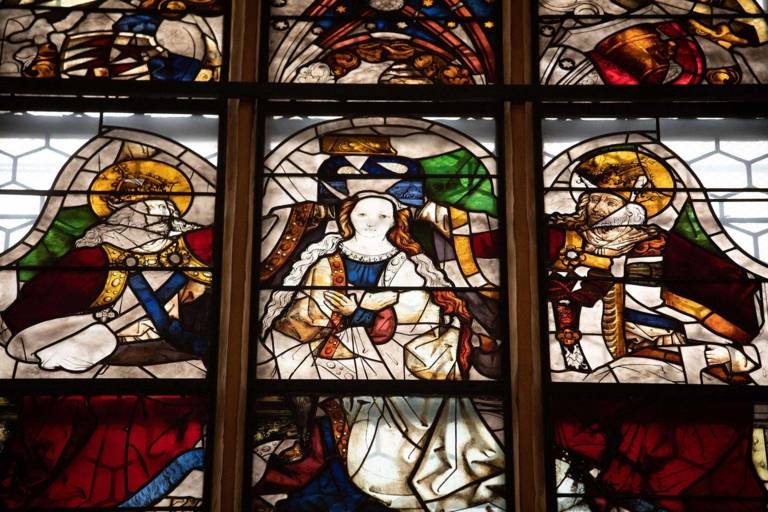
A church window in the Salvatorkirche in Munich

Munich's church windows

The most beautiful windows of the city

Michael Mayer of Mayer’sche Hofkunstanstalt presents the most spectacular church windows.

Fascinating people for centuries: Michael Mayer of Mayer’sche Hofkunstanstalt presents the most spectacular church windows the city has to offer.

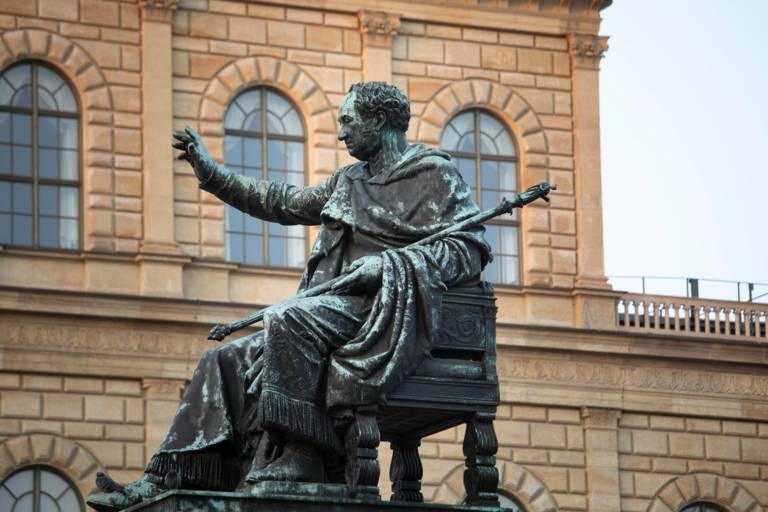
The monument to Max I. Joseph in front of the Residenz

Munich's royal monuments

Four kings and a prince regent

In Munich there are fantastic monuments to admire. Where they are and what makes them so special.

In Munich there are several fantastic monuments to admire. Where they are and what makes them so special: an overview.

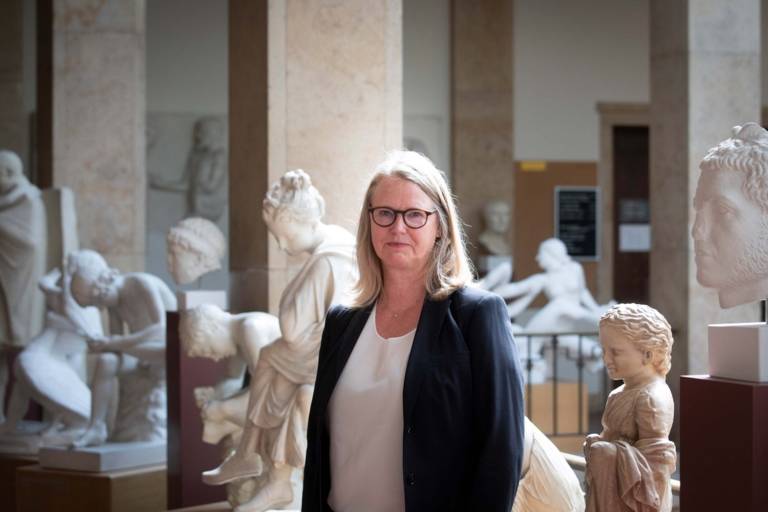
The tour guide Alvestad-Aschenbrenner stands in the Museum for Abgüsse Klassischer Bildwerke Munich

Ludwig I of Bavaria

When Munich became an „Athens on the Isar“

Ludwig I of Bavaria converted Munich into his "„Athens on the Isar“, many buildings still remind us of this today. An interview.

Ludwig I of Bavaria converted Munich into his "„Athens on the Isar“, many buildings still remind us of this today. An interview with a tour guide.

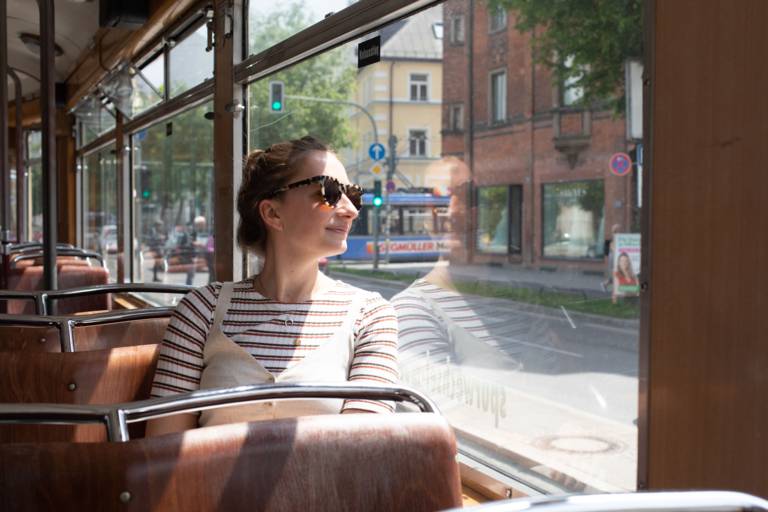
Young woman sitting at a window in a tram in Munich.

Column

A vacation in my own city

Our author used to be a travel blogger. Now she has started to explore her own city: Munich!

Our author used to be a travel blogger. Now she has started to explore her own city: Munich!

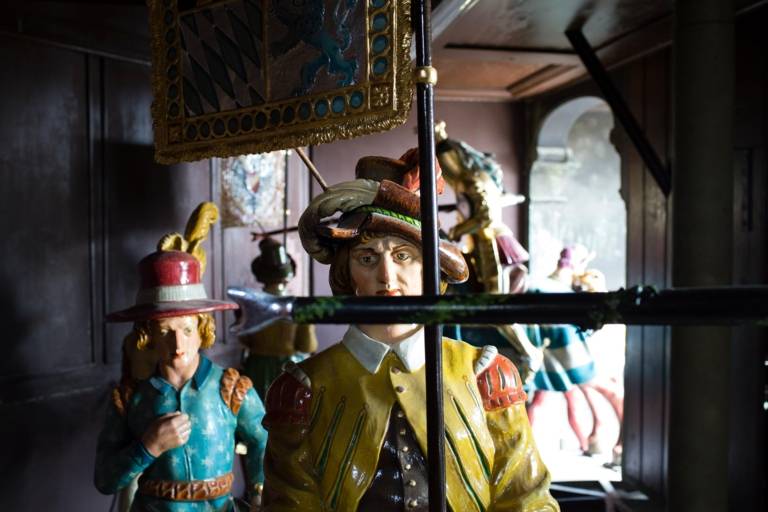
View from the inside of a figure of the carillon in the New Town Hall in Munich.

New Town Hall

The Glockenspiel in ten pictures

An exclusive look behind the scenes.

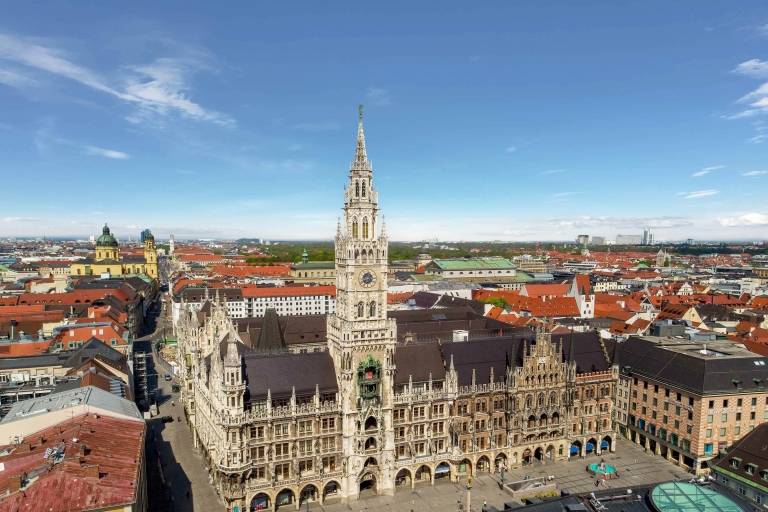
The Glockenspiel on Marienplatz has been enchanting visitors and locals for over 100 years. An exclusive look behind the scenes.

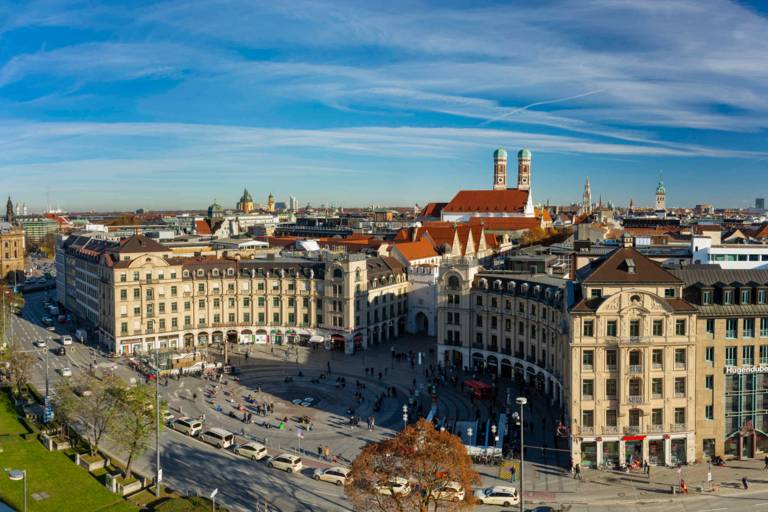
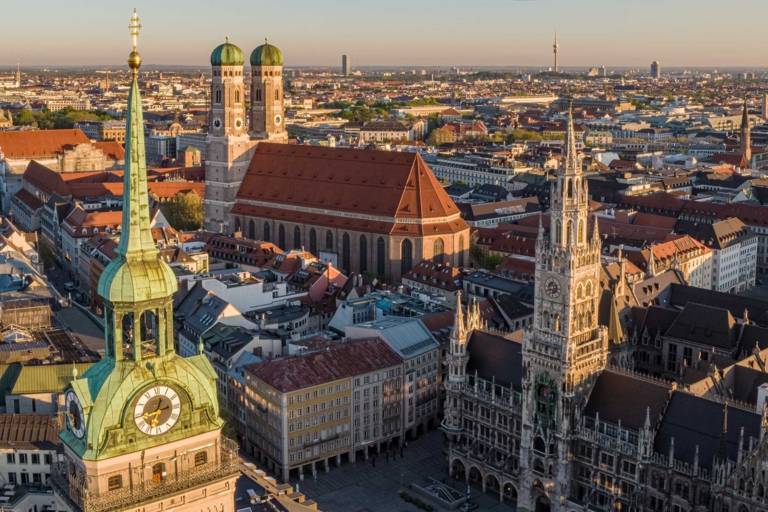
Panoramic view of Karlsplatz / Stachus in Munich with the Frauenkirche in the background photographed from the air.

Munich's city centre

Classical and curiosities

Numerous Munich stories can be told along the roughly one-kilometer-long route between Karlsplatz-Stachus and Marienplatz square. A city walk.

Numerous interesting Munich stories can be told along the roughly one-kilometer-long route between Karlsplatz-Stachus and Marienplatz square. A city walk.

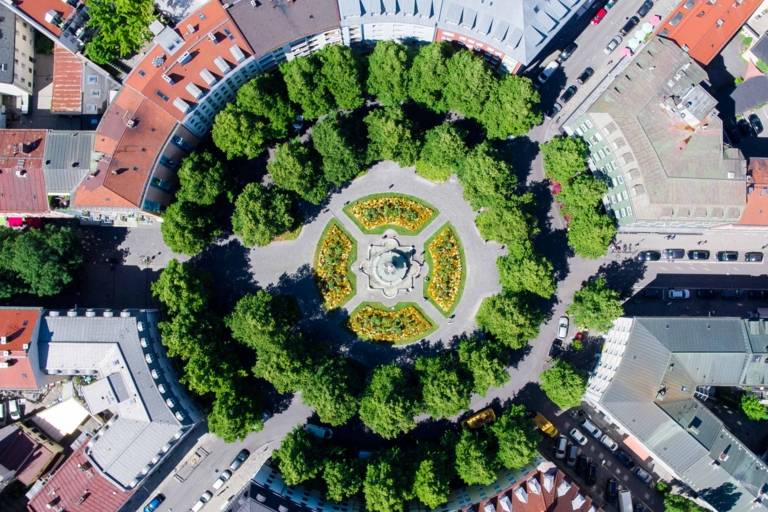
Weissenburger Platz in Munich photographed from above with a drone.

Haidhausen and Au

A village in the city

Haidhausen and Au have developed from working-class quarters into popular residential areas.

When strolling along the narrow streets of the districts Haidhausen and Au with small shops and green courtyards, it almost feels like being in a village in the middle of the city.

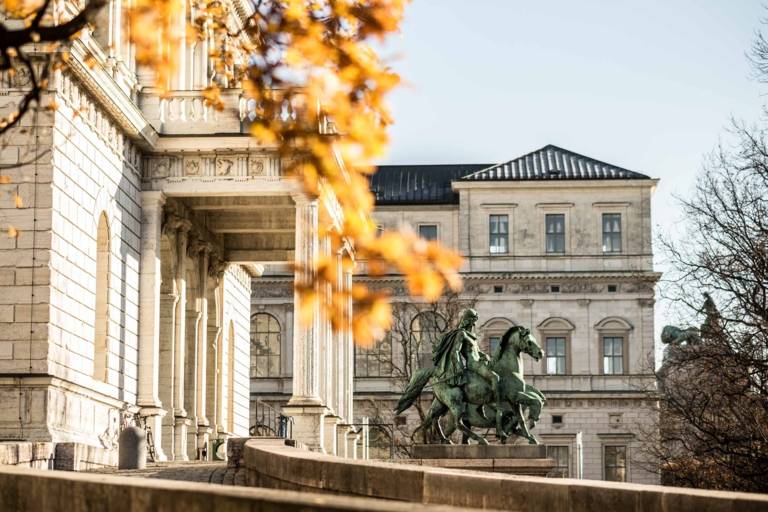
The Academy of Fine Arts in Munich in autumn.

Schwabing

From artists and writers

Around 1900, it was the artists and writers who settled around the university and the art academy and shaped the spirit of Schwabing.

In the heyday of the Schwabinger Bohème around 1900, it was the artists and writers who settled around the university and the art academy and shaped the spirit of Schwabing.

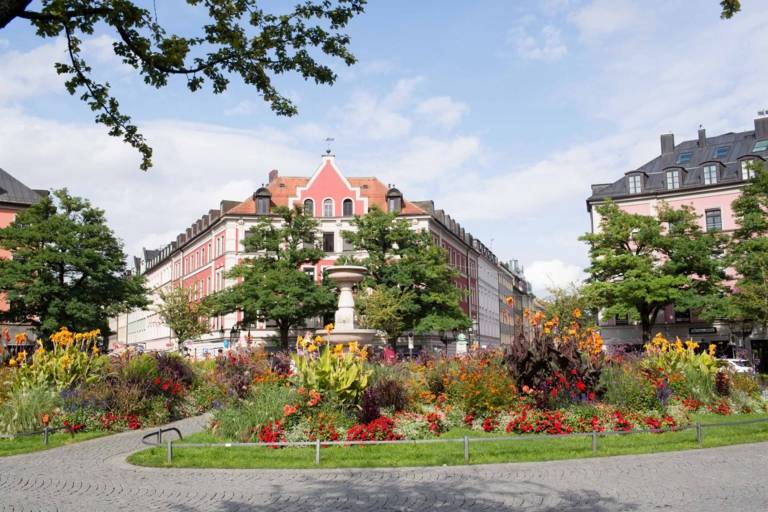
View of flowerbeds at Gärtnerplatz in Munich.

Gärtnerplatz and Glockenbach

Where the night begins

Independent labels, hip bars, pubs and cool inns attract the young and the young-at-heart.
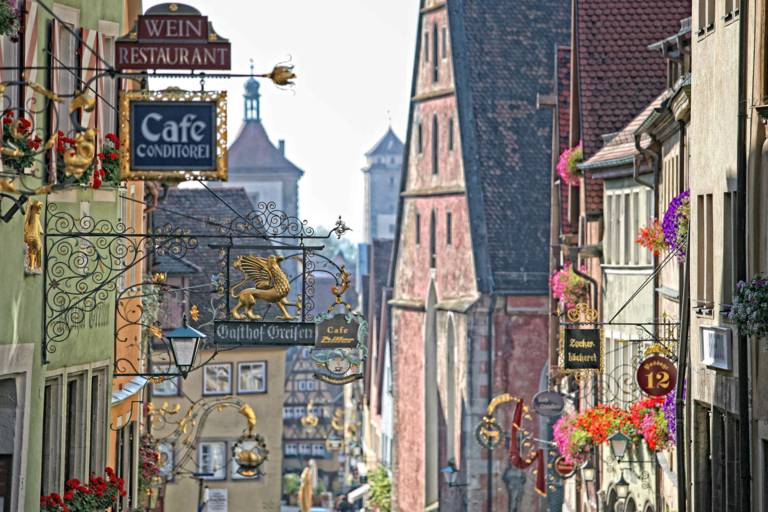
The Gärtnerplatz and Glockenbach neighbourhoods are known as trendy quarters. Their independent labels, hip bars, pubs, cool inns and calm backyards attract the young and the young-at-heart.