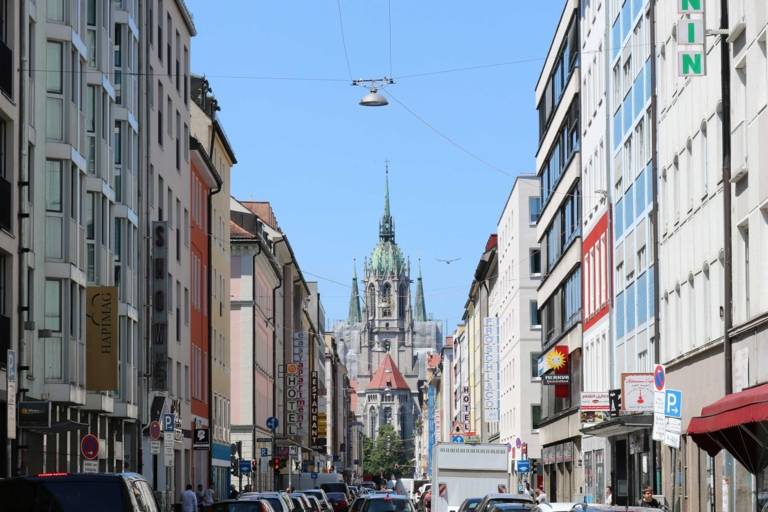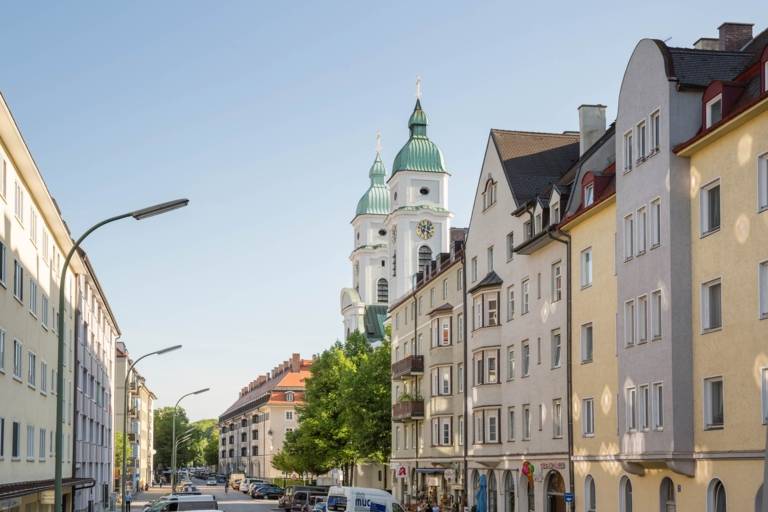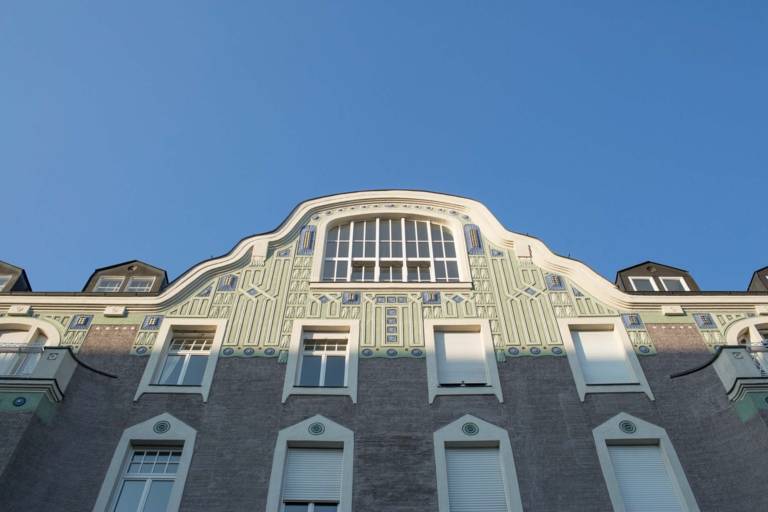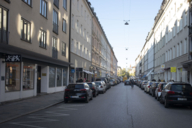
Reichenbachstrasse connects the Isar river and the Viktualienmarkt food market – two of the most important sites in Munich. But that's not all it offers: alongside Gärtnerplatz, and with a host of little shops and many inviting café terraces, it is also the liveliest street in the city.
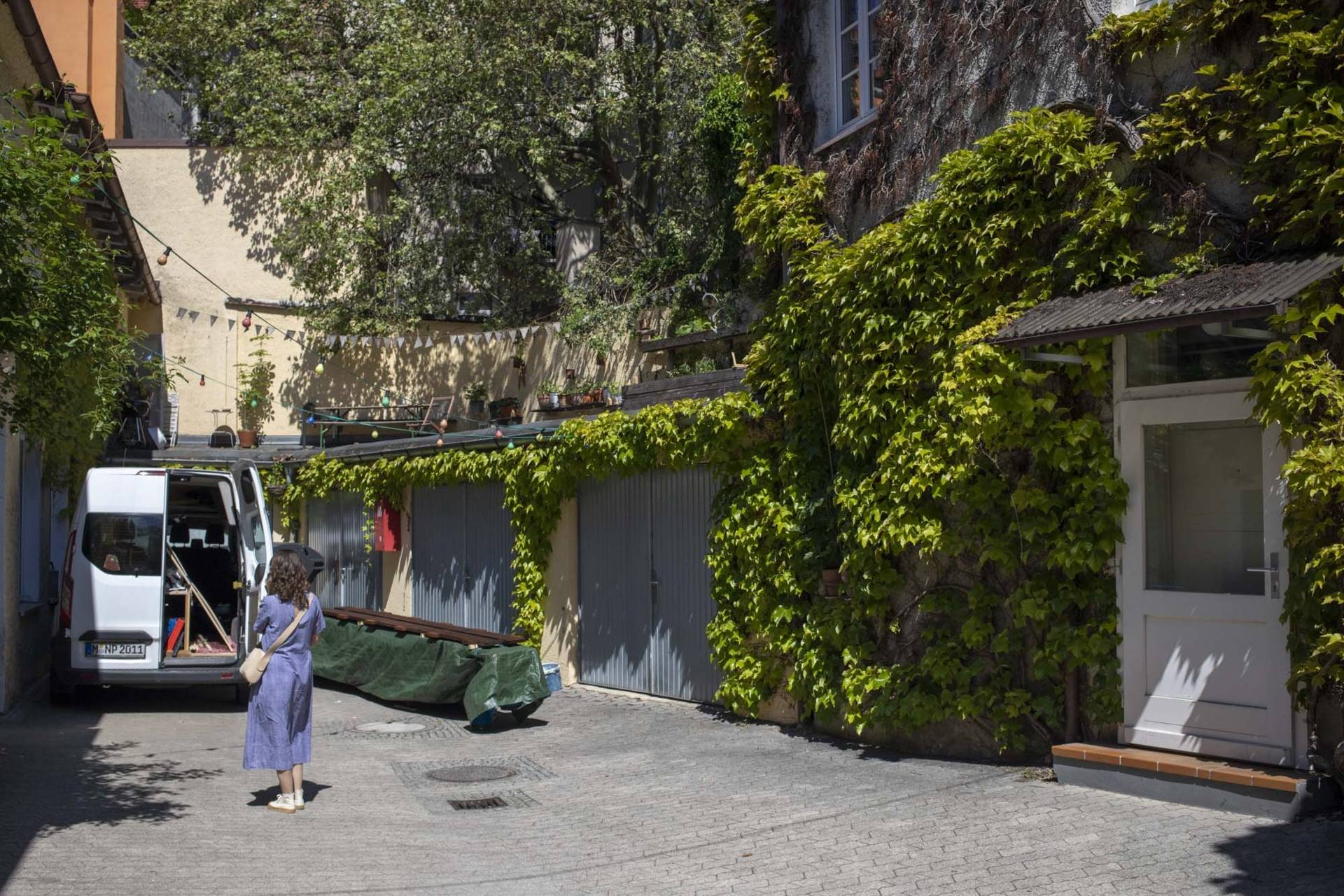
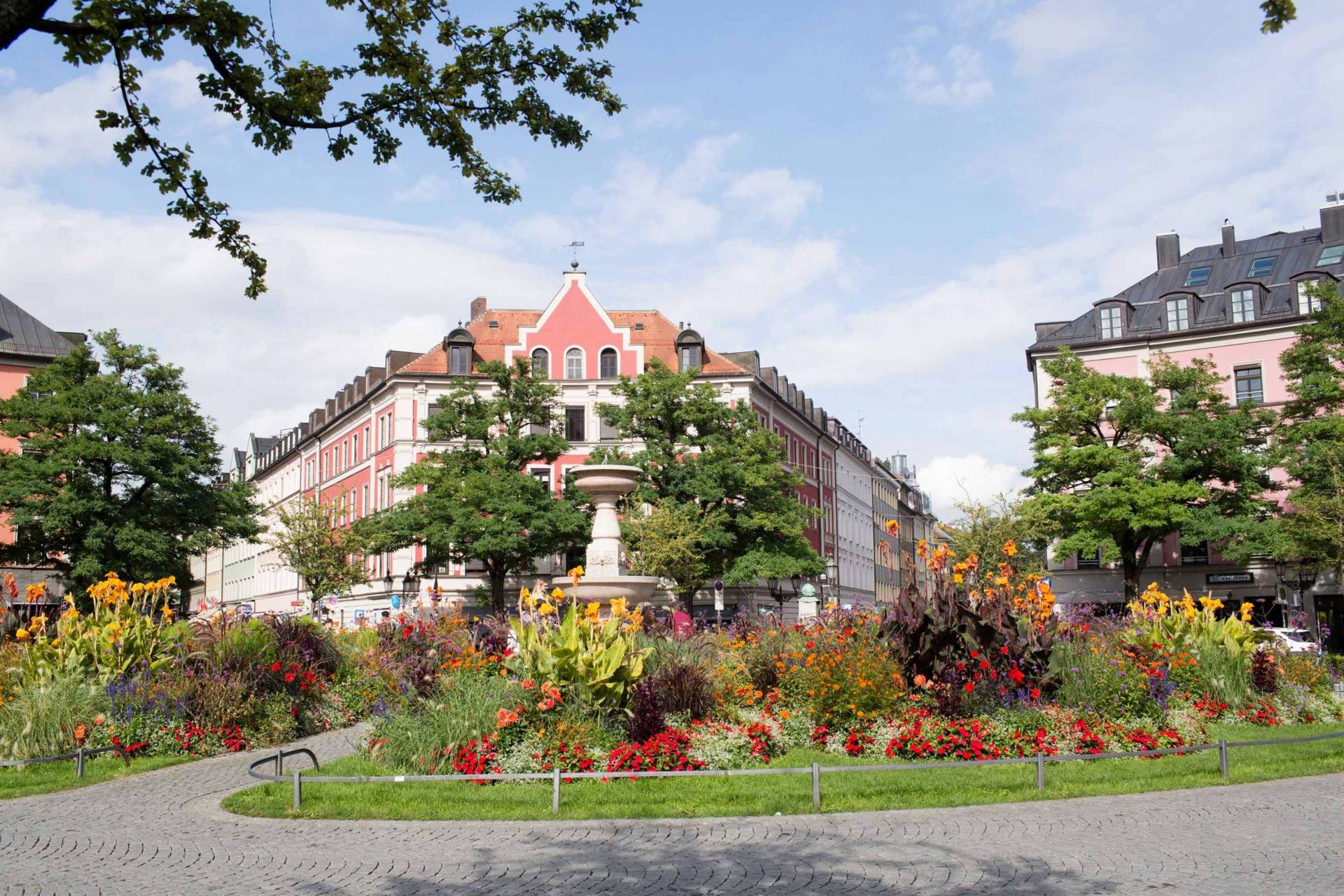
If you were to look at Reichenbachstrasse from above, you would quickly understand why streets are often described as pulsing veins carrying the lifeblood of a city. It could be considered the most important street in the Glockenbachviertel (district), not only running between two of Munich's sights – the Isar and Viktualienmarkt – but also bringing a special atmosphere to the entire district. Reichenbachstrasse has a vibrancy and bustle that makes it a perfect extension to buzzing Gärtnerplatz.
Reichenbachstrasse has a vibrancy and bustle that makes it a perfect extension to buzzing Gärtnerplatz.
Just take a seat in the beautifully landscaped square and you'll experience the lively energy, whether you're here for a lunchtime bite or an after-work beer – the benches might as well be cinema seats, because there's always something to watch here. You can see the life here as locals pass by on their way home from the Viktualienmarkt with their purchases every Saturday; or in the small groups of Munich designers who congregate on little stools in front of their shops to chat with a coffee in hand; or as you cycle along the street in summer, past the always-busy terrace of Trachtenvogl.
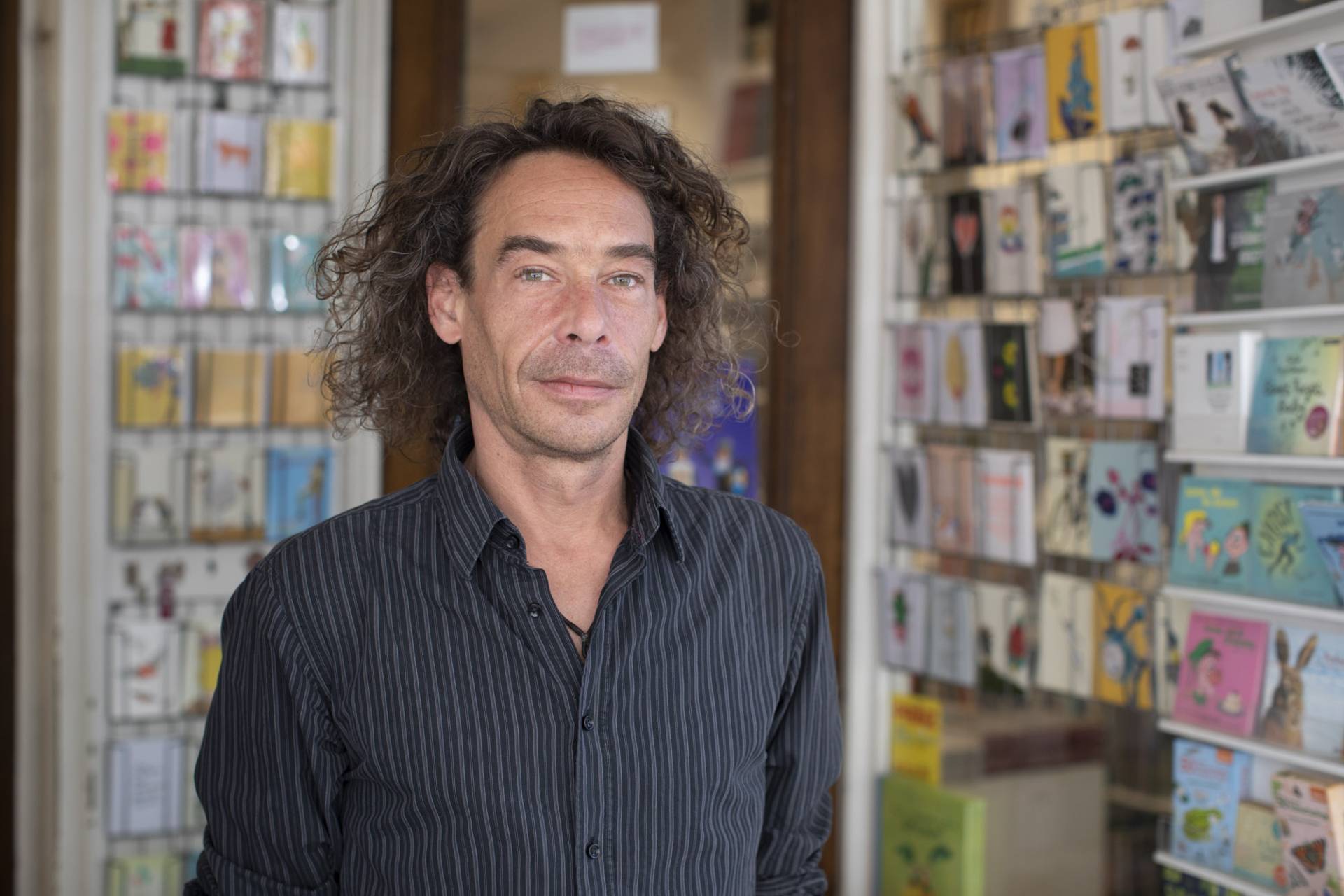
What definitely makes Reichenbachstrasse special is the mix of long-standing institutions like Trachtenvogl alongside newly opened pop-ups. Some of the pubs, shops and cafés have been around for decades – such as Café Crème (Reichenbachstrasse 24), the Holy Home bar (Reichenbachstrasse 21) or the Wortwahl bookshops (Reichenbachstrasse 15). Another long-standing fixture is Christian Oswald with his Natur Schmuck Design. The artist and jewellery designer is self-taught; he is actually a trained chef and pastry chef, and opened the shop on Reichenbachstrasse over 20 years ago. There, he creates only one-off pieces from natural materials: necklaces, bracelets, stud earrings and wedding rings.
“I do a lot of upcycling,” says Christian as we stand in his small shop, which doubles as a workshop. “Lots of customers bring me their found objects and I turn them into something new, either according to their wishes or completely freely!” Generally speaking, he simply enjoys it when something new is created from something old. The materials are as unique as the creations themselves – they can be gold and silver, but also shells, stones or other unusual items. For example, the designer shows us a few necklaces featuring pendants made from beetles he has prepared. Or a collection of snail shells that a customer recently gave him as a gift.
Some of the pubs, shops and cafés have been around for many decades – such as Café Crème, the Holy Home bar and the Wortwahl bookshops.
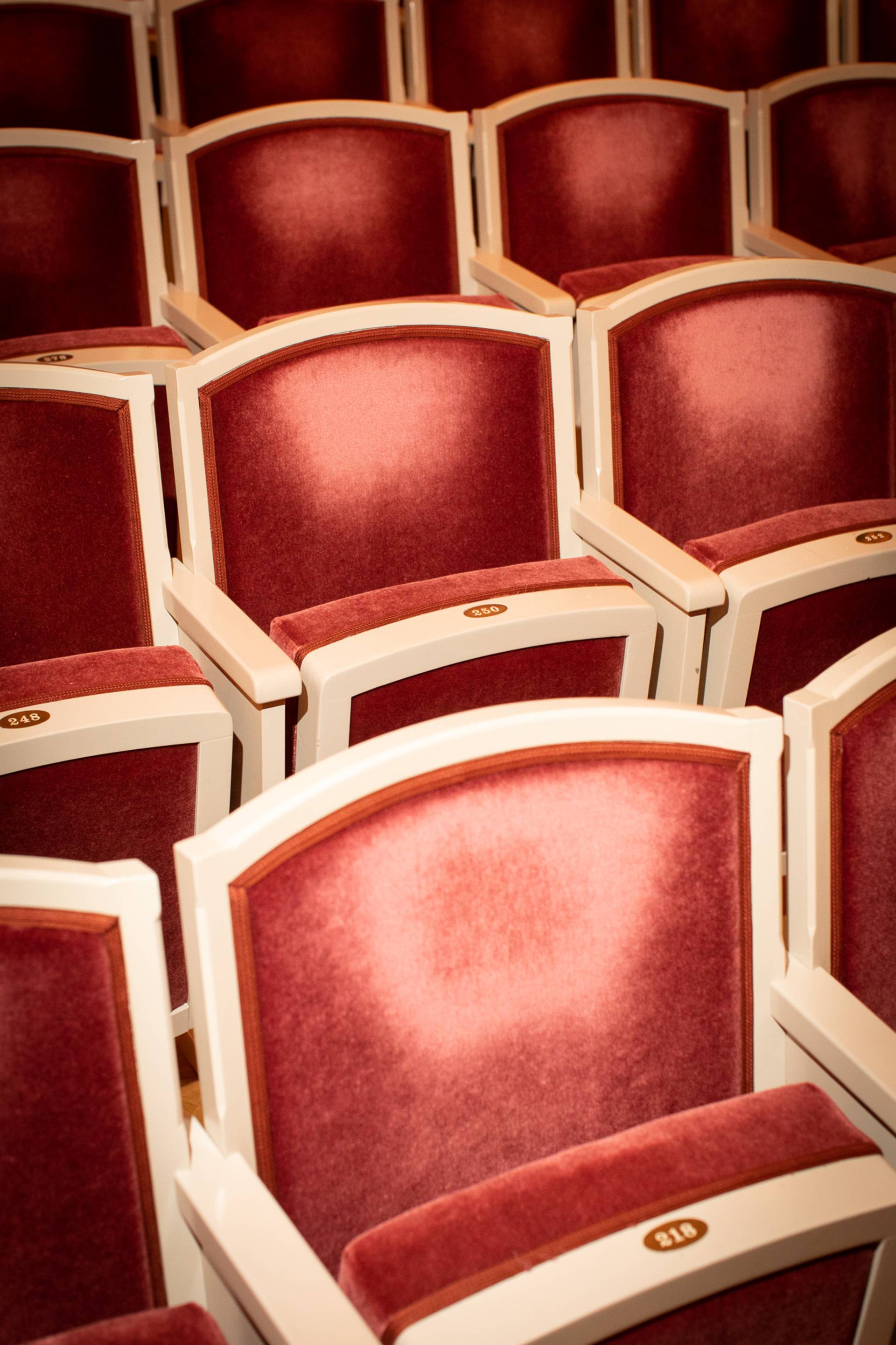
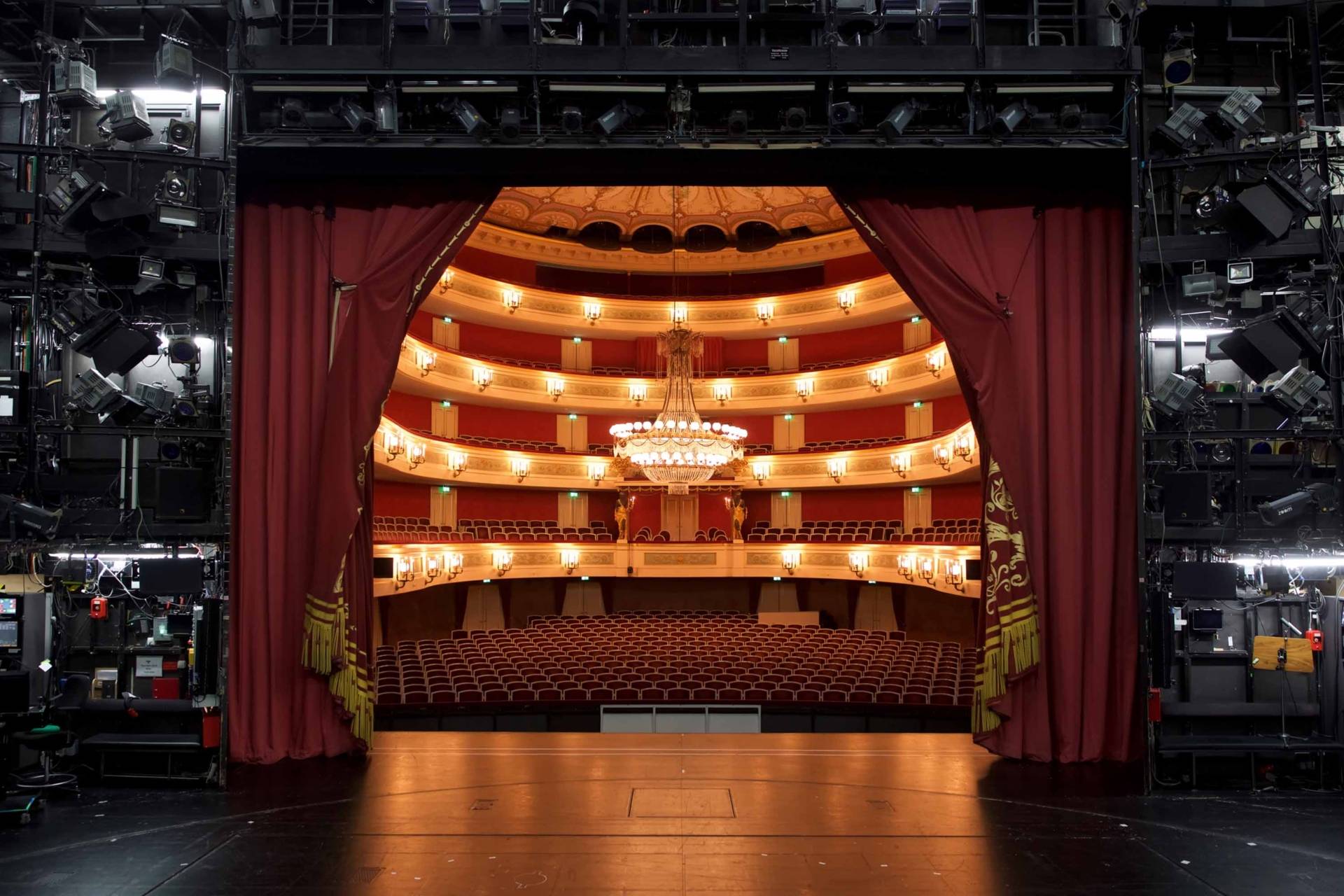
Thanks to his stall at the Tollwood Winter Festival, the artist has built up a loyal customer base. He has been selling earrings, necklaces, one-off pieces and his own artwork there since 1996. What does Christian like about this street, this neighbourhood, which has changed so much over the last few decades? “I feel very much at home here, also with the theatre opposite and the friendly neighbours, such as the jeweller, who has been here for a very long time too. “I like to spend my lunch break at the Glockenbachwerkstatt, where I also cook twice a month.”
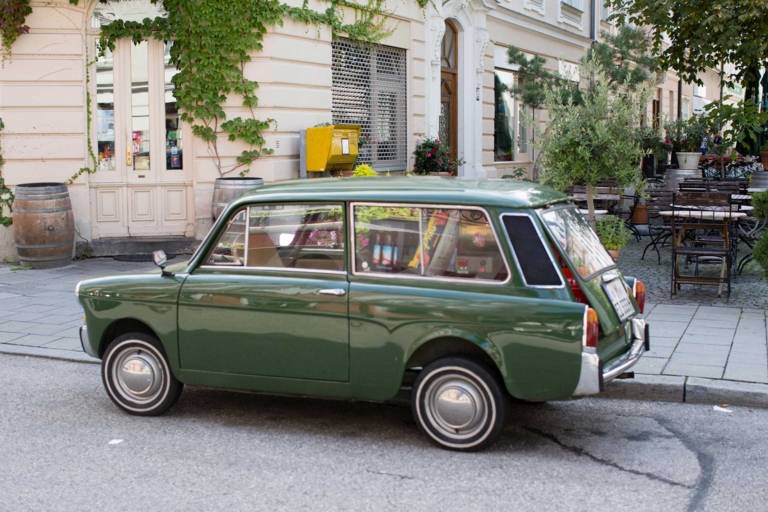
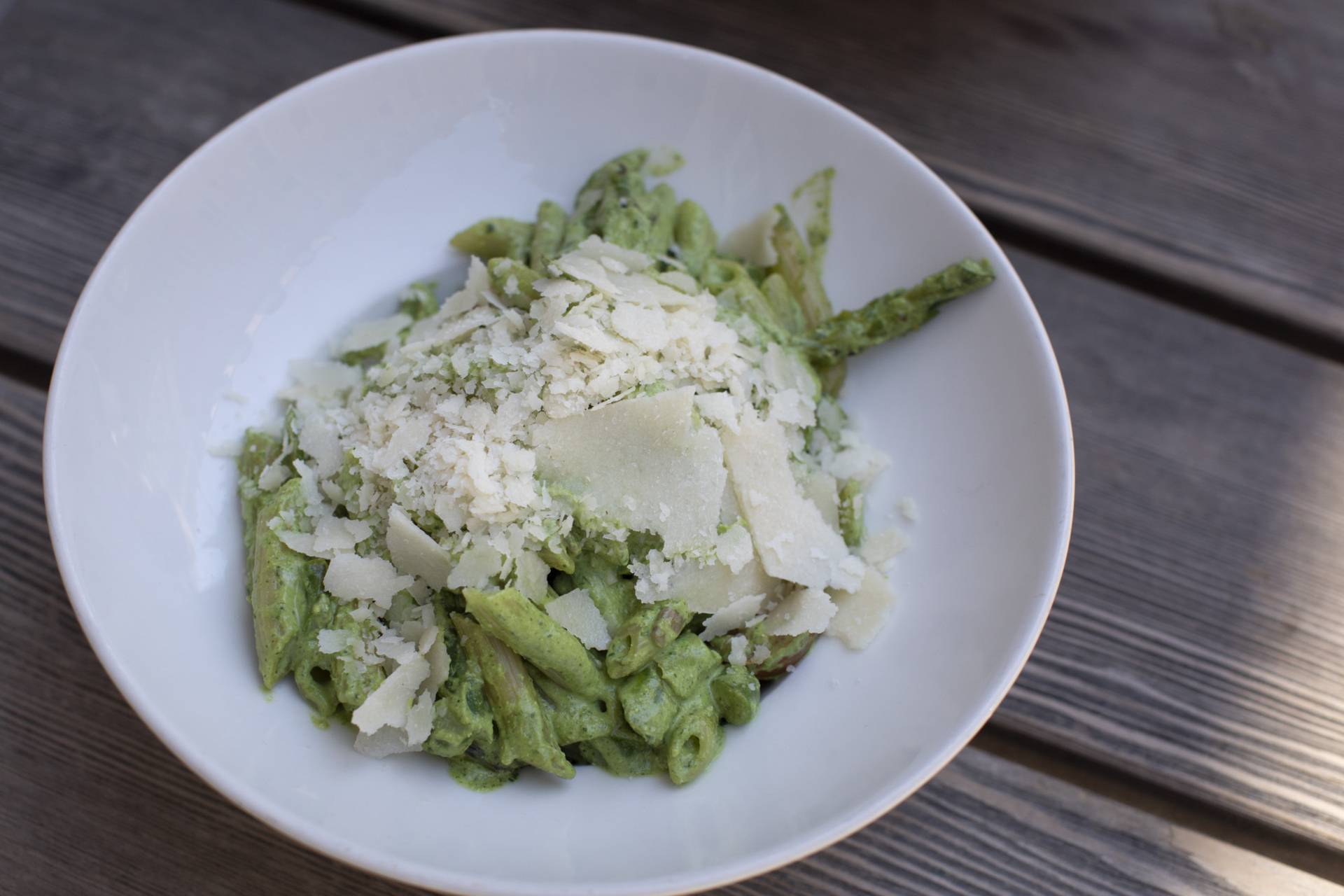
Speaking of food – we say goodbye to Christian and have lunch at the Trachtenvogl. We choose pasta and halloumi salad, both fantastic as always and not at all expensive. It's hard to imagine Reichenbachstrasse without this lovely café, which was previously also a bar. In winter, retro television sets display crackling fires inside, while you sink back into a sofa and try to settle on one of the dozens of hot chocolate options they offer. In summer, the sunniest spots on the terrace are always in demand. After all, the staff are pleasant, the food delicious – what more could you want?
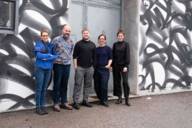
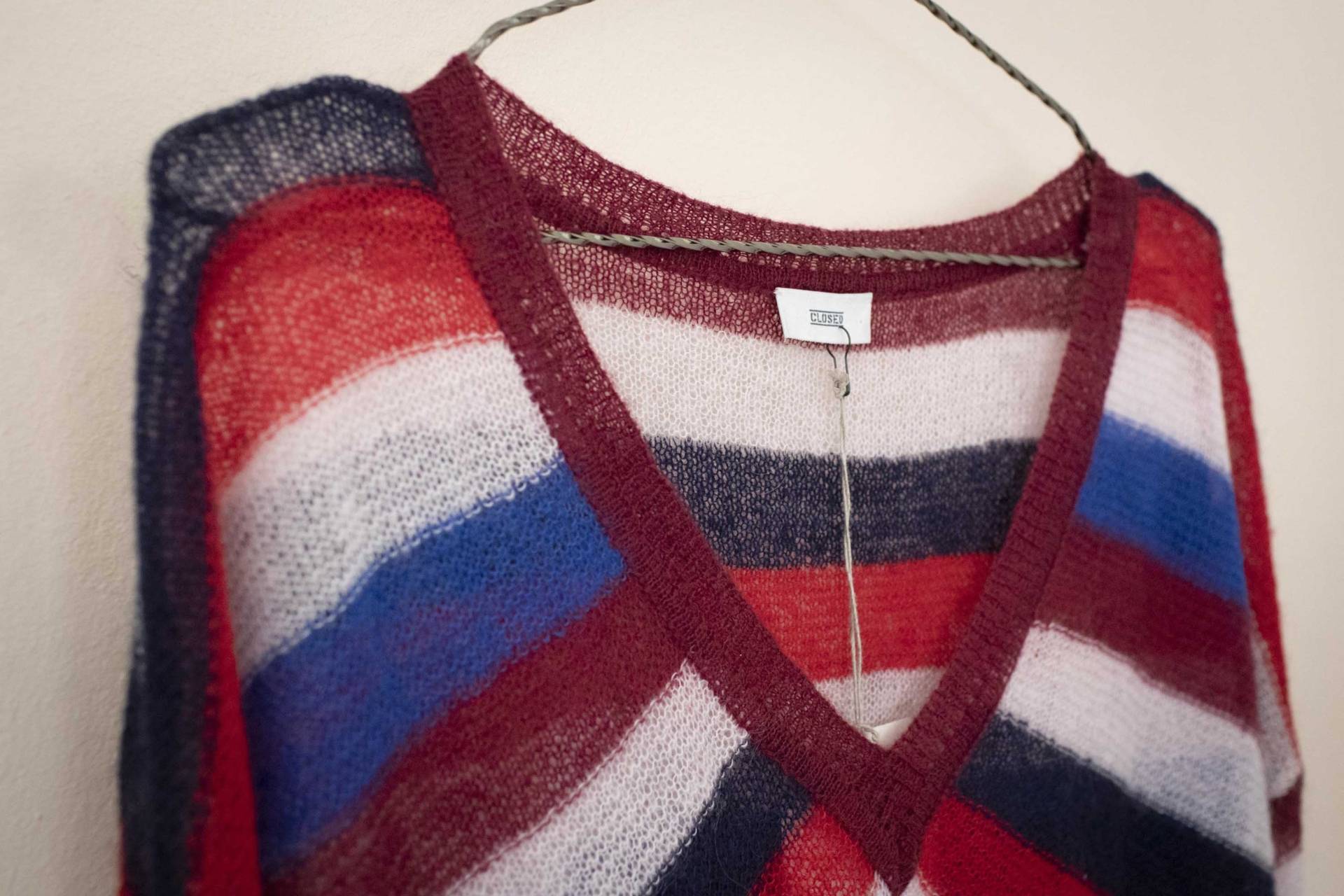
From the terrace, we are looking directly onto four shopping gems within the district, all of which are run by Munich women. There's local fashion label akjumii (36 Reichenbachstrasse), where designers Michaela Wunderl-Strojny and Anna Karsch have been producing minimalist fashion for men and women since 2012. All the clothing sold here is made in the on-site studio, and virtually everything is crafted from natural materials. The retail space at the front is often rented out to other brands and is currently occupied by hundreds of plants – a proper jungle. Next door is WE.RE (30 Reichenbachstrasse), another women-run fashion label from Munich: Katharina Weber and Theresa Reiter offer handmade fashion made from sustainable materials and produced in Munich.
Reichenbachstrasse is full of contrasts. Few streets manage this balancing act: keeping pace with the times whilst still allowing the old-established to remain.
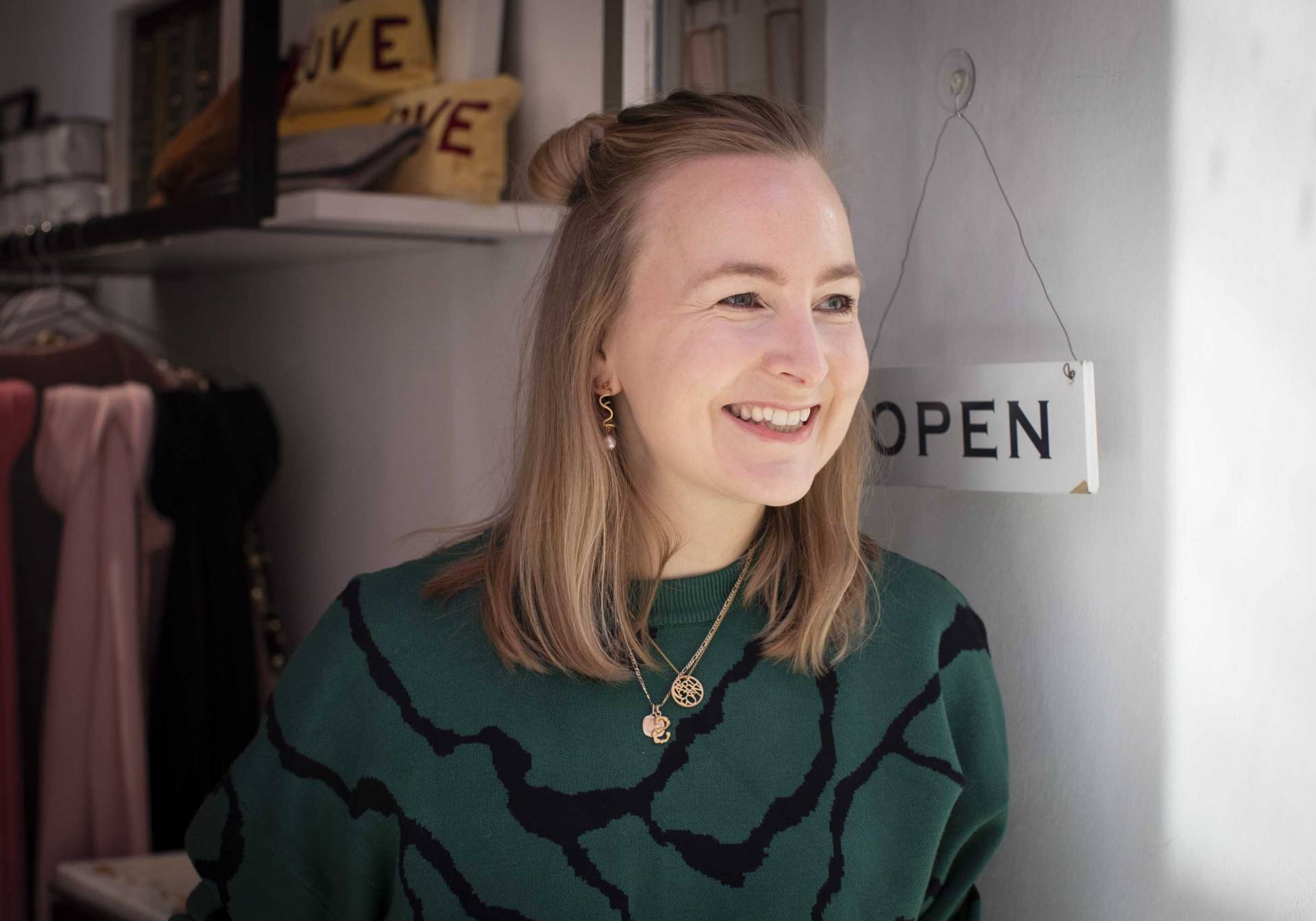
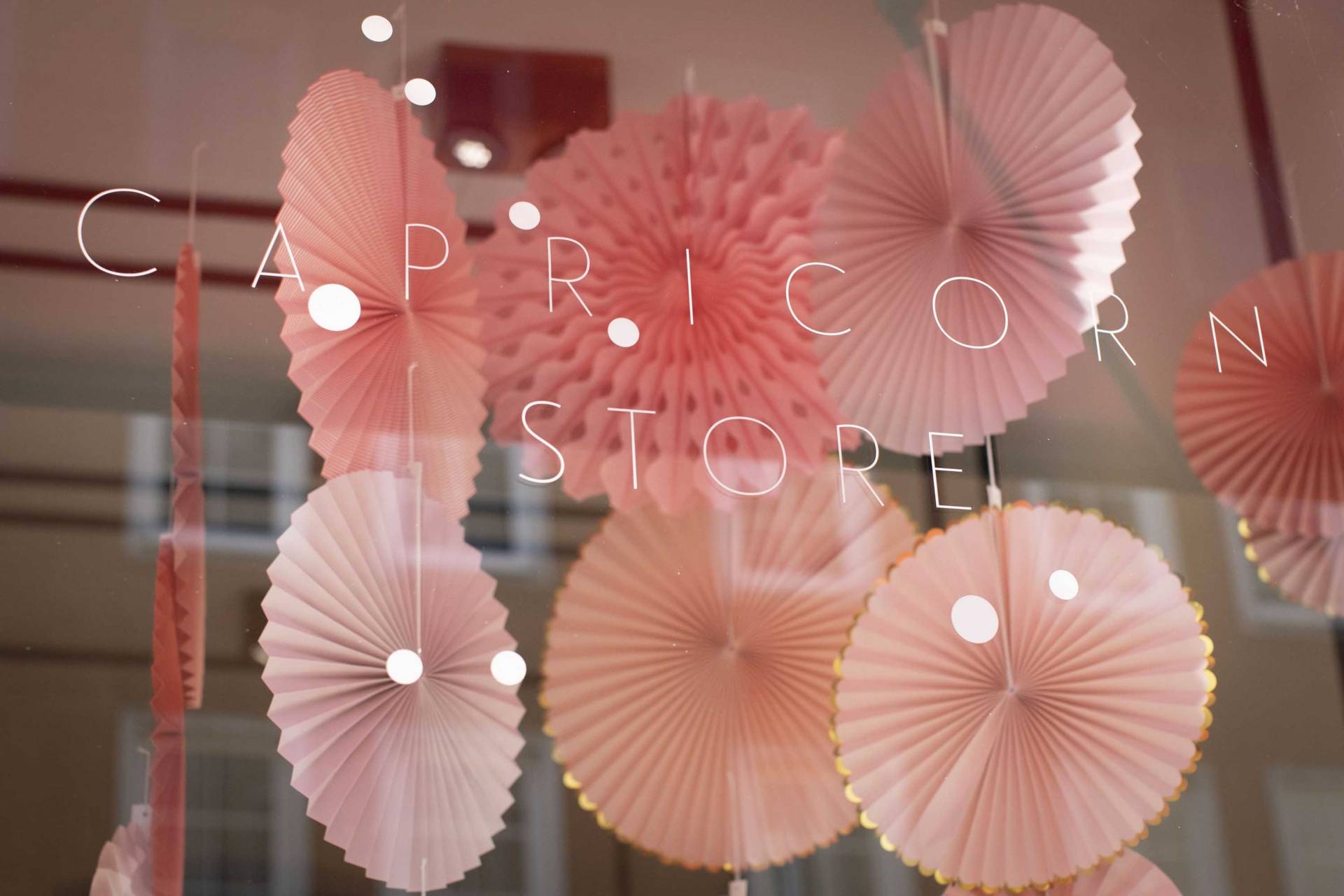
At number 30, you really shouldn't miss the Capricorn Store. It specialises in selected second-hand fashion, yet it feels just like a chic boutique. Owner Stephanie Zürn only has a limited number of hangers in the shop – which means that a new item can only be added once an existing one has been sold. She started out with her friends' wardrobes, but now she receives discarded designer pieces from customers all over the city. And a new addition is the showroom of Munich-based designer Saskia Diez: after many years on the small Geyerstrasse, the jewellery designer has now moved to the more central Reichenbachstrasse!
Scandinavian fashion, on the other hand, can be found at the Homegirl Store. Owner Medo Diet wanted to open a shop for women where you immediately feel at home – and she's succeeded. Whilst customers browse through the high-quality, feminine clothing, hip-hop plays in the background and there's always someone sitting outside the shop with a drink or a coffee. “I get the feeling that customers are currently less keen on the big chains and more interested in local shops! And that's what makes Reichenbachstrasse so special – you don't find that anywhere else in Munich, with so many owners still serving behind the bar themselves,” says Medo.
Nowhere else in Munich you still see so many shopkeepers sitting behind the counter themselves!
She has been running her Homegirl Store on Reichenbachstrasse for nine years – spending the first four years in a smaller shop on the other side of the street, and the last five years at the current address. But things are set to change again soon: from summer 2026, the store will primarily provide space for pop-ups featuring various brands. Medo has a background in events and explains: “We want to give more people a space, and I've kind of outgrown traditional retail!” When Medo opened her shop in 2018, Reichenbachstrasse was already very busy, but in recent years the number of visitors has continued to grow.
Reichenbachstrasse is full of contrasts. Few streets manage to achieve this balancing act: keeping up with the times while allowing the old to remain. Flat white and filter coffee. One of the few streets that has never lost its character despite modernisation and change. The connecting street in the Glockenbachviertel (district) still looks exciting and feels exciting. You'll find the Scandinavian interior design chain here, but also the antique shop with its selection of unique pieces. The street has grown organically and doesn't pretend to be something it's not. It offers its guests a welcome respite between the Isar and the Viktualienmarkt.